


NEET Exam > NEET Questions > Which type of substance would face difficulty... Start Learning for Free
Which type of substance would face difficulty to pass through the cell membrane? [NEET 2022 Phase 2]
- a)Substance soluble in lipids
- b)Substance with hydrophobic moiety
- c)Substance with hydrophilic moiety
- d)All substance irrespective of hydrophobic and hydrophilic moiety
Correct answer is option 'C'. Can you explain this answer?

Most Upvoted Answer
Which type of substance would face difficulty to pass through the cell...
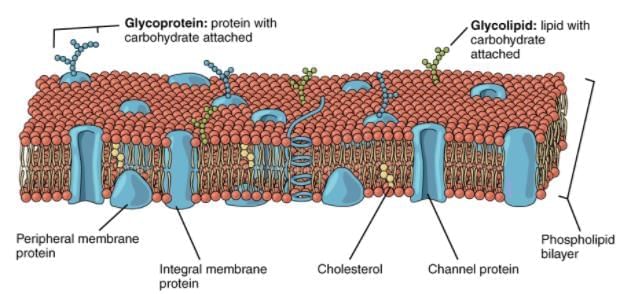
Substances that have a hydrophilic moiety find it difficult to pass through the plasma membrane; thus, their movement has to be facilitated.
Free Test
FREE
| Start Free Test |
Community Answer
Which type of substance would face difficulty to pass through the cell...
Understanding Cell Membrane Permeability
The cell membrane, or plasma membrane, is primarily composed of a phospholipid bilayer, which serves as a barrier to regulate what enters and exits the cell. The nature of a substance largely determines its ability to permeate this membrane.
Substance Solubility in Lipids
- Substances that are lipid-soluble can easily pass through the cell membrane.
- The hydrophobic (water-repelling) tails of phospholipids allow lipid-soluble substances to integrate and diffuse through the membrane.
Hydrophobic Moieties
- Substances with hydrophobic properties also tend to pass through the cell membrane more easily.
- These substances can interact favorably with the lipid bilayer, facilitating their movement across the membrane.
Hydrophilic Moieties
- In contrast, substances with hydrophilic properties are polar or charged, making it difficult for them to cross the hydrophobic lipid bilayer.
- Water-soluble substances, ions, and polar molecules struggle to diffuse through the membrane without assistance.
Conclusion
- The correct answer is option 'C' because hydrophilic substances face significant difficulty when attempting to pass through the cell membrane.
- They require specific transport mechanisms, such as channel proteins or carrier proteins, to facilitate their movement across the membrane.
Thus, understanding the nature of substances in relation to the cell membrane's structure is crucial for comprehending their transport mechanisms.
The cell membrane, or plasma membrane, is primarily composed of a phospholipid bilayer, which serves as a barrier to regulate what enters and exits the cell. The nature of a substance largely determines its ability to permeate this membrane.
Substance Solubility in Lipids
- Substances that are lipid-soluble can easily pass through the cell membrane.
- The hydrophobic (water-repelling) tails of phospholipids allow lipid-soluble substances to integrate and diffuse through the membrane.
Hydrophobic Moieties
- Substances with hydrophobic properties also tend to pass through the cell membrane more easily.
- These substances can interact favorably with the lipid bilayer, facilitating their movement across the membrane.
Hydrophilic Moieties
- In contrast, substances with hydrophilic properties are polar or charged, making it difficult for them to cross the hydrophobic lipid bilayer.
- Water-soluble substances, ions, and polar molecules struggle to diffuse through the membrane without assistance.
Conclusion
- The correct answer is option 'C' because hydrophilic substances face significant difficulty when attempting to pass through the cell membrane.
- They require specific transport mechanisms, such as channel proteins or carrier proteins, to facilitate their movement across the membrane.
Thus, understanding the nature of substances in relation to the cell membrane's structure is crucial for comprehending their transport mechanisms.
 | Explore Courses for NEET exam |  |
Top Courses for NEETView all





Top Courses for NEET
Question Description
Which type of substance would face difficulty to pass through the cell membrane? [NEET 2022 Phase 2]a)Substance soluble in lipidsb)Substance with hydrophobic moietyc)Substance with hydrophilic moietyd)All substance irrespective of hydrophobic and hydrophilic moietyCorrect answer is option 'C'. Can you explain this answer? for NEET 2026 is part of NEET preparation. The Question and answers have been prepared according to the NEET exam syllabus. Information about Which type of substance would face difficulty to pass through the cell membrane? [NEET 2022 Phase 2]a)Substance soluble in lipidsb)Substance with hydrophobic moietyc)Substance with hydrophilic moietyd)All substance irrespective of hydrophobic and hydrophilic moietyCorrect answer is option 'C'. Can you explain this answer? covers all topics & solutions for NEET 2026 Exam. Find important definitions, questions, meanings, examples, exercises and tests below for Which type of substance would face difficulty to pass through the cell membrane? [NEET 2022 Phase 2]a)Substance soluble in lipidsb)Substance with hydrophobic moietyc)Substance with hydrophilic moietyd)All substance irrespective of hydrophobic and hydrophilic moietyCorrect answer is option 'C'. Can you explain this answer?.
Which type of substance would face difficulty to pass through the cell membrane? [NEET 2022 Phase 2]a)Substance soluble in lipidsb)Substance with hydrophobic moietyc)Substance with hydrophilic moietyd)All substance irrespective of hydrophobic and hydrophilic moietyCorrect answer is option 'C'. Can you explain this answer? for NEET 2026 is part of NEET preparation. The Question and answers have been prepared according to the NEET exam syllabus. Information about Which type of substance would face difficulty to pass through the cell membrane? [NEET 2022 Phase 2]a)Substance soluble in lipidsb)Substance with hydrophobic moietyc)Substance with hydrophilic moietyd)All substance irrespective of hydrophobic and hydrophilic moietyCorrect answer is option 'C'. Can you explain this answer? covers all topics & solutions for NEET 2026 Exam. Find important definitions, questions, meanings, examples, exercises and tests below for Which type of substance would face difficulty to pass through the cell membrane? [NEET 2022 Phase 2]a)Substance soluble in lipidsb)Substance with hydrophobic moietyc)Substance with hydrophilic moietyd)All substance irrespective of hydrophobic and hydrophilic moietyCorrect answer is option 'C'. Can you explain this answer?.
Solutions for Which type of substance would face difficulty to pass through the cell membrane? [NEET 2022 Phase 2]a)Substance soluble in lipidsb)Substance with hydrophobic moietyc)Substance with hydrophilic moietyd)All substance irrespective of hydrophobic and hydrophilic moietyCorrect answer is option 'C'. Can you explain this answer? in English & in Hindi are available as part of our courses for NEET. Download more important topics, notes, lectures and mock test series for NEET Exam by signing up for free.
Here you can find the meaning of Which type of substance would face difficulty to pass through the cell membrane? [NEET 2022 Phase 2]a)Substance soluble in lipidsb)Substance with hydrophobic moietyc)Substance with hydrophilic moietyd)All substance irrespective of hydrophobic and hydrophilic moietyCorrect answer is option 'C'. Can you explain this answer? defined & explained in the simplest way possible. Besides giving the explanation of Which type of substance would face difficulty to pass through the cell membrane? [NEET 2022 Phase 2]a)Substance soluble in lipidsb)Substance with hydrophobic moietyc)Substance with hydrophilic moietyd)All substance irrespective of hydrophobic and hydrophilic moietyCorrect answer is option 'C'. Can you explain this answer?, a detailed solution for Which type of substance would face difficulty to pass through the cell membrane? [NEET 2022 Phase 2]a)Substance soluble in lipidsb)Substance with hydrophobic moietyc)Substance with hydrophilic moietyd)All substance irrespective of hydrophobic and hydrophilic moietyCorrect answer is option 'C'. Can you explain this answer? has been provided alongside types of Which type of substance would face difficulty to pass through the cell membrane? [NEET 2022 Phase 2]a)Substance soluble in lipidsb)Substance with hydrophobic moietyc)Substance with hydrophilic moietyd)All substance irrespective of hydrophobic and hydrophilic moietyCorrect answer is option 'C'. Can you explain this answer? theory, EduRev gives you an ample number of questions to practice Which type of substance would face difficulty to pass through the cell membrane? [NEET 2022 Phase 2]a)Substance soluble in lipidsb)Substance with hydrophobic moietyc)Substance with hydrophilic moietyd)All substance irrespective of hydrophobic and hydrophilic moietyCorrect answer is option 'C'. Can you explain this answer? tests, examples and also practice NEET tests.
| Explore Courses for NEET exam | |
Top Courses for NEET
Explore Courses
Signup for Free!
Signup to see your scores go up within 7 days! Learn & Practice with 1000+ FREE Notes, Videos & Tests.


