
Q23: What was the author's mother doing on a Sunday afternoon?
CBSE Class 9 > Class 9 Notes > English > Short & Long Type Answer Question - A House is not a Home
Short & Long Type Answer Question - A House is not a Home
Very Short Answer Type Important Questions
Q1: How was the author's first year in High School?
Ans: The author's first year in high school was marked by an awkward transition and a sense of isolation as he adjusted to a much larger school and new surroundings.
Q2: What did the author notice one Sunday afternoon?
Ans: One Sunday afternoon, the author noticed smoke seeping in through the seams of the ceiling.
Q3: What did the author's mother carry out of the house first of all?
Ans: In the midst of the chaos, the author's mother rushed out with a small metal box containing important documents.
Q4: What had happened to the author's father?
Ans: The author's father had died when the author was young.
Q5: Why did the author's mother run into the house for the second time?
Ans: The author's mother went back into the burning house to retrieve her late husband's letters and photographs.
Q6: Who stopped the author to run into the house?
Ans: A firefighter stopped the author from running into the burning house.
Q7: What was the author worried about after the fire tragedy?
Ans: After the fire, the author's greatest worry was that his pet cat was missing and might have been lost in the blaze.
Q8: Where did the author and his mother spend their night after the fire tragedy?
Ans: The author and his mother spent the night at his grandparents' house.
Q9: Why did they have to borrow money?
Ans: They had to borrow money because their cash, credit cards and identification were destroyed in the fire, leaving them without immediate resources.
Q10: How did the students help the author at school?
Ans: The author's classmates collected money and arranged school supplies, clothes and other necessities to help him recover and continue his studies.
Short Answer Questions
Q1: Why did Zan feel awkward and isolated during his first year of high school?
Ans: Zan felt awkward because he had to start over as a freshman in a much larger school, and being separated from his closest friends increased his sense of isolation.
Q2: Why did the author miss his old teachers?
Ans: The author missed his old teachers because they encouraged him to join activities and helped him meet people. Their warmth, attention and reassurance had made him feel special, so he longed for that support after changing schools.
Q3: What kind of day it was when a fire broke out in the author's house? What were the author and his cat doing at that time?
Ans: It was a cold and windy Sunday afternoon when the fire started. The author was at the dining-room table doing homework while the fire burned in the fireplace. His red tabby cat lay across his papers, purring and occasionally batting at his pen.
Q4: What does the author notice one Sunday afternoon? What is his mother's reaction? What does she do?
Ans: The author smelled something strange and saw smoke pouring through the ceiling seams. His mother reacted quickly; they ran outside, but she went back into the house and brought out a small metal box containing important papers.
Q5: What happened to the narrator's mother when she had run into the burning house?
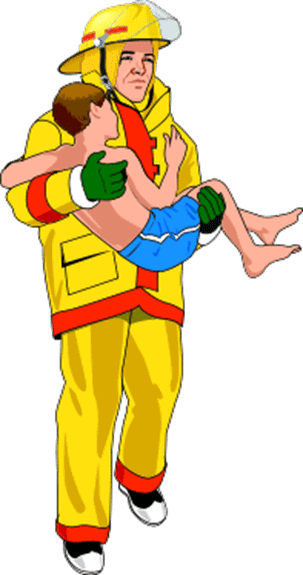
Ans: The mother inhaled some smoke when she ran into the burning house. Firefighters rescued her and put an oxygen mask on her; she recovered soon afterwards.
Q6: How did Zan's mother save important documents from the burning house?
Ans: Zan's mother went back into the burning house despite the danger and retrieved a small metal box that contained important documents and keepsakes. Her courage ensured those items were saved.
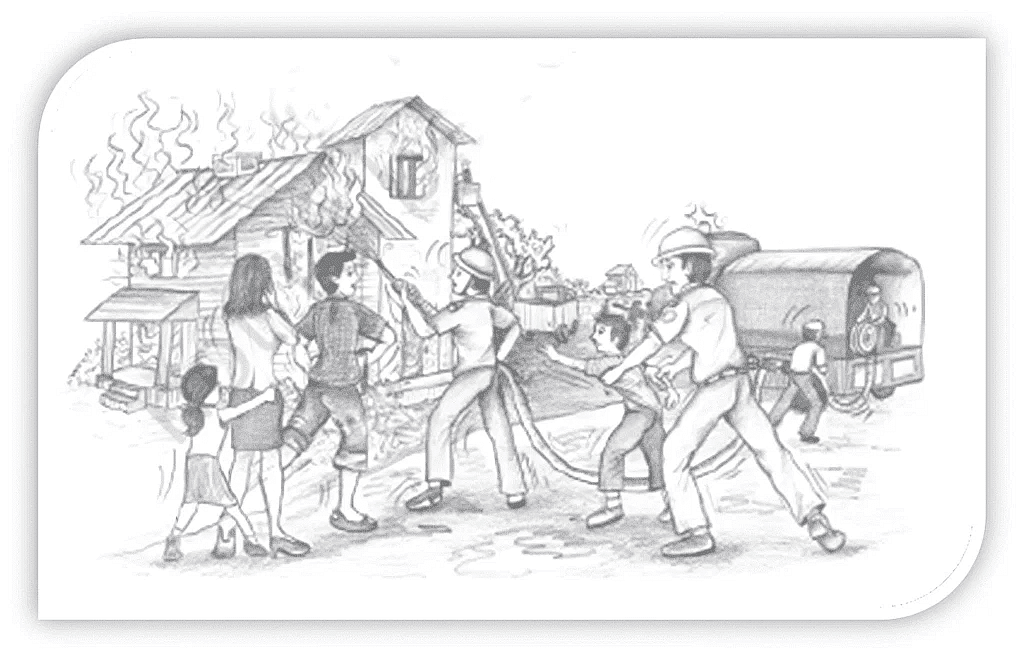
Q7: Why did Zan try to run after his mother and why did the fireman hold him back?
Ans: Zan tried to run after his mother because he feared for her safety and did not want to lose her. The fireman held him back because his action would have been rash and dangerous; running into a burning house could not have helped and would have put Zan at serious risk.
Q8: When did the author realise that his cat was missing?
Ans: After the fire had been burning for several hours and the house was mostly destroyed, the author realised with horror that his cat was nowhere to be found.
Q9: Why does the narrator say, "I was suffering loss, big time"?
Ans: The narrator said this because he had lost many important things: his familiar school and teachers, his house in the fire, and his much-loved pet cat. These losses made him feel devastated.
Q10: In what condition does the author go to school after the fire incident?
Ans: The author went to school wearing the clothes he had worn to church that morning and tennis shoes borrowed from his aunt, since his own shoes, uniform, books and backpack had been destroyed in the fire.
Q11: Why is the author deeply embarrassed the next day in school? Which words show his fear and insecurity?
Ans: The author is embarrassed because he lacks proper clothing, books and a backpack, so he feels out of place. His fear and insecurity are expressed in the words: "Was I destined to be an outcast and a geek all my life?"
Q12: Why did the author dislike growing up?
Ans: The author disliked growing up because it seemed to bring painful losses: his old school and friends, his house, and his beloved pet. These changes made him resent the responsibilities and hardships of growing older.
Q13: What is surreal? Why does the author feel that everything was surreal?
Ans: Surreal means strange or unreal. The author felt everything was surreal because so many sudden misfortunes had occurred at once - his house burned down, he lost his cat and his possessions, and his family had no money or identification left after the fire.. The rapid loss of security left him unable to believe what had happened.
Q14: What was the extent of the damage caused by the fire?
Ans: Almost all belongings were destroyed by the fire. Only photo albums, some documents and a few personal items survived; much that remained was damaged by water and chemicals used to extinguish the blaze.
Q15: Why did Zan's mother have to borrow money from his grandparents?
Ans: Zan's mother borrowed money because her cash, credit cards and identification had been destroyed. She needed funds immediately to rent a place and buy essential items for Zan, so she could not wait for documents to be replaced.
Q16: Why did the narrator go over to his burnt house even though they had rented an apartment nearby?
Ans: The narrator visited the burnt house to look for his missing cat. He watched the clearing of debris hoping to find any sign of her.
Q17: How and why were people acting stranger than usual at Zan's school?
Ans: At school, people gathered around Zan and seemed unusually eager to help him. They hurried him into the gym where they had arranged a surprise collection of school supplies, clothes and money for him. Their behaviour was unfamiliar because many who had not spoken to him before came forward with support.
Q18: Why was the author overcome by emotions when he got help from his schoolmates?
Ans: The author was moved because his schoolmates had taken the trouble to collect money and bring the exact things he needed. Their kindness and concern touched him deeply and made him feel cared for.
Q19: When does the author say "It was like Christmas"? Why?
Ans: He says this when he enters the gym and sees a large table covered with gifts of clothes, supplies and other items arranged for him. The surprise and generosity reminded him of receiving presents at Christmas.
Q20: Why was it different for Zan to see his house getting rebuilt? How did the fire help him?
Ans: Seeing the house rebuilt was different because Zan was not alone - two new friends from school accompanied him. The fire forced him to depend on others and opened him up to new friendships; this helped him overcome insecurity and reconnect with life.
Q21: How did the author's feelings of loss and tragedy seem to diminish?
Ans: His feelings of loss eased as he felt gratitude for being alive, for the kindness of new friends, for the woman who had rescued his cat, and for his cat's safe return. This gratitude helped reduce his sense of tragedy.
Q22: How does the fire change the author's outlook towards life and people?
Ans: The fire forces the author to confront sudden loss and insecurity, but it also helps him recognise the kindness and support of people around him. Through the care shown by his schoolmates, the bravery of the firefighters, and the compassion of a stranger who returns his cat, he learns that human relationships provide strength in times of crisis. As a result, he becomes more open, hopeful and appreciative of life and people.Ans: On that cold Sunday afternoon, the author was doing homework at the dining table while his mother tended the fire in the fireplace to keep the room warm.
Q24: Which three things made the author's house a home?
Ans: The author regained a sense of home through three things: the reunion with his cat, the friendship and kindness of his new schoolmates, and the rebuilding of a house where love and companionship returned.
Q25: Why did the author, Zan, love his cat so much?
Ans: Zan loved his cat because she had been rescued by him as a small kitten and became his constant companion. She provided comfort and amusement, and their close bond developed over time.
Long Answer Questions
Q1: The cat and the author are very fond of each other. How has this been shown in the story?Ans: The red tabby cat had been rescued by the author when she was a tiny, helpless kitten, so she trusted and stayed close to him. She followed him about, climbed onto him to sleep and often sat on his homework while he worked. Zan showed his affection by allowing her to be near him and by caring for her daily. After the fire, he was desperate to find her and watched the clearing of the house for any sign of her. When she was finally returned to him, both the cat's purring and Zan's relief made clear how deeply they cared for each other.
Q2: What actions of the schoolmates change the author's understanding of life and people, and comfort him emotionally? How does his loneliness vanish and how does he start participating in life?
Or
What role did Zan's school play in normalising his life after the fire accident?
Ans: After the fire, Zan felt embarrassed and alone. His schoolmates, however, organised a collection and provided him with books, school supplies and clothes. Many who had never spoken to him before introduced themselves and invited him to their homes. Their spontaneous kindness reassured Zan that people cared for him. This support restored his confidence, helped him feel accepted, and made his loneliness disappear. He began to join in activities, make friends and take part in ordinary life again.
Q3: What is the meaning of "My cat was back and so was I"? Had the author gone anywhere? Why does he say that he is also back?
Ans: "My cat was back and so was I" means that when the cat returned, Zan also returned emotionally to his former self. He had not gone away physically, but he had withdrawn emotionally after the fire and the losses he suffered. The reunion with his cat, together with the kindness of friends, restored his faith in life and brought back his cheerfulness and participation in life.
Q4: Describe the fire tragedy that struck Zan's house?
Ans: What had been used to warm the house led to a major fire that reduced much of Zan's home to ashes. At first Zan smelled something odd and then noticed smoke pouring through the ceiling seams. He and his mother groped to the front door and ran outside, but the roof was soon engulfed in flames. Neighbours called the fire brigade. Zan's mother went back in to recover a small metal box with important documents and later risked returning to retrieve her late husband's letters and pictures. Firefighters rescued her and offered oxygen after she inhaled smoke. The fire took about five hours to control; in the end the house was almost completely destroyed and there was no sign of Zan's cat, which led him to fear she was lost.
Q5: What values in Zan's mother endeared him to her?
Ans: Zan's mother showed devotion, courage and emotional strength. As a single parent she worked for his welfare and made sacrifices, which earned his respect and obedience. She valued memories and risked her life to rescue keepsakes and documents belonging to her late husband. Her calm and decisive action after the fire-arranging housing, caring for Zan and restoring routine-helped bring normality back. Zan admired her for these qualities and for the love she gave him, which is why he tried to follow and protect her during the fire.
Also Check at EduRev
Q6: Describe the author's experience at school after the fire tragedy.
Ans: The author had recently joined a new school and already felt out of place. After the fire destroyed his belongings, he felt like a wanderer and everything at school seemed strange and frightening. He returned home upset at first. Soon, however, his classmates showed unexpected kindness by collecting money and gifts for him. Their concern and practical help changed his outlook, and he began to feel supported and less alone.
Q7: How is a Home different from a House? Explain with reference to the lesson 'A House Is Not a Home'.
Ans: A house is simply a building, while a home is a place filled with love, relationships and a sense of belonging. In this narrative, the author lost the physical house in a fire and felt that building a new house alone did not make it a home. Only when his cat returned, when his new friends showed kindness, and when his mother's love and care returned did the house become a home again. Love and human warmth, not merely walls and furniture, make a house into a home.
The document Short & Long Type Answer Question - A House is not a Home is a part of the Class 9 Course English Class 9.
All you need of Class 9 at this link: Class 9
FAQs on Short & Long Type Answer Question - A House is not a Home
| 1. What is the main message of "A House is not a Home" for Class 9 English? |  |
Ans. The story emphasises that a house becomes a home through love, relationships, and emotional connections rather than physical structure or material possessions. True home is built on warmth, family bonds, and memories shared together, teaching students that comfort and belonging stem from people, not buildings.
| 2. How should I answer short answer questions about the theme of belonging in this chapter? | |
Ans. Focus on identifying specific moments where characters feel connected or disconnected from their surroundings. Support your response with textual evidence like dialogue or descriptions. Explain how emotional attachment transforms a physical space into a meaningful home, keeping your answer concise and directly linked to character experiences.
| 3. What are the key character emotions I need to understand for long answer questions on this lesson? | |
Ans. Students must recognise loneliness, displacement, longing, and acceptance in characters' journeys. Analyse how protagonists initially feel alienated before discovering home through relationships and acceptance. Understanding emotional transitions helps answer analytical questions effectively by showing character development and thematic connection between physical spaces and psychological comfort.
| 4. How do I identify the difference between a house and a home when answering exam questions? | |
Ans. A house refers to the building itself-walls, rooms, and structure. Home encompasses the emotional atmosphere created by inhabitants through care, communication, and shared experiences. When answering, distinguish between material descriptions and emotional significance. The chapter illustrates this contrast to teach that genuine home requires human connection and acceptance.
| 5. What examples from the chapter should I reference for high-scoring long answer responses? | |
Ans. Use specific scenes showing characters' struggles with displacement, moments of familial warmth, and transformations through relationships. Reference dialogue revealing emotional barriers and breakthroughs. Include descriptive passages contrasting lonely spaces with welcoming ones. Strong answers connect these examples directly to the central message, demonstrating comprehension of how relationships create home rather than mere residence.
About this Document

29.2K Views

4.86/5 Rating

Apr 29, 2026 Last updated
Document Description: Short & Long Type Answer Question - A House is not a Home for Class 9 2026 is part of English Class 9 preparation. The notes and questions for Short & Long Type Answer Question - A House is not a Home have been prepared according to the Class 9 exam syllabus. Information about Short & Long Type Answer Question - A House is not a Home covers topics like and Short & Long Type Answer Question - A House is not a Home Example, for Class 9 2026 Exam. Find important definitions, questions, notes, meanings, examples, exercises and tests below for Short & Long Type Answer Question - A House is not a Home.
Introduction of Short & Long Type Answer Question - A House is not a Home in English is available as part of our English Class 9 for Class 9 & Short & Long Type Answer Question - A House is not a Home in Hindi for English Class 9 course. Download more important topics related with notes, lectures and mock test series for Class 9 Exam by signing up for free. Class 9: Short & Long Type Answer Question - A House is not a Home
Description
Short & Long Type Answer Question of English Class 9 - variety of important questions with solutions, helping you prepare for exam. Download free PDF from EduRev.
Information about Short & Long Type Answer Question - A House is not a Home
In this doc you can find the meaning of Short & Long Type Answer Question - A House is not a Home defined & explained in the simplest way possible. Besides explaining types of Short & Long Type Answer Question - A House is not a Home theory, EduRev gives you an ample number of questions to practice Short & Long Type Answer Question - A House is not a Home tests, examples and also practice Class 9 tests



Related Searches
Sample Paper, mock tests for examination, Short & Long Type Answer Question - A House is not a Home, Semester Notes, video lectures, Previous Year Questions with Solutions, Exam, MCQs, Important questions, Short & Long Type Answer Question - A House is not a Home, Summary, ppt, Extra Questions, Free, practice quizzes, Short & Long Type Answer Question - A House is not a Home, Objective type Questions, pdf , shortcuts and tricks, past year papers, Viva Questions, study material;