The Kakatiyas: Society, Economy, Polity & Culture | History for UPSC CSE PDF Download
| Table of contents |

|
| Introduction |
|
| Polity |
|
| Society |
|
| Economy |
|
| Religion |
|
| Culture and Literature |
|
| Conclusion |
|

Introduction
- The Kakatiyas were a prominent indigenous power in Andhra Pradesh, presiding over Andhradesa from the 10th century AD to the first quarter of the 14th century AD.
- Their rule significantly influenced the political and cultural landscape of the Telugu-speaking region.
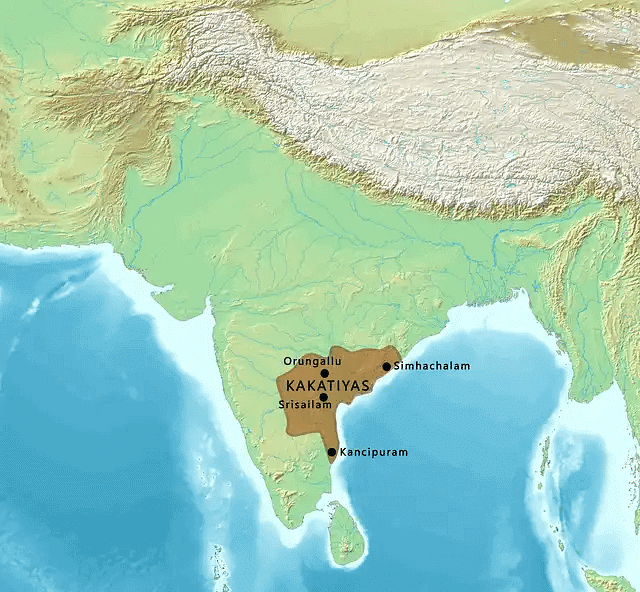 Kakatiyas Dynasty
Origins
- The origin and caste of the Kakatiyas remain a subject of debate among historians.
- Some sources suggest that they were known as Kakatiyas because they worshipped the goddess Kakati. Additionally, they were devotees of Svayambhudeva (Siva).
- The family name "Kakatiya" might have been derived from their association with a town called Kakati, where they initially ruled.
Early History
- The Kakatiyas were initially subordinates of the Rashtrakutas during the 9th and 10th centuries.
- Gundaya Rashtrakuta, a prominent figure, served as the commander of Rashtrakuta Krishna II and was rewarded with the governorship of the Korivi region for his loyal service.
- After the decline of Rashtrakuta power, the Kakatiyas became feudatories under the Western Chalukyas of Kalyani.
Independence under Rudradeva:
- Rudradeva, son of Prola II, declared independence in AD 1158, marking the beginning of Kakatiya sovereignty.
- He expanded the Kakatiya territory through conquests, establishing Warangal as the capital.
- Despite his successes, Rudradeva faced defeats in conflicts with neighboring powers like the Yadavas of Devagiri.
Successors:
- Rudradeva was succeeded by his brother Mahadeva, who ruled briefly from AD 1195 to 1198-99.
- Mahadeva's defeat by the Yadavas led to political instability, but the loyal commander-in-chief Recharla Rudra helped stabilize the kingdom.
- Ganapatideva, son of Mahadeva, ruled from AD 1199 to 1262, expanding Kakatiya territory and unifying the Telugu-speaking people.
Rudramadevi:
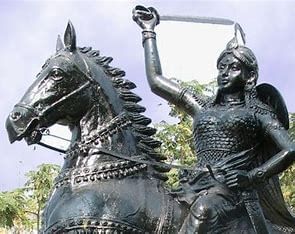 Rudramadevi
- Ganapatideva's daughter, Rudramadevi, became the first woman ruler of the Andhra region.
- She effectively ruled and repulsed Yadava attacks, but ultimately died in battle against Kayasta Ambadeva.
Prataparudradeva and Decline:
- Prataparudradeva, Rudramadevi's grandson, revived Kakatiya prestige by defeating enemies and expanding territory.
- However, the Kakatiya rule faced challenges from invading Delhi Sultans, culminating in their defeat and demise in AD 1323 under Muhammad bin Tughlak's armies.
Polity
The Kakatiya polity was structured around a monarchical system, with the Kakatiya ruler at the center of administration. However, the ruler's power was not absolute, and they were not autocrats. Instead, power was decentralized between the ruler and their subordinates, who owed allegiance to the ruler.
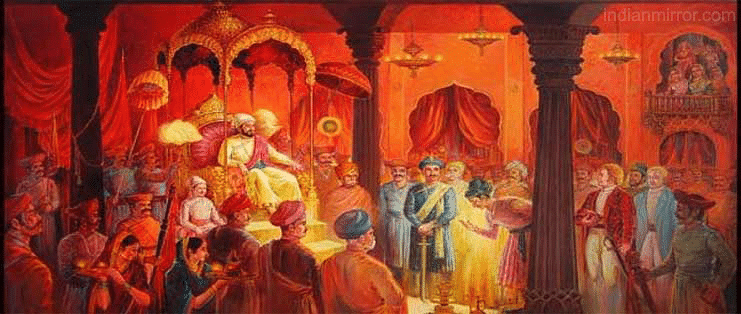 Polity
Monarchical System:
- Kakatiya rulers held central authority but were not absolute autocrats.
- Succession generally followed the law of primogeniture, except for rare instances of female rulership.
Decentralized Power:
- Power decentralized between the ruler and subordinates.
- Subordinates enjoyed freedom except in military matters, with the king monitoring their power to prevent overgrowth.
Scholarly Perspectives:
- Some scholars characterized Kakatiya polity as feudal, marked by oppression of peasantry and de-urbanization.
- Others like Cynthia Talbot saw it as a fluctuating political network with personalized rule by a warrior elite.
- Talbot suggested it closely resembled Weber’s patrimonial model of the State, with personalized authority through dependent officials.
Council of Ministers and Officers:
- Kakatiya rulers were aided by a council of ministers and officers at central, provincial, and local levels.
- Territorial divisions included Mandala, Nadu, Sthala, Seema, and Bhumi, effectively managed by loyal officials.
Military Organization:
- Kakatiya state was military-ready to counter internal and external threats.
- Military organization based on the Nayamkara system, where Nayaks were granted fiefs in exchange for maintaining armies.
- Fixed numbers of soldiers, horses, and elephants were assigned based on fiefs.
- Standing army also maintained under direct control of commanders.
Importance of Forts:
- Forts played a crucial role in military strategy.
- Various types of forts like Giridurgas, Vanadurgas, Jaladurgas, and Sthaladurgas were mentioned in epigraphs.
- Military organization enabled Kakatiyas to aggressively expand their influence from Telangana to coastal districts and beyond.
Patronage of Warrior Chiefs:
- Kakatiyas patronized warrior chiefs, promoting a martial ethos.
- Relationships between rulers and Nayaks marked by personal loyalties and service.
Society
In medieval Andhra, societal structures were influenced by traditional Varnas (Brahmin, Kshatriya, Vaisya, Sudra) but saw significant changes. While Brahmins held influential roles, rulership wasn't limited to Kshatriyas, with Sudras emerging as a new political elite. Cynthia Talbot's perspective challenges traditional views, emphasizing social fluidity and mobility rather than strict adherence to caste. Women's status, reflected in temple epigraphs, reveals nuanced dynamics. Overall, medieval Andhra society was complex, marked by diverse social foci and dynamic relationships.
Traditional View:
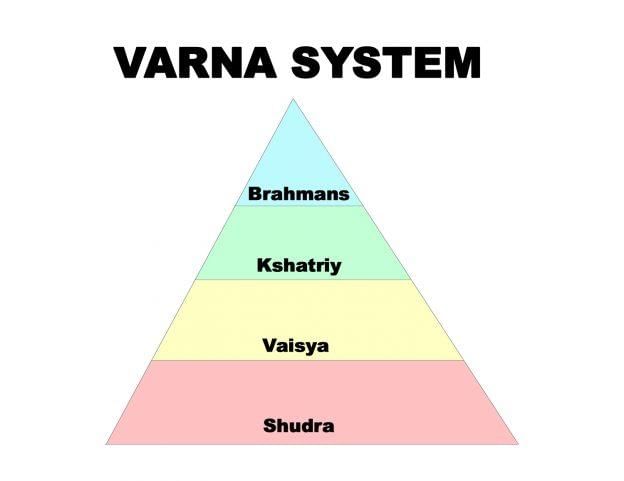
- Society perceived through Dharmasastric literature.
- Divided into four Varnas: Brahman, Kshatriya, Vaisya, and Sudra.
- Emergence of sub-castes among Brahmins based on sub-regions.
- Brahmins held positions as scholars, teachers, commanders, and ministers.
Changing Dynamics:
- Rulership not restricted to Kshatriyas; Sudras emerged as a new political elite.
- Kings upheld Brahmanical Dharma and ensured caste duties were followed.
- Brahmins believed to hold superior status in social order, dictating societal norms.
Cynthia Talbot's Perspective:
- Talbot rejects the static village and caste-based organization, citing less visibility of Varna and Jati in Kakatiya lithic records.
- Identity based on local, familial, and occupational associations highlighted.
- Clan and lineage considered more significant indicators of social status than Varna affiliation.
Social Fluidity and Mobility:
- Sudras hailed as the bravest and best among the four Varnas in Kakatiya records.
- Individual eminence, military service, and administrative ranking determined social importance.
- Social fluidity observed among non-Brahmins, with mobility indicating various social typologies.
Women's Status:
- Temple epigraphs show women adding "Saani" to their names, indicating affiliation to the temple.
- Women donated property and held rights to Stridhana.
- Temple women often daughters of respectable men, not barred from marriage.
Economy
In medieval Andhra under the Kakatiya rule, economic development flourished through agriculture and trade. Tank irrigation and temple construction were key initiatives, fostering settlement growth and regional society formation. Guilds facilitated organized trade, while ports like Motupalli played a crucial role in maritime commerce, ensuring the region's economic soundness.
Agricultural Expansion:
- Kakatiya rulers focused on agriculture despite ecological challenges.
- Tank irrigation extensively utilized to cultivate uncultivated territories.
- Tank construction incentivized through Saptasantanas, leading to the creation of numerous large tanks like Ramappa and Pakala lakes.
Temple Construction and Settlement Growth:
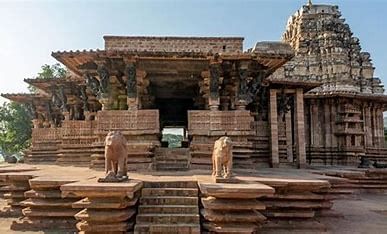 Temple Architecture
- Temple construction, often accompanied by tank construction, facilitated settlement growth.
- New temples more frequent in Telangana, leading to the cultivation of virgin land and the formation of Andhra as a regional society.
Land Classification and Revenue Collection:
- Land categorized as wet (paddy/garden) and dry (millet, sesame).
- Revenue collected by the ruler, varying from one-fourth to one-half of produce, in cash or kind.
- Heavy taxation, including grazing, property, income, profession, marriage, herd, and salt taxes, prevalent.
Guilds and Trade:
- Well-organized guilds (Srenis) facilitated trade.
- Various guilds for weavers, agriculturists, oil pressers, etc., obtained licenses for business in towns and fairs.
- Trade conducted through carts, oxen, horses, and boats along rivers Govadari and Krishna.
Encouragement of Maritime Trade:
- Kakatiyas recognized the importance of long-distance trade.
- Motupalli port mentioned in epigraphs, visited by Venetian traveler Marco Polo.
- Tariffs specified for various commodities in Motupalli and Warangal markets, indicating imports and exports.
Foundation of Economic Soundness:
- Agricultural expansion and surplus produce, combined with guild-led long-distance trade, formed the foundation of Kakatiya Andhra's sound economic position.
Religion
During the rule of the Kakatiya dynasty in medieval Andhra, religion played a significant role. Initially followers of Jainism and Buddhism, the rulers later embraced Saivism as the predominant faith. While religious patronage influenced state formation, Kakatiya rulers' contributions were relatively modest, reflecting a nuanced understanding of authority.
Jainism and Buddhism:
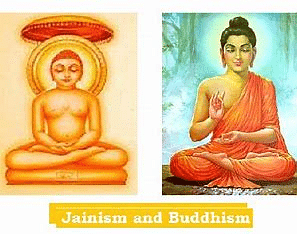
- Initially, Kakatiya rulers were followers of Jainism and supported Buddhism.
- They built the Padmakshi temple in Hanumakonda, indicating their adherence to Jainism.
- Buddhism, although present, gradually declined in influence, with Buddha being assimilated into Brahmanical practices, losing prominence.
Predominance of Saivism:
- Saivism emerged as the dominant faith in Kakatiya Andhra.
- Rulers like Beta II and Prola II were known to adhere to specific schools of Saivism, such as the Kalamukha school.
- During Ganapati Deva's reign, the Pasupata sect of Saivism gained popularity, with Visveswara Sivacharya serving as his Rajaguru.
- Additionally, a new sect of Saivism, Aradhya Saivism, emerged during this period, led by Mallikarjuna Pandita.
Role of Religious Patronage in State Formation:
- Western scholars suggest that royal patronage of religion played a crucial role in the formation and maintenance of states.
- Some argue that Brahmanical rituals legitimized royal authority, enhancing the rulers' power and status.
Limited Religious Patronage by Kakatiyas:
- Contrary to expectations, the Kakatiya rulers' religious patronage was relatively limited.
- Only 26 inscriptions document their religious gifts over 150 years, indicating modest contributions to religious causes.
- Rudradeva's contributions include the construction of the Thousand-pillared temple and laying the foundation for the new capital at Warangal.
- Ganapati Deva also built temples, including one at Motupalli, reflecting the growing importance of this area for the Kakatiyas.
Understanding of Royal Authority:
- Despite recognizing the importance of divine approval, Kakatiya rulers didn't solely rely on religious patronage for their authority.
- They understood that political interests often differed from religious ones, deviating from the traditional model of Dharmic kingship.
Culture and Literature
During the Kakatiya rule in Andhra, a vibrant cultural and artistic scene flourished. Sanskrit and Telugu literature thrived, showcasing the talents of poets like Tikkanna Somayaji and Vidyanadha. Kakatiya architecture, sculptures, and paintings reflected indigenous styles, leaving a lasting legacy in the region's cultural heritage.
Literary Activity:
Language Dominance: Sanskrit held prominence in Kakatiya Andhra, serving as the language of the educated elite. This is evident from many epigraphs of the period, which are written in the Kavya style of Sanskrit, showcasing its significance in literary endeavors.
Notable Poets: Several renowned poets flourished during the Kakatiya era, contributing significantly to Sanskrit literature. Poets like Nandi, Acchitendra Antantasuri, and Iswarasuri were instrumental in producing literary works that adorned the period's cultural landscape.
Greatest Sanskrit Poets: Among the notable figures, Vidyanadha and Jayapasenani stand out as the greatest Sanskrit poets of the Kakatiya period. Their works, such as Parataparudrayasobhushana by Vidyanadha and Nrityaratnauali, and Gitaratnavali by Jayapasenani, exemplify the literary excellence of the time.
Prominent Writers: Telugu literature also thrived during the Kakatiya rule, with notable authors leaving a lasting impact. Tikkanna Somayaji, Mantri Bhaskara, Gona Budda Reddi, Nanne Choda, Baddena, and Palkuriki Somanadha were among the prominent writers who contributed to Telugu literature.
Notable Works: Their literary creations, such as Nirvachananottarammayatn by Tikkanna Somayaji, Bhaskara Ramayana by Mantri Bhaskara, Ranganatha Ramayanam by Gona Budda Reddi, and Sumati Satakam by Baddena, enriched the literary tradition of Telugu language.
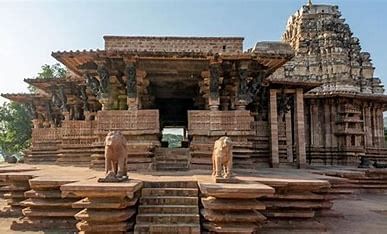 Temple Architecture
Chalukyan Inheritance: The Kakatiyas inherited architectural styles from the Chalukyan dynasty. However, they infused indigenous elements into their architectural endeavors, giving rise to a distinctive Kakatiya architectural style.
Materials Used: Kakatiya architects utilized locally available materials like granite, sandstone, bricks, and lime in their construction projects. These materials were skillfully employed in the creation of temple structures and other architectural marvels.
Distinctive Features: Kakatiya architecture is characterized by its sophistication and intricacy. The Thousand-pillared temple stands out as a landmark example of Kakatiya architectural style, showcasing their mastery in temple construction.
Kakatiya Sculptures: Sculptures during the Kakatiya period were adorned with intricate motifs and designs. Kirtimukha, a mythical creature often depicted as a grotesque face, and Nandi, the sacred bull, were commonly featured in Kakatiya sculptures.
Notable Examples: Exemplary sculptures can be found in various Kakatiya temples, including Palampet, Thousand-pillared temple, Sambhuni Gudi, Ghanapur, and Kolanupalli. These sculptures exhibit exceptional craftsmanship and artistic finesse.
Patronage to Painting: The Kakatiyas extended patronage to the art of painting, as evidenced by traces of paintings found on the ceilings of temple halls.
Examples: Temples at Ghanapur and Palampet bear testimony to the painting skills of the Kakatiyas. Additionally, defaced paintings depicting scenes like the 'Churning of the Milk Ocean' at the Namevara temple in Pillalamarri showcase the artistic endeavors of the period.
Conclusion
The Kakatiya era in Andhra witnessed a flourishing of literary, architectural, sculptural, and painting endeavors. Through their patronage of the arts and their innovative architectural styles, the Kakatiyas left an indelible mark on the cultural landscape of medieval Andhra Pradesh, setting the stage for further artistic and intellectual achievements in the region.
|
210 videos|853 docs|219 tests
|
FAQs on The Kakatiyas: Society, Economy, Polity & Culture - History for UPSC CSE
| 1. What were the major aspects of Kakatiya society during their rule? |  |
| 2. How did the economy of the Kakatiyas function? | |
| 3. What was the political structure of the Kakatiya dynasty? | |
| 4. How did the Kakatiyas contribute to the cultural development of their region? | |
| 5. What were some of the key cultural practices followed by the Kakatiyas? | |



Viva Questions
,practice quizzes
,Objective type Questions
,shortcuts and tricks
,study material
,Polity & Culture | History for UPSC CSE
,MCQs
,Exam
,The Kakatiyas: Society
,Sample Paper
,Extra Questions
,ppt
,Important questions
,Economy
,Semester Notes
,Economy
,Summary
,Economy
,video lectures
,The Kakatiyas: Society
,The Kakatiyas: Society
,Previous Year Questions with Solutions
,past year papers
,Free
,Polity & Culture | History for UPSC CSE
,Polity & Culture | History for UPSC CSE
,mock tests for examination
;



The Kakatiyas: Society, Economy, Polity & Culture Free PDF Download
Importance of The Kakatiyas: Society, Economy, Polity & Culture
The Kakatiyas: Society, Economy, Polity & Culture Notes
The Kakatiyas: Society, Economy, Polity & Culture UPSC Questions
Study The Kakatiyas: Society, Economy, Polity & Culture on the App
|
© EduRev
|
Education Revolution
|


|




within 7 days!