with EduRev
UPSC syllabus


Study Material for UPSC Syllabus






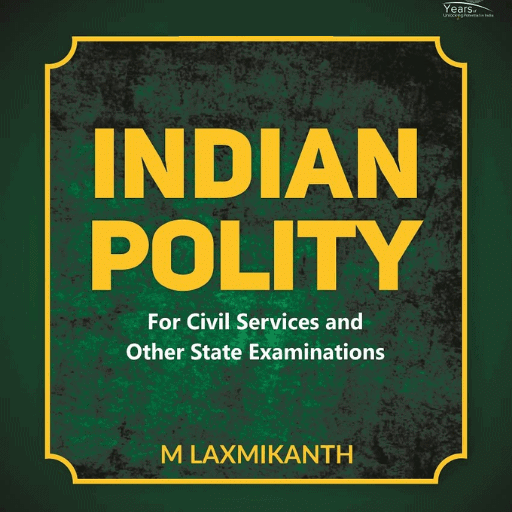















































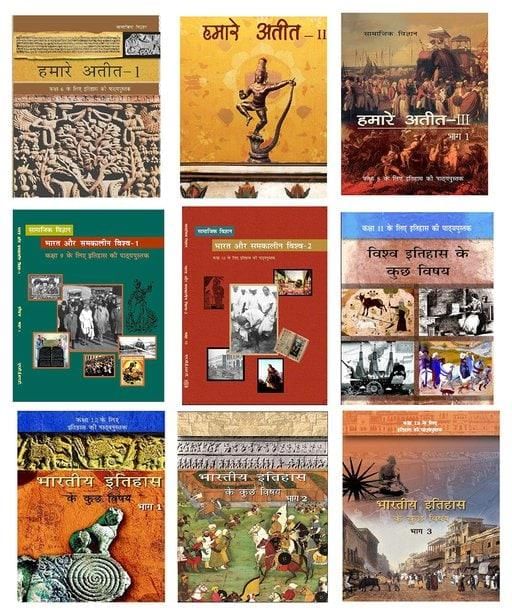





















| Why students choose EduRev for their UPSC Exam |
4.6
 (150K+ ratings)
|
 (150K+ ratings)



What is UPSC CSE Exam?
UPSC full form is Union Public Service Commission that conducts the Civil Services Examination (CSE) in India, which is also known as the IAS exam. The CSE is a competitive examination for recruitment to the IAS, IFS, and IPS among other central government services.
If you wish to gain an in-depth understanding of the UPSC Exam, it is highly encouraged that you read through this article titled "About UPSC Exam".
What is UPSC Exam Syllabus?
The UPSC Civil Services Examination (CSE) has three stages: the preliminary examination, the main examination, and the interview process.
1. Preliminary Examination: Contains two papers:
- Paper I: General Studies (GS)
- Paper II: Aptitude Test
2. UPSC Mains: The UPSC Civil Services Main Examination contains 9 papers.
3. The Interview Process: The interview process is meant to test the candidate's personality, intellect, and his/her ability to express himself/herself with clarity and composure.
Cover & Check in detail about UPSC prelims syllabus, UPSC CSAT syllabus, UPSC mains syllabus, UPSC exam pattern through this UPSC IAS Syllabus document. UPSC syllabus in hindi can be covered from here.
How to Prepare for UPSC Exam with EduRev App?
Students waste a large amount of time, effort, and money while preparing for UPSC just because of a lack of the right direction. Here is a list of things that EduRev App provides and that actually matter for your UPSC IAS preparation.
1. UPSC/ IAS NCERT Textbooks: Summaries, Videos & More
2. Subject-wise UPSC/IAS Notes, Videos, UPSC/IAS Topic-Wise Tests
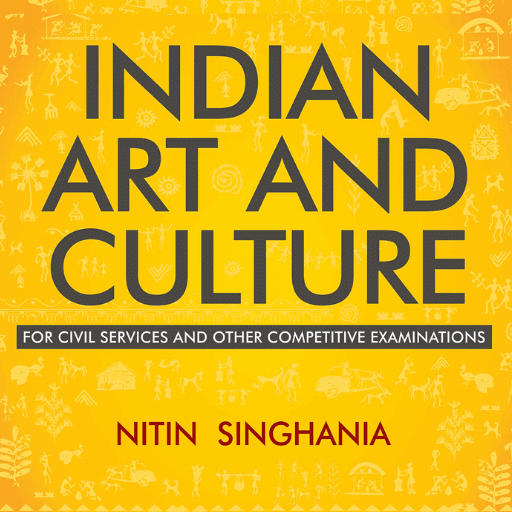
3. UPSC/IAS Books Summaries & Tests: Nitin Singhania, Spectrum, Laxmikanth & More
4. UPSC/ IAS Daily Current Affairs & News Analysis
5. UPSC Previous Year Question Papers, & PYQs
6. UPSC/IAS Test Series: Mock Tests
7. UPSC Mains Courses
8. UPSC Interviews, Tips by Toppers & Topper's Answer Sheets
9. How to Prepare for UPSC
Important Links for UPSC | |
Frequently Asked Questions (FAQs) for UPSC CSE
Q.1. Where study material is best for UPSC?
- EduRev Infinity Package for UPSC has the best UPSC/IAS Study material which includes everything that matters and will help you crack the UPSC Exam.
- The UPSC courses are designed to provide you with a clear understanding and conceptual clarity of the entire syllabus.
- UPSC/IAS Topic wise Tests, IAS previous year papers, UPSC CSAT preparation material, UPSC/IAS Practice quizzes, and many other things are included in EduRev Infinity Package for UPSC.
Q.2. How can I prepare for UPSC at home?
Here are some steps you can take for UPSC Civil Services IAS preparation at home:
- Understand the UPSC Syllabus and exam pattern thoroughly.
- Create a Study Schedule and stick to it.
- Read Newspapers and Current Affairs regularly to stay updated on current events.
- Use resources such as IAS/UPSC Prelims Mock Tests and UPSC Previous Year Question Papers to practice and test your knowledge.
- Read Books and Materials recommended for UPSC preparation.
- Take breaks and take care of your physical and mental well-being to avoid burnout.
Q.3. Can I crack UPSC by self-study?
Yes, it is possible to crack UPSC through self-study, but it requires discipline, consistency, and dedication. It is important to understand the UPSC syllabus, exam pattern, and current events. Practice with mock tests and previous year question papers, read standard books and materials, and stay motivated. Self-study can be challenging, but it is achievable with the right approach.
Q.4. Is 1 year enough for UPSC IAS preparation?
It depends on an individual's level of preparedness, dedication, and study habits, but in general, 1 year is considered to be a tight schedule to prepare for the UPSC IAS exam. It requires extensive effort and time management to cover the vast syllabus in a short period of time. It is important to have a clear strategy and focus on your weaker areas, in addition to consistent and dedicated effort, to achieve success.
Q.5. From where to get UPSC/IAS Mains/Prelims Solved Papers?
You can get the previous year's UPSC/IAS Mains/Prelims Solved Papers at EduRev App. Step by Step solutions are provided to each and every question in order to make sure that you get a better understanding after going through them.

One subscription to unlock all
UPSC Courses
View Pricing Plans
Starting @ $1 per month
|
|


UPSC Exam preparation at EduRev
1. UPSC exam: The UPSC exam, also known as the Union Public Service Commission exam, is a highly competitive examination conducted by the UPSC to recruit candidates for various civil service positions in the Indian government. It is considered one of India's toughest exams and requires rigorous preparation and dedication to crack.
2. UPSC syllabus: The UPSC syllabus outlines the subjects and topics that candidates need to study for the UPSC exam. It covers a wide range of subjects including history, geography, polity, economy, science and technology, environment, and current affairs. It is essential for aspirants to have a thorough understanding of the syllabus to plan their preparation strategy effectively.
3. UPSC preparation: UPSC preparation requires a disciplined approach and consistent effort. Candidates need to cover the entire UPSC syllabus, revise regularly, and practice solving previous year papers and mock tests. It is advisable to refer to standard books, newspapers, magazines, and online resources to gather relevant study material and stay updated with current affairs.
4. UPSC online classes: With the advancement of technology, UPSC online classes have become popular among aspirants. These classes provide flexibility and convenience as candidates can access lectures and study materials from anywhere at any time. Online classes also offer interactive sessions, doubt-solving sessions, and mock tests to enhance the learning experience.
5. UPSC eligibility: To appear for the UPSC exam, candidates need to fulfill certain eligibility criteria. They must be Indian citizens, hold a bachelor's degree from a recognized university, and meet certain age limits. There are also specific relaxations in age limits and educational qualifications for candidates belonging to certain categories.
6. UPSC notification: The UPSC releases notifications to announce the dates, eligibility criteria, and application process for the UPSC exam. These notifications are published on the official UPSC website and in leading newspapers. Aspirants need to regularly check the UPSC website and stay updated with the notifications to avoid missing any important information.
7. UPSC study material: The availability of good study material is crucial for UPSC preparation. Candidates can refer to standard books recommended by experts, UPSC-specific study materials, online resources, and current affairs magazines. It is important to choose reliable sources and focus on understanding concepts rather than just memorizing facts.
8. UPSC previous year papers: Solving UPSC previous year papers is an integral part of the preparation process. It helps candidates understand the exam pattern, the type of questions asked, and the time management required. By practicing previous year papers, aspirants can assess their strengths and weaknesses and work on improving their performance.
9. UPSC coaching institutes: Many aspirants join UPSC coaching institutes to get guidance and expert support for their preparation. These institutes provide structured study plans, experienced faculty, regular mock tests, and personalized feedback. However, joining a coaching institute is a personal choice, and self-study can also be effective with proper discipline and dedication.
10. UPSC current affairs: Current affairs play a significant role in the UPSC exam. Candidates need to stay updated with national and international news, government policies, social issues, and scientific advancements. Reading newspapers, following news magazines, and watching news debates can help aspirants gather relevant information for the exam.
11. UPSC interview: The UPSC interview, also known as the Personality Test, is the final stage of the selection process. It assesses the candidate's personality, communication skills, and overall suitability for the civil services. Candidates are expected to be well-prepared and confident during the interview and should have a good understanding of current affairs and their optional subjects.
12. UPSC books: Choosing the right books is essential for UPSC preparation. There are numerous books available in the market for each subject, but aspirants should focus on quality rather than quantity. Referring to standard books recommended by experts and UPSC toppers can provide a strong foundation for the exam.
13. UPSC result: The UPSC result determines the success of candidates in the exam. It is declared in stages, starting with the preliminary exam result, followed by the mains exam result, and finally, the final result. Candidates can check their results on the UPSC website and are notified individually through email or post.
14. UPSC cut off: The UPSC cut off marks are the minimum marks required to qualify for the next stage of the exam. The cut off marks vary every year and are determined based on factors like the number of vacancies, the difficulty level of the exam, and the overall performance of candidates. Aspirants need to score above the cut off marks to move to the next stage.
15. UPSC exam pattern: Understanding the UPSC exam pattern is crucial for effective preparation. The exam consists of three stages - the preliminary exam (objective type), the mains exam (descriptive type), and the interview. Each stage has a different weightage, and candidates need to be familiar with the pattern, marking scheme, and time management strategies to perform well in the exam.
UPSC Exam Pattern 2025-2026
UPSC Syllabus 2025-2026 PDF Download
UPSC Books
UPSC Study Material and Notes PDF Download
UPSC Previous Year Papers
Important Questions for UPSC
|
© EduRev
|
Education Revolution
|


|






