Worksheet: Plant Life - 1

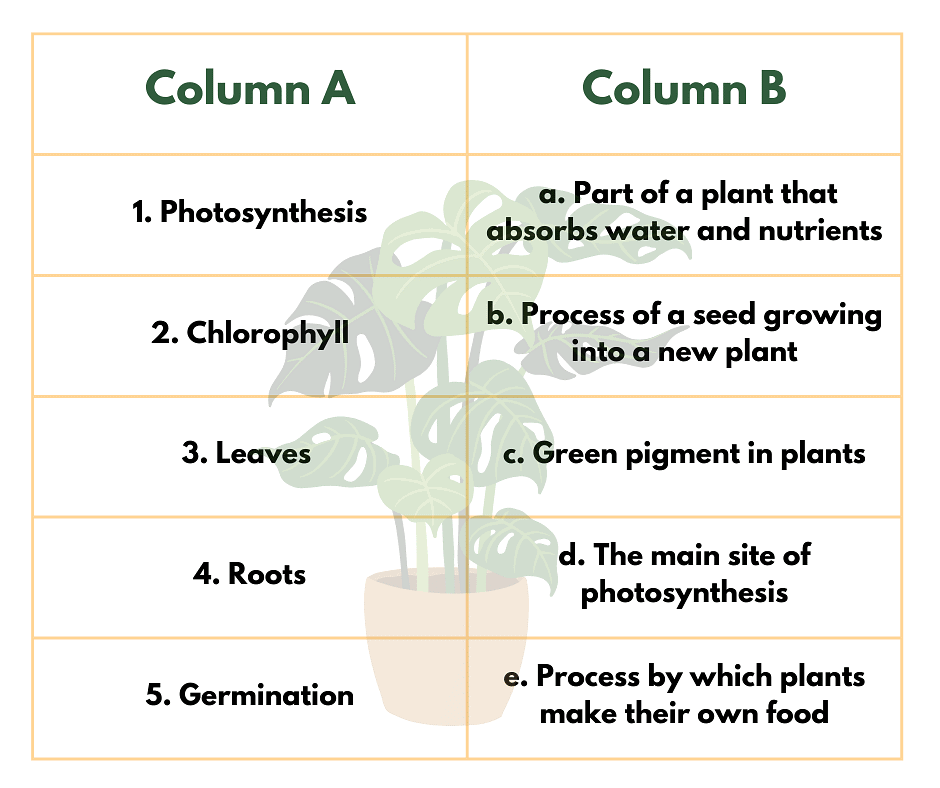
Q1: Match the following
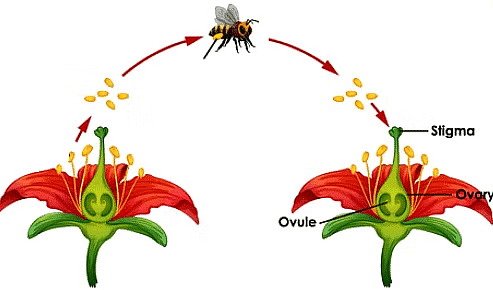
Q2: Which process is being shown in the picture?
Q3: Multiple Choice Questions (MCQs).
(i) What is the process by which plants make their own food?
(a) Respiration
(b) Digestion
(c) Photosynthesis
(d) Transpiration
(ii) What are the tiny openings on the surface of leaves called?
(a) Stomata
(b) Chlorophyll
(c) Veins
(d) Roots
(iii) Which part of the plant absorbs water and nutrients from the soil?
(a) Leaves
(b) Stems
(c) Roots
(d) Flowers
(iv) Which part of the plant is responsible for reproduction?
(a) Leaves
(b) Stems
(c) Roots
(d) Flowers
(v) What is the main function of the stem in a plant?
(a) Absorb water and nutrients
(b) Support the plant and transport water and nutrients
(c) Reproduction
(d) Photosynthesis
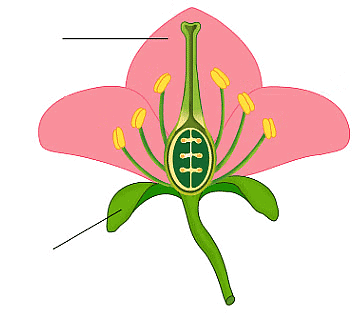
Q4: Name the parts of the flower marked.
Q5: Fill in the blanks
(i) Plants make their own food through a process called ___________.
(ii) The green pigment in plants that helps them make food is called ___________.
(iii) The main parts of a plant are roots, stem, ___________, and flowers.
(iv) The process of a seed growing into a new plant is called ___________.
(v) ___ helps a plant to reproduce.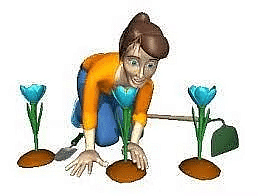
Q6: True or False.
(i) All plants have flowers.
(ii) Plants take in carbon dioxide and release oxygen during photosynthesis.
(iii) The stem is the part of the plant that transports water and nutrients.
(iv) Germination occurs only in the presence of sunlight.
(v) Leaves are not necessary for photosynthesis.
(vi) Seeds which are very light with hair or wings on them are easily dispersed by explosion.
(vii) Nature has its own way of dispersal of seeds.
(viii) Soil plays an important role in the plant growth.
(ix) A baby plant absorbs nutrients and minerals from the soil with the help of its stem.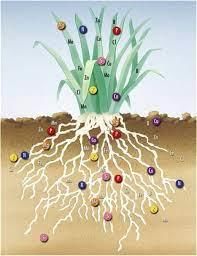
(x) A baby plant absorbs nutrients and minerals from the soil with the help of its root.
Q7: Short Answer Questions.
(i) What are the main parts of a plant? List them.
(ii) What are the functions of leaves in a plant?
(iii) What are the two types of roots? Give an example of each.
(iv) What is the role of chlorophyll in photosynthesis?
(v) What are the three main factors that affect the process of photosynthesis?
You can find Worksheets Solutions here: Worksheet Solutions: Plant Life - 1
FAQs on Worksheet: Plant Life - 1
| 1. What are the main parts of a plant and what does each part do? |  |
| 2. How do plants make their own food using sunlight? | |
| 3. What's the difference between roots and stems, and why does a plant need both? | |
| 4. Why do some plants have flowers and others don't, and what do flowers actually do? | |
| 5. How can you tell if a plant is healthy, and what signs show a plant is dying? | |