Worksheet Solutions: Adjectives - 1 | Worksheets with Solutions for Class 5 PDF Download

Q1: Underline The Adjective In The Following Sentences.
(i) Lotus is a beautiful flower. (ii) The teacher told us an interesting story.
(ii) Mumbai is a large city.
(iv) The elephant is the largest animal on land.
(v) Ravi is an honest boy.
(vi) Raveena is a clever girl.
(vii) He does not have much patience.
(viii) I have bought some apples. (ix) There has been sufficient rain this year.
(x) There are several mistakes in this essay.
(xi) Mr. Ramesh is an old man.
(xii) You are wearing a beautiful dress.
(xiii) The mangoes are sweet.
(ix) Sunil has a new pen.
(x) I have two pencils.
Ans:
(i) Lotus is a beautiful flower.
(ii) The teacher told us an interesting story.
(ii) Mumbai is a large city.
(iv) The elephant is the largest animal on land.
(v) Ravi is an honest boy.
(vi) Raveena is a clever girl.
(vii) He does not have much patience.
(viii) I have bought some apples.
(ix) There has been sufficient rain this year.
(x) There are several mistakes in this essay.
(xi) Mr. Ramesh is an old man.
(xii) You are wearing a beautiful dress.
(xiii) The mangoes are sweet.
(ix) Sunil has a new pen.
(x) I have two pencils.
Q2: Underline The Adjective In The Following Sentences And Mention Which Kind Of Adjective Each Of These Is.
(i) Few men are free from faults.
(ii) Little hearing is a dangerous thing.
(iii) He was a man of few words and great deeds.
(iv) He is a stupid boy and has little sense.
(v) The old man carries a heavy bag.
(vi) The young man died a glorious death.
(vii) A living ass is better than a dead lion.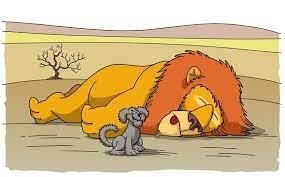 (viii) Her brother failed the exam.
(ix) Who gave you this book?
(x) Anita got five pencils.
Ans:
(i) Few men are free from faults.
Few – Numeral adjective.
(ii) Little hearing is a dangerous thing.
Little – Numeral indefinite adjective.
Dangerous – Quality adjective.
(iii) He was a man of few words and great deeds.
Few – Numeral Indefinite adjective.
Great – Quality adjective.
(iv) He is a stupid boy and has little sense.
Stupid – Quality adjective.
Little – Numeral Indefinite adjective.
(v) The old man carries a heavy bag.
Old – Quality adjective.
Heavy – Quality adjective.
(vi) That young man died a glorious death.
That – Demonstrative adjective.
Glorious – Quality adjective.
(vii) A living ass is better than a dead lion.
Living – Quality adjective.
Dead – Quality adjective.
(viii) Her brother failed the exam.
Her – Possessive adjective.
(ix) Who gave you this book?
This – Demonstrative adjective
(x) Anita got five pencils.
Five – Adjective of number.
Q3: Write One Word For The Following Sentences. Choose The Answer From The table Below.
 (i) ________prize was won by Indian in the Olympics.
(ii) ________ animals kill other animals.
(iii) We should not wear ________ clothes.
(iv) I don’t like ________ boys.
(v) Delhi is a ________ city.
(vi) The Doctor wears ________ coat. Ans:
Ans:
(i) first
(ii) Some
(iii) tight
(iv) irritating
(v) metro
(vi) white
Q4: Read The Following Sentences And Underline The Adjective. Also, State What Word Each Adjective Modifies.
(i) Ramesh is the tallest boy in the class.
Ans: The adjective tallest modifies the noun boy.
(ii) Gold is a precious metal.
Ans: The adjective precious modifies the noun metal.
(iii) Alice is my best friend.
Ans: The adjective best modifies the noun friend.
(iv) She was wearing a blue shirt.
Ans: The adjective blue modifies the noun shirt.
(v) I bought six eggs.
Ans: The adjective six modifies the noun eggs.
(vi) My brother has a cute daughter.
Ans: The adjective cute modifies the noun daughter.
(vii) I had a strange experience yesterday.
Ans: The adjective strange modifies the noun experience.
Q5: Fill In The Blanks With Suitable Adjectives From Brackets.
(i) That was ________ book you sent me. (a fine/ an interesting)
(ii) Mr. Sharma is a ________ hostess. (perfectly lovely/ charming)
(iii) James thinks he is ________ (clever/ cute)
(iv) That was a ________ remark Rohan made. (funny/ peculiar)
(v) The packet is very ________ (heavy/ young).
(vi) Delhi is a ________ city. (round/ big).
(vii) Respecting elders is a ________ habit. (good/ bad).
(viii) The giraffe has a ________ neck. (long/ short).
(ix) When it rains, the road gets ________ (dry/ muddy).
(x) The table is ________ (dirty/ muddy).
Ans:
(i) That was an interesting book you sent me. (a fine/ an interesting)
(ii) Mrs. Sharma is a charming hostess. (perfectly lovely/ charming)
(iii) James thinks he’s clever. (clever/ cute)
(iv) That was a peculiar remark Rohan made. (funny/ peculiar)
(v) The packet is very heavy. (heavy/young).
(vi) Delhi is a big city. (round/big).
(vii) Respecting elders is a good habit. (good/bad).
(viii) The giraffe has a long neck. (long/short).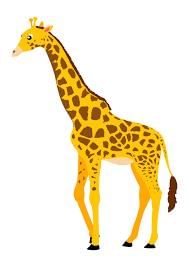 (ix) When it rains, the road gets muddy. (dry/muddy).
(x) The table is dirty. (dirty/muddy).




video lectures
,past year papers
,Free
,Previous Year Questions with Solutions
,Extra Questions
,ppt
,MCQs
,Summary
,Semester Notes
,Viva Questions
,mock tests for examination
,Sample Paper
,Exam
,shortcuts and tricks
,Important questions
,Objective type Questions
,Worksheet Solutions: Adjectives - 1 | Worksheets with Solutions for Class 5
,Worksheet Solutions: Adjectives - 1 | Worksheets with Solutions for Class 5
,study material
,practice quizzes
,Worksheet Solutions: Adjectives - 1 | Worksheets with Solutions for Class 5
;



Worksheet Solutions: Adjectives - 1 Free PDF Download
Importance of Worksheet Solutions: Adjectives - 1
Worksheet Solutions: Adjectives - 1 Notes
Worksheet Solutions: Adjectives - 1 Class 5 Questions
Study Worksheet Solutions: Adjectives - 1 on the App
|
© EduRev
|
Education Revolution
|


|




within 7 days!