Class 2 Plants Around Us - CBSE Worksheets- 2 Solutions

Q1: Multiple Choice Questions (MCQs)
(i) What is the main job of a plant's roots?
(a) Make food
(b) Hold the plant in the soil
(c) Attract bees
(d) Store water
Ans: (b)
The main job of a plant's roots is to anchor the plant in the soil and absorb water and nutrients from the soil. While roots play an essential role in nutrient absorption, their primary function is to provide stability and support to the plant.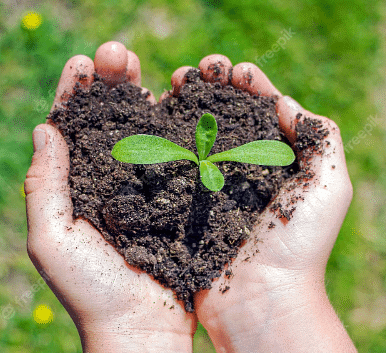 (ii) Which part of a plant can you eat, like carrots or potatoes?
(a) Leaves
(b) Flowers
(c) Roots
(d) Stems
Ans: (c)
Plants like carrots and potatoes store food in their roots, which are edible. These roots are rich in nutrients and can be harvested and eaten as vegetables.
(iii) What part of a plant helps in making seeds?
(a) Leaves
(b) Flowers
(c) Stems
(d) Roots
Ans: (b)
Flowers are the reproductive part of a plant. They contain the necessary structures for the plant to produce seeds, which can grow into new plants. Pollination and fertilization take place in the flowers, leading to seed formation.
(iv) Which part of the plant is often used to make paper?
(a) Leaves
(b) Flowers
(c) Stems
(d) Roots
Ans: (a)
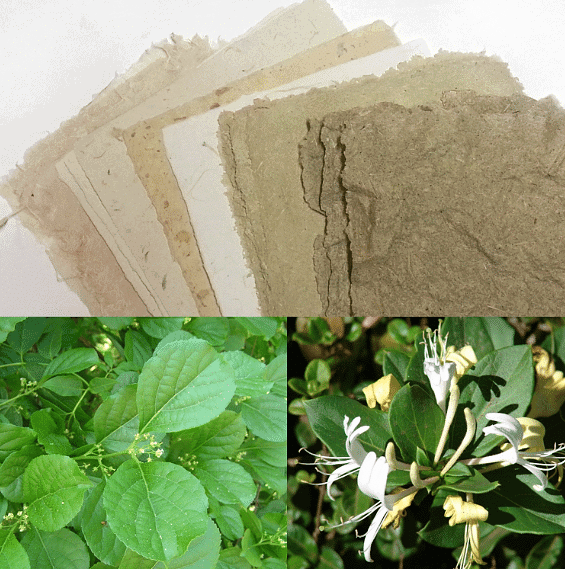
Leaves, especially those from certain trees like the paperbark tree, can be used to make paper. The cellulose fibers in leaves are processed to create paper products.
 (v) What do you call the tiny baby plant inside a seed?
(a) Bud
(b) Leaflet
(c) Sprout
(d) Stemlet
Ans: (c)
The tiny baby plant that emerges from a seed when it begins to grow is called a sprout. It is the early stage of a new plant's growth and will develop into a mature plant under the right conditions.
Q2: Fill in the Blanks
(i) Plants need ________ to make their own food.
Ans: sunlight
(ii) The part of a plant that holds it in the soil is called ________.
Ans: roots
(iii) Flowers come in many ________ and colors.
Ans: shapes
(iv) A small plant that grows from a seed is called a ________.
Ans: sprout
(v) We use a ________ to dig the soil in our garden.
Ans: shovel
Q3: Short Question Answer
(i) What is photosynthesis, and why is it important for plants?
Ans: Photosynthesis is the process by which plants make their own food using sunlight, carbon dioxide, and water. It's important because it provides the energy and nutrients that plants need to grow and survive.
(ii) Name one way in which plants are useful to humans.
Ans: Plants provide us with food, such as fruits and vegetables.
(iii) How do you take care of a potted plant at home?
Ans: You should water it regularly, keep it in a place with enough sunlight, and make sure the soil is not too dry or too wet.
(iv) What do you call the tiny plant that comes out of a seed when it starts to grow?
Ans: The tiny plant that comes out of a seed is called a sprout.
(v) Why do some plants have colorful flowers?
Ans: Some plants have colorful flowers to attract insects and birds for pollination.
|
1 videos|494 docs
|




mock tests for examination
,MCQs
,study material
,Extra Questions
,past year papers
,Class 2 Plants Around Us - CBSE Worksheets- 2 Solutions
,video lectures
,shortcuts and tricks
,practice quizzes
,Class 2 Plants Around Us - CBSE Worksheets- 2 Solutions
,Sample Paper
,ppt
,Class 2 Plants Around Us - CBSE Worksheets- 2 Solutions
,Summary
,Free
,Viva Questions
,Semester Notes
,Objective type Questions
,Previous Year Questions with Solutions
,Exam
,Important questions
;



Worksheet Solutions: Plants Around Us - 2 Free PDF Download
Importance of Worksheet Solutions: Plants Around Us - 2
Worksheet Solutions: Plants Around Us - 2 Notes
Worksheet Solutions: Plants Around Us - 2 Class 2 Questions
Study Worksheet Solutions: Plants Around Us - 2 on the App
|
© EduRev
|
Education Revolution
|


|




