Shankar IAS Summary: Aquatic Ecosystem- 2


Government measures to protect mangrove forests and coral reefs
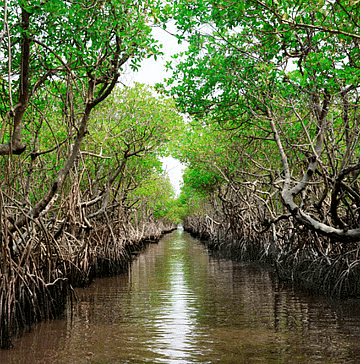
The government seeks to protect, sustain and augment mangroves and coral reefs through a combination of regulatory and promotional measures.
Under regulatory measures, the Coastal Regulation Zone (CRZ) Notification, 2011 and the Island Protection Zone (IPZ) Notification, 2011 govern development activities along the sea coast and tidal-influenced water bodies.
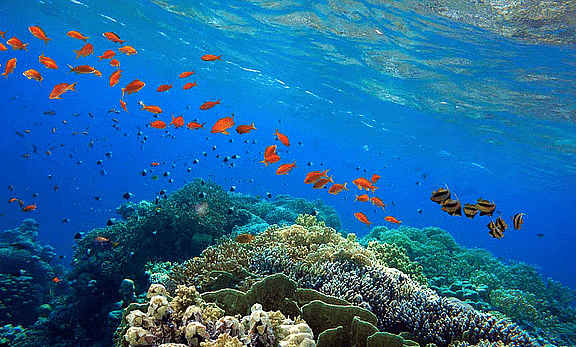
Mangrove and coral reef areas are classified as ecologically sensitive (CRZ-I) where no new constructions are permitted, except for specified projects related to the Department of Atomic Energy, pipelines and other conveying systems, installation of weather radar for cyclone monitoring by the Indian Meteorological Department, and construction of trans-harbour sea links provided tidal flow is not affected.
To implement the CRZ and IPZ notifications, the Ministry of Environment, Forest and Climate Change has constituted the National and State/UT Coastal Zone Management Authorities.
The Ministry provides financial assistance to coastal States/Union Territories under a centrally sponsored scheme for conservation and management of mangroves and coral reefs, on request.
Coral reefs are included in Schedule I of the Wild Life (Protection) Act, 1972, affording them high protection.
Protected marine areas have been created under the Wild Life (Protection) Act, 1972 - these include several National Parks, numerous Sanctuaries and Marine Biosphere Reserves dedicated to conserving marine life including coral ecosystems.
The Wildlife Crime Control Bureau strengthens enforcement to control poaching and illegal trade in wildlife and related products.
Coastal Regulation Zone (CRZ)
The CRZ Notification was initially issued in 1991 to protect the coastal zone and regulate development activities along the coast.
The notification was reissued and revised, notably as the CRZ Notification, 2011, and subsequently amended by the CRZ Notification, 2018, to reflect evolving coastal management needs and stakeholder concerns.
The CRZ classification divides the coast into specific zones to guide permitted and prohibited activities.
CRZ-I (Ecologically sensitive areas)
CRZ-I pertains to areas with geomorphological and ecological features crucial to the integrity of the coast.
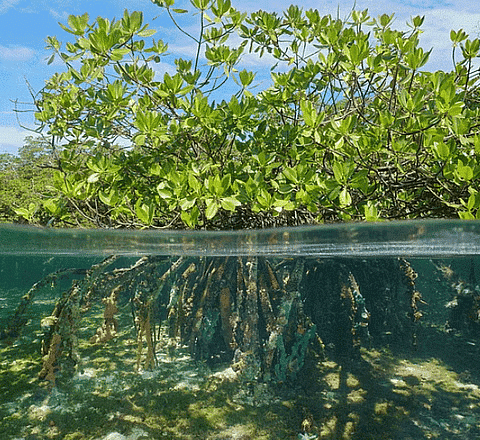
- Mangroves - a buffer of 50 m is required where mangrove patches exceed 1,000 m².
- Corals, coral reefs and associated biodiversity.
- Sand dunes and biologically active mudflats.
- Areas under National Parks, Marine Parks, Sanctuaries, reserve forests and other protected areas under the Wild Life (Protection) Act, 1972, the Forest (Conservation) Act, 1980 or the Environment (Protection) Act, 1986, including Biosphere Reserves.
- Salt marshes, turtle nesting grounds, horseshoe crab habitats, seagrass beds and important bird nesting grounds.
- Areas or structures of archaeological importance and recognised heritage sites.
CRZ-II
- Refers to areas that are already developed up to or close to the shoreline.
- Includes regions within municipal limits and urban localities.
CRZ-III
- Encompasses relatively undisturbed rural and urban areas not falling under CRZ-I or CRZ-II.
- Includes regions that are not substantially developed and where development is regulated to protect the coastal environment.
CRZ-IV
- Pertains to the aquatic area from the low tide line up to the territorial limits (including tidal-influenced water bodies).
- Includes estuaries, creeks and the water body areas where fishing and marine activities occur.
Significant provisions in the Coastal Regulation Zone Notification, 2011 include:
- The entire water area up to 12 nautical miles from the baseline and the entire water area of tidal water bodies (creek, river, estuary) are covered under the Notification.
- Introduction of the hazard line to safeguard livelihood and property of coastal communities; the hazard line is demarcated by the offices of the Survey of India.
- Special dispensation for Greater Mumbai, Kerala, Goa and critically vulnerable coastal areas such as the Sundarbans, to address region-specific environmental and social issues.
- Measures to address coastal erosion caused by man-made interventions, including mapping shoreline erosion using satellite imagery and classifying stretches as high eroding, medium eroding and low or stable. Foreshore development is restricted in high-eroding stretches.
- To accommodate housing needs of traditional coastal communities, the No Development Zone (NDZ) measured from the High Tide Line (HTL) can be reduced in specified circumstances (for example in some cases from 200 m to 100 m) subject to safeguards.
Activities permitted and restricted in CRZ
CRZ-I
- No new construction is generally allowed except for specified projects of national importance (for example projects of the Department of Atomic Energy, certain pipelines and conveying systems, weather radars for cyclone monitoring, and trans-harbour sea links) that do not affect tidal flow.
- Between the Low Tide Line (LTL) and the High Tide Line (HTL), some activities such as natural gas exploration, essential facility construction and salt harvesting may be permitted subject to environmental safeguards and clearances.
CRZ-II
- Buildings and redevelopment are permissible on the landward side of existing authorised roads, structures or hazard lines.
- Permissible activities include infrastructure such as desalination plants and storage of non-hazardous cargo, subject to environmental norms and clearances.
CRZ-III
- Provisions have been updated under the CRZ Notification, 2018 to differentiate densely populated rural areas and allow management consistent with community needs and conservation requirements.
CRZ-IV
- No restriction on traditional fishing and fishing practices, but emphasis is on proper sewage treatment, pollution control and prohibition of dumping untreated waste into tidal waters.
CRZ Notification, 2018
- A committee headed by Dr Shailesh Nayak (Secretary, Ministry of Earth Sciences) was constituted in June 2014 to examine coastal concerns and recommend changes to the CRZ Notification, 2011. Recommendations informed the CRZ Notification, 2018.
- The CRZ Notification, 2018 aims to balance economic growth and conservation, address aspirations of coastal communities, provide opportunities for affordable housing and promote sustainable tourism while safeguarding sensitive ecosystems.
Salient features
Urban development and FSI/FAR: In CRZ-II (urban) areas, Floor Space Index (FSI) or Floor Area Ratio (FAR) may be allowed based on prevailing norms for redevelopment projects.
Differentiation in rural CRZ-III: CRZ-III is subdivided to address population density - CRZ-III A (higher density) and CRZ-III B (lower density). The No Development Zone (NDZ) was rationalised for these subcategories (for instance, NDZ reduced to 50 m for certain CRZ-III A areas while remaining larger for CRZ-III B), with safeguards.
Promotion of tourism infrastructure: Temporary tourism facilities on beaches and in NDZ of CRZ-III areas are permitted with a minimum setback of 10 m from the HTL for such facilities.
Streamlined clearances: CRZ clearances are streamlined. Projects in CRZ-I and CRZ-IV are generally dealt with by the Ministry of Environment, Forest and Climate Change.
Island NDZ stipulation: A standard NDZ of 20 m was specified for islands close to the mainland coast and backwater islands, with scope for site-specific management plans.
Ecologically sensitive areas: The notification provides guidelines for conservation and preparation of management plans for all identified ecologically sensitive areas.
Pollution abatement: Pollution control measures and treatment facilities were emphasised, with permissible activities in CRZ-II subject to safeguards.
Defence and strategic projects: Defence and strategic projects were accorded special dispensation where national security considerations apply.
Coastal ecosystems and monitoring programmes
Coastal Ocean Monitoring and Prediction System (COMAPS)
Implemented since 1991, COMAPS assesses the health of coastal waters and monitors pollution and related issues.
The programme was restructured around 2000-2001 to strengthen pollution monitoring, liaison, regulation, legislation and consultancy services.
Land-Ocean Interactions in the Coastal Zone (LOICZ)
Launched in 1995, LOICZ investigates impacts of global change on coastal zones and promotes integrated management of coastal environments.
Integrated Coastal and Marine Area Management (ICMAM)
Launched in 1998, ICMAM aims at integrated management of coastal and marine areas, and model plans were prepared for regions including Chennai, Goa and the Gulf of Kutch.
Institutions for coastal management
National Coastal Zone Management Authority (NCZMA) and State Coastal Zone Management Authorities (SCZMAs) were established to implement CRZ regulations and management plans.
These authorities are delegated powers under Section 5 of the Environment (Protection) Act, 1986 for regulatory action.
Integrated Coastal Zone Management (ICZM) and SICOM
The concept of ICZM was introduced globally in 1992 for coordinated coastal management; India adopted ICZM principles for harmonised coastal planning.
The Society of Integrated Coastal Management (SICOM), established in 2010, serves as a technical secretariat to NCZMA, assists in CRZ classification and supports pilot initiatives such as the Blue Flag beach programme.
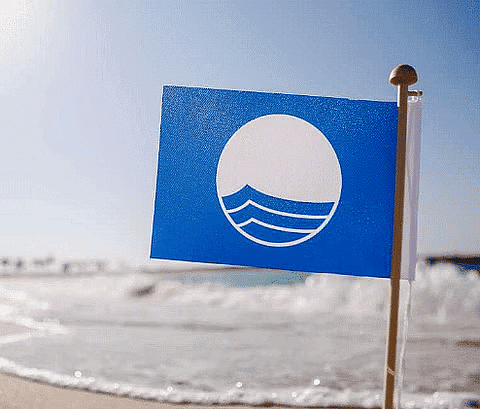
'Blue Flag' certification
The 'Blue Flag' certification is a voluntary eco-label awarded to beaches, marinas and sustainable boating tourism operators that meet stringent environmental and safety criteria.
Administered by the non-profit Foundation for Environmental Education (FEE), Denmark, the programme requires compliance with 33 criteria covering water quality, environmental management, environmental education and safety.
Initiated in 1985, the programme expanded beyond Europe in 2001 and now covers both freshwater and marine sites.
Blue Flag awardees may display the Blue Flag to indicate commitment to environmental excellence; participation is limited to FEE member countries.
Globally, multiple countries and over a thousand beaches, marinas and boats hold the Blue Flag; the programme promotes standards for sustainable coastal tourism.
Notable Blue Flag certified beaches in India include Kappad, Shivrajpur, Ghoghla, Kasarkod, Padubidri, Rushikonda, Golden Beach, Radhanagar, Kovalam, Eden, Minicoy Thundi and Kadmat.
Permitted activities in CRZ of beaches, including islands, for the purpose of achieving Blue Flag standards include installation of portable toilet blocks, solar power plants, seating benches and other basic amenities respecting a minimum setback of 10 m from the HTL.
These sanctioned activities may be exempt from prior clearance under the CRZ and Island Protection notifications when they are essential for Blue Flag certification and follow prescribed safeguards.
Island Protection Zone (IPZ) Notification, 2011
There are roughly 500 islands in the Andaman & Nicobar archipelago and about 30 islands in Lakshadweep, many of which are biodiversity hotspots; Andaman & Nicobar islands have very high forest cover (reported as approximately 85%).
Geographical constraints and the unique ecology of islands necessitate specific management, resulting in the Island Protection Zone (IPZ) Notification, 2011 to manage islands beyond overlapping CRZ regulations.
The IPZ Notification aims to manage the entire island territory (with a few specified exceptions) through planning and regulatory measures suited to island ecosystems.
Objectives of the IPZ Notification:
- Ensure livelihood security for coastal fishing communities, tribal populations and local inhabitants.
- Conserve and protect coastal stretches and island ecosystems.
- Promote sustainable development of island regions based on scientific principles.
- Consider risks of natural hazards and possible sea-level rise due to climate change in planning and management.
Ganga conservation efforts
Ganga Action Plan
Launched on 14 January 1986, the Ganga Action Plan focused on pollution abatement to improve water quality of the river. It emphasised interception, diversion and treatment of domestic sewage and control of industrial discharges from heavily polluting units.
To reassess and scale up river cleaning efforts, the Mission Clean Ganga (a later central initiative) was introduced on 31 December 2009, with an allocation reported around Rs. 15,000 crore to ensure municipal sewage and industrial waste would not be discharged into the river without treatment by a target year.
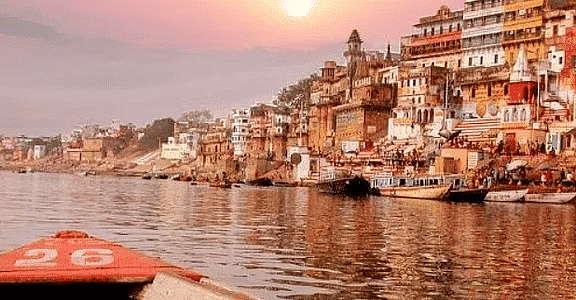
The National Ganga River Basin Authority (NGRBA) was constituted (chaired by the Prime Minister) to adopt a river basin approach for comprehensive planning and management of the Ganga, aimed at effective pollution abatement and conservation.
Namami Gange Programme
Namami Gange is an integrated Ganga conservation mission consolidating earlier efforts and implementing comprehensive measures for rejuvenation.
Financial allocations and specific project funds have been announced under the programme; for the current context the document notes an allocation of Rs. 2,037 crore for conservation and enhancement activities, plus an additional Rs. 100 crore for ghats and riverfront development at priority locations such as Kedarnath, Haridwar, Kanpur, Varanasi, Allahabad (Prayagraj), Patna and Delhi.
The programme consolidates existing initiatives and prepares action plans for sewage infrastructure, riverfront development, public participation and biodiversity conservation.
Efforts at ghats and riverfronts emphasise citizen engagement and river-centric urban planning.
Nirmal Dhara - sustainable municipal sewage management (main-stem): Coordination with urban development agencies, incentives to states for main-stem Ganga projects, enforcement of uniform standards and mandatory operation & maintenance for a specified period (e.g., 10 years), and expansion of sewerage infrastructure in identified urban habitations along the Ganga.
Nirmal Dhara - rural sewage management: Implementation of rural sanitation schemes for Ganga Bank Gram Panchayats aiming to eliminate open defecation in villages along the Ganga, with central funding support reported (for example, a central share cited as Rs. 1,700 crore for related sanitation works).
Nirmal Dhara - industrial discharge: Emphasis on achieving Zero Liquid Discharge (ZLD) in industries, rationalising water tariffs to encourage reuse, and implementing real-time water quality monitoring.
Aviral Dhara (ensuring continuous flow): Measures include enforcement of river regulatory zones on Ganga banks, adoption of efficient irrigation and agricultural practices, and restoration and conservation of associated wetlands.
Ecological rejuvenation: Conservation of aquatic life, restoration of biodiversity and habitat protection along the river corridor.
Promotion of sustainable tourism and shipping: Encouraging rational development of river tourism and inland waterways consistent with ecological goals.
Knowledge management: Establishment of a Ganga Knowledge Centre and development of river science capacity building, with proposals for a Ganga University or similar institutions focused on river sciences and governance.
NRI Ganga Fund and Clean Ganga Fund (CGF)
An NRI Ganga Fund was proposed to finance special conservation projects through contributions from non-resident Indians, harnessing diaspora support for river restoration.
The Clean Ganga Fund (CGF) is a trust-based mechanism aimed at increasing people's participation in Ganga restoration. The CGF is envisaged to be chaired by the Finance Minister and to allow donor contributions with tax benefits similar to other national funds. Provisions include inviting domestic and foreign donors and exploring daughter funds in other jurisdictions to catalyse specific projects.
Broad activities financed from the Clean Ganga Fund
- Activities under Namami Gange eligible for financing include control of non-point pollution from agricultural runoff, human defecation and cattle wallowing.
- Setting up waste-water treatment and disposal infrastructure around cities on the river, and conservation of the river's biotic diversity.
- Community-based initiatives to reduce polluting human interactions with the river, development of public amenities including ghat redevelopment, and funding innovative research and technology for river cleaning.
- Support for independent oversight through intensive monitoring and real-time reporting, and any other activity approved by the Trust.
Recent measures and holistic approaches
The Union environment authority has adopted a river basin-based strategy for river conservation and rejuvenation, highlighting the importance of managing the entire river basin rather than isolated stretches.
Approaches combine water resources management and environmental management to enable holistic river rejuvenation.
Arth Ganga
Arth Ganga emphasises linking sustainable economic activities with river conservation. It promotes livelihood enhancement and value creation from river resources while ensuring ecological safeguards.
Key components include promotion of Zero Budget Natural Farming (chemical-free agriculture) along designated river stretches, promotion of Gobar-Dhan and reuse of organic products, and monetisation and reutilisation of sludge and treated wastewater for agriculture and industry.
Revenue generation for urban local bodies through reuse of treated water, livelihood opportunities via local markets, promotion of river-based tourism and cultural activities (boat tourism, adventure sports, yoga), and strengthening local institutions for improved water governance are core elements.
Arth Ganga focuses on enhanced public participation, stakeholder collaboration and integrating cultural heritage with sustainable economic development along river corridors.
FAQs on Shankar IAS Summary: Aquatic Ecosystem- 2
| 1. What is the purpose of the Coastal Regulation Zone (CRZ) in protecting mangrove forests and coral reefs? |  |
| 2. How does the Island Protection Zone Notification, 2011 contribute to the protection of mangrove forests and coral reefs? | |
| 3. What is the Ganga Action Plan, and how does it relate to the protection of aquatic ecosystems? | |
| 4. How does the Namami Ganga Program contribute to the protection of mangrove forests and coral reefs? | |
| 5. How do coastal ecosystems benefit from the government measures mentioned in the article? | |




