Paper 1: Reading

Paper 1 Overview
Paper 1 is mandatory for the CIE IGCSE English Language curriculum. While Paper 1 is required, you have the option to choose between Paper 2 or completing a coursework portfolio for the remaining assessments in the IGCSE.
In the subsequent guide, you will discover:
- An overview of Paper 1
- A breakdown of Paper 1
- The skills being evaluated
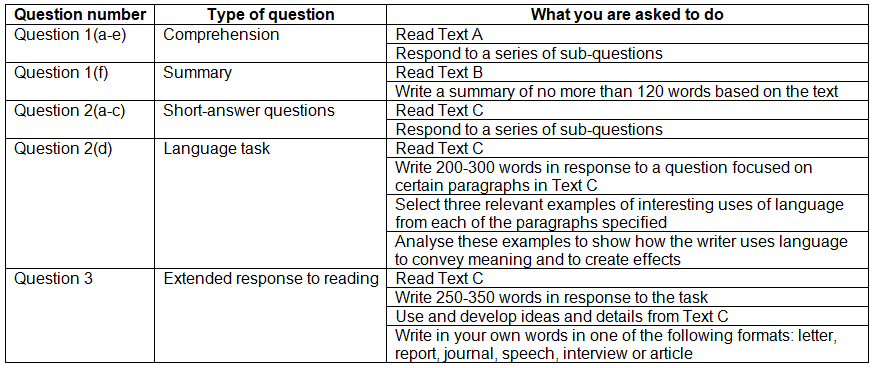
The Paper 1 exam lasts for 2 hours and consists of three questions, with questions 1 and 2 further divided into sub-questions. The total mark allocation for the exam is 80. These marks are categorized into two main skills: reading and writing.
Mark Distribution:
- Reading Section: 65 marks
- Writing Section: 15 marks
Apart from the question paper and answer booklet, you will receive an insert containing three texts related to the exam's theme. All texts will revolve around a similar topic.
It is recommended by CIE to dedicate 15 minutes to reading the texts and approximately 30-35 minutes for each question response. Different questions in the exam have varying requirements and mark values, so it is advised to follow these timings:
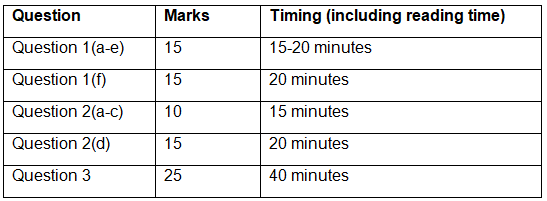
Paper 1 breakdown
What is being evaluated in this paper?
The evaluation in this IGCSE paper is based on two key assessment objectives, each carrying a weightage of 50% towards your final grade. These objectives can be further broken down into specific sub-objectives: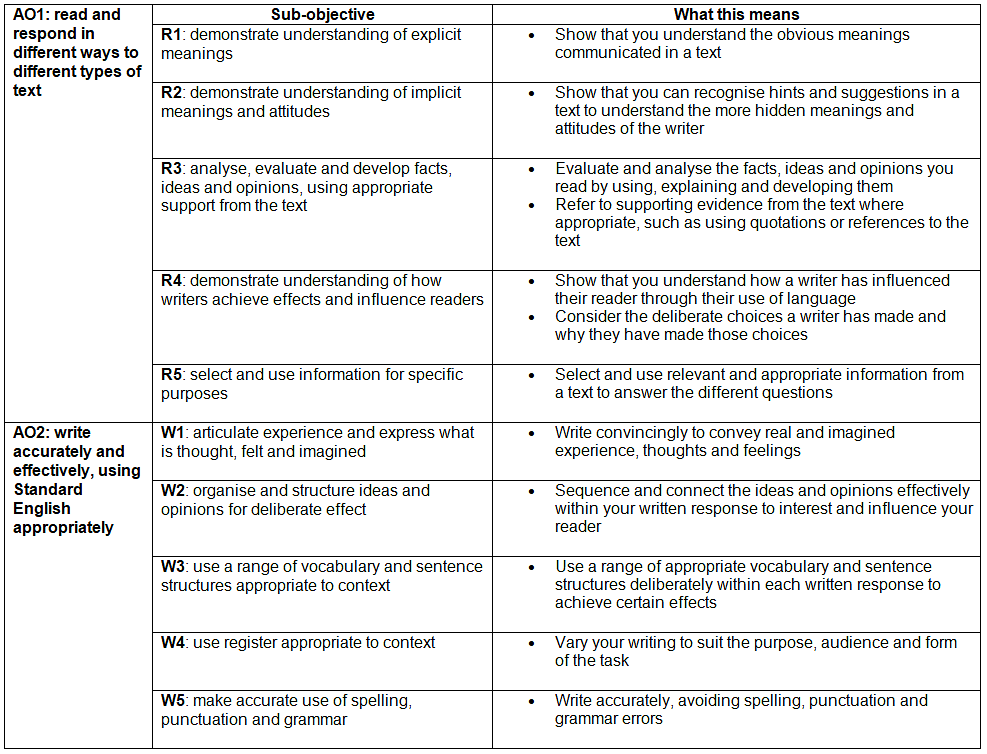
Comprehensive guidance on addressing each question in this paper can be located within the provided revision manuals:
- Question 1: Comprehension
- Question 1: Summary
- Question 2: Short-answer questions
- Question 2: Language task
- Question 3: Extended response
FAQs on Paper 1: Reading
| 1. What are the main themes discussed in the article? |  |
| 2. How does climate change affect biodiversity? | |
| 3. What are some examples of human activities that contribute to climate change and its effects on biodiversity? | |
| 4. What can individuals do to help mitigate the impact of climate change on biodiversity? | |
| 5. How can governments and organizations work together to address the challenges of climate change and biodiversity loss? | |




