Our Body Chapter Notes | EVS for Class 2 PDF Download
| Table of contents |

|
| Human Body |
|
| External Organs (Outside the Body) |
|
| Internal Organs (Inside the Body) |
|
| Our Five Sense Organs |
|
| Staying Healthy with Sports & Exercise |
|

Human Body
Human body is made up of many parts, and each part has a special job to do. These parts are called organs.
Every organ in our body has its own special job to do. When a group of organs work together to do a specific task, we call it an organ system.
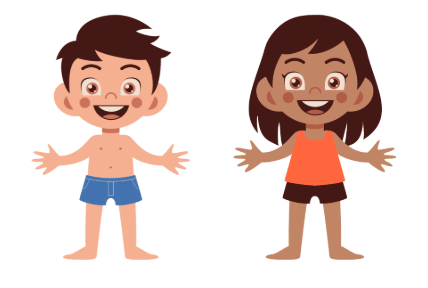 Human Body
External Organs (Outside the Body)
External organs are the body parts that are outside our body. We can see and touch them.
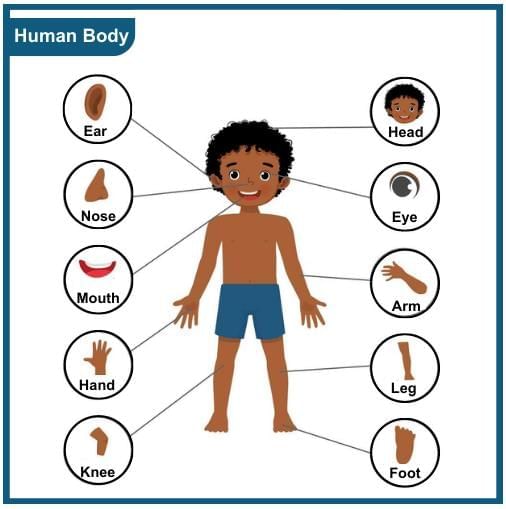
Some External Organs and Their Uses
Ear
- Helps us hear sounds around us.
- We use our ears to listen to music, talk, and sounds in the environment.
 Ear
Ear
Nose
- Helps us smell different things.
- We use our nose to breathe in air and enjoy pleasant smells.
 Nose
Nose
Mouth
- Helps us eat and drink food.
- We also use our mouth to talk and smile.
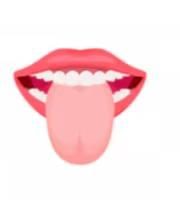 Mouth
Mouth
Hands
- Helps us hold things and carry them.
- We also use our hands to write and draw.
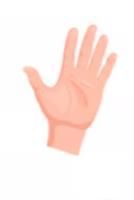 Hands
Hands
Knee
- Helps us bend our legs when we sit or squat.
- Our knees help us walk and move.
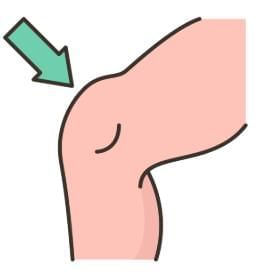 Knee
Knee
Head
- The top part of our body where our eyes, ears, nose, and mouth are.
- Our head holds our brain and helps us think.
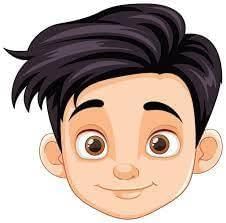 Head
Head
Eye
- Helps us see things around us.
- We use our eyes to look at pictures, colors, and people.
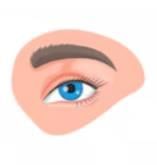 Eye
Eye
Arm
- Helps us lift things and carry them.
- Our arms also help us hug and play.
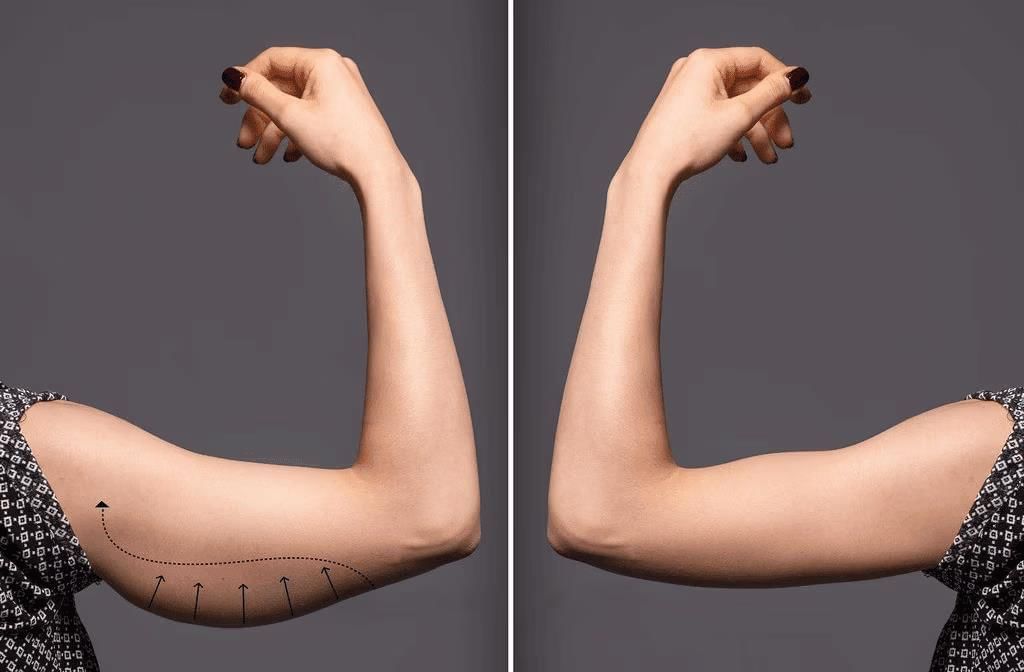 Arm
Arm
Leg
- Helps us walk, run, and jump.
- We use our legs to stand and move around.
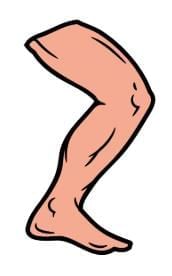 Leg
Leg
Foot
- Helps us stand and balance our body.
- We use our feet to walk, run, and jump.
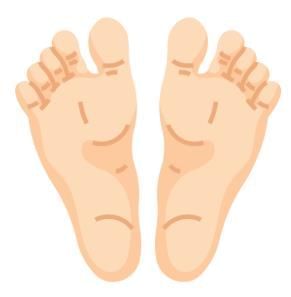 Foot
Foot
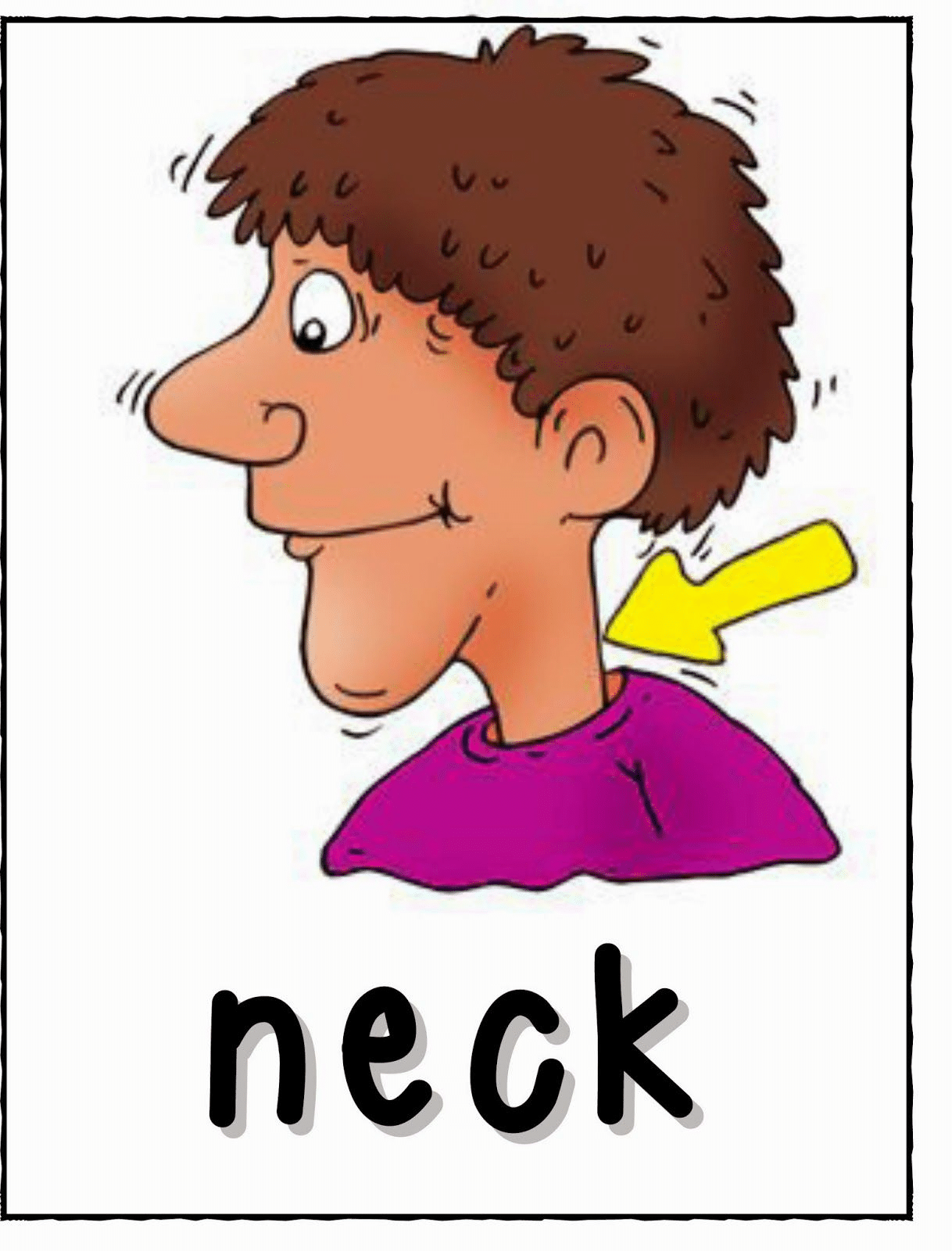
Neck
- The neck joins the head to the rest of our body.
- It enables us to move our head in different directions.
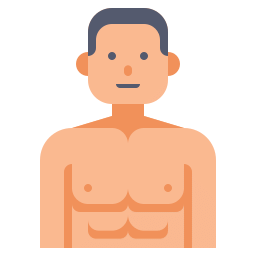
Chest
- The chest is the front part of our body.
 Chest
Chest
Internal Organs (Inside the Body)
Internal organs are the body parts that are inside our body. We cannot see them, but they do very important work to keep us healthy.
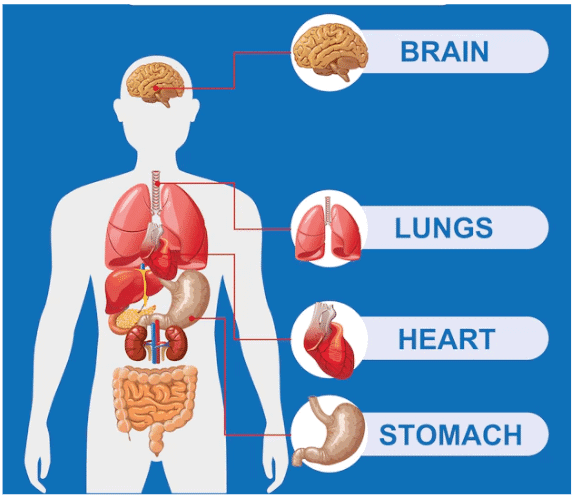 Some Internal Organs of Human Body
Some Internal Organs and Their Uses
- Brain – Helps us think, learn, and control our body.
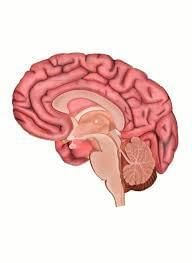 Brain
Brain - Lungs – Help us breathe in fresh air.
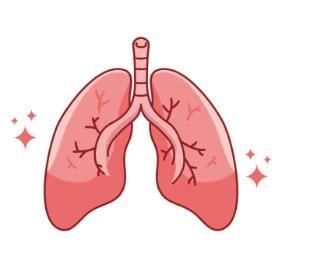 Lungs
Lungs - Heart – Pumps blood to all parts of the body.
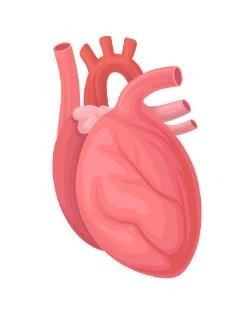 Heart
Heart - Stomach – Helps digest the food we eat.
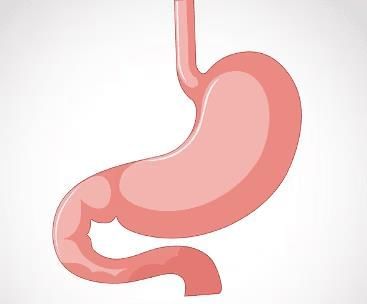 Stomach
Our Five Sense Organs
Sense Organs are parts of our body that we use to see, hear, smell, taste, or feel things. We have five sense organs, which are the eyes, ears, nose, tongue, and skin.
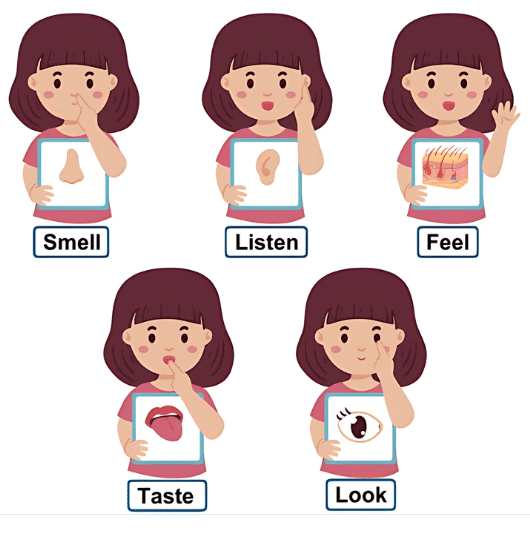
The five senses
- Nose – Helps us smell things. We can smell nice things like flowers or bad smells too.
- Ears – Help us hear sounds. Some sounds are soft and sweet, and some can be loud.
- Skin – Helps us feel when we touch something. We can feel if it is soft, hard, hot, cold, smooth, or rough.
- Tongue – Helps us taste food. We can taste if food is sweet, salty, sour, or bitter.
- Eyes – Help us see the world around us – people, colours, books, and everything else!
Staying Healthy with Sports & Exercise
Exercise helps us stay fit, strong, and healthy.
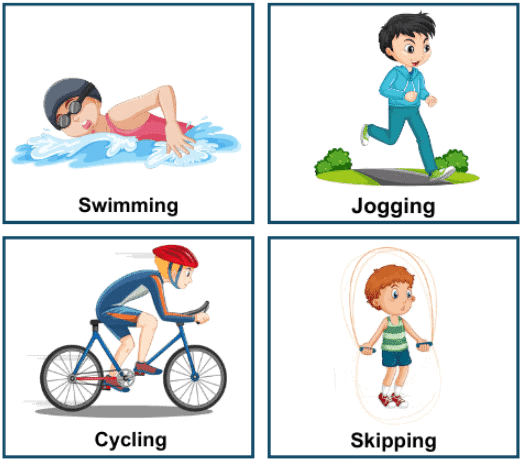
- We should eat healthy food and do some physical activities every day.
- Fun exercises like swimming, running, cycling, and skipping make our body active and happy.
- Posture means how we sit, stand, and walk.
- We should sit and stand straight to keep our body strong and in a good shape.
Here is an amazing video to help you learn more about our amazing body:
|
30 videos|243 docs|48 tests
|
FAQs on Our Body Chapter Notes - EVS for Class 2
| 1. What are internal organs and what functions do they serve in the human body? |  |
| 2. Can you explain what external organs are and give some examples? | |
| 3. What are sensory organs and why are they important? | |
| 4. How do internal and external organs work together in the body? | |
| 5. What are some common health issues related to internal and external organs? | |




Previous Year Questions with Solutions
,Objective type Questions
,MCQs
,Viva Questions
,practice quizzes
,Semester Notes
,Our Body Chapter Notes | EVS for Class 2
,video lectures
,Sample Paper
,Our Body Chapter Notes | EVS for Class 2
,ppt
,Important questions
,study material
,Extra Questions
,past year papers
,mock tests for examination
,shortcuts and tricks
,Summary
,Exam
,Our Body Chapter Notes | EVS for Class 2
,Free
;




Chapter Notes: Our Body Free PDF Download
Importance of Chapter Notes: Our Body
Chapter Notes: Our Body
Chapter Notes: Our Body Class 2 Questions
Study Chapter Notes: Our Body on the App
|
© EduRev
|
Education Revolution
|


|




