CBSE Class 6  >  Class 6 Notes  >  Science  >  Very Short Question Answers: A Journey through States of Water

Very Short Question Answers: A Journey through States of Water

Q1: What is water primarily composed of?
Ans:
Water is composed of hydrogen and oxygen.


Q2: Are ice and water the same substance?
Ans: 
Yes, they are different states of the same substance. Ice is water in the solid state, and liquid water is in the liquid state; the difference is due to temperature.


Q3: What happens to water on a hot pan?
Ans:
It converts to steam, which is water vapour.

Water VapourWater Vapour

Q4: What is the process of water turning into vapour called?
Ans: 
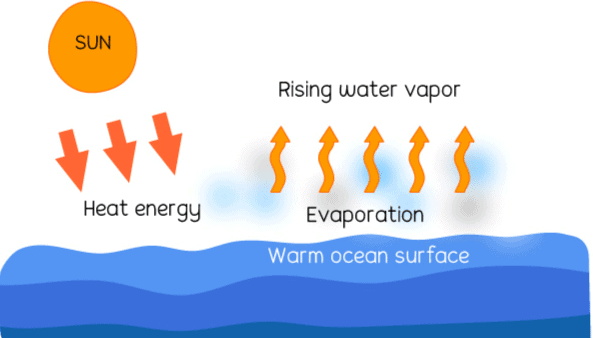
The process is called evaporation.


Q5: Why do puddles disappear on warm days?
Ans:
Due to evaporation and water seeping into the ground. Warm air and sunlight give heat to the water, turning it into vapour. Some water also soaks into the ground or is taken up by plants.


Q6: Why do water droplets form on a cold bottle?
Ans: 
When warm, moist air touches the cold surface of the bottle, the air cools down and its water vapour becomes liquid. This change from vapour to liquid is called condensation.


Q7: What is condensation?
Ans: 
Condensation is the process in which water vapour in the air changes into liquid water.CondensationCondensation

Q8: What are the three states of water?
Ans:
The three states of water are:

  • Solid (ice)
  • Liquid (water)
  • Gas (steam or water vapour)


Q9: How can we change water's state?
Ans: 
By adding or removing heat.


Q10: What is melting?
Ans: 
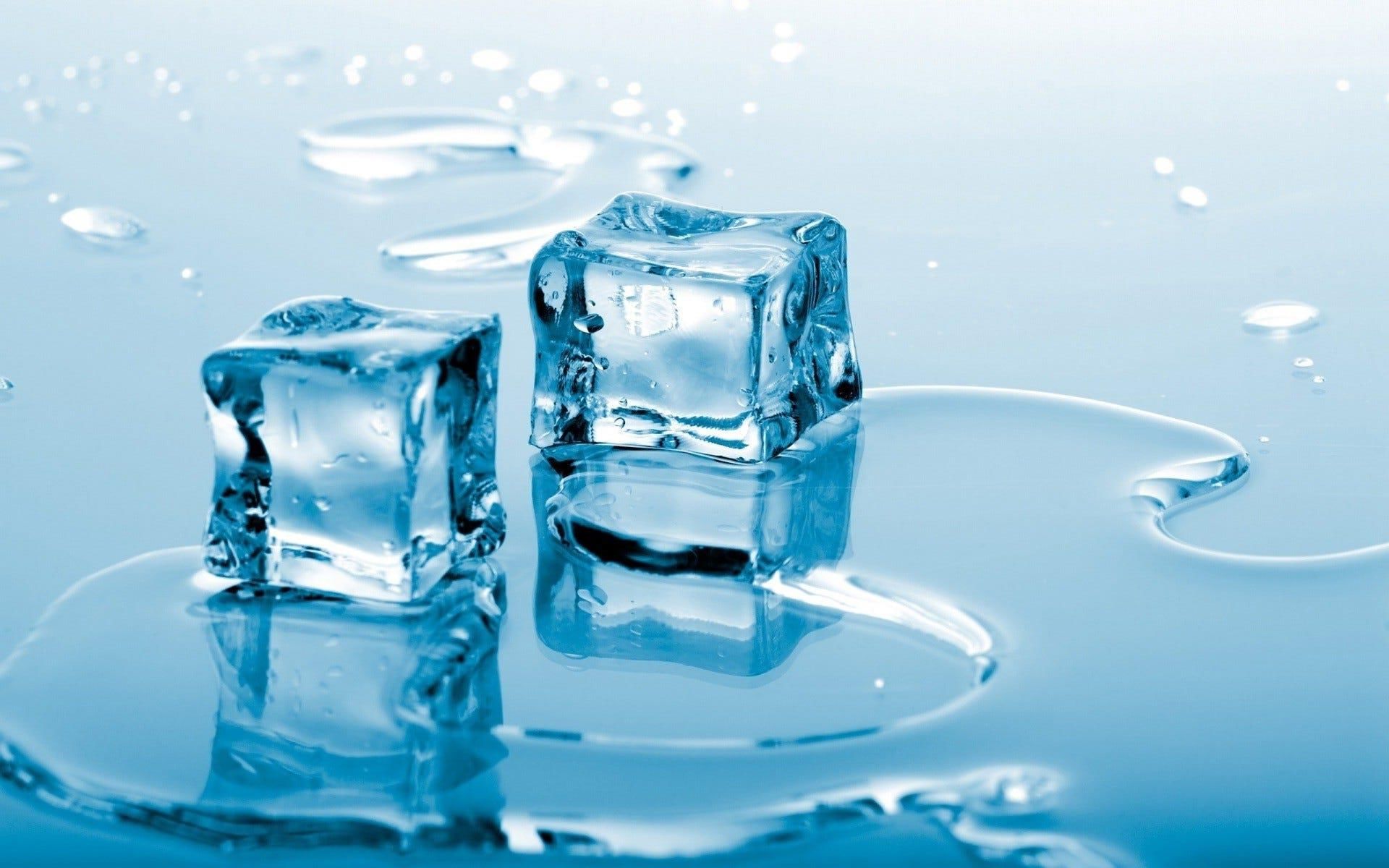
Melting is the transition from solid (ice) to liquid (water).MeltingMelting

Q11: What does an Atmospheric Water Generator do?
Ans: 
An Atmospheric Water Generator takes moisture from humid air and turns it into drinkable water. It cools the air so that vapour condenses into liquid, then collects and filters that water for use.


Q12: Why do clothes dry faster on windy days?
Ans: 
Wind increases the rate of evaporation.


Q13: What factors affect evaporation?
Ans: 
Temperature, surface area, air movement, and humidity.


Q14: How does evaporation cool us down?
Ans: 
Evaporation absorbs heat, cooling the surroundings. For example, when sweat evaporates from our skin, it removes heat and makes us feel cooler. Very Short Question Answers: A Journey through States of Water

Q15: What role does condensation play in the water cycle?
Ans:
Condensation causes water vapour in the air to form tiny liquid droplets, which collect to make clouds. When these droplets grow and join together, they fall as rain or other forms of precipitation, returning water to the Earth's surface.


Q16: Why does water vapour rise in the atmosphere?
Ans: 
Water vapour is usually carried upward because warm air containing the vapour is less dense and rises. As the air rises, it cools and the vapour may condense to form clouds.


Q17: What is the cooling effect of evaporation observed in?
Ans: 
It is observed in:

  • Sweating: Evaporation of sweat removes heat from the body and cools us.
  • Earthen pots: Water that seeps through the pot surface evaporates and cools the water inside the pot.


Q18: What is freezing?
Ans: 
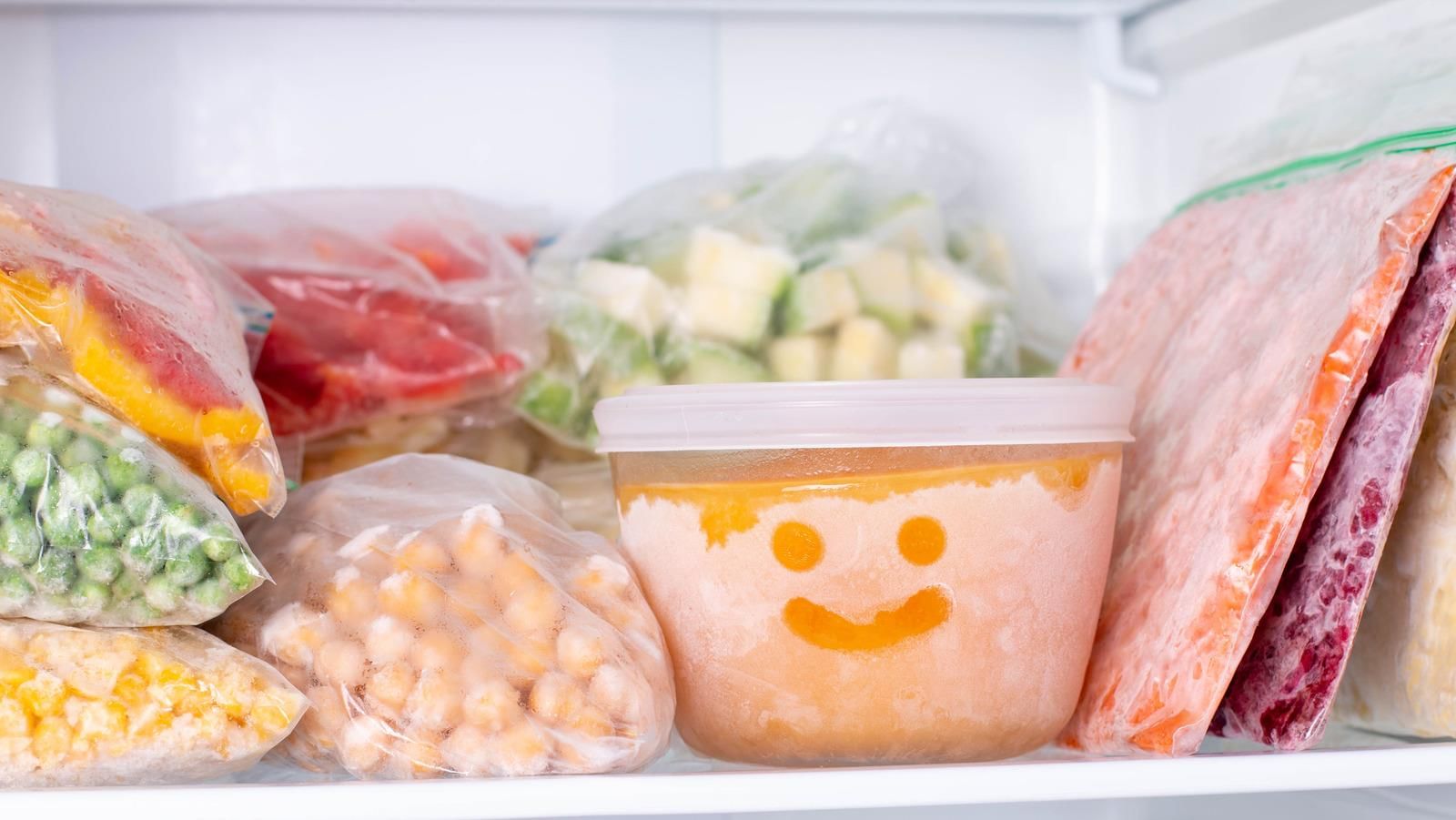
Freezing is the change from liquid to solid. When water loses enough heat, it becomes ice, as happens in a freezer or during cold weather.FreezingFreezingQ19: How do clouds form rain?
Ans: 
Clouds contain many tiny droplets formed by condensation. These droplets join together to make larger drops. When the drops become heavy enough, they fall as rain, or as snow or hail if temperatures are low.


Q20: Why is water essential for living things?
Ans:
It is crucial for survival and maintaining health.

The document Very Short Question Answers: A Journey through States of Water is a part of the Class 6 Course Science for Class 6.
All you need of Class 6 at this link: Class 6

FAQs on Very Short Question Answers: A Journey through States of Water

1. What are the three states of water and how do they differ from each other?
Ans. Water exists in three states: solid (ice), liquid (water), and gas (water vapour). Solids have fixed shape and volume with tightly packed particles. Liquids take the shape of their container but have fixed volume. Gases have neither fixed shape nor volume, with particles spread far apart. Each state exhibits different physical properties based on particle arrangement and movement.
2. How does evaporation differ from boiling in the water cycle?
Ans. Evaporation occurs when water changes from liquid to gas at any temperature, happening only at the surface. Boiling happens when water reaches 100°C and transforms into vapour throughout the entire liquid. Both are phase changes in the water cycle, but boiling is faster and requires specific temperature conditions, while evaporation occurs continuously from water bodies, clothing, and skin.
3. What happens to water molecules during condensation and why does it occur?
Ans. Condensation is the process where water vapour transforms into liquid water when cooled. Water molecules lose energy and move closer together, forming droplets. This occurs when vapour contacts cold surfaces like windows or when air temperature drops. Dew formation on grass and clouds in the sky result from condensation, making it essential for the water cycle and weather patterns.
4. Why does ice melt and what is the melting point of ice in CBSE science?
Ans. Ice melts when heated because heat energy causes its solid molecules to vibrate more vigorously, breaking their rigid structure. The melting point of ice is 0°C under normal atmospheric pressure. During melting, ice absorbs heat energy while maintaining constant temperature until completely transformed into liquid water, demonstrating the phase transition process in matter.
5. How does sublimation work and where do students see it happening in daily life?
Ans. Sublimation is the direct conversion of solid ice into water vapour without passing through the liquid state. Naphthalene balls (mothballs) disappear when kept in wardrobes due to sublimation. Wet clothes dry faster on sunny days through this process, and snow in mountainous regions can sublimate directly into vapour. This phase change occurs when solid particles gain sufficient energy to become gas.
Explore Courses for Class 6 exam
Get EduRev Notes directly in your Google search
Related Searches
ppt, Viva Questions, practice quizzes, Sample Paper, past year papers, Very Short Question Answers: A Journey through States of Water, Very Short Question Answers: A Journey through States of Water, Very Short Question Answers: A Journey through States of Water, Previous Year Questions with Solutions, Free, Summary, study material, shortcuts and tricks, mock tests for examination, Semester Notes, Extra Questions, video lectures, pdf , Important questions, Exam, Objective type Questions, MCQs;