CBSE Class 6  >  Class 6 Notes  >  Mathematics  >  Worksheet: Symmetry - 1

Worksheet: Symmetry - 1

Multiple Choice Questions (MCQs)

Q1: How many angles of symmetry does a square have?
(a) 2
(b) 4
(c) 6
(d) 8

Q2: When a figure is rotated by 180° and it looks exactly the same, the figure has _______ symmetry.
(a) Reflection
(b) Rotational
(c) Translational
(d) No

Q3: Which of the following figures has both reflection symmetry and rotational symmetry?
(a) Rhombus
(b) Regular pentagon
(c) Circle
(d) Isosceles triangle

Q4:  How many lines of symmetry and angles of symmetry does Ashoka Chakra have?
(a)
12
(b)
24
(c)
48
(d) 
10

Line of Symmetry

Draw Line of Symmetry for the following shapes

(a)
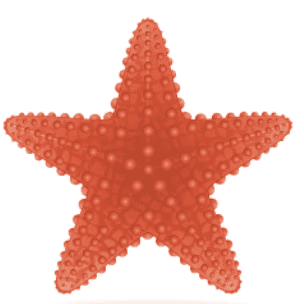
Line of Symmetry

(b)Line of Symmetry

(c)
Line of Symmetry

Fill in the Blanks

Q1: A line that divides a figure into two identical halves is called a _______ of symmetry.

Q2: The shape of a _______ remains the same when rotated by any angle.

Q3: A square has _______ lines of symmetry.

Q4: A figure with no line of symmetry is called _______.

Q5: The _______ is the point around which a figure is rotated in rotational symmetry.

True/False

Q1: Every shape with a line of symmetry must also have rotational symmetry.

Q2: A rectangle has two lines of symmetry.

Q3: The number of angles of symmetry in a hexagon is four.

Q4: A circle has an infinite number of lines of symmetry.

Q5: The smallest angle of symmetry in the Ashoka chakra is 30°.

You can access the solutions to this worksheet here.

The document Worksheet: Symmetry - 1 is a part of the Class 6 Course Mathematics for Class 6.
All you need of Class 6 at this link: Class 6

FAQs on Worksheet: Symmetry - 1

1. What are the different types of symmetry I need to know for Class 6 Maths?
Ans. Class 6 symmetry covers three main types: line symmetry (reflection symmetry), rotational symmetry, and point symmetry. Line symmetry occurs when a shape can be folded along a line so both halves match perfectly. Rotational symmetry happens when a shape looks identical after turning it around a central point. Point symmetry is a special case where a shape matches itself when rotated 180 degrees around a point.
2. How do I identify lines of symmetry in shapes for my worksheet answers?
Ans. To find lines of symmetry, fold the shape mentally (or physically with paper) in different directions. If both sides match exactly when folded, that's a line of symmetry. Some shapes like squares have multiple lines of symmetry-vertical, horizontal, and diagonal. Circles have infinite lines of symmetry through their centre. Regular polygons have symmetry lines equal to their number of sides, making them ideal for symmetry practice.
3. What's the difference between line symmetry and rotational symmetry in geometry?
Ans. Line symmetry (also called mirror symmetry or bilateral symmetry) divides a shape into matching halves along a straight line. Rotational symmetry means a shape looks identical when rotated less than 360 degrees around a fixed point. A shape can have both types: a square has four lines of symmetry and 90-degree rotational symmetry. A circle possesses infinite lines of symmetry and continuous rotational symmetry at any angle.
4. How many lines of symmetry does a rectangle have and why?
Ans. A rectangle has exactly two lines of symmetry: one vertical (through the centre) and one horizontal (through the centre). These diagonal lines don't create matching halves, so they're not symmetry lines. This differs from a square, which has four symmetry lines including both diagonals. The rectangle's unequal length and width prevent diagonal symmetry, making this distinction crucial for Class 6 geometry worksheets.
5. Can a shape have rotational symmetry without line symmetry?
Ans. Yes, absolutely. A swastika symbol or certain curved shapes possess rotational symmetry but no line symmetry. The letter 'S' has 180-degree rotational symmetry (point symmetry) but no line of symmetry. This distinction helps students understand that rotational and linear properties are independent. Refer to visual worksheets or mind maps showing asymmetrical shapes with rotational properties to strengthen this concept.
Explore Courses for Class 6 exam
Get EduRev Notes directly in your Google search
Related Searches
ppt, study material, Exam, Free, Worksheet: Symmetry - 1, Sample Paper, Worksheet: Symmetry - 1, pdf , practice quizzes, Semester Notes, video lectures, Worksheet: Symmetry - 1, Important questions, Summary, Viva Questions, Objective type Questions, Extra Questions, Previous Year Questions with Solutions, MCQs, shortcuts and tricks, mock tests for examination, past year papers;