NEET Exam > NEET Notes > Chemistry Class 12 > Mnemonics: Biomolecules
Mnemonics: Biomolecules | Chemistry Class 12 - NEET PDF Download
| Table of contents |

|
| Introduction |
|
| Classification of Carbohydrates |
|
| Amino Acids - Important Amino Acids |
|
| Structure of DNA |
|
| Types of RNA |
|
| Glycosidic Linkage |
|

Introduction
Simplify your understanding of key biochemistry topics with these catchy mnemonics, designed to make concepts like carbohydrates, amino acids, and RNA types easier to remember.
Classification of Carbohydrates
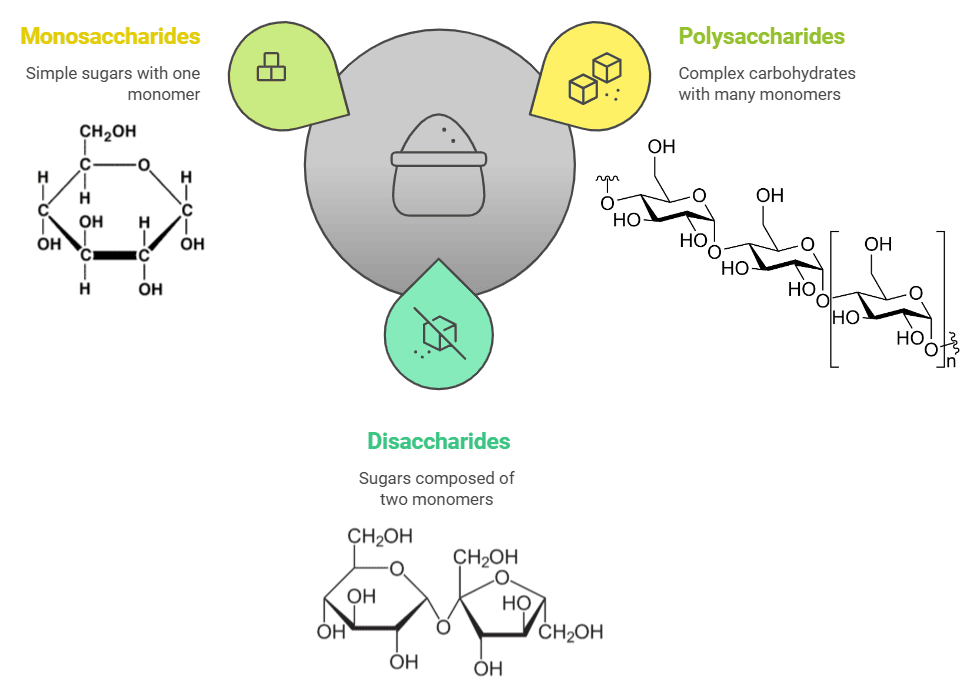
Mnemonic : "Massive Discoveries Spark Progress."
- Massive: Monosaccharides (1 monomer, e.g., glucose, fructose).
- Discoveries: Disaccharides (2 monomers, e.g., sucrose, lactose, maltose).
- Spark: Polysaccharides (many monomers, e.g., starch, glycogen, cellulose).
Amino Acids - Important Amino Acids
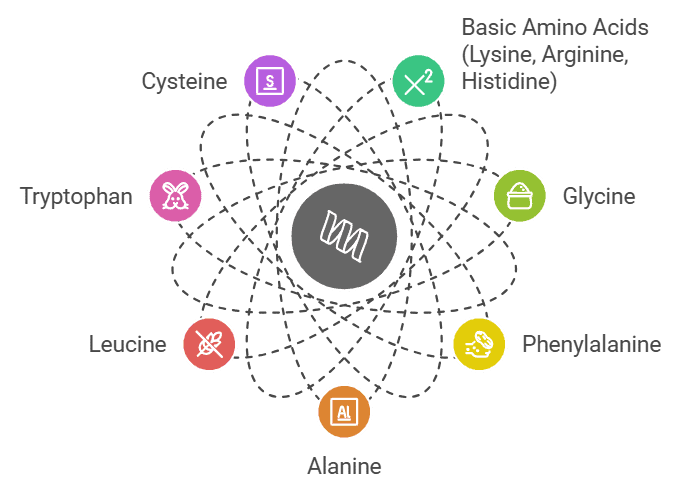
Mnemonic: "Big Green Frogs Are Little Tough Creatures."
- Big: Basic (Lysine, Arginine, Histidine)
- Green: Glycine (simplest amino acid).
- Frogs: Phenylalanine (essential amino acid).
- Are: Alanine (non-essential amino acid).
- Little: Leucine (essential amino acid).
- Tough: Tryptophan (essential amino acid).
- Creatures: Cysteine (contains sulfur).
Structure of DNA
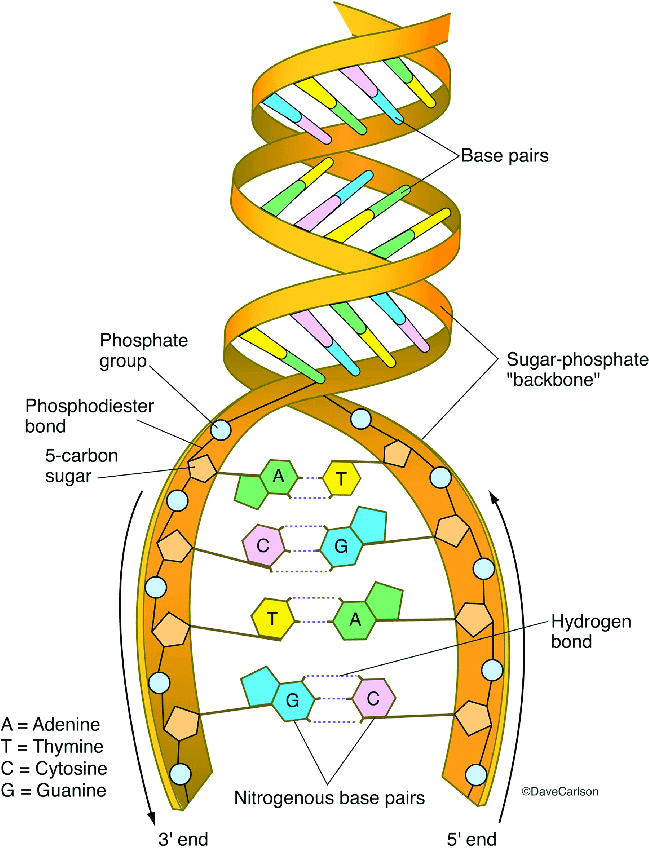
Mnemonic: "Dancing Horses Create Grand Patterns."
- Dancing: Represents the Double strands (two strands of DNA).
- Horses: Represents the Helix (twisted, helical shape).
- Create: Represents the Creation of genetic information stored within the DNA.
- Grand: Represents the Genetic material being passed down.
- Patterns: Represents the Patterns of nucleotides (A, T, C, G) that form the code for traits.
Types of RNA
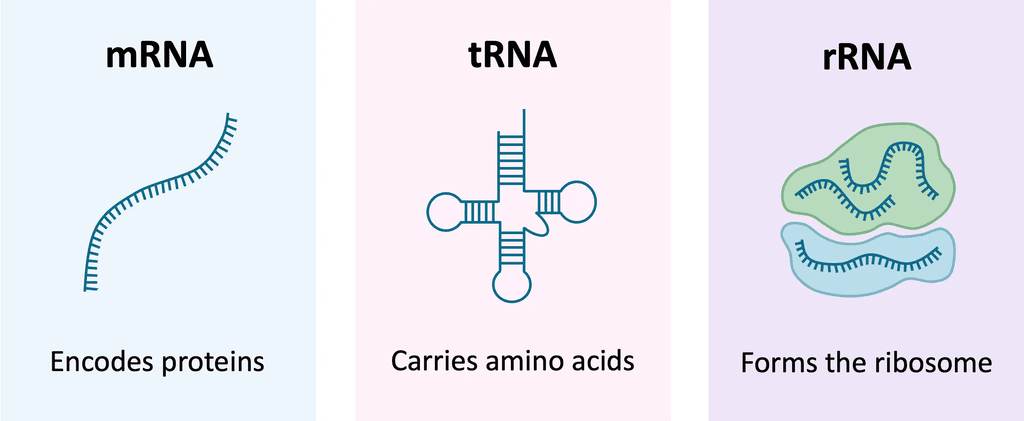
Mnemonic : "Mighty Turtles Race."
- Mighty: Refers to mRNA (Messenger RNA), the messenger that transmits information for protein synthesis.
- Turtles: Refers to tRNA (Transfer RNA) , which transports the correct amino acids.
- Race: Refers to rRNA (Ribosomal RNA), responsible for constructing the ribosome and helping proteins "race" into place.
Glycosidic Linkage
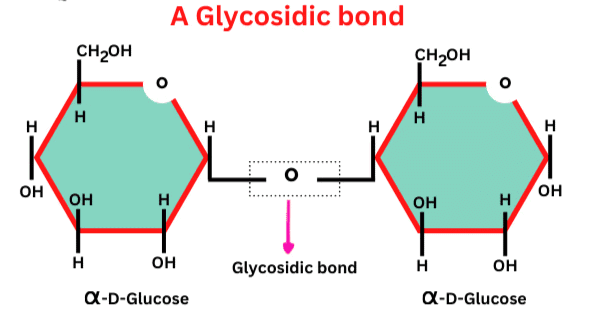
Mnemonic: "Giant Frogs Leap Over Rivers."
- Giant: Glycosidic linkage (the bond formed between two monosaccharides).
- Frogs: Formed at the linkage site.
- Leap: Linkage between the two sugars.
- Over: Oxygen atom connects the two sugars.
- Rivers: Reducing end where the glycosidic bond is often formed, particularly involving Carbon 1 of one sugar and Carbon 4 of the other
With these fun and easy-to-remember mnemonics, you can confidently recall essential biochemical concepts and apply them in your studies or exams.
The document Mnemonics: Biomolecules | Chemistry Class 12 - NEET is a part of the NEET Course Chemistry Class 12.
All you need of NEET at this link: NEET
|
75 videos|278 docs|78 tests
|
FAQs on Mnemonics: Biomolecules - Chemistry Class 12 - NEET
| 1. What are the main classifications of carbohydrates? |  |
Ans. Carbohydrates are primarily classified into three categories: monosaccharides, disaccharides, and polysaccharides. Monosaccharides are the simplest form of carbohydrates, consisting of single sugar units like glucose and fructose. Disaccharides are formed by the combination of two monosaccharides, such as sucrose (glucose + fructose) and lactose (glucose + galactose). Polysaccharides are complex carbohydrates made up of long chains of monosaccharide units, including starch, glycogen, and cellulose.
| 2. What are the important amino acids and their functions? | |
Ans. There are 20 standard amino acids, but nine are considered essential, meaning they must be obtained from the diet. Important amino acids include leucine, isoleucine, valine, lysine, methionine, phenylalanine, threonine, tryptophan, and histidine. These amino acids play crucial roles in protein synthesis, regulation of metabolism, and supporting immune function. For example, leucine is vital for muscle protein synthesis, while tryptophan is a precursor for serotonin, influencing mood and sleep.
| 3. What is the structure of DNA and its significance? | |
Ans. DNA (deoxyribonucleic acid) has a double-helix structure, consisting of two intertwined strands made up of nucleotides. Each nucleotide contains a phosphate group, a sugar (deoxyribose), and a nitrogenous base (adenine, thymine, cytosine, or guanine). The sequence of these bases encodes genetic information, which is crucial for the development, functioning, and reproduction of all living organisms. DNA's structure allows for replication and transmission of genetic information across generations.
| 4. What are the different types of RNA and their roles? | |
Ans. There are three main types of RNA: messenger RNA (mRNA), transfer RNA (tRNA), and ribosomal RNA (rRNA). mRNA serves as a template for protein synthesis, carrying genetic information from DNA to ribosomes. tRNA is responsible for bringing the appropriate amino acids to the ribosome during translation. rRNA, a key component of ribosomes, helps facilitate the assembly of amino acids into proteins. Together, these types of RNA play essential roles in gene expression and protein synthesis.
| 5. What is glycosidic linkage and its significance in carbohydrates? | |
Ans. Glycosidic linkage is a covalent bond that forms between two monosaccharides through a dehydration reaction, resulting in the formation of disaccharides or polysaccharides. This bond occurs between the hydroxyl group of one monosaccharide and the anomeric carbon of another. Glycosidic linkages are significant because they determine the structure and function of carbohydrates. For example, the type of glycosidic bond (α or β) influences the digestibility and properties of polysaccharides like starch and cellulose.
About this Document

4.67/5
Rating

Oct 10, 2025
Last updated
Document Description: Mnemonics: Biomolecules for NEET 2025 is part of Chemistry Class 12 preparation.
The notes and questions for Mnemonics: Biomolecules have been prepared according to the NEET exam syllabus. Information about Mnemonics: Biomolecules covers topics
like Introduction, Classification of Carbohydrates, Amino Acids - Important Amino Acids, Structure of DNA, Types of RNA, Glycosidic Linkage and Mnemonics: Biomolecules Example, for NEET 2025 Exam. Find important definitions, questions, notes, meanings, examples, exercises and tests below for Mnemonics: Biomolecules.
Introduction of Mnemonics: Biomolecules in English is available as part of our Chemistry Class 12
for NEET & Mnemonics: Biomolecules in Hindi for Chemistry Class 12 course.
Download more important topics related with notes, lectures and mock test series for NEET
Exam by signing up for free. NEET: Mnemonics: Biomolecules | Chemistry Class 12 - NEET
Description
Full syllabus notes, lecture & questions for Mnemonics: Biomolecules | Chemistry Class 12 - NEET - NEET | Plus excerises question with solution to help you revise complete syllabus for Chemistry Class 12 | Best notes, free PDF download
Information about Mnemonics: Biomolecules
In this doc you can find the meaning of Mnemonics: Biomolecules defined & explained in the simplest way possible. Besides explaining types of
Mnemonics: Biomolecules theory, EduRev gives you an ample number of questions to practice Mnemonics: Biomolecules tests, examples and also practice NEET
tests

Related Searches
study material
,past year papers
,Exam
,mock tests for examination
,Sample Paper
,video lectures
,Previous Year Questions with Solutions
,Objective type Questions
,ppt
,Mnemonics: Biomolecules | Chemistry Class 12 - NEET
,Free
,Semester Notes
,MCQs
,Extra Questions
,Summary
,Mnemonics: Biomolecules | Chemistry Class 12 - NEET
,practice quizzes
,shortcuts and tricks
,Viva Questions
,Mnemonics: Biomolecules | Chemistry Class 12 - NEET
,Important questions
;



Additional Information about Mnemonics: Biomolecules for NEET Preparation
Mnemonics: Biomolecules Free PDF Download
The Mnemonics: Biomolecules is an invaluable resource that delves deep into the core of the NEET exam.
These study notes are curated by experts and cover all the essential topics and concepts, making your preparation more efficient and effective.
With the help of these notes, you can grasp complex subjects quickly, revise important points easily,
and reinforce your understanding of key concepts. The study notes are presented in a concise and easy-to-understand manner,
allowing you to optimize your learning process. Whether you're looking for best-recommended books, sample papers, study material,
or toppers' notes, this PDF has got you covered. Download the Mnemonics: Biomolecules now and kickstart your journey towards success in the NEET exam.
Importance of Mnemonics: Biomolecules
The importance of Mnemonics: Biomolecules cannot be overstated, especially for NEET aspirants.
This document holds the key to success in the NEET exam.
It offers a detailed understanding of the concept, providing invaluable insights into the topic.
By knowing the concepts well in advance, students can plan their preparation effectively.
Utilize this indispensable guide for a well-rounded preparation and achieve your desired results.
Mnemonics: Biomolecules Notes
Mnemonics: Biomolecules Notes offer in-depth insights into the specific topic to help you master it with ease.
This comprehensive document covers all aspects related to Mnemonics: Biomolecules.
It includes detailed information about the exam syllabus, recommended books, and study materials for a well-rounded preparation.
Practice papers and question papers enable you to assess your progress effectively.
Additionally, the paper analysis provides valuable tips for tackling the exam strategically.
Access to Toppers' notes gives you an edge in understanding complex concepts.
Whether you're a beginner or aiming for advanced proficiency, Mnemonics: Biomolecules Notes on EduRev are your ultimate resource for success.
Mnemonics: Biomolecules NEET Questions
The "Mnemonics: Biomolecules NEET Questions" guide is a valuable resource for all aspiring students preparing for the
NEET exam. It focuses on providing a wide range of practice questions to help students gauge
their understanding of the exam topics. These questions cover the entire syllabus, ensuring comprehensive preparation.
The guide includes previous years' question papers for students to familiarize themselves with the exam's format and difficulty level.
Additionally, it offers subject-specific question banks, allowing students to focus on weak areas and improve their performance.
Study Mnemonics: Biomolecules on the App
Students of NEET can study Mnemonics: Biomolecules alongwith tests & analysis from the EduRev app,
which will help them while preparing for their exam. Apart from the Mnemonics: Biomolecules,
students can also utilize the EduRev App for other study materials such as previous year question papers, syllabus, important questions, etc.
The EduRev App will make your learning easier as you can access it from anywhere you want.
The content of Mnemonics: Biomolecules is prepared as per the latest NEET syllabus.
|
© EduRev
|
Education Revolution
|


|




Signup to see your scores
go up
within 7 days!
within 7 days!
Takes less than 10 seconds to signup