Short & Long Question Answers: India's Cultural Roots

Short Question Answers
Q1: What does the Subhașhita say about true knowledge?
Ans: The Subhashita calls true knowledge the greatest wealth. It says it can't be stolen or taken by rulers, weighs nothing so it's no burden, and grows daily when used. Unlike gold or land, knowledge stays safe and increases with sharing, like a flame lighting more flames. This wise saying shows why India's culture values learning and wisdom above all, a root that feeds its many traditions and ideas.
Q2: How is Indian culture compared to a tree?
Ans: Indian culture is like an ancient tree with deep roots and many branches. The roots, like the Vedas or tribal traditions, support a strong trunk of shared values. From this trunk grow branches-art, science, religion, and schools of thought-each different but linked. This picture shows India's culture as old, diverse, and united, growing strong for thousands of years across the Subcontinent.
Q3: What are the Vedas, and when were they composed?
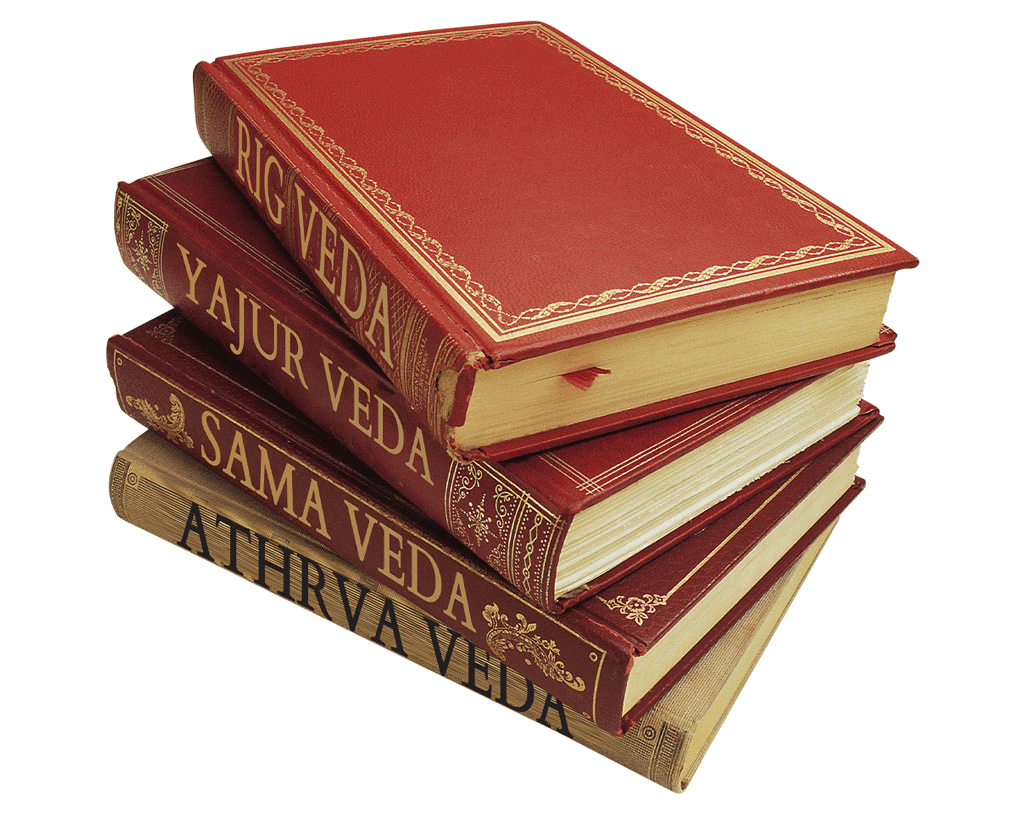
Ans: The Vedas are India's oldest texts-Rig Veda, Yajur Veda, Sama Veda, and Atharva Veda-meaning 'knowledge' in Sanskrit. They're hymns, prayers as poems, made by rishis and rishikas in the Sapta Sindhava region. Experts guess the Rig Veda dates from the 5th to 2nd millennium BCE, passed down orally for 100-200 generations, keeping India's ancient wisdom alive.
Q4: What does 'ekam sat vipra bahudha vadanti' mean?
Ans: 'Ekam sat vipra bahudha vadanti' from the Rig Veda means 'The Existent is one, but sages give it many names.' It says the supreme reality, or Truth, is single, but people call it by different names like Indra or Agni. This shows the Vedic view of one cosmic power behind all deities, teaching unity beneath diversity in life and the universe.
Q5: How was early Vedic society organized?
Ans: Early Vedic society had janas, or clans, like the Bharatas and Purus, each tied to northwest regions. The Rig Veda names over 30 such groups. They had kings (raja) and gatherings called sabhā and samiti for decisions. People worked as farmers, weavers, potters, or priests, showing a simple, clan-based life shaped by Vedic hymns and community.
Q6: What are the Upanișhads, and what do they teach?
Ans: The Upanișhads are texts building on the Vedas, teaching about brahman-the divine essence in everything-and atman, the self inside us, united with brahman. They introduce rebirth and karma, where actions shape future lives. They say all is connected, wishing happiness for all creatures, like in the prayer 'sarve bhavantu sukhinah,' showing a deep, linked worldview.
Q7: What is the Vedanta school of thought?
Ans: Vedanta, from the Upanișhads, says everything-humans, nature, the universe-is one divine essence called brahman, or 'tat' (that). It teaches that ātman, our inner self, is part of brahman, connecting all life. This school sees the world as one, not separate, guiding people to realize this unity through understanding, a key root of Hindu thought today.
Q8: How did Siddhartha Gautama become the Buddha?
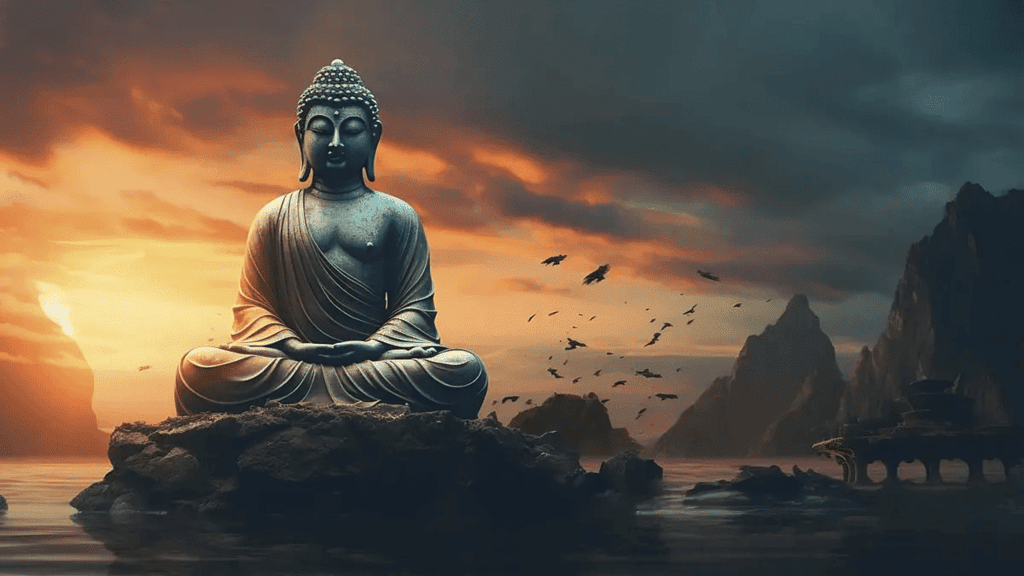
Ans: Siddhārtha Gautama, born around 560 BCE in Lumbini, left his prince life at 29 after seeing suffering-an old man, a sick man, a dead body-and a peaceful ascetic. He wandered as an ascetic, then meditated under a pipal tree in Bodh Gaya, gaining enlightenment. Realizing ignorance and attachment cause suffering, he became the Buddha, meaning 'awakened one.'
Q9: What is the core teaching of Buddhism?
Ans: Buddhism teaches that suffering comes from ignorance (avidyā) and attachment, and can end through inner discipline and ahimsa-non-hurting. The Buddha's method helps people shed these to find peace. He started the Sangha, a monk community, to spread this path. It's about living simply and kindly, shaping India and Asia for centuries.
Q10: How did Vardhamana become Mahavira?
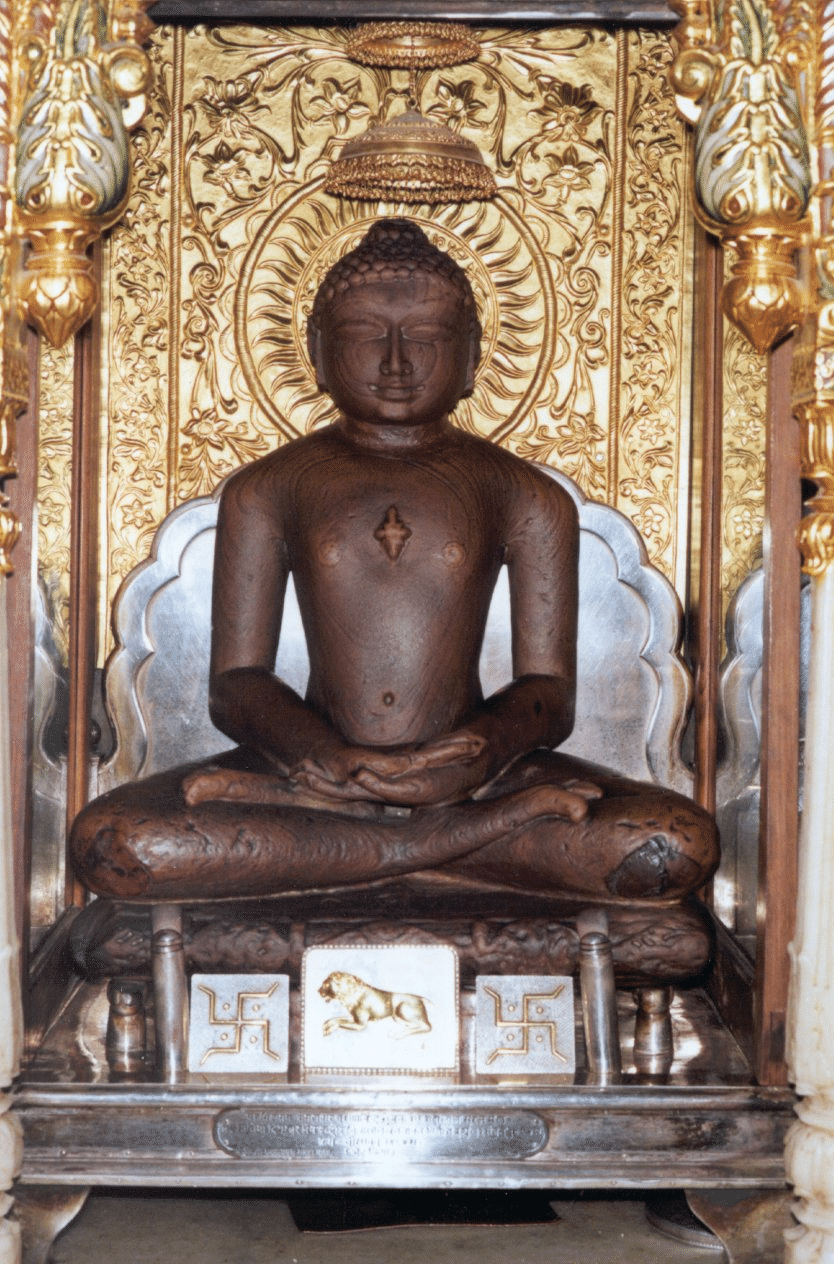
Ans: Vardhamana, born in the 6th century BCE near Vaishali, left his royal life at 30 to seek wisdom. After 12 years of tough ascetic practice, he gained infinite knowledge, becoming Mahāvīra, or 'great hero.' Known as a jina-conqueror of ignorance-he shared Jain teachings, influencing India with ideas of nonviolence and truth from Bihar's plains.
Q11: What does ahimsa mean in Jainism?
Ans: In Jainism, ahimsa means not harming any living being-breathing, existing, or sentient-in action or thought. Mahāvīra said no creature should be slain, hurt, or abused. It's more than avoiding fights; it's kindness to all, even tiny organisms, showing Jainism's deep respect for life's web, a value shared across India's culture.
Q12: What is anekantavada in Jainism?
Ans: Anekāntavāda, or 'not just one,' is a Jain idea that truth has many sides, not one simple answer. No single view can fully explain reality-like seeing a tree from different angles. It teaches openness, understanding others' perspectives, and patience, making Jainism a thoughtful path that values the complexity of life and the world.
Q13: What tribes are, and how many are there in India?
Ans: Tribes are close-knit groups sharing descent, culture, and a chief, with no private property. In India, they're called janjāti, not a Vedic term but janas in ancient times. The 2011 Constitution counts 705 tribes, with 104 million people-more than Australia and the UK combined-spread across states, adding rich roots to India's culture.
Q14: How do tribal traditions view nature?
Ans: Tribal traditions see nature-mountains, rivers, trees, animals, stones-as sacred, alive with consciousness. The Todas of Tamil Nadu treat Nilgiri peaks as divine homes, too holy to point at. Many tribes worship nature's deities, yet also honor a supreme being, blending respect for the earth with a higher spiritual view.
Q15: How did folk and tribal traditions mix with Hinduism?
Ans: Folk and tribal traditions swapped ideas with Hinduism for ages. Tribal gods like Jagannath of Puri joined Hindu worship, while tribes took Hindu tales like the Mahābhārata, adding their twists. Both see nature as sacred and share values, enriching each other naturally, as sociologist André Béteille notes, shaping India's diverse culture.
Long Question Answers
Q1: What are the Vedas, and what messages do they carry?
Ans:
- The Vedas are India's oldest texts-four collections called Rig Veda, Yajur Veda, Sāma Veda, and Atharva Veda, all meaning 'knowledge' in Sanskrit.
- Created by rishis and rishikas, wise seers from the Sapta Sindhava region, these hymns were composed as poetic prayers between the 5th and 2nd millennium BCE and passed down orally for 100 to 200 generations.
- They praise deities like Indra, Agni, and Sarasvatī, who uphold ritam, the cosmic truth and order that keeps life and the universe in harmony.
- A famous line, 'ekam sat vipra bahudhā vadanti,' reveals their big idea: the supreme reality is one, though sages give it many names, showing unity behind different gods.
- The Vedas also wish for people to live together peacefully, as seen in the Rig Veda's final verses.
- They list over 30 janas, or clans, like the Bharatas, painting a picture of early northwest society with kings and gatherings.
- These hymns sparked rituals called yajñas, offerings to gods for wellbeing, linking people to the divine.
- In 2008, UNESCO honored this oral tradition as a masterpiece, proving its careful preservation.
- The Vedas root India's culture in values of truth, connection, and community, messages that still echo today, feeding the nation's ancient tree of wisdom with ideas that never fade.
Q2: How do the Upanișhads build on Vedic ideas?
Ans:
- The Upanishads are special texts that grow from the Vedas, adding deeper thoughts to India's ancient wisdom.
- They teach about brahman, a divine essence flowing through all-humans, nature, the universe-making everything one.
- They also introduce ātman, the inner self inside us, which is part of brahman, tying all life together like threads in a cloth.
- The Upaniṣhads bring new ideas like rebirth, where we live again based on karma, our actions shaping what comes next.
- They pray for everyone's happiness with words like 'sarve bhavantu sukhinah,' hoping all creatures thrive free of sorrow.
- Stories in these texts, like Śhvetaketu learning from his father Uddālaka that brahman is the subtle essence in all things-like a seed holding a banyan tree-make these ideas vivid.
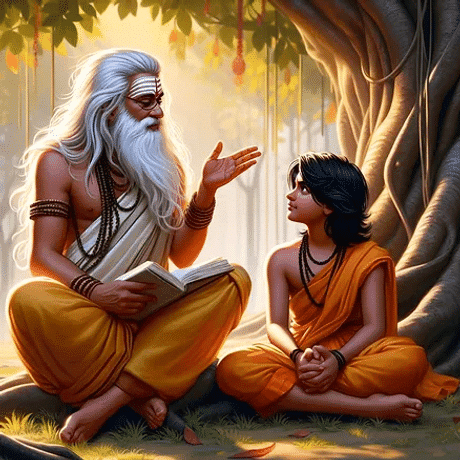
- Then there's Nachiketa, bravely asking Yama, the death god, about the immortal self, showing the value of questions.
- Gārgi, a wise rishika, debates Yājñavalkya, pushing him to explain how brahman powers the world, proving women's voices mattered too.
- These tales and teachings inspired Yoga, a way to feel brahman inside, laying the groundwork for Hinduism.
- The Upaniṣhads deepen Vedic roots, turning hymns into a big, connected vision of life that still guides India's spirit.
Q3: What are the main principles of Buddhism, and how did it start?
Ans:
- Buddhism began with Siddhārtha Gautama, born around 560 BCE in Lumbini, a prince who had everything until he saw life's pain.
- At 29, he left his palace after spotting an old man, a sick man, a dead body, and a calm ascetic, wondering why suffering exists.
- He roamed as an ascetic, then sat under a pipal tree in Bodh Gaya, meditating until he found enlightenment, becoming the Buddha, or 'awakened one.'
- He learned that ignorance, called avidyā, and attachment to things cause suffering, and taught a path of inner discipline to break free from them.
- Ahimsa, meaning non-hurting, became his rule-live kindly, harm no one.
- He shared this simple way, starting the Sangha, a group of monks to carry his message across India and beyond.
- Stories like the Jataka tales, where he's a monkey-king dying to save his troop, show selflessness, a core value.
- Unlike the Vedas, which he didn't follow, Buddhism built its own system, focusing on ending pain through understanding.
- His ideas spread wide, touching Asia with lessons of peace and discipline, leaving a mark on India's culture that lasts even now, a branch growing strong from its own bold roots.
Q4: What are Jainism's core ideas, and how did Mahāvīra share them?
Ans:
- Jainism sprouted with Vardhamāna, a prince born in the 6th century BCE near Vaiśālī, who traded royal comforts for truth at 30.
- After 12 years of tough ascetic life, he gained infinite knowledge, earning the title Mahāvīra, 'great hero,' and jina, a conqueror of ignorance.
- He preached ahimsa, a deep rule against harming any living thing-big or small-in action or thought, saying all creatures deserve kindness.
- Anekāntavāda, or 'not just one,' teaches that truth has many sides, like a puzzle with no single piece telling the whole story, urging patience and openness.
- Aparigraha means non-possession, living light with only what's needed, free from greed.
- Mahāvīra saw all life as linked, from humans to tiny beings, a web holding the world together.
- In a tale, Rohineya, a thief, hears Mahāvīra, turns from crime, and becomes a monk, showing right action's power.
- Mahāvīra's monks roamed, built monasteries, and spread these ideas, planting Jainism's seeds across India.
- With nonviolence and balance, it enriched India's culture, adding a gentle, thoughtful branch to the nation's ancient tree.
Q5: How do tribal beliefs add to India's culture?
Ans:
- Tribal beliefs weave a rich thread into India's cultural tapestry, starting with what tribes are-tight-knit groups sharing descent, culture, and a chief, owning no private land.
- India's 2011 count lists 705 tribes, over 104 million strong, more than Australia and the UK combined, scattered across states.
- They worship nature-mountains, rivers, trees, animals, even stones-as sacred, alive with spirit, like the Todas in Tamil Nadu who see Nilgiri peaks as divine homes, too holy to point at.
- Many also honor a supreme being, like Donyipolo in Arunachal Pradesh or Singbonga among the Munda, blending nature's gods with a higher power.
- Tribes and Hinduism swapped treasures-tribal deities like Jagannath of Puri joined Hindu temples, while tribes reshaped tales like the Mahābhārata in their own voices.
- Passed down orally, not written, these beliefs flow naturally.
- Sociologist André Bétéille says this mixing enriched both sides, with shared values like nature's holiness binding them.
- From Odisha to Tamil Nadu, tribal roots deepen India's culture, adding diversity and a sacred love for the land to its mighty tree.
FAQs on Short & Long Question Answers: India's Cultural Roots
| 1. What are the main influences on India's cultural roots? |  |
| 2. How does India’s geography impact its culture? | |
| 3. What role do festivals play in Indian culture? | |
| 4. How is language a reflection of India's cultural diversity? | |
| 5. Why is the concept of unity in diversity important in India? | |