CBSE Class 6 > Class 6 Notes > Mathematics > Worksheet: Symmetry - 2
Worksheet: Symmetry - 2

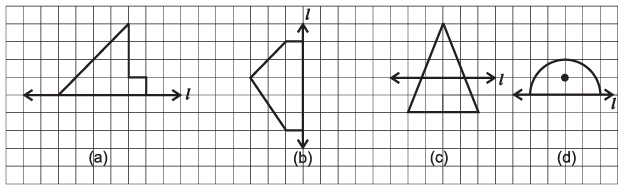
Q.1. In the following figures, l is the line of symmetry. Complete the diagram to make it symmetric.
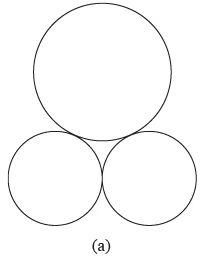
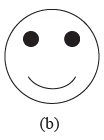
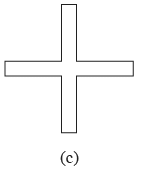
Q.2. Draw the line (s) of symmetry for each of the following figures :
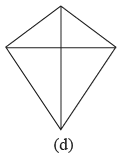
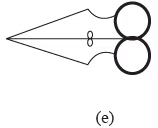
Q.3. Match the following :
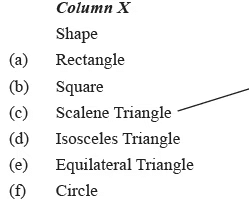
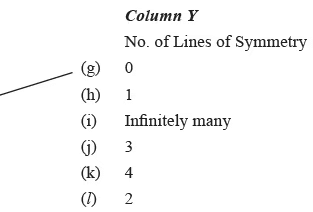
For example : A scalene triangle has no line of symmetry, so (c) is matched with (g).
You can access the solutions to this worksheet here.
The document Worksheet: Symmetry - 2 is a part of the Class 6 Course Mathematics for Class 6.
All you need of Class 6 at this link: Class 6
FAQs on Worksheet: Symmetry - 2
| 1. What is symmetry in geometry? |  |
Ans. Symmetry in geometry refers to a balanced and proportionate similarity found in two halves of an object. When a shape can be divided into two identical parts that are mirror images of each other, it is said to have symmetry. Common examples include butterflies and human faces.
| 2. How can we identify lines of symmetry in shapes? | |
Ans. To identify lines of symmetry in shapes, you can fold the shape along a line. If both halves match perfectly when folded, then that line is a line of symmetry. For example, a square has four lines of symmetry, while a rectangle has two.
| 3. What are the different types of symmetry? | |
Ans. The different types of symmetry include reflective symmetry (where one half is a mirror image of the other), rotational symmetry (where a shape can be rotated about a central point and still look the same), and translational symmetry (where a shape can be moved in space and still look the same).
| 4. Can you give examples of everyday objects that exhibit symmetry? | |
Ans. Yes, many everyday objects exhibit symmetry. For instance, a folded paper, a leaf, the human face, and even buildings often have symmetrical designs. These objects can typically be divided into symmetrical halves.
| 5. Why is symmetry important in art and design? | |
Ans. Symmetry is important in art and design because it creates a sense of balance and harmony. It can draw the viewer's attention and make a composition more aesthetically pleasing. Artists and designers often use symmetry to evoke feelings of stability and order.
About this Document

1K Views

4.65/5 Rating

Apr 29, 2026 Last updated
Related Exams
Document Description: Worksheet: Symmetry - 2 for Class 6 2026 is part of Mathematics for Class 6 preparation. The notes and questions for Worksheet: Symmetry - 2 have been prepared according to the Class 6 exam syllabus. Information about Worksheet: Symmetry - 2 covers topics like and Worksheet: Symmetry - 2 Example, for Class 6 2026 Exam. Find important definitions, questions, notes, meanings, examples, exercises and tests below for Worksheet: Symmetry - 2.
Introduction of Worksheet: Symmetry - 2 in English is available as part of our Mathematics for Class 6 for Class 6 & Worksheet: Symmetry - 2 in Hindi for Mathematics for Class 6 course. Download more important topics related with notes, lectures and mock test series for Class 6 Exam by signing up for free. Class 6: Worksheet: Symmetry - 2
Description
Worksheet: Symmetry of Mathematics - variety of important questions with solutions, helping you prepare for exam. Download free PDF from EduRev.
Information about Worksheet: Symmetry - 2
In this doc you can find the meaning of Worksheet: Symmetry - 2 defined & explained in the simplest way possible. Besides explaining types of Worksheet: Symmetry - 2 theory, EduRev gives you an ample number of questions to practice Worksheet: Symmetry - 2 tests, examples and also practice Class 6 tests



Related Searches
practice quizzes, Worksheet: Symmetry - 2, video lectures, Sample Paper, Objective type Questions, Extra Questions, Important questions, study material, Previous Year Questions with Solutions, Summary, Worksheet: Symmetry - 2, shortcuts and tricks, Worksheet: Symmetry - 2, MCQs, Free, mock tests for examination, Semester Notes, ppt, pdf , Viva Questions, past year papers, Exam;