Weekly Current Affairs (22 to 28 September 2025)


UK Begins Deportation Under New Returns Treaty
 Why in News?
The United Kingdom has commenced deportations under a newly established returns treaty with France. This initiative was highlighted by the removal of an Indian national, marking the first deportation since the treaty's inception. The purpose of the treaty is to mitigate illegal migration and alleviate the burden on the UK asylum system.
Key Takeaways
- The UK and France signed a "one-in, one-out" treaty to manage small boat migration.
- The first deportation occurred on September 22, 2025, involving an Indian national.
- The treaty allows for the rapid return of small boat migrants to France.
Additional Details
- Government's Position: UK Home Secretary Shabana Mahmood stated that the deportation is a crucial step towards enhancing border security and disrupting people-smuggling operations.
- Legal Framework: Migrants sent back to France cannot claim asylum in the UK. They may receive offers for voluntary return to their home countries, with enforced removals possible if they refuse.
- The treaty is effective until June 2026, focusing on decreasing the number of migrants housed in UK hotels.
- Over 35,000 migrants have been deported in the previous year, reflecting a significant operational scale.
This treaty is indicative of a strategic shift towards cooperative migration management between the UK and France, balancing humanitarian responsibilities with effective border control measures. By accepting vetted asylum seekers from France, the UK aims to reduce irregular migration and enhance the efficiency of the asylum process.
Election Commission Delists 474 Unrecognised Political Parties
 Why in News?
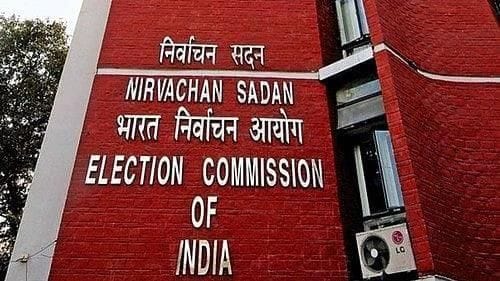
The Election Commission of India (ECI) has taken significant action by de-listing 474 Registered Unrecognised Political Parties (RUPPs) due to their failure to participate in elections for the last six years. This initiative aims to streamline the political environment and uphold the integrity of the electoral framework.
Key Takeaways
- A total of 808 political parties have been removed in the past two months, leaving 2,046 RUPPs registered.
- RUPPs must adhere to election participation and financial reporting standards to maintain their registered status.
Additional Details
- Background of RUPPs: Political parties in India must register with the ECI under Section 29A of the Representation of the People Act, 1951. Registration provides benefits such as election symbols and tax exemptions but requires compliance with electoral participation and financial reporting.
- Reasons for De-listing: The primary cause for removing RUPPs is their non-participation in elections over six years, along with failures to submit annual audited accounts for three financial years (2021-22, 2022-23, 2023-24) or file election expenditure reports.
- Process of De-listing: The Chief Electoral Officers (CEOs) issue show-cause notices to the parties before de-listing, allowing them to respond. The CEOs compile their findings and submit them to the ECI for the final decision.
- Impact on Political System: By removing inactive parties, the ECI enhances the electoral process's clarity and ensures that only serious parties benefit from registration, promoting transparency in political funding.
- Current Status: After the recent actions, 2,046 RUPPs remain registered, with another 359 parties under scrutiny for compliance issues.
This decision reflects the ECI's ongoing commitment to fostering a fair and accountable democratic process in India.
Extreme Nuclear Transients
 Why in News?
Recent discoveries have unveiled a new category of cosmic events, termed extreme nuclear transients (ENTs), which exhibit energy emissions significantly surpassing those of gamma-ray bursts (GRBs). These phenomena arise when massive stars are disrupted by supermassive black holes located at the centers of galaxies. ENTs are noted for their immense brightness, outshining any explosions recorded since the Big Bang. This discovery is crucial for enhancing our understanding of black hole behavior and the tumultuous processes that shape the universe.
Key Takeaways
- ENTs are more luminous than gamma-ray bursts, emitting energy up to ten times greater.
- They occur when stars at least three times the mass of the sun are torn apart by supermassive black holes.
- ENTs shine in radio wavelengths for years, allowing extensive study of these cosmic events.
Additional Details
- What Are Extreme Nuclear Transients? ENTs are powerful bursts resulting from the destruction of massive stars. As these stars approach supermassive black holes, tidal forces lead to their disintegration, generating streams of debris that emit vast electromagnetic energy detectable over great distances.
- Comparison with Other Cosmic Phenomena: Unlike gamma-ray bursts and tidal disruption events, ENTs are associated with larger galaxies and more massive black holes, making them rarer. They also differ from fast X-ray transients, which are shorter bursts linked to supernovae.
- Discovery and Observation: The identification of ENTs was facilitated by the European Space Agency's Gaia spacecraft, which observed unusual brightness variations over a decade. Additional confirmations were made through ultraviolet, X-ray, and ground-based observations.
- Significance in Black Hole and Cosmology Studies: ENTs provide insights into the interactions between massive stars and black holes, enhancing our understanding of black hole growth and galaxy evolution.
- Relation to Other High-Energy Cosmic Events: ENTs represent the most energetic transients, fitting into a broader spectrum of cosmic explosions, including GRBs, TDEs, and FXTs, all of which illustrate the universe's dynamic nature.
The discovery of extreme nuclear transients marks a significant advancement in astrophysics, offering new avenues for research on black holes and cosmic phenomena. Upcoming telescopes, such as the Vera C. Rubin Observatory, are expected to further enhance the detection and analysis of these remarkable events.
Make In India Launches Advanced Logistics Data Bank
 Why in News?
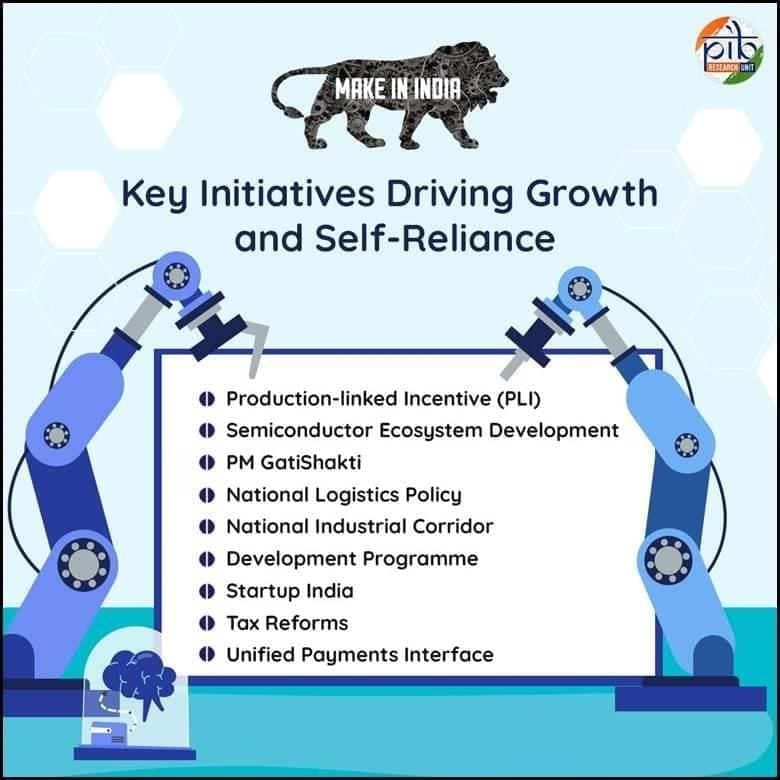
On September 23, 2025, India marked a significant advancement in its logistics sector with the launch of Logistics Data Bank (LDB) 2.0. This initiative was announced by the Union Minister of Commerce and Industry, Shri Piyush Goyal, as part of the ongoing celebrations for the decade-long Make in India program. LDB 2.0 is designed to revolutionize India's logistics ecosystem by providing real-time data and enhancing supply chain efficiency, thereby supporting the government's vision of a digitally empowered and export-competitive economy.
Key Takeaways
- The Logistics Data Bank 2.0 is an upgraded digital platform developed by NICDC Logistics Data Services.
- LDB 2.0 enables comprehensive tracking of export containers, including high-seas tracking beyond Indian ports.
- It integrates data from various transport modes, such as road, rail, and sea, ensuring seamless shipment monitoring.
Additional Details
- Real-time Tracking: LDB 2.0 provides vital information regarding logistics infrastructure and facility availability, tracking containers through unique identifiers like container numbers and truck IDs.
- Integration with ULIP: The platform's integration with the Unified Logistics Interface Platform (ULIP) APIs enhances data accuracy and accessibility.
- The system features a live container heatmap for geographical distribution, aiding in the quick identification of supply chain bottlenecks.
- LDB 2.0 aims to reduce logistics costs through improved resource allocation and operational efficiency.
- This initiative supports Micro, Small and Medium Enterprises (MSMEs) and exporters with reliable data and transparency.
The launch of LDB 2.0 is a crucial step towards achieving India's broader goals of self-reliance and sustainable growth. By establishing a strong digital logistics framework, this initiative enhances India's export potential and strengthens its global trade credibility, aligning with the vision of Viksit Bharat @2047.
NHRC Launches Online Internship on Human Rights
Why in News?
The National Human Rights Commission (NHRC) of India has initiated its Online Short Term Internship Programme for September 2025. From a total of 896 applicants, 80 students from 21 States and Union Territories were selected. This two-week programme is scheduled from 22 September to 3 October and aims to enhance youth understanding of the promotion and protection of human rights in India.
Key Takeaways
- The internship focuses on constitutional values and various human rights.
- Key topics include civil, political, social, and cultural rights, along with emerging challenges.
- Participants are expected to engage actively in discussions and internalize human rights principles.
- The programme includes interactive activities and virtual tours of relevant institutions.
Additional Details
- Programme Objectives: The internship aims to raise awareness about the importance of human rights amidst contemporary challenges such as climate change, artificial intelligence, cybercrime, and exploitation in the gig economy.
- Leadership Insights: NHRC Secretary General Bharat Lal emphasized the significance of justice, empathy, and dignity, highlighting the need for active engagement in human rights issues.
- Curriculum Overview: Joint Secretary Smt. Saidingpuii Chhakchhuak detailed the curriculum, which includes lectures and virtual tours to enhance participants' practical understanding.
The internship not only equips students with knowledge about international human rights law but also prepares them to tackle modern challenges effectively. Participants will emerge as informed and responsible ambassadors for human rights, encouraged to think critically and participate actively in human rights advocacy.
India's 2025 Economic Strategy
 Why in News?
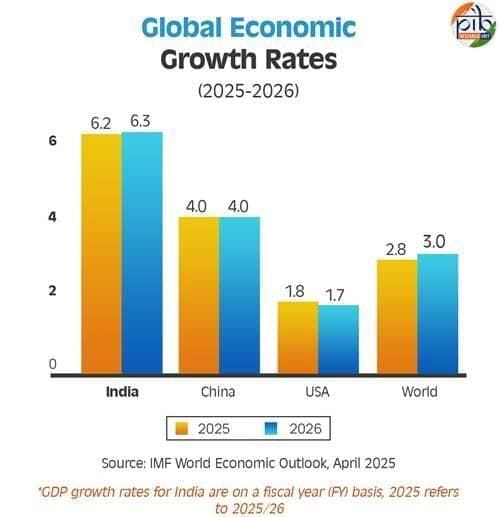
India's economic policy for 2025 is centered on increasing household consumption as a key driver for sustainable growth. Other sectors like private investment and net exports are facing various challenges, making it crucial for the government to stimulate domestic consumption to achieve a growth rate of over 8%.
Key Takeaways
- Focus on boosting household consumption to sustain economic growth.
- Government spending remains strong but cannot solely drive the economy.
- Challenges in private investment and net exports hinder growth targets.
Additional Details
- Government Expenditure: There has been a significant increase in government capital expenditure post-pandemic, which is expected to moderate. Infrastructure investments are ongoing, supported by interest-free loans to States.
- Household Consumption: Household consumption constitutes the largest part of India's GDP and is less influenced by global uncertainties. However, growth is limited by slow income growth and cautious spending habits.
- GST Reforms: New GST rate reforms effective September 2025 aim to lower prices on many goods, helping to stimulate spending, particularly in rural areas.
- Income Tax Cuts: Income tax reductions in the 2025 Budget are designed to increase disposable income, though immediate boosts in consumption may be limited.
- Wage Growth Challenges: An oversupply of labor and skill shortages are constraining wage growth, affecting overall consumption potential.
- Private Investment Needs: To complement consumption-led growth, private investment must increase. Current industrial capacity utilization remains below 80%, indicating potential for growth if demand rises.
- Global Trade Issues: Indian exports are hindered by global trade tensions and protectionist policies, especially with high tariffs from the US affecting competitiveness.
In conclusion, India's economic strategy for 2025 underscores the importance of household consumption as a pivotal factor for growth, while addressing the pressing need for increased private investment and overcoming global trade challenges.
India's Cold Start Exercise Tests Advanced Drone Defence
 Why in News?
India is preparing to conduct its largest joint military exercise focused on drones and counter-drone systems in early October 2025. Named Cold Start, this exercise will bring together the Army, Navy, and Air Force to assess operational readiness against emerging aerial threats, likely taking place in Madhya Pradesh. It follows insights gained from Operation Sindoor, which effectively countered adversary drone incursions.
Key Takeaways
- The Cold Start exercise aims to evaluate India's capabilities in detecting and neutralizing hostile drones and UAVs.
- It reflects the growing concerns over drone warfare in contemporary conflicts.
- Involvement of industry partners and research organizations is aimed at enhancing feedback and innovation during the exercise.
Additional Details
- Operational Focus: The exercise will focus on counter-drone technologies, including GPS jamming and electronic warfare, to simulate realistic combat scenarios.
- Strategic Importance: The emphasis on drone technology highlights its increasing relevance in modern warfare, as adversaries are rapidly advancing their own capabilities.
- The exercise is a part of India's broader strategy to maintain a technological edge and enhance deterrence against aerial threats.
- Integrated Defence Vision: The Indian military is transitioning towards an integrated defence system that combines various sensors, countermeasures, and command networks to respond effectively to evolving threats.
In conclusion, the Cold Start exercise represents a critical step in enhancing India's defence preparedness against drone warfare, ensuring that it remains ahead of adversaries in a rapidly changing technological landscape.
India Expands Telecom Security Testing Laboratories Network
 Why in News?
India has recently fortified its telecom security infrastructure by designating M/s Compliance International Pvt. Ltd., located in Noida, as a Telecom Security Testing Laboratory (TSTL) for IP Routers. This initiative falls under the Communication Security Certification (ComSec) Scheme and increases the number of TSTLs in India to nine, enhancing the overall security testing capabilities across the nation.
Key Takeaways
- Designation of the ninth TSTL in Noida for IP Routers.
- Faster and cost-effective testing services for manufacturers and service providers.
- Part of the broader Mandatory Testing and Certification of Telecom Equipment (MTCTE) framework.
Additional Details
- National Centre for Communication Security (NCCS): Operates under the Department of Telecommunications, responsible for security testing and certification of telecom and ICT products in India.
- Communication Security Certification Scheme (ComSec): Ensures that telecom equipment meets mandatory security standards before use or sale in India.
- The TSTLs are strategically located across five states: Karnataka, Haryana, Uttar Pradesh, Tamil Nadu, and Maharashtra.
- A total of 27 categories of telecom equipment are authorized for testing, including IP Routers, Wi-Fi Customer Premises Equipment (CPEs), and various 5G network functions.
The expansion of TSTLs aligns with the Government of India's vision to establish the country as a global leader in telecom security testing and certification. This initiative not only strengthens national telecom security but also promotes the domestic manufacturing sector by ensuring compliance with international standards.
Uttar Pradesh International Trade Show 2025 Inaugurated
 Why in News?
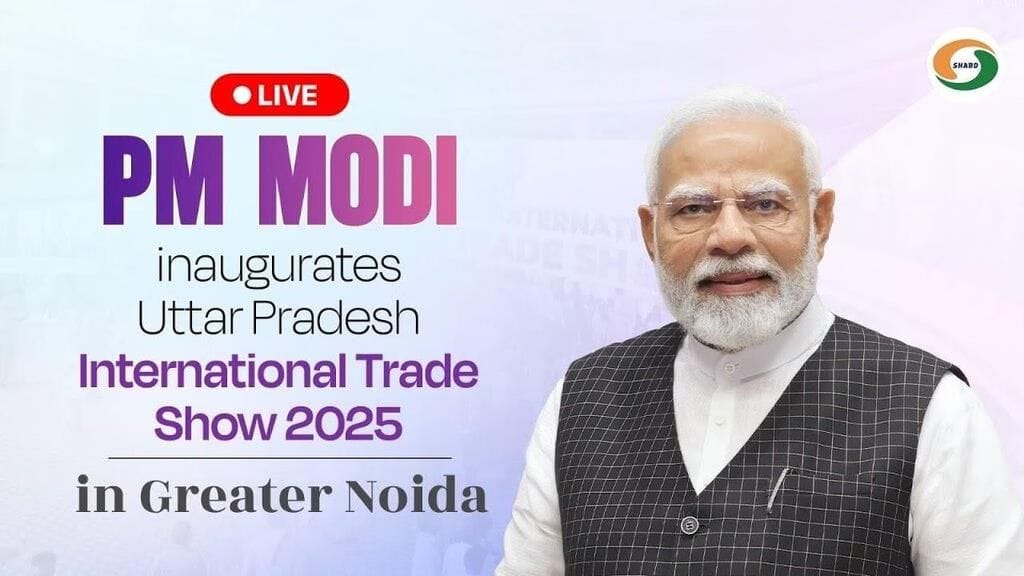
The Uttar Pradesh International Trade Show-2025 (UPITS-2025) was officially inaugurated by Prime Minister Narendra Modi at Greater Noida. This significant event is taking place from September 25 to 29, 2025, with Russia participating as the partner country. UPITS-2025 is recognized as one of the largest trade shows in the region, drawing thousands of exhibitors and visitors with the aim of enhancing investment, industrial growth, and employment opportunities in Uttar Pradesh.
Key Takeaways
- UPITS-2025 features over 2,400 exhibitors.
- It anticipates approximately 125,000 B2B visitors and 450,000 B2C visitors.
- The event highlights Uttar Pradesh's expanding industrial capacity and investment potential.
- Russia is the designated partner country, fostering bilateral trade connections.
Additional Details
- Event Scale: UPITS-2025 is larger than its predecessors, gathering industrialists, entrepreneurs, policymakers, and global buyers.
- Security Measures: A comprehensive four-tier security system is in place, involving over 5,000 personnel from various security organizations, including police and special forces, alongside drone surveillance and CCTV monitoring.
- Economic Implications: The trade show aligns with government initiatives such as Make in India, Vocal for Local, and Aatmanirbhar Bharat, aiming to attract investments and boost job creation.
- The event serves as a significant platform for regional industrial development, facilitating networking and innovation among businesses.
In conclusion, UPITS-2025 is a pivotal event for Uttar Pradesh, promoting its industrial growth and enhancing its reputation as a key investment hub. The collaboration with Russia further underscores the potential for international business partnerships.
Technology for Efficient Water Management Summit 2025
Why in News?
The Government of India, under the leadership of Prime Minister Shri Narendra Modi, has initiated a series of six Departmental Summits aimed at integrating essential grassroots information into national policy-making. Among these, the "Sujalam Bharat" Summit is dedicated to the critical issue of water management. This summit is coordinated by NITI Aayog and supported by the Ministry of Jal Shakti (MoJS) to gather diverse feedback on water policies from various regions and stakeholders.
Key Takeaways
- The Central Water Commission (CWC) recently held a virtual workshop titled "Technology for Efficient Water Management."
- Participants included officials from various Indian states, local government members, and experts from institutions such as the National Remote Sensing Centre (NRSC), Hyderabad.
- The workshop aimed to collect grassroots-level inputs for enhancing water management policies.
- Key themes included agricultural efficiency, modernization, and water conservation strategies.
Additional Details
- Workshop Objectives: The workshop aimed to gather essential feedback from stakeholders about adopting efficient water management technologies. Ms. Archana Verma highlighted the necessity of participation from all sectors to implement these technologies effectively.
- Key Themes Discussed:
- Agricultural Efficiency: Promotion of micro-irrigation systems and emphasis on precision agriculture and crop diversification.
- Modernisation and Automation: Upgrading tertiary canal distribution systems and incorporating Remote Sensing and Artificial Intelligence (AI) in water management.
- Water Conservation and Accounting: Encouraging the use of water-efficient appliances and implementing water accounting for better allocation and conservation.
- Presentations from various states showcased innovative technologies and community-led models, addressing regional water management challenges.
In conclusion, Shri Atul Jain emphasized that effective water management transcends mere infrastructure. The initiative seeks a holistic approach to ensure national water security by integrating technology, policy, and community involvement.
Saudi-Pakistan Defence Pact Alters Regional Security Dynamics
Why in News?
On September 27, 2025, Saudi Arabia and Pakistan formalized a Strategic Mutual Defence Agreement. This significant pact stipulates that any act of aggression against either nation will be viewed as an act of aggression against both, raising concerns in New Delhi due to India's ongoing tensions with Pakistan. The agreement emerges amidst escalating military and diplomatic tensions in South Asia and evolving alliances in West Asia.
Key Takeaways
- The pact was initiated following a major terrorist attack in Jammu and Kashmir in April 2025.
- India's efforts to isolate Pakistan faced challenges, further complicated by the new Saudi-Pakistan agreement.
- The deal reflects broader geopolitical shifts in West Asia, particularly post the 2023 Hamas-Israel conflict.
- Pakistan's nuclear capabilities are seen as a valuable asset for Saudi security interests in the region.
Additional Details
- Context of the Agreement: The pact was signed after intense military exchanges between India and Pakistan, following a terrorist incident that heightened tensions. India sought global support against Pakistan but encountered resistance.
- The agreement signifies a restoration of Saudi-Pakistan relations, which had previously been strained due to Pakistan's refusal to join Saudi Arabia's campaign in Yemen in 2015.
- This new alliance suggests a shift in Saudi Arabia's strategic focus towards autonomy and multipolarity, moving away from heavy reliance on the United States.
- The agreement poses challenges for India, complicating its diplomatic efforts to isolate Pakistan and raising questions about India's regional influence.
The Saudi-Pakistan defence agreement is a clear indicator of the changing dynamics in global and regional politics. It underscores the need for India to reassess its foreign policy strategies in response to evolving geopolitical landscapes.
Digital Reforms Transform Gram Panchayat Governance
Why in News?
The Ministry of Panchayati Raj (MoPR) has initiated a series of digital reforms in 2025 aimed at enhancing the operations of Gram Panchayats. These reforms are designed to make governance more efficient, transparent, and inclusive, aligning with the Government's visions of Digital India and Atmanirbhar Bharat.
Key Takeaways
- Introduction of AI, geo-spatial mapping, and digital tools to improve Panchayat functionality.
- Launch of the AI tool SabhaSaar for real-time meeting summaries.
- Implementation of SVAMITVA for legal land ownership through advanced surveying methods.
- Expansion of high-speed internet connectivity across rural areas via BharatNet.
- Launch of eGramSwaraj for integrated Panchayat management.
- Development of the Meri Panchayat app for citizen empowerment.
- Panchayat NIRNAY portal for efficient meeting management.
- Geo-spatial planning tools like Gram Manchitra for evidence-based development.
- Recognition of digital innovations through National Awards for e-Governance.
Additional Details
- AI-Powered Meeting Summaries with SabhaSaar: This tool captures and summarizes Gram Sabha meetings in real time, producing precise minutes from audio or video recordings. It is integrated with Bhashini, the National Language Translation Mission, and supports 14 Indian languages, thereby reducing manual work and ensuring unbiased records.
- Legal Land Ownership via SVAMITVA: Launched in 2020, this initiative uses drones and advanced mapping techniques to survey rural properties, providing villagers with legal ownership documents. This is crucial for accessing bank loans, resolving disputes, and enhancing property tax collection, empowering rural citizens.
- Rural Connectivity Backbone - BharatNet: Since 2011, BharatNet has connected over 6.26 lakh villages with high-speed internet, enabling services like e-education, e-health, and e-governance. This connectivity supports various applications that enhance transparency and participation among villagers.
- Integrated Panchayat Management with eGramSwaraj: This web portal centralizes Panchayat functions such as planning, budgeting, and monitoring, used by over 2.7 lakh Panchayats for improved accountability and efficiency.
- Citizen Empowerment through Meri Panchayat App: This app provides real-time access to Panchayat budgets, development plans, and grievance redressal for over 95 crore rural residents, thereby promoting transparency and inclusivity.
- Efficient Meeting Management via Panchayat NIRNAY: This digital portal automates the scheduling and recording of Gram Sabha meetings, fostering greater citizen participation and enhancing decision-making transparency.
- Geo-Spatial Planning with Gram Manchitra: A GIS-based tool that assists Panchayats in developing plans using spatial data, this approach allows for visual project tracking and evidence-based local planning.
- Recognition of Digital Innovations: The National Awards for e-Governance 2025 acknowledged grassroots digital initiatives, receiving over 1.45 lakh entries. Winners such as Rohini Gram Panchayat (Maharashtra) and West Majlishpur (Tripura) were awarded funding to enhance local welfare initiatives.
In conclusion, these digital reforms represent a significant step toward modernizing rural governance in India, making it more efficient and accessible for citizens, thus reshaping the landscape of local governance.
FAQs on Weekly Current Affairs (22 to 28 September 2025)
| 1. What are the implications of the UK’s new returns treaty on deportation policies? |  |
| 2. How does the Election Commission's decision to delist unrecognized political parties affect the political landscape? | |
| 3. What are extreme nuclear transients, and why are they significant? | |
| 4. What is the purpose of the Advanced Logistics Data Bank launched under the Make in India initiative? | |
| 5. How does the Technology for Efficient Water Management Summit contribute to sustainable practices? | |