Environment, Ecology & Climate Change : December 2025 Current Affairs


GS3/Environment
UNEA-7 Endorses India's Wildfire Management Initiative

Why in News?
India's resolution titled "Strengthening the Global Management of Wildfires" was adopted during the 7th session of the United Nations Environment Assembly (UNEA-7) held in Nairobi. This resolution received widespread support from member states, highlighting the global recognition of the increasing threat posed by wildfires and the urgent need for coordinated international efforts to address this issue.
Key Takeaways
- The UNEA serves as the highest-level decision-making body on global environmental issues.
- The resolution emphasizes the transition from reactive to proactive wildfire management strategies.
- Significant environmental and economic impacts of wildfires are acknowledged, necessitating immediate action.
Additional Details
- UN Environment Assembly (UNEA): Established in 2012, UNEA provides a platform for addressing critical environmental challenges and has universal membership from all 193 UN member states.
- Environmental Impact of Wildfires: Wildfires lead to substantial ecological damage, including loss of biodiversity, degradation of air and water quality, and significant greenhouse gas emissions.
- Scientific Projections: Reports indicate that if current trends continue, wildfires could increase by 14% by 2030, 30% by 2050, and 50% by 2100, underscoring the need for immediate action.
- Key Provisions of the Resolution: The resolution advocates for stronger international cooperation in early-warning systems, enhanced collaboration for ecosystem restoration, and improved access to international financing for wildfire resilience projects.
In conclusion, the UNEA-7 session concluded with the adoption of 11 resolutions, marking a significant commitment to multilateral environmental governance. However, the session was overshadowed by the United States' withdrawal from negotiations, raising concerns about the future of collective global environmental initiatives.
GS3/Environment
Parliamentary Panel's Key Recommendations on Delhi's Air Pollution
Why in News?
A recent report on air pollution in Delhi-NCR, presented in Parliament, underscores the urgent need to address vehicular emissions and calls for a thorough review of India's emission standards.
Key Takeaways
- The report emphasizes the need for stronger vehicular emission standards.
- It advocates for the increased adoption of electric vehicles (EVs).
- Recommendations include the installation of air purifiers in public spaces.
- There is a call to upgrade National Ambient Air Quality Standards (NAAQS).
- The report addresses the persistent issue of stubble burning in North India.
- A holistic approach to air quality management is deemed essential.
Additional Details
- Strengthening Vehicular Emission Standards: The panel recommends a comprehensive review of India's vehicular emission standards to align with global best practices and scientific advancements. This includes stricter regulations on nitrogen oxide (NOx) emissions from ethanol-blended fuels.
- Incentives for Electric Vehicles: To boost EV adoption, the report suggests implementing incentives such as reduced parking fees for EVs and higher fees for petrol and diesel vehicles, alongside tax benefits on EV loans.
- Mandatory Air Purifiers: The committee recommends installing air purifiers in all public schools, hospitals, and government offices, highlighting the need to make these devices more accessible by reducing or eliminating GST.
- Updating NAAQS: The report calls for the expedited revision of NAAQS, the last update of which was in 2009, to incorporate new health data and research findings.
- Monitoring Stubble Burning: To improve enforcement against stubble burning, the committee suggests launching high-resolution satellite monitoring to track farm fires and integrating this data with digital farm records.
- Holistic Air Quality Management: Emphasizing that no single policy can resolve the pollution crisis, the report advocates for a coordinated strategy that combines regulatory reforms, technological investments, and behavioral changes.
The recommendations outlined in the report aim to enhance air quality management in Delhi-NCR and align it with global standards, addressing the critical environmental challenges posed by air pollution.
GS3/Environment
The Invisible Epidemic: Why Air Pollution is Now India's Largest Health Threat
Why in News?
Air pollution in India has transitioned from a seasonal issue to a chronic public health crisis affecting the entire country. This shift highlights a significant public health emergency, impacting all demographics and organ systems.
Key Takeaways
- India's air quality crisis is widespread, with nearly 60% of monitored cities exceeding PM2.5 standards.
- Persistent exposure to toxic air is reshaping health outcomes, especially in children, and significantly reducing life expectancy.
- Current policies like the Graded Response Action Plan (GRAP) are reactive rather than preventative, limiting their effectiveness.
Additional Details
- Health Impact: Nearly 46% of Indians reside in areas where air pollution reduces life expectancy, with severe implications for public health.
- Mortality Rates: Air pollution was a contributing factor in nearly two million deaths in 2023, primarily due to cardiovascular diseases, stroke, and respiratory issues.
- Biological Pathways of Harm:
- Cardiovascular damage includes increased risks of hypertension and heart attacks.
- Respiratory illnesses, such as asthma, are rising sharply among children.
- Neurological effects include impaired cognitive development and increased dementia risks.
- Socioeconomic Inequality: Low-income communities face greater exposure to pollution due to their proximity to pollution sources.
In conclusion, India's air pollution crisis represents a systemic public health emergency that exacerbates health inequalities and threatens national development. Recognizing clean air as a fundamental right and implementing comprehensive, science-driven policies are critical for safeguarding public health and ensuring a healthier future for all generations.
GS3/Environment and Ecology
India is focusing on PM10 but PM 2.5 is the real threat
Why in News?
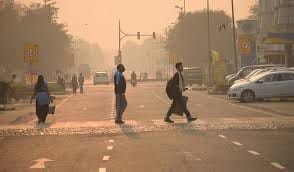
A recent study by the Sustainable Futures Collaborative (SFC) has found that India's approach to controlling air pollution is heavily focused on PM10 particles, while the more harmful PM2.5 particles are not being addressed adequately. This study compares India's pollution regulations with those of countries like China, Mexico, Brazil, Poland, South Korea, and Germany, highlighting a significant mismatch between what India monitors and the actual health risks posed by different pollutants.
The Scientific Hierarchy of Harm in Particulate Matter
- PM2.5 Toxicity: These fine particles can penetrate deep into the lungs and enter the bloodstream, leading to serious cardiovascular and respiratory diseases.
- PM10 Characteristics: PM10 particles are larger, which means they do not penetrate the body as deeply and have a comparatively lesser health impact.
- Policy Mismatch: Despite PM2.5 being a more significant health risk, regulatory attention in India remains fixed on PM10. This misalignment creates a gap between pollution control efforts and the actual disease burden caused by air pollution.
Regulatory Bias Towards PM10 in India
- Monitoring Focus: The National Clean Air Programme (NCAP) primarily measures progress through reductions in PM10 levels.
- Administrative Ease: Reducing PM10 levels is easier to demonstrate through visible actions such as road sweeping and construction controls.
- Institutional Incentives: City authorities prefer focusing on pollutants that show quicker compliance outcomes, leading to a preference for PM10.
- Policy Consequence: As a result, PM2.5 mitigation receives limited planning, funding, and enforcement priority, despite being a more critical health risk.
Geography and Urban Form as Pollution Amplifiers
- Delhi's Topography: Delhi is situated on a plateau surrounded by mountains, which restricts the dispersion of pollutants.
- Atmospheric Stagnation: During winter, atmospheric inversion traps pollutants close to the ground, exacerbating air quality issues.
- Regional Inflows: Pollutants from surrounding regions contribute to the local emissions burden, adding to the PM2.5 levels.
- Result: These factors lead to a structural accumulation of PM2.5 that exceeds the effectiveness of city-level control measures.
International Regulatory Pathways Compared
- China: China shifted from PM10 to PM2.5 standards in response to public health pressure, implementing national emission standards and improving fuel quality.
- Mexico: Mexico adopted health-based air quality standards following interventions from the judiciary and civil society.
- Poland: Poland embraced EU emission norms after local political changes and civil resistance.
- Common Feature: These countries share strong national regulation, judicial pressure, and health-based standards in their regulatory approaches.
- Indian Contrast: In contrast, India's regulatory framework is marked by fragmented authority, weak enforcement, and delayed evolution of standards.
Institutional Capacity Constraints in India
- State Pollution Control Boards (SPCBs): These boards are resource-poor and understaffed, limiting their capacity to monitor and enforce pollution controls effectively.
- Monitoring Load: Engineers in SPCBs are tasked with ensuring compliance for air, water, and waste simultaneously, stretching their resources thin.
- Outsourcing Dependence: Compliance monitoring is often outsourced to private agencies, leading to potential conflicts of interest and undermining accountability.
- Regulatory Gap: There is limited accountability and weak enforcement on the ground, creating a gap in regulatory effectiveness.
Monitoring Deficit and Data Blindness
- Ground Monitoring: There is a lack of sufficient real-time monitoring infrastructure for PM2.5, hindering the ability to assess and address this critical pollutant.
- Compliance Illusion: Cities may meet PM10 reduction targets, giving a false impression of compliance, while PM2.5 levels remain hazardous and unaddressed.
- NCAP Limitation: The National Clean Air Programme (NCAP) does not prioritize PM2.5 reduction in its evaluation of non-attainment cities, leading to a skewed assessment of air quality improvements.
- Outcome: As a result, policy success is measured through incomplete indicators, overlooking the critical health impacts of PM2.5.
Policy Instruments and Their Limitations
- Smog Guns: These interventions are more symbolic than effective, having minimal impact on reducing PM2.5 levels.
- Construction Controls: While these controls are effective for PM10, their impact on PM2.5 is marginal, limiting their overall effectiveness.
- Road Dust Management: This policy is driven by visibility concerns rather than health outcomes, resulting in limited impact on PM2.5 reduction.
- Structural Failure: There is a lack of targeting emission sources responsible for fine particulates, leading to a structural failure in addressing PM2.5 effectively.
Conclusion
India's strategy for tackling air pollution is not lacking in intent but is hindered by misaligned priorities and weak institutional frameworks. By focusing on PM10 instead of PM2.5, policymakers risk addressing visibility issues rather than the more critical health impacts. To improve pollution control efforts, there needs to be a significant shift towards health-based air quality standards, enhanced monitoring capabilities, and regulations centered on PM2.5. Without these changes, India's efforts will continue to fall short, despite visible compliance improvements.
GS3/Environment
Right to a Healthy Environment in India

Why in News?
The recent surge in air pollution levels in Delhi-NCR has sparked renewed discussions about formally recognizing the right to a healthy environment as a constitutional right in India.
Key Takeaways
- Recurring environmental crises, especially during winter, severely affect public health.
- The judiciary has played a crucial role in interpreting the right to a healthy environment through landmark rulings.
- Environmental principles such as the precautionary principle and the public trust doctrine are vital in Indian jurisprudence.
Additional Details
- Environmental Degradation: India faces significant environmental challenges, with air pollution particularly severe in winter months due to various factors such as vehicular emissions and agricultural practices. This leads to serious health issues like respiratory diseases and cardiovascular problems.
- Particulate Matter (PM): PM10 and PM2.5 are the main pollutants, with PM2.5 particles being particularly harmful as they can enter the bloodstream, posing serious health risks, especially to vulnerable populations.
- Constitutional Basis: While the original Constitution does not explicitly mention environmental rights, judicial interpretations have expanded Article 21 (Right to Life) to encompass the right to a clean environment, reinforced by Articles 48A and 51A(g).
- Judicial Role: The judiciary has intervened through Public Interest Litigations (PILs) to address environmental harms, balancing development with ecological sustainability.
- Environmental Principles: Key principles such as absolute liability, precautionary principle, and polluter pays are integral to Indian environmental law, promoting accountability and sustainable practices.
- Public Trust Doctrine: This doctrine asserts that the state holds natural resources in trust for the public, preventing exploitation for private gain, further supported by constitutional provisions.
- Need for Explicit Recognition: There is a growing call for the explicit inclusion of the right to a healthy environment in the Constitution to enhance legal enforceability and clarify state responsibilities amidst climate challenges.
The ongoing discussions emphasize the urgent need for comprehensive legal frameworks to protect environmental health, reflecting a shift towards recognizing environmental rights as essential to human dignity and public welfare.
GS3/Environment
Redrawing the Aravallis

Why in News?
The Environment Ministry has faced criticism for its new definition of the Aravalli Hills, asserting that there is no immediate ecological threat. The range is claimed to remain protected, with mining permitted in only 0.19% of its entire area. While the government has paused new mining leases pending further study, critics argue that this assurance does not adequately address contested court submissions or wider environmental concerns beyond mining.
Key Takeaways
- A new definition of the Aravalli Hills was approved by the Supreme Court in November 2025, defining the range as landforms rising 100 metres or more above local relief.
- Critics warn that this new classification could exclude significant portions of the Aravallis from protection.
- The Environment Ministry has pledged no new mining leases will be issued until further studies are completed.
Additional Details
- Current Protections: Several areas within the Aravalli range, such as tiger reserves, national parks, and wildlife sanctuaries, are still legally protected and closed to mining unless specifically allowed under relevant laws.
- Fragility of Protection: Regulatory protections can be altered; for instance, an attempt to redefine the Sariska tiger reserve was halted only through Supreme Court intervention, highlighting the vulnerability of such safeguards.
- Impact of the New Benchmark: The new definition does not entirely exclude landforms below 100 metres. If two hills rise at least 100 metres and are within 500 metres of each other, the area between them is also included as part of the Aravalli range.
- Rajasthan, which contains nearly two-thirds of the Aravalli range, faces the most significant exclusions under this new classification.
In summary, while the government's new definition aims to clarify the boundaries of the Aravalli Hills, it has raised concerns about the potential exclusion of critical ecological areas and the implications for environmental protection against mining and development.
GS3/Environment
A Dismantling of the Base of Environmental Regulation
Why in News?
The Supreme Court of India's decision in the case of CREDAI vs Vanashakti on November 18, 2025, indicates a significant and concerning shift in the country's approach to environmental law. The ruling, delivered by a 2:1 majority, has reinstated the possibility of retrospectively legalizing projects that were built without proper environmental clearances (ECs), following the Court's own earlier judgment that had deemed such clearances illegal.
Key Takeaways
- The Supreme Court's majority decision prioritizes public interest over strict environmental regulations.
- It allows developers to retroactively legalize projects that violate environmental laws, undermining the principle of prior environmental scrutiny.
- Justice Ujjal Bhuyan's dissent emphasizes the risks of normalizing illegal construction practices.
Additional Details
- Original Judgment: The May 2025 ruling by Justice A.S. Oka rejected government notifications that allowed retrospective ECs, emphasizing the need for prior environmental scrutiny as crucial for ecological protection.
- Implications of the Review Judgment:
- This ruling diminishes the effectiveness of the Environmental Impact Assessment (EIA) process, potentially reducing it to a mere formality.
- It sends a troubling message at a time of increasing climate risks, indicating a willingness to compromise on ecological safeguards for the sake of economic development.
- Enforcement Challenges: The decision may lead to voluntary compliance, where developers feel confident that violations can be regularized with fines, weakening regulatory authority.
The upcoming hearings present an opportunity to reaffirm the importance of prior environmental scrutiny, essential for protecting ecological integrity and maintaining the credibility of India's environmental governance framework.
GS3/Environment
India's Seven-Point Energy Transition Agenda for 2035
Why in News?
India is required to submit new Nationally Determined Contributions (NDCs) under the Paris Agreement, aimed at achieving its net-zero target by 2070. The nation is on track to meet previous commitments and is now focusing on a comprehensive energy transition strategy for 2035.
Key Takeaways
- India aims for a 65% reduction in emissions intensity by 2035.
- The target for non-fossil fuel power capacity is set to reach 80% by 2035.
- No new unabated coal plants will be established after 2030.
- Electric transport electrification targets include near-100% electric trains and 50% electric buses by 2035.
- Investment needs are estimated at $62 billion annually from 2026 to 2035.
Additional Details
- Higher emissions intensity reduction target: India plans to achieve a 65% reduction in emissions intensity of its GDP by 2035, compared to a 2005 baseline, despite projected GDP growth.
- Expanding non-fossil-fuel power capacity: The goal is to achieve 80% non-fossil fuel capacity by 2035, with a total power capacity of 1,600 GW, including significant solar and wind energy contributions.
- Phasing down unabated coal: After 2030, no new unabated coal plants will be built, with existing capacity expected to peak and then gradually decline.
- Accelerating electrification of transport: Nearly all railway traction is to be electrified by 2035, and urban transport will see an increase in electric vehicle usage.
- Financing the transition: An estimated $62 billion annually is necessary to fund the transition, with a substantial portion sourced domestically.
India is at a pivotal moment in its energy transition journey. By implementing a well-structured seven-point agenda, the country can align its economic growth with its long-term climate commitments, ensuring a sustainable and equitable energy future.
GS3/Environment
Aravalli Hills and Environmental Protection
Why in News?
The Supreme Court has put a hold on its previous decision that accepted a restrictive definition of the Aravalli Hills, opting instead for a re-evaluation by a high-powered expert committee.
Key Takeaways
- The Aravalli Mountain Range is one of the oldest fold mountain systems, with geological origins dating back approximately 1.5 billion years.
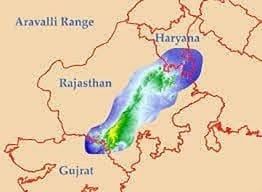
- It spans over 690 km, connecting Gujarat, Rajasthan, Haryana, and Delhi, and plays a crucial ecological role.
- Recent Supreme Court actions focus on redefining the protected area of the Aravallis amidst concerns over environmental degradation.
Additional Details
- Geographical & Ecological Significance: The Aravallis help prevent the eastward spread of the Thar Desert, regulate climate and rainfall patterns, recharge groundwater, and act as a buffer against air pollution, particularly for the Delhi-NCR region.
- Legal Background: Environmental protection of the Aravallis has been shaped by judicial interventions, particularly through the Environment (Protection) Act, 1986, but a precise definition remains elusive, leading to ongoing disputes.
- In a recent ruling, the Supreme Court limited the definition of the Aravallis, including only hills above 100 meters and hill clusters within 500 meters, which raised public concern over potential ecological losses.
- The Court has emphasized the need for a comprehensive scientific assessment to ensure the entire mountain system is protected, not just fragmented areas.
The ongoing legal and environmental discourse around the Aravalli Hills underscores the need for a balanced approach to mining and ecological preservation, reflecting the importance of sustainable practices in protecting natural resources for future generations.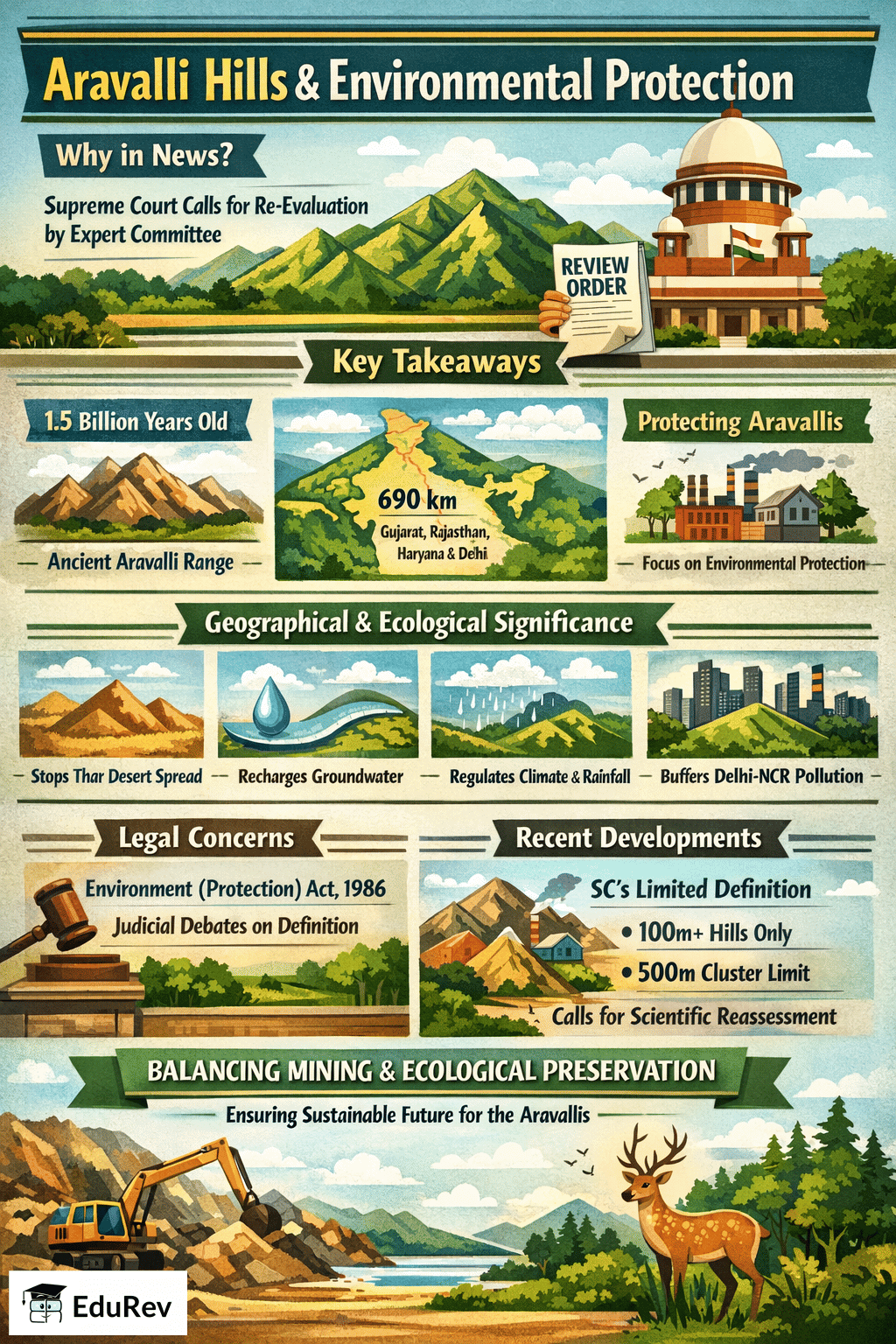
GS3/Environment
India's Clean Energy Transition - Manufacturing Push, Market Paradoxes and Structural Bottlenecks
Why in News?
India is rapidly advancing its clean energy transition to fulfill climate commitments, reduce reliance on imports, and establish itself as a global hub for renewable energy and green hydrogen. Recent developments in solar manufacturing and clean energy investments indicate significant progress, yet persistent structural challenges remain in manufacturing, finance, grid infrastructure, and emerging technologies.
Key Takeaways
- Significant growth in domestic solar manufacturing capacity, nearly doubling its production capabilities.
- Structural contradictions in the solar supply chain, with continued reliance on imports despite increased domestic capacity.
- Financial stress in clean energy investments, exacerbated by DISCOM financial distress and contract renegotiations.
- Challenges in grid infrastructure leading to stranded renewable capacity.
- Strategic goals under the National Green Hydrogen Mission (NGHM) facing economic hurdles and infrastructure gaps.
Additional Details
- Solar Manufacturing: India has shifted from being heavily reliant on Chinese imports to boosting domestic solar module manufacturing capacity, adding 25.3 GW in 2024 alone.
- Production Linked Incentive (PLI) Scheme: This initiative has been crucial in attracting private investment and reflects India's commitment to enhancing its position in the global value chain.
- Despite growth, India imported approximately 66 GW of solar modules in 2024, indicating a need for stronger upstream integration in polysilicon and wafer manufacturing.
- Clean Energy Investment: In FY2025, India attracted $3.4 billion in foreign direct investment (FDI), primarily in the power sector, but financial distress among DISCOMs poses risks to investor confidence.
- Grid Constraints: Renewable capacity of nearly 60 GW is stranded due to transmission infrastructure inadequacies, leading to financial modeling difficulties and increased risk premiums.
- National Green Hydrogen Mission (NGHM): Aiming for 5 million metric tonnes of green hydrogen annually by 2030, yet facing challenges such as high production costs and infrastructure gaps.
In conclusion, while India's clean energy transition showcases its ambition through advancements in manufacturing, competitive pricing, and a vision for green hydrogen, it faces significant structural bottlenecks. Addressing issues related to grid infrastructure, financial stability, and supply chain integration will be critical in determining whether India can position itself as a leader in the global energy transition landscape.
GS3/Environment
Bioremediation in India
Why in News?
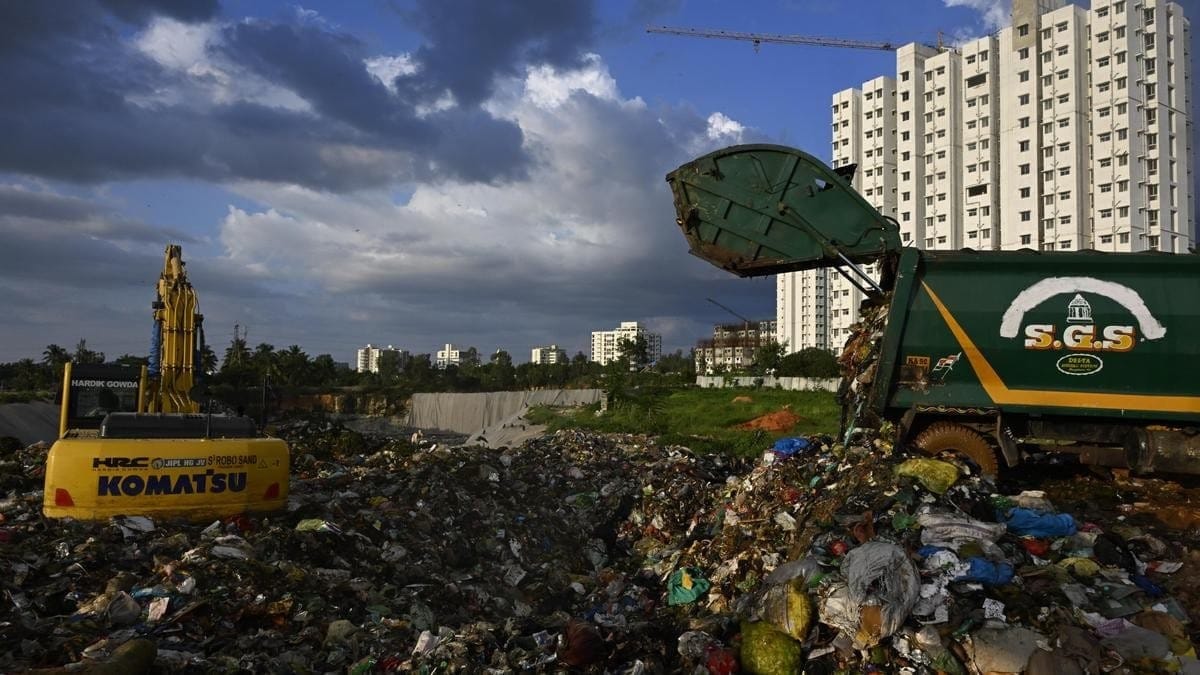
India is currently facing a significant environmental crisis due to years of excessive waste production, industrial pollution, pesticide build-up, oil spills, and contamination from heavy metals.
Key Takeaways
- Bioremediation involves using microorganisms to break down hazardous pollutants.
- There is an urgent need for bioremediation in India due to severe ecological degradation.
- India's biodiversity offers unique advantages for bioremediation efforts.
Additional Details
- Understanding Bioremediation: Bioremediation refers to the process of "restoring life through biology." It utilizes naturally occurring or engineered microorganisms, such as bacteria, fungi, algae, or plants, to decompose harmful pollutants into benign by-products, including water, carbon dioxide, or organic acids. Certain organisms can also convert toxic metals into safer forms.
- Types of Bioremediation Techniques:
- In Situ Bioremediation: Treatment occurs directly at the contaminated site, such as deploying oil-eating bacteria during ocean spills.
- Ex Situ Bioremediation: Contaminated materials are removed and treated in a facility before being returned, allowing control over complex pollutant mixtures.
- Modern Advances: The integration of traditional microbiology with biotechnology has led to the development of genetically modified (GM) microbes for degrading difficult pollutants like plastics and innovative biosensing organisms that signal the presence of toxins.
The urgent need for bioremediation in India stems from rapid industrialization and urbanization, leading to heavily polluted water bodies, untreated sewage, and widespread ecological harm. Traditional cleanup methods are often costly and can result in secondary pollution, making bioremediation a more sustainable and economical option. India's rich biodiversity offers additional potential, as indigenous microbes can be more effective than imported strains in local conditions.
Current Progress in Bioremediation in India
- Government Initiatives: The Department of Biotechnology (DBT) supports bioremediation projects through its Clean Technology Programme, fostering collaborations among universities, research institutes, and industries. The CSIR-NEERI is also tasked with developing bioremediation programs nationwide.
- Research Innovations: Researchers from IIT have developed a nanocomposite material from cotton for oil spill cleanup, and scientists have identified specific bacteria capable of degrading soil pollutants.
- Start-up Participation: Increasingly, companies are offering microbial formulations for wastewater and soil cleanup, indicating a growing commercial interest in bioremediation technologies.
Global Trends in Bioremediation
- Japan: Employs plant- and microbe-based systems in urban waste management strategies.
- European Union: Funds multinational collaborations aimed at oil spill cleanup and restoration of mining lands.
- China: Utilizes engineered bacteria to rehabilitate industrial wastelands under its soil pollution control program.
These global examples highlight the potential for bioremediation to be integrated into national environmental management frameworks.
Opportunities for India
- Bioremediation can play a crucial role in initiatives such as river rejuvenation (e.g., Namami Gange), sewage treatment infrastructure, land reclamation, and industrial cleanup efforts.
- Additionally, this field has the potential to create jobs in biotechnology research, waste management, environmental consulting, and local start-up ecosystems.
Risks and Regulatory Challenges
- While bioremediation offers many benefits, it also presents risks, particularly with the use of genetically modified organisms (GMOs). Poor containment or inadequate testing could have negative effects on ecosystems.
- India faces challenges including a lack of unified national standards for bioremediation, insufficient site-specific data, weak biosafety regulations, and a shortage of trained personnel.
To address these challenges, it is essential to establish national bioremediation standards and certification systems, create regional bioremediation hubs that connect academia, industry, and local governments, and support start-ups within the DBT-BIRAC ecosystem while engaging communities to foster acceptance of microbial cleanup technologies.
GS3/Environment
A Day to Pause and Come Down to Earth

Why in News?
Every year on December 5, World Soil Day encourages the global community to reflect on the importance of soil, a vital resource that sustains ecosystems and food systems, ultimately supporting civilization. The theme for 2025, Healthy Soils for Healthy Cities, focuses on urban environments, highlighting the critical role of soil even in densely populated areas.
Key Takeaways
- Urban Soil: A critical but often overlooked component of city resilience.
- Climate Change Mitigation: Healthy soils help regulate temperatures and absorb carbon.
- Water Management: Urban soil absorbs rainfall and manages runoff, reducing flood risks.
- Local Food Production: Urban agriculture relies on fertile soil for sustainable food sources.
- Soil Degradation: Urban soils are among the most compromised due to pollution and development.
Additional Details
- Mitigating Climate Change: Urban soils act as natural air conditioners, absorbing heat and storing carbon, crucial for tempering urban heat islands.
- Water Management: Unlike impermeable concrete, healthy soils filter runoff and replenish groundwater, providing a defense against climate-related storms.
- Human Well-Being: Access to green spaces nourished by healthy soil contributes to mental health and physical activity, linking soil health with urban life quality.
- Threats to Urban Soil: Urban soil faces degradation from industrial contamination, construction, and soil sealing, which harms its ecosystem functions.
- Urban Soil Stewardship: Initiatives include soil restoration, promoting green infrastructure, encouraging urban agriculture, and enhancing soil literacy.
On this World Soil Day, the message is clear: the vitality of a city depends not only on its structures but also on the living soil beneath. Healthy soils are essential for sustainable urban environments, influencing climate resilience, food security, biodiversity, and overall public well-being. As urban populations grow, prioritizing soil health becomes a critical social responsibility for future sustainability.
GS3/Environment
Decoding Air Pollution Concerns in Delhi-NCR
Why in News?
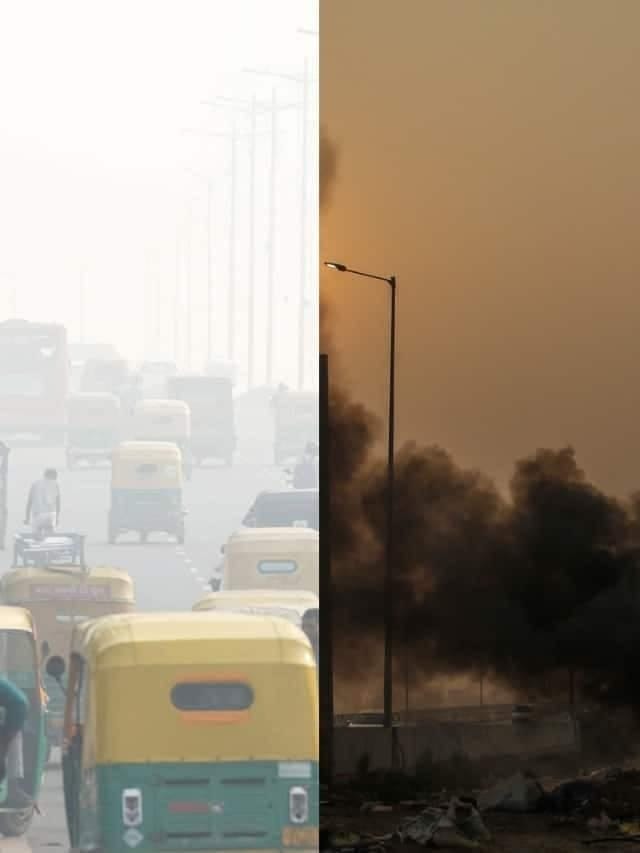
Air pollution in Delhi's National Capital Region (NCR) has reached alarming levels, primarily due to vehicular emissions. These emissions are the main contributors to fine particulate matter (PM2.5) and harmful gases such as carbon monoxide, benzene, and nitrogen oxides. While seasonal stubble burning by farmers in neighboring Punjab and Haryana is often blamed for worsening air quality, this view oversimplifies the issue and overlooks the multifaceted sources of pollution.
Key Takeaways
- The air pollution crisis in Delhi-NCR is primarily due to vehicular emissions, with seasonal stubble burning being a significant but not sole contributor.
- The Polluter Pays Principle (PPP) aims to hold polluters accountable for environmental damage, yet faces challenges in practical application due to multiple sources of pollution.
- International precedents and agreements emphasize the need for regional cooperation to address transboundary air pollution.
Additional Details
- Polluter Pays Principle (PPP): This principle assigns the costs of environmental damage to those responsible for pollution. It was recognized in the case of Vellore Citizens Welfare Forum v. Union of India (1996) and reinforced in the National Green Tribunal Act, 2010.
- Air pollution is complex and cumulative, making it difficult to pinpoint exact sources, which weakens the effectiveness of the PPP.
- The Standley judgment (1999) introduced the concept of proportionality in pollution liability, emphasizing that liability should reflect actual contributions to pollution.
- International agreements like the Convention on Long-Range Transboundary Air Pollution (1979) recognize the significance of transboundary pollution and its health impacts.
- Despite the PPP's formal recognition in India, courts have often favored immediate relief for victims over strict adherence to cost internalization by polluters, leading to a government-pays approach.
The air pollution crisis in Delhi highlights the inadequacies of simplistic narratives and unilateral liability frameworks. A balanced approach that integrates the PPP, regional cooperation, and individual responsibility is vital for achieving enduring environmental justice and improving air quality governance.
GS3/Environment
Power Lines vs Survival: Why the Supreme Court Stepped In to Save the Great Indian Bustard
Why in News?
Recently, the Supreme Court of India made a significant ruling aimed at enhancing the conservation efforts for the Great Indian Bustard (GIB). This decision focuses on mitigating bird fatalities resulting from collisions with overhead power lines associated with renewable energy initiatives.
Key Takeaways
- The Supreme Court identified priority conservation areas for the critically endangered GIB.
- New measures were established to reroute or manage overhead power lines in these conservation zones.
Additional Details
- Background: A retired bureaucrat and environmentalist petitioned the Supreme Court for urgent measures to protect the GIB, citing increased bird fatalities due to renewable energy transmission lines in Rajasthan and Gujarat. The GIB's poor frontal vision and heavy body make it particularly susceptible to such collisions.
- Supreme Court Directions (2021-2024):
- In 2021, a ban was imposed on new overhead power lines within approximately 99,000 sq km of GIB habitat, alongside assessments for undergrounding high-voltage lines and the installation of mandatory bird diverters.
- In March 2024, the Court modified its stance, withdrawing the blanket ban on overhead lines due to concerns from various ministries regarding feasibility.
- Conservation Balance: The Supreme Court recognized the need for a balance between climate commitments, renewable energy expansion, and the protection of endangered species, concluding that merely undergrounding power lines would not suffice for GIB conservation.
- The Court formed an expert committee comprising wildlife and power sector specialists to guide its ruling.
The Supreme Court's judgment introduced a comprehensive package of measures aimed at protecting the GIB while considering India's renewable energy objectives. This includes:
- Redrawing conservation zones, which have expanded from 13,163 sq km to 14,013 sq km.
- Implementing voltage-based mitigation strategies for power lines, including rerouting and undergrounding.
- Establishing dedicated powerline corridors to minimize collision risks.
Critical areas for GIB conservation include sites such as the Desert National Park and Pokhran Field Firing Range, with specific project restrictions in place for new overhead power lines and renewable energy installations within these priority areas.
In addition, the Court mandated immediate undergrounding of power lines in Rajasthan and Gujarat, with timelines set for completing these measures. The effectiveness of bird flight diverters was also assessed to enhance protective measures for the GIB.
Overall, the Supreme Court's proactive approach aims to bolster the conservation of the Great Indian Bustard while accommodating the growing demand for renewable energy in India.
GS3/Environment and Ecology
India's Groundwater Contamination Crisis
Why is it News?
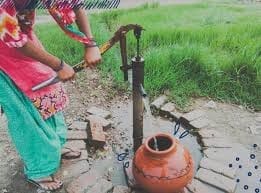
The Central Ground Water Board (CGWB) has reported a worrying increase in toxic contaminants found in India's aquifers.
About
- India is home to 18% of the world's population but has only 4% of its freshwater resources, creating immense pressure on the available water supply.
- Groundwater is crucial for India, providing about 85% of rural drinking water and around 60% of irrigation water.
Groundwater Contamination Crisis
- Aquifers in India are facing simultaneous contamination from arsenic, fluoride, nitrate, uranium, salinity, and heavy metals.
- Almost 20% of water samples across the country exceed safe limits for contaminants like uranium, fluoride, nitrate, and arsenic.
- Northern Indian states such as Punjab, Haryana, Rajasthan, and Delhi are showing dangerously high levels of uranium in both pre- and post-monsoon samples.
- Central India is experiencing rising levels of fluoride and nitrate due to intensified agriculture, while eastern states continue to deal with arsenic contamination.
Causes of the Crisis
- Agricultural Pollution : The overuse of nitrogen-rich fertilizers leads to nitrate leaching into groundwater. The paddy-wheat monoculture in northern India not only depletes groundwater but also increases the uptake of heavy metals from deeper soil layers.
- Geogenic Contamination : Contaminants like fluoride and arsenic are naturally present in geological formations. However, drilling deeper borewells exposes these contaminants more readily.
- Anthropogenic Factors : Industrial waste, untreated sewage, leachate from landfills, and waste dumping in peri-urban areas introduce heavy metals and other toxins into groundwater.
- Weak Groundwater Governance : The prevailing principle that land ownership grants groundwater rights allows unchecked extraction. Furthermore, fragmented institutional responsibilities and inadequate monitoring impede effective long-term management of aquifers.
Consequences of Contaminated Groundwater
- Public Health Impact : Exposure to arsenic and fluoride results in chronic skeletal, neurological, and cognitive issues, especially in children. For example, in Gujarat's Mehsana district, fluorosis has diminished earning potential, trapping families in cycles of reduced income, debt, and medical expenses.
- Effects on Productivity : Presence of heavy metals and chemical residues leads to lower crop yields, deteriorates soil health, and introduces toxins into the food chain. Research indicates that farms located near polluted water bodies suffer from decreased productivity and income levels.
- India's Export Competitiveness : Global markets are increasingly prioritizing clean, traceable, and compliant agricultural products. Instances of export rejections highlight emerging risks; if contamination spreads to major crops, it could severely impact India's agricultural export sector.
Government Initiatives
- Jal Shakti Abhiyan (2019) : This initiative focuses on conserving water and recharging groundwater in districts facing water stress.
- Amrit Sarovar Mission : The mission aims to develop and rejuvenate 75 water bodies in each district to enhance water availability.
- National Aquifer Mapping Program (NAQUIM) : This program assists in delineating and understanding aquifers for sustainable management practices.
- Atal Bhujal Yojana : Launched to improve groundwater management in priority areas, especially in blocks that are critically overexploited.
Way Forward
- Comprehensive Policy Reforms : It is essential to establish strict extraction limits in over-exploited areas and encourage water-efficient agricultural practices.
- Integrated Monitoring Systems : Utilizing real-time data analytics can help track contamination patterns and anticipate future risks.
- Public Awareness Campaigns : Educating communities about contamination risks and promoting affordable treatment technologies is crucial.
- Targeted Remediation : Implementing region-specific solutions, such as rainwater harvesting in areas prone to salinity and strategies to reduce phosphate levels to mitigate fluoride and nitrate contamination, is necessary.
GS3/Environment
Why Elephant-Train Collisions Persist and How They Can Be Prevented
Why in News?
Recently, a tragic incident occurred in Assam's Hojai district, where seven elephants were killed when the Delhi-bound Rajdhani Express collided with a herd. The collision not only led to the loss of these elephants but also derailed the locomotive and five coaches, although thankfully, no passengers were harmed.
Key Takeaways
- India has more than half of the world's Asian elephant population, making train collisions a significant threat to their survival.
- Between 2010 and 2020, over 1,160 elephants died from non-natural causes, with electrocution and train collisions being major contributors.
- Nighttime collisions are prevalent, particularly affecting male elephants during crop-harvest seasons.
Additional Details
- Alarming Mortality Data: From 2010 to 2020, at least 1,160 elephants died due to human-related causes, with electrocution being the leading cause (741 deaths), followed by train impacts (186 deaths).
- Impact of Linear Transport Infrastructure (LTI): Railways, roads, and canals fragment elephant habitats, restricting their access to food and water, and leading to increased stress and health issues.
- Preventive Measures: Effective strategies include avoiding elephant habitats when planning infrastructure, using wildlife crossing structures, and implementing fencing to guide elephants safely.
- Technology in Prevention: Early-warning systems, utilizing AI and machine learning, are being piloted to alert train operators of potential elephant crossings.
In conclusion, addressing the issue of elephant-train collisions requires a multifaceted approach that includes habitat preservation, innovative crossing solutions, and the integration of technology for effective wildlife management. The ongoing efforts by Indian Railways highlight the potential for improving safety for both elephants and train operations.
GS3/Environment
Protecting the Aravalli Range
Why in News?
The Supreme Court has established a uniform definition of the Aravalli hills and paused the issuance of new mining leases across Delhi, Haryana, Rajasthan, and Gujarat. This decision includes directives aimed at promoting sustainable mining practices and ensuring ecological restoration in the region.
Key Takeaways
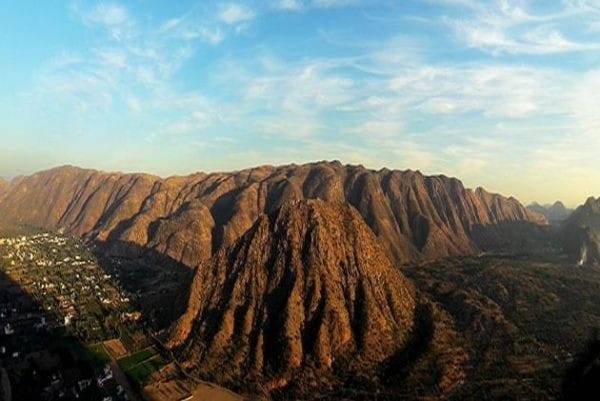
- The Aravalli Range is one of the world's oldest mountain systems, estimated to be nearly two billion years old.
- It spans over 650 km, serving as a crucial ecological barrier against desertification and playing a vital role in climate regulation and biodiversity conservation.
- Mining activities have led to significant environmental degradation, prompting judicial intervention and new regulatory measures.
Additional Details
- Aravalli Mountain Range: This range stretches from Delhi to Gujarat and passes through Haryana and Rajasthan. It is essential for groundwater recharge and houses several important rivers, including the Chambal, Sabarmati, and Luni.
- Environmental Impact: Excessive mining has resulted in deforestation, reduced groundwater levels, and air quality degradation, particularly in the National Capital Region (NCR).
- Supreme Court Intervention: The Court's recent ruling followed the formation of a committee to create a uniform definition of the Aravalli range, thus closing regulatory gaps that allowed for illegal mining.
- Central Empowered Committee Recommendations: Key recommendations include scientific mapping of the Aravalli range and strict regulations on mining in ecologically sensitive areas.
- Sustainable Mining Approach: The Court has opted for a regulated continuation of existing legal mining operations while halting new approvals, aiming to curb illegal activities.
- Aravalli Green Wall Project: Launched in June 2025, this initiative seeks to enhance green cover in a buffer zone across four states and aims to restore 26 million hectares of degraded land by 2030.
This comprehensive approach by the Supreme Court and supporting initiatives underscores the importance of protecting the Aravalli Range, ensuring its ecological integrity for future generations.
GS3/Environment
The Dismal State of India's Environment

Why in News?
India is facing a series of severe environmental crises, from the degradation of the Aravalli range to hazardous air pollution in urban areas and widespread groundwater contamination. These issues are interconnected, highlighting systemic neglect and exploitation of ecological resources.
Key Takeaways
- The Aravalli range is experiencing illegal mining, threatening biodiversity and cultural heritage.
- Air pollution in Northern India causes significant public health emergencies, with thousands of pollution-related deaths annually.
- Groundwater contamination is rising, with hazardous levels of uranium detected in major regions.
- Policy changes have weakened environmental protection, enabling corporate exploitation of natural resources.
- Indigenous communities are marginalized in conservation efforts, undermining their ecological knowledge.
Additional Details
- Aravalli Crisis: The Aravalli range acts as a natural barrier against desertification and is vital for biodiversity. However, recent mining policies threaten 90% of this region.
- Air Quality Emergency: Delhi's air pollution crisis has resulted in around 34,000 deaths annually. Current initiatives are underfunded and poorly managed.
- Groundwater Issues: High uranium levels in water supplies pose serious health risks, including kidney damage and cancer. This reflects failures in environmental oversight.
- Policy Weakening: Legislative changes, such as the Forest (Conservation) Amendment Act and Draft EIA Notification 2020, have eroded environmental safeguards.
- Marginalization of Communities: Local communities, key to conservation, are often viewed as obstacles. Proposals for forced relocations contradict the principle of voluntary participation.
In conclusion, India's environmental crises stem from policy choices that neglect ecological security. A shift towards sustainable governance is essential, emphasizing legal frameworks, community partnerships, and recognizing the vital connection between ecological health and human progress.
FAQs on Environment, Ecology & Climate Change : December 2025 Current Affairs
| 1. What are the key components of India's wildfire management initiative endorsed by UNEA-7? |  |
| 2. What recommendations has the parliamentary panel made regarding Delhi's air pollution? | |
| 3. Why is PM2.5 considered a greater health threat than PM10 in India? | |
| 4. What does the concept of the "Right to a Healthy Environment" entail in India? | |
| 5. What are the main challenges faced by India's clean energy transition as outlined in the seven-point energy transition agenda? | |