Weekly Current Affairs (9th February 2026 to 15th February 2026)


Dhami Launches Sharda River Corridor Project in Champawat
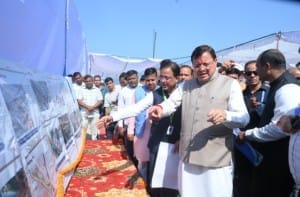
On Saturday, Uttarakhand Chief Minister Pushkar Singh Dhami laid the foundation stone for the ambitious Sharda River Corridor Project at Tanakpur in Champawat district. This major initiative marks the beginning of large-scale infrastructure development, tourism promotion, and economic growth in the border region.
Key Highlights from the Event
- Transformative Commitment: Addressing a public gathering, CM Dhami described the project as a key election promise that will drive holistic development in Champawat. It aims to boost religious tourism, cultural activities, economic opportunities, and job creation-especially for local youth.
- Project Scale and Investment:
- The corridor will cover nearly 200 square kilometres in Champawat district.
- Total proposed investment: Approximately ₹3,300 crore.
Inaugurations and First-Phase Works
As part of the event and initial phase rollout:
- Redevelopment of Sharda Ghat (cost: ₹10.7 crore).
- First phase of Tanakpur city drainage system (cost: ₹66 crore).
- A new helipad at Chuka.
- Multi-storey parking facility to enhance urban infrastructure and connectivity.
(Note: Some reports mention related or bundled projects, including ecological corridor works worth ₹85 crore and additional developments totaling over ₹300 crore.)
Focus on Tourism and Adventure
The project emphasizes:
- Adventure tourism facilities, such as river rafting on the Sharda River and paragliding.
- Extending the famous Purnagiri Mela beyond its current three-month duration to attract visitors year-round and sustain economic activity.
Heritage and Sustainable Development
CM Dhami highlighted the government's priority on conserving Uttarakhand's rich cultural and religious heritage. Ongoing efforts include development at key sites such as:
- Temples in Devidhura, Bageshwar, Jageshwar, Patal Bhuvaneshwar, and the Goljyu Temple in Champawat.
The Sharda Corridor will integrate these heritage efforts with modern infrastructure, promoting sustainable tourism and linking faith-based sites with enhanced accessibility.
This project positions Champawat as a vibrant hub for tourism, faith, employment, and balanced regional growth, aligning with Uttarakhand's vision of development that preserves its natural and cultural legacy.
Modi Announces $175 Million Seychelles Development Package
Prime Minister Narendra Modi announced a $175 million Special Economic Package for Seychelles on Monday during high-level talks with Seychelles President Dr. Patrick Herminie in New Delhi. This announcement highlights India's strong commitment to deepening ties with its key maritime neighbor in the Indian Ocean Region, coinciding with the 50th anniversary of diplomatic relations and Seychelles' independence.
Package Breakdown and Focus Areas
The package includes:
- $125 million as a rupee-denominated Line of Credit (LoC).
- $50 million as grant assistance.
It will support priority projects in:
- Social / public housing
- E-mobility and sustainable transport
- Vocational training and skill development
- Health services and infrastructure
- Defence cooperation
- Maritime security
The initiative aims to generate employment, enhance skills (especially for Seychellois youth), and align with Seychelles' development needs.
State Visit and Multi-City Engagements
President Herminie's three-day (or extended) state visit to India (February 5-10, 2026) included productive discussions across sectors. Before New Delhi:
- Chennai: Meetings focused on healthcare collaboration, hospital infrastructure, digital health, coastal management, and sustainable blue economy initiatives.
- Mumbai: Engagements with ports, shipping stakeholders, and business leaders emphasized maritime trade, the blue economy, and sustainable development.
In New Delhi, the leaders adopted a Joint Vision Statement: SESEL (Sustainability, Economic Growth and Security through Enhanced Linkages), reinforcing shared goals in prosperity, sustainability, and regional security.
Strategic Alignment with Vision MAHASAGAR
The visit aligns with India's Vision MAHASAGAR (Mutual and Holistic Advancement for Security and Growth Across Regions) - an evolution of the earlier SAGAR framework. Seychelles plays a pivotal role as a trusted maritime partner, with emphasis on:
- Maritime security
- Blue economy
- Economic prosperity for the Global South
- Capacity building and defence ties
External Affairs Minister S. Jaishankar also met President Herminie, underscoring Seychelles' importance in this broader vision.
Additional Outcomes
The two nations signed seven MoUs covering areas such as:
- Health and meteorology
- Electronics, IT, and digital transformation
- Good governance
- Ocean observation, data sharing, and maritime research
- Establishment of a hydrographic unit in Seychelles with Indian support
This package and the visit mark a new chapter in India-Seychelles cooperation, blending development aid with strategic maritime partnership for mutual benefit and regional stability.
India, Netherlands Launch Hydrogen Fellowship, Expand Research Ties
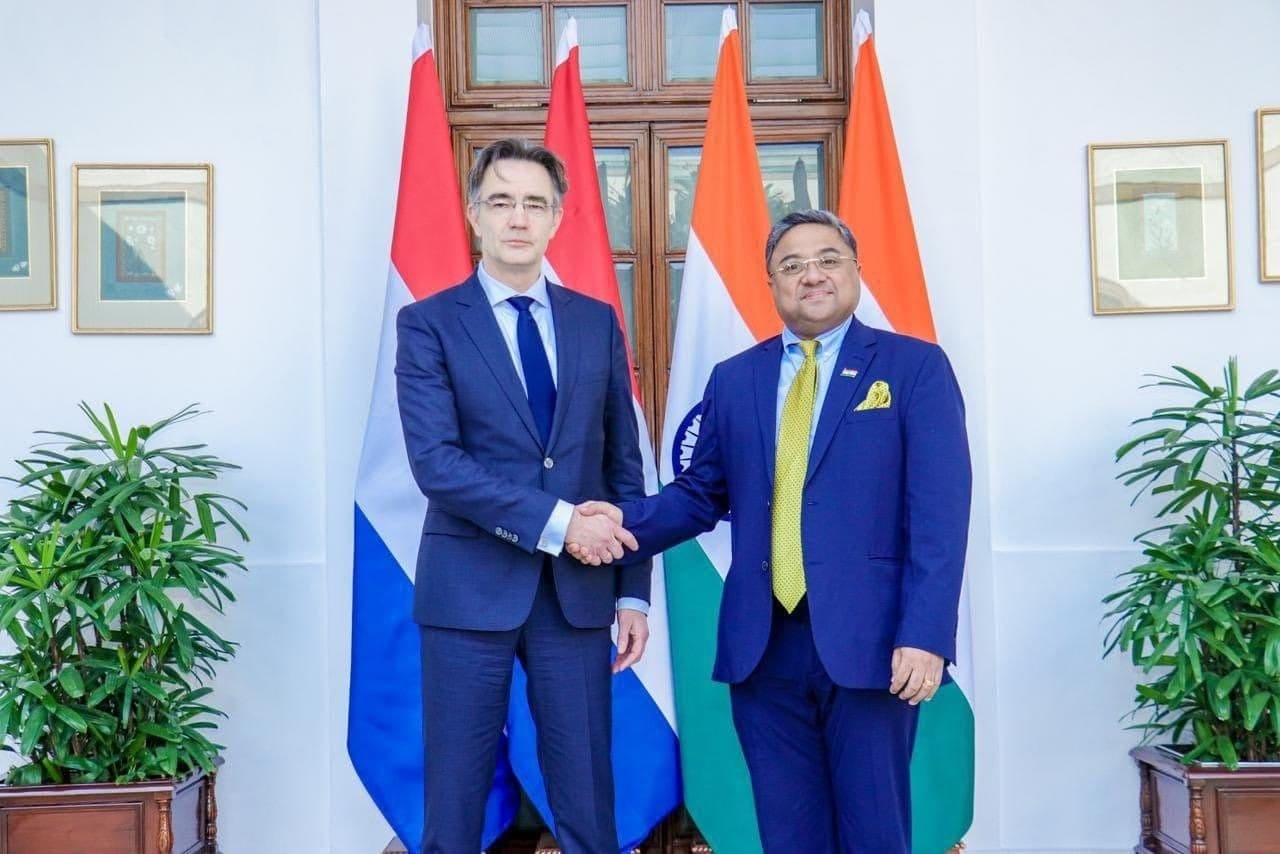 On February 6, 2026, India and the Netherlands advanced their collaboration in green hydrogen and clean energy through two key initiatives: the launch of the India-Netherlands Hydrogen Fellowship Programme and the signing of a landmark academic Memorandum of Understanding (MoU). These steps highlight growing bilateral focus on capacity building, research exchange, and accelerating India's clean energy transition.
Launch of India-Netherlands Hydrogen Fellowship Programme
The programme was officially launched by Prof. Abhay Karandikar, Secretary of the Department of Science and Technology (DST), in the presence of Mr. Huib Mijnarends, Deputy Ambassador of the Kingdom of the Netherlands to India.
- Objective: A national capacity-building initiative to enhance India's readiness for hydrogen technology deployment by providing structured exposure to advanced hydrogen ecosystems in the Netherlands.
- Target Participants: Eligible Indian doctoral candidates, postdoctoral researchers, and faculty members (Assistant/Associate Professor level) from institutions across the country.
- Duration: Up to 12 months at universities in the Netherlands.
- Key Focus Areas:
- System integration
- Safety standards and regulatory frameworks
- Techno-economic analysis
- Life-cycle assessment
- Indigenisation pathways for India-specific applications
- Socio-economic modelling and societal acceptance
The fellowship aligns directly with India's National Green Hydrogen Mission, Energy Independence by 2047, and Net-Zero by 2070 goals, emphasizing hard-to-abate sectors like steel, cement, and chemicals. Applications opened on February 6, 2026, with a closing date of March 6, 2026.
Landmark MoU: University of Groningen and 19 IITs
DST facilitated the signing of an institution-to-institution MoU between the University of Groningen (Netherlands) and 19 Indian Institutes of Technology (IITs).
- Purpose: Establishes a long-term enabling framework for cooperation in green hydrogen and clean energy research.
- Key Provisions:
- Faculty and student exchanges
- Joint research projects and initiatives
- Structured knowledge sharing and collaboration
- No automatic financial commitments are involved; the MoU creates pathways for sustained academic and research linkages.
Prof. Jouke de Vries, President of the University of Groningen, participated in the signing, underscoring the value of enduring academic partnerships in driving the global hydrogen economy.
Broader Strategic Significance
These initiatives reflect shared priorities in energy transition, sustainability, and innovation between India and the Netherlands. They build on existing efforts to develop skilled human capital, foster technology indigenisation, and support scalable hydrogen solutions-contributing to a resilient, competitive, and sustainable energy future for both nations and the Global South.
Delhi Partners Bharat Taxi for Cooperative Mobility Services
The Memorandum of Understanding (MoU) was signed between the Delhi Tourism and Transportation Development Corporation (DTTDC) and Sahkar Taxi Cooperative Limited (STCL) - the cooperative arm of Bharat Taxi. The signing took place at the Delhi Secretariat on February 6, 2026 (Friday), in the presence of:
- Chief Minister Rekha Gupta
- Tourism Minister and DTTDC Chairman Kapil Mishra
- Senior DTTDC officials and STCL representatives
This agreement integrates Delhi's public service goals with a driver-owned, cooperative, and digitally backed mobility model, reducing dependence on unorganized or high-commission aggregator services.
Roles and Responsibilities
- DTTDC's Role(Tourism and Branding Partner):
- Focus on capacity building and upskilling of taxi drivers.
- Provide training in soft skills, customer service, and sensitization to Delhi's rich culture, history, and heritage.
- Position drivers as the first point of contact and long-term brand ambassadors for Delhi Tourism.
- Bharat Taxi / STCL's Role:
- Deliver mobility services via a digital booking platform and organized cooperative driver network.
- Ensure transparent pricing, standardized service protocols, and reliable operations.
Enhanced Services for Commuters and Tourists
The partnership introduces structured, curated taxi-based offerings:
- Sightseeing circuits: 2-hour, 4-hour, and full-day packages covering major attractions in and around Delhi.
- Point-to-point travel: Improved last-mile connectivity for daily commuters and visitors.
- Technology features: App-based bookings, fare transparency, and accountability to elevate the overall travel experience.
Driver Welfare and Broader Impact
A central pillar of the initiative is cooperative ownership, enabling drivers to:
- Retain a higher share of earnings.
- Participate in decision-making as stakeholders.
- Gain improved income security, dignity, and welfare benefits.
The Delhi Government sees this as a step toward:
- Strengthening tourism infrastructure.
- Promoting inclusive economic growth.
- Advancing ethical, transparent urban mobility solutions.
This landmark collaboration sets a national benchmark, blending technology, cooperative principles, and public welfare to create a more equitable and tourist-friendly transport ecosystem in the National Capital.
Lancet Study Questions HbA1c Accuracy for Diabetes in India
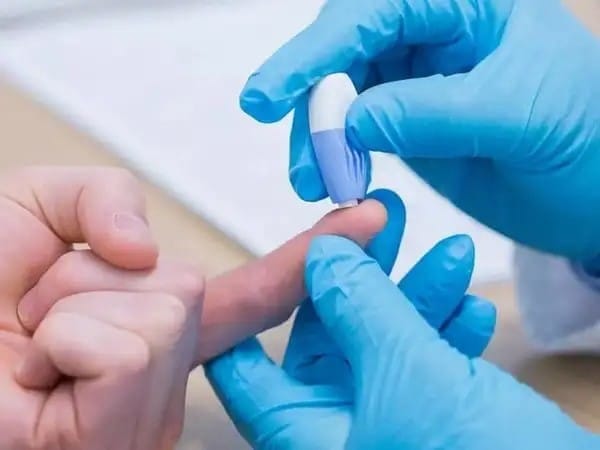
A recent evidence-based viewpoint published in The Lancet Regional Health - Southeast Asia (online February 8-9, 2026) questions the widespread use of glycated haemoglobin (HbA1c) as the primary tool for diagnosing and monitoring type 2 diabetes in India. Authored by leading experts including Prof. Anoop Misra (corresponding author, Chairman of Fortis C-DOC Centre of Excellence for Diabetes) and Dr. Shashank Joshi, the paper highlights how common conditions in India can distort HbA1c results, potentially leading to misclassification of diabetes status and under- or overestimation of the country's true diabetes burden.
Why HbA1c May Be Unreliable in Indian Populations
HbA1c measures average blood glucose over 2-3 months by assessing glycation of haemoglobin in red blood cells. However, any factor affecting red blood cell quantity, structure, or lifespan can skew readings independently of actual glucose levels.
Key distorting factors prevalent in India include:
- Anaemia (especially iron-deficiency anaemia, endemic with rates exceeding 45-50% in many regions, particularly among women, older adults, and rural/tribal populations).
- Haemoglobinopathies (e.g., thalassaemia, sickle cell disease).
- Glucose-6-phosphate dehydrogenase (G6PD) deficiency (a genetic enzyme disorder affecting ~8.5% of Indians, higher in tribal groups; often undiagnosed in men, causing falsely low HbA1c by shortening red cell lifespan).
- Poorly standardized laboratory assays and inconsistent quality control.
These issues are more severe in rural, tribal, and low-resource areas but can affect even urban settings.
Risks of Misdiagnosis and Delayed Treatment
Exclusive reliance on HbA1c risks:
- Under-diagnosis: Falsely low readings (e.g., due to G6PD deficiency) may delay diabetes detection by up to 4 years in affected men, increasing risks of microvascular complications by ~37%.
- Over-diagnosis: Falsely elevated readings in some cases (e.g., certain anaemias).
- Misrepresentation of national diabetes prevalence, as recent surveys using HbA1c-only may not capture the true picture.
Prof. Anoop Misra emphasized: "Relying exclusively on HbA1c can result in misclassification of diabetes status," potentially leading to delayed or inappropriate care.
Proposed Resource-Adapted Diagnostic Framework
The authors recommend moving beyond HbA1c alone, tailoring approaches to setting:
- Low-resource / primary care: Use oral glucose tolerance test (OGTT) (fasting + 2-hour post-glucose values), combined with basic self-monitoring of blood glucose (SMBG) and haematological screening (e.g., complete blood count, iron profile, red cell distribution width - RDW).
- Tertiary / well-equipped centres: Combine standardized HbA1c with OGTT; consider continuous glucose monitoring (CGM) or alternative markers like fructosamine for long-term monitoring.
- Always screen for anaemia and haemoglobin variants in high-prevalence areas to interpret HbA1c correctly.
This context-adapted strategy aligns with India's high diabetes load (~101 million affected) and aims to improve accuracy, equity, and timely intervention.
The viewpoint calls for updated national guidelines and public health approaches to ensure more reliable diabetes detection and management across diverse Indian populations.
South Korea, US Launch Buddy Squadron Air Drill
The Republic of Korea Air Force (ROKAF) and the United States Air Force (USAF) have kicked off the Buddy Squadron joint aerial exercise at Osan Air Base in Pyeongtaek, South Korea. Running through Friday (February 20, 2026), the drill aims to bolster interoperability, sharpen integrated tactical skills, and reinforce the ironclad defence partnership between the two allies amid evolving security dynamics in Northeast Asia.
Key Highlights of This Year's Exercise
- Significantly Expanded Scale: The number of participating aircraft per training session has more than doubled compared to previous iterations. Sortie volume has also seen a substantial increase, enabling higher operational tempo and more intensive flying activity.
- Realistic Combat Simulation: Officials emphasized that the enlarged format is designed to replicate real-world combat scenarios more closely. Increased flight frequency and aircraft numbers help hone rapid-response capabilities, mission synchronization, and seamless coordination under demanding conditions.
Core Training Focus: Integrated Tactical Operations
Buddy Squadron is a battalion-level rotational exercise alternating between ROKAF and USAF units. Key elements include:
- Sharing of air-to-air tactics and procedures.
- Joint missions involving both fourth-generation (e.g., F-16) and fifth-generation (e.g., F-35) fighter aircraft.
- Training across mixed-technology platforms to build familiarity and effectiveness.
- Testing of communication systems, formation flying, tactical coordination, and integrated strike capabilities.
The inclusion of advanced fighters strengthens joint operational readiness and ensures pilots can operate cohesively in high-threat environments.
Strategic Role of Osan Air Base
Located about 50 km south of Seoul, Osan Air Base serves as a critical hub for combined US-ROK air operations on the Korean Peninsula. Hosting the exercise here underscores its strategic importance and facilitates realistic, geographically relevant training.
Broader Alliance and Regional Context
The expanded Buddy Squadron reflects the allies' shared commitment to:
- Maintaining a robust combined defence posture.
- Deterring potential threats.
- Ensuring stability across the Indo-Pacific region.
By increasing aircraft participation, sortie rates, and tactical integration, the drill sends a clear message of military cohesion and preparedness. It forms part of ongoing efforts to upgrade real-time coordination and combat effectiveness amid heightened regional tensions in Northeast Asia.
This year's intensified format highlights the evolving nature of the US-ROK alliance - one rooted in sustained joint training, technological synergy, and a mutual resolve to respond decisively to any contingency.
White Revolution 2.0 Targets 50% Rise in Milk Procurement

The Ministry of Cooperation, Government of India, has rolled out White Revolution 2.0 - a cooperative-led national initiative to revitalize and expand India's dairy sector. Building on the legacy of the original Operation Flood (White Revolution), the programme focuses on increasing milk procurement by dairy cooperatives, extending organized market access to underserved areas, generating employment, and empowering women dairy farmers.
Key Objectives and Ambitious Targets
- 50% Increase in Milk Procurement: Dairy cooperatives aim to raise daily milk procurement by 50% over the next five years (from current levels of around 660 lakh kg/day to 1,007 lakh kg/day by 2028-29).
- This growth will enhance farmer incomes, improve nutritional availability, and increase the share of cooperatives in the organized dairy sector.
- Special emphasis on women's empowerment: With women comprising nearly 70% of the dairy workforce, the initiative prioritizes women-led cooperatives and brings more women farmers into the organized sector for economic independence and leadership roles.
Two-Pronged Expansion Strategy
The programme adopts a dual approach to achieve nationwide coverage:
- New Coverage: Establishment of approximately 75,000 new Dairy Cooperative Societies (DCS) (including Multipurpose DCS and PACS-linked units) in uncovered panchayats and villages.
- Strengthening Existing Societies: Enhancement of 46,422 existing DCS to deepen operational reach, improve market linkages, and boost efficiency.
Overall, around 1.2 lakh (new + existing) DCS/M-DCS/M-PACS will be set up or strengthened.
Infrastructure and Technological Upgrades
To support seamless operations and quality assurance, the initiative provides:
- Automatic Milk Collection Units (AMCUs)
- Data Processing Milk Collection Units
- Milk testing equipment
- Bulk Milk Coolers (as per requirement)
These facilities will enable better collection, testing, cooling, and procurement, while linking cooperatives to expanded or new milk routes for efficient market access.
Broader Impact and Implementation
Funded under the National Programme for Dairy Development (NPDD 2.0) of the Department of Animal Husbandry and Dairying, White Revolution 2.0 complements other schemes like Rashtriya Gokul Mission and AHIDF to enhance productivity, genetic improvement, and infrastructure.
The initiative addresses key challenges such as low cooperative coverage (only about 30% of villages currently organized) and aims to create sustainable rural livelihoods, combat malnutrition, and position India to maintain its status as the world's largest milk producer while boosting exports and inclusive growth.
This cooperative-driven push underscores the government's commitment to transforming dairy into a more equitable, technology-enabled, and women-centric sector for long-term rural prosperity.
Uttar Pradesh Presents ₹9.12 Lakh Crore Budget 2026-27
Uttar Pradesh Finance Minister Suresh Khanna presented the state's largest-ever Budget of ₹9,12,696.35 crore for the financial year 2026-27 in the Legislative Assembly on Wednesday (February 11, 2026). This marks a 12.9% increase over the previous year's outlay, introducing new schemes worth ₹43,565.33 crore and prioritizing capital expenditure, fiscal discipline, law and order, healthcare expansion, education, agriculture, and technology-led growth.
Sector-Wise Allocations (Percentage of Total Outlay)
- Capital Expenditure: 19.5% (strong focus on infrastructure creation and long-term asset building)
- Education: 12.4%
- Agriculture and Allied Sectors: 9%
- Medical and Health Services: 6%
Fiscal Discipline and Economic Indicators
- Fiscal Deficit: Capped at 3% of GSDP, in line with the 16th Central Finance Commission recommendations (applicable until 2030-31).
- Debt-to-GSDP Ratio: Reduced to below 27% in 2024-25; targeted at 23.1% for 2026-27 (with medium-term goal below 20%).
- GSDP (2024-25 Projection): ₹30.25 lakh crore (13.4% growth).
- Per Capita Income: Rose from ₹54,564 (2016-17) to ₹1,09,844; expected to reach ₹1,20,000 in 2025-26.
Strengthening Law and Order
Major investments in police and public safety infrastructure:
- ₹1,374 crore for non-residential police buildings
- ₹1,243 crore for residential facilities
- ₹346 crore for new districts
- ₹200 crore for fire stations
- ₹190 crore for firefighting systems in multi-storey buildings
- ₹25 crore under Mission Shakti for vehicles for female beat officers
The government highlighted sharp declines in major crimes since 2016.
Healthcare and Medical Education Expansion
- Total allocation for Medical, Health and Family Welfare Department: ₹37,956 crore (15% increase)
- Medical Education: ₹14,997 crore
- Uttar Pradesh now has 81 medical colleges; new ones planned in 16 underdeveloped districts under PPP model
- MBBS Seats: Increased from 4,540 (2017) to 12,800
- PG Seats: 4,995
- National Rural Health Mission: ₹8,641 crore
- Ayushman Bharat: ₹2,000 crore
- Over 49.22 lakh families benefit from Ayushman Bharat-Mukhyamantri Jan Arogya Yojana
Industrial, Technology, and Agricultural Initiatives
- Launch of New and Emerging Technologies Mission
- Establishment of a data authority and eight data centre parks (900 MW capacity)
- AI Mission and Tech Yuva Samarth Yuva Yojana for youth training in advanced technologies
- Uttar Pradesh leads with 65% of India's mobile phone production and 55% of electronic component units; electronics exports at ₹44,744 crore
- Plans for agricultural export hubs, expanded irrigation, renewable energy, and employment-linked industrial zones to boost farmer incomes and job creation
This tax-free, development-oriented Budget positions Uttar Pradesh on track for a $1 trillion economy, emphasizing inclusive growth, infrastructure, employment, women empowerment, and sustainable progress under the Yogi Adityanath government.
Defence Acquisition Council Clears Rs 3.6 Lakh Crore Rafale Deal
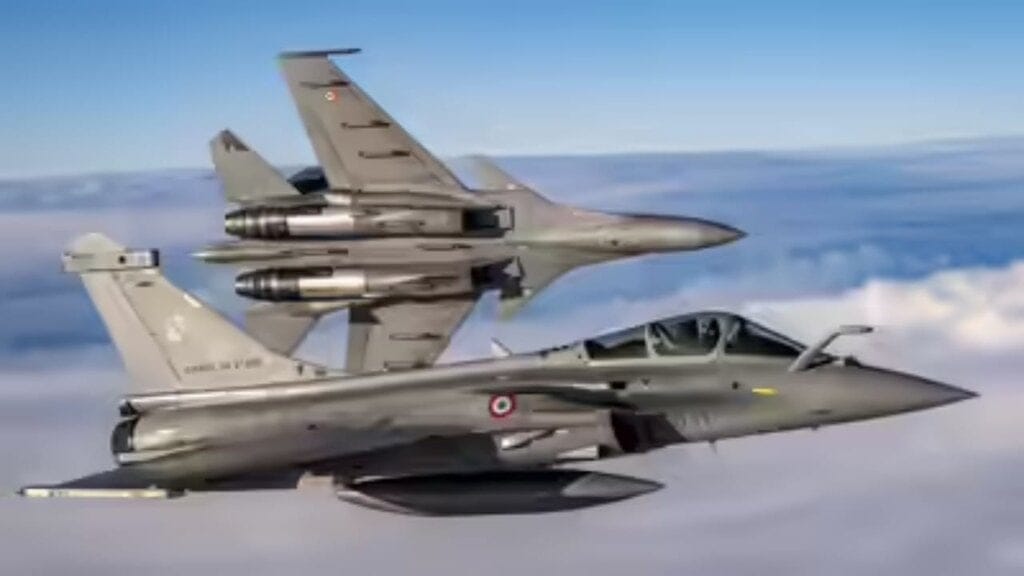
The Defence Acquisition Council (DAC), chaired by Defence Minister Rajnath Singh, accorded Acceptance of Necessity (AoN) on February 12, 2026, for capital acquisition proposals worth approximately ₹3.60 lakh crore (around $40 billion). This marks one of India's largest-ever defence procurement drives, aimed at enhancing combat readiness, deterrence, and self-reliance across the armed forces amid regional security challenges.
Key Approvals for the Indian Air Force (IAF)
- 114 Multi-Role Fighter Aircraft (MRFA) - Rafale: AoN granted for procuring 114 Rafale jetsfrom France's Dassault Aviation.
- Majority (around 90) to be manufactured in India with significant localisation (up to 50% indigenous content in phases).
- 18 jets expected in fly-away condition initially.
- Boosts air dominance, long-range offensive strikes, and deterrence; addresses IAF squadron shortfall (currently ~30 vs. sanctioned 42).
- Builds on the existing 36 Rafales inducted earlier.
- Advanced Combat Missiles: Enhances stand-off ground attack with deep precision strikes, high accuracy, and survivability (likely including systems like SCALP cruise missiles).
- Air-Ship Based High Altitude Pseudo Satellite (AS-HAPS): Provides persistent Intelligence, Surveillance, and Reconnaissance (ISR), electronic intelligence, secure communications, and remote sensing at high altitudes.
Indian Army Modernisation
- Vibhav Anti-Tank Mines: Procurement for integrated anti-tank obstacle systems to delay or restrict enemy mechanised advances.
- Overhaul of Platforms: Upgrades to Armoured Recovery Vehicles (ARVs), T-72 tanks, and BMP-II Infantry Combat Vehicles to extend service life, ensure readiness, and maintain operational effectiveness.
Indian Navy Enhancements
- 4 MW Marine Gas Turbine-based Electric Power Generator: Under Make-I category of Defence Acquisition Procedure 2020 to promote self-reliance and reduce foreign dependency for naval power generation.
- Additional P-8I Long-Range Maritime Reconnaissance Aircraft: Six more Boeing P-8I aircraft to significantly boost long-range anti-submarine warfare, maritime surveillance, and strike capabilities.
Indian Coast Guard Strengthening
- Electro-Optical/Infra-Red (EO/IR) Systems for Dornier aircraft to improve maritime surveillance efficacy.
This landmark package aligns with 'Make in India' and Atmanirbhar Bharat goals, emphasizing indigenous manufacturing, technology transfer, and reduced import reliance. The approvals pave the way for detailed technical and commercial negotiations, contract finalisation, and phased implementation across multiple financial years, reinforcing India's strategic posture in a dynamic security environment.
Tamil-Brahmi Inscriptions Found In Egypt's Valley Of The Kings
A path-breaking epigraphic find has uncovered nearly 30 inscriptions in Tamil-Brahmi, Prakrit, and Sanskrit carved inside rock-cut tombs in Egypt's Valley of the Kings (Theban Necropolis, near Luxor). Dating to the 1st-3rd centuries CE (Roman period), these graffiti marks provide direct evidence of ancient Indian visitors-likely merchants, traders, or travellers-from the Indian subcontinent, particularly ancient Tamilagam (Tamil-speaking regions of southern India), venturing deep into Egypt.
The inscriptions were documented during fieldwork in 2024-2025 by Prof. Charlotte Schmid (École Française d'Extrême-Orient / French School of Asian Studies, Paris) and Prof. Ingo Strauch (University of Lausanne, Switzerland). The duo presented their findings in the paper "From the Valley of the Kings to India: Indian Inscriptions in Egypt" at the International Conference on Tamil Epigraphy in Chennai (February 2026).
Discovery Details
- Location: Across six tombs in the Valley of the Kings, a UNESCO World Heritage site famous for pharaonic burials (including that of Ramesses VI).
- Script & Language Breakdown: Approximately 20 in Tamil-Brahmi (also called Tamili), with the rest in Sanskrit, Prakrit, and possibly Gandhari-Kharosthi influences.
- Nature of Inscriptions: Brief visitor graffiti (names, short phrases) similar to over 2,000 Greek graffiti documented in the same site by French scholar Jules Baillet in 1926. Many are near entrances or high on interior walls.
Prominent Tamil Names and Phrases
- Cikai Koṟṟaṉ (or Sigai Korran / Cikai Korran): The most repeated name, appearing eight times across five tombs.
- Cikai may link to Sanskrit śikhā (tuft or crown).
- Koṟṟaṉ is distinctly Tamil, from the root koṟṟam (victory, slaying), associated with the Chera warrior goddess Koṟṟavai and royal titles like koṟṟavaṉ (king).
- Similar names appear in Sangam literature (e.g., Chera ruler Piṭtāṅkoṟṟaṉ in Purananooru) and other Egyptian finds (e.g., Koṟṟapumāṉ on pottery from Berenike port).
- Other notable Tamil-Brahmi examples:
- Kopāṉ varata kantan ("Kopāṉ came and saw") - mimicking common Greek visitor formulas.
- Names like Cātaṉ and Kiraṉ.
Evidence of Ancient Trade and Cultural Links
The majority of individuals appear to hail from southern India (Tamilagam), with some from northwestern and western regions. This extends beyond earlier Red Sea port discoveries (e.g., Berenike, where Indian artefacts and Tamil-Brahmi inscriptions were found) into the Nile Valley interior.
It highlights:
- Maritime trade between Tamil ports (Malabar/Coromandel coasts) and Roman Egypt via monsoon routes.
- Not just commerce but cultural tourism/exploration: Visitors carved their names in sacred/historic sites, indicating curiosity, mobility, and shared multicultural spaces.
- Broader Indo-Roman networks connecting the Indian Ocean world with the Mediterranean during the peak of Indo-Roman trade (1st-3rd centuries CE).
Significance for Globalisation and History
These rare inscriptions offer concrete epigraphic proof of Indian presence in elite Egyptian funerary spaces, far from coastal trade hubs. They underscore early transcontinental connectivity, mobility, and cultural exchange between Tamilagam, other Indian regions, and the Roman Empire-contributing fresh insights into ancient globalisation, long-distance travel, and the interconnected ancient world.
This discovery reinforces Tamil civilization's global footprint and adds to ongoing research on Sangam-era maritime networks.
Uday Kotak Appointed Chairman of GIFT City

The Government of Gujarat has appointed Uday Kotak, founder and former CEO of Kotak Mahindra Bank, as the new Chairman of Gujarat International Finance Tec-City Company Ltd (GIFTCL) - the state-promoted special purpose vehicle responsible for developing and managing GIFT City. The appointment takes immediate effect, replacing Hasmukh Adhia, who served as non-executive chairman since June 19, 2023.
The decision was formalized through a resolution issued by the Urban Development and Urban Housing Department, Government of Gujarat. Kotak will hold the position until further orders, with terms and conditions to be notified separately.
Leadership Transition at India's Premier Financial Hub
GIFT City (Gujarat International Finance Tec-City), located in Gandhinagar, is India's first operational smart city and designated International Financial Services Centre (IFSC). It functions as a unified, business-friendly ecosystem housing:
- Banking units
- Capital market intermediaries
- Insurance companies
- Fintech firms
- Fund management and leasing entities
Regulated by the International Financial Services Centres Authority (IFSCA), GIFT City offers tax incentives, relaxed foreign exchange rules, and world-class infrastructure to attract global financial institutions.
The leadership change is viewed as a strategic move to strengthen governance, enhance institutional credibility, and accelerate GIFT City's international expansion and global participation.
Uday Kotak's Distinguished Banking Legacy
- Founded Kotak Mahindra Finance in 1985, which evolved into Kotak Mahindra Bank in 2003.
- Built one of India's largest and most respected private sector banks, with diversified operations in commercial banking, investment banking, asset management, life insurance, and capital markets.
- Widely respected for disciplined risk management, customer-centric growth, and consistent performance.
- Stepped down as CEO and Managing Director of Kotak Mahindra Bank in September 2024 after a 40-year tenure, transitioning to a non-executive role.
Strategic Significance and Future Outlook
Kotak's appointment aligns with GIFT City's ambitious growth phase, focusing on:
- Expanding offshore banking and cross-border transactions in foreign currencies
- Growing aircraft leasing, fund management, and insurance sectors
- Advancing fintech innovation and digital financial services
- Attracting greater foreign direct investment and international financial institutions
By positioning GIFT City as a competitive alternative to global hubs like Singapore, Dubai, and Hong Kong, the Gujarat government aims to channel significant international capital flows, boost India's role in global finance, and create high-value jobs in the financial services ecosystem.
This high-profile appointment underscores the state's commitment to world-class governance and long-term positioning of GIFT City as India's gateway to international financial markets.
New Toll Rules for Incomplete Expressways Notified
In a major relief for road users, the Ministry of Road Transport and Highways (MoRTH) has amended the National Highways Fee (Determination of Rates and Collection) Rules, 2008, to ensure commuters are not charged full expressway tolls for sections of National Expressways that remain under construction or are not fully operational.
The revised framework takes effect from February 15, 2026, and introduces fairer, usage-based tolling aligned with actual infrastructure availability.
Key Changes Introduced
- Toll Only on Completed Sections: If a National Expressway is not open end-to-end, toll will be levied only for the operational/usable portion.
- Rate Applicable: The toll rate for incomplete expressways will be the same as that of a standard National Highway - 25% lower than the full expressway rate.
- Duration of Reduced Toll: The lower National Highway rate will apply for a maximum of one year or until the expressway becomes fully operational, whichever comes earlier.
- No Premium on Partial Use: Previously, toll plazas often collected the higher expressway fee for the entire notified length, even when large stretches were incomplete or under construction, forcing users to pay for services not yet delivered.
Current Toll Structure (for Reference)
- National Highways: Base toll rate.
- National Expressways: 25% higher than National Highways - reflecting access-controlled design, higher design speeds (100-120 km/h), grade-separated junctions, and seamless travel.
Under the amendment, the 25% premium will not apply to non-operational or partially completed sections.
Why the Change Was Needed
The Ministry highlighted several objectives:
- Encourage greater use of already operational expressway stretches.
- Divert traffic away from congested parallel National Highways.
- Reduce traffic bottlenecks on older routes, improving freight efficiency and lowering vehicular emissions from idling in traffic.
- Lower transportation costs for private vehicles, commercial trucks, logistics operators, and inter-state buses.
Expected Benefits for Road Users
- Daily commuters and frequent travellers on partially open corridors (e.g., sections of Delhi-Mumbai Expressway, Purvanchal Expressway, or others) will save significantly on toll expenses.
- Logistics and freight operators will see reduced operational costs, potentially leading to lower goods transportation prices.
- Inter-state bus services and long-distance travellers will benefit from more predictable and fair tolling.
- Overall, the reform promotes a user-centric approach, ensuring toll charges reflect the actual level of service and infrastructure readiness.
This amendment marks a significant step toward transparent, equitable, and performance-linked tolling in India's expanding expressway network, balancing infrastructure development with commuter convenience and economic efficiency.
FAQs on Weekly Current Affairs (9th February 2026 to 15th February 2026)
| 1. What is the Sharda River Corridor Project? |  |
| 2. What was the significance of the $175 million Seychelles Development Package announced by Modi? | |
| 3. How does the Hydrogen Fellowship launched by India and the Netherlands aim to enhance research collaboration? | |
| 4. What are the objectives of the White Revolution 2.0? | |
| 5. What findings did the Lancet study reveal regarding HbA1c accuracy for diabetes in India? | |