Nutrition in Animals Class 7 Notes Science Chapter 2
| Table of contents |

|
| What is Animal Nutrition? |
|
| Different Ways of Taking Food |
|
| Digestion in Humans |
|
| Digestion in Grass-eating Animals |
|
| Feeding and Digestion in Amoeba |
|

What is Animal Nutrition?
Animal nutrition is the study of how animals obtain and utilize nutrients from their food.
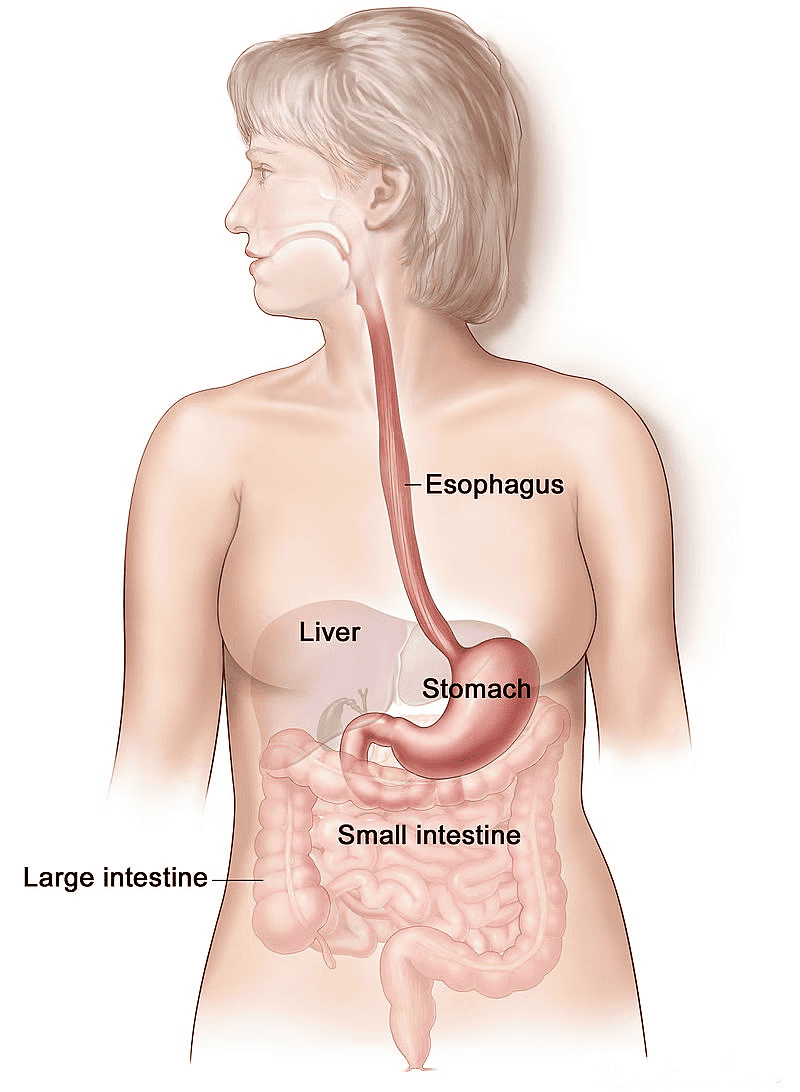 Digestion in Humans
- It involves understanding how animals consume food and how their bodies digest and absorb nutrients.
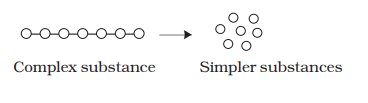
- Food components, such as carbohydrates, are complex and need to be broken down into simpler substances through digestion.
Different Ways of Taking Food
Modes of Food Intake: Different organisms have unique ways of taking in food, depending on their body structure and surroundings. Here are some examples:
- Bees and Hummingbirds: These animals feed by sucking nectar from flowers.
- Infants (Humans and Other Mammals): Infants feed on mother’s milk, which they drink through sucking.
- Snakes (e.g., Python): They swallow their prey whole after capturing it.
- Aquatic Animals: Some filter small food particles floating in the water to feed.
Various modes of feeding
To better understand the variety of feeding methods in animals, observe and categorize the type of food and feeding modes of different animals. Below is a table with examples: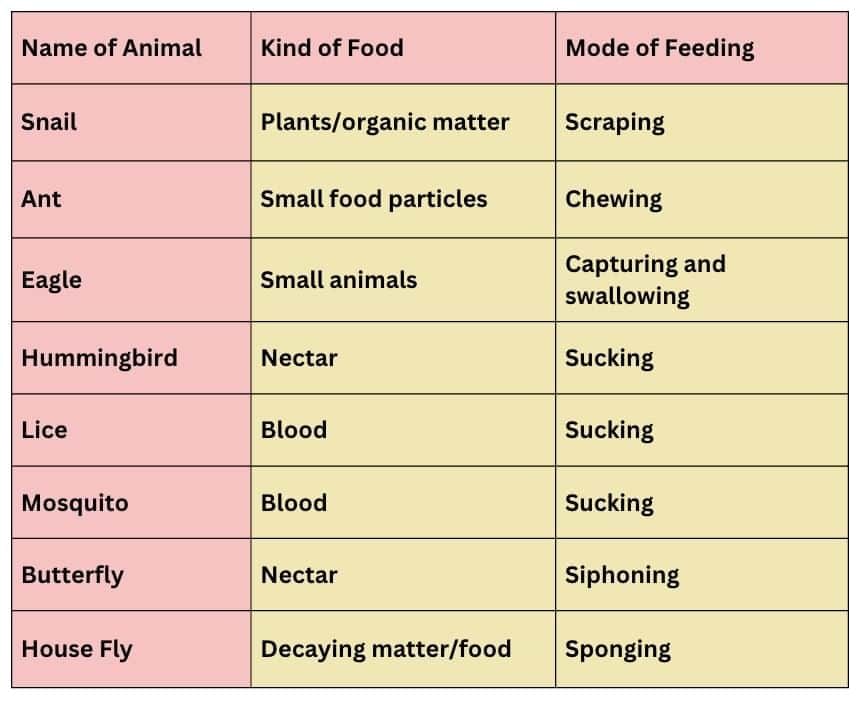 Modes of Feeding Explained:
- Scraping: Removing or scraping off food surfaces, e.g., snails.
- Chewing: Grinding or breaking down food into smaller pieces, e.g., ants.
- Siphoning: Extracting liquid food with a tube-like mouthpart, e.g., butterflies.
- Capturing and Swallowing: Catching prey and consuming it whole, e.g., eagles.
- Sponging: Absorbing liquids, often decaying matter, e.g., house flies.
- Sucking: Drawing liquid food, such as nectar or blood, through specialized mouthparts, e.g., mosquitoes and hummingbirds.
Note:
- Starfish feed on animals with hard calcium carbonate shells.
- It opens the shell and extends its stomach out through its mouth.
- The soft animal inside the shell is then eaten.
- After feeding, the stomach retracts, and digestion occurs inside the body.
Star Fish
Digestion in Humans
Food is taken in through the mouth, digested, utilized, and unused parts are excreted. It passes through a long canal or digestive tract called alimentary canal which starts at the buccal cavity and ends at the anus.
The canal divided into various compartments:
- Buccal cavity
- Food pipe or Oesophagus
- Stomach
- Small intestine
- Large intestine terminating in the rectum
- Anus
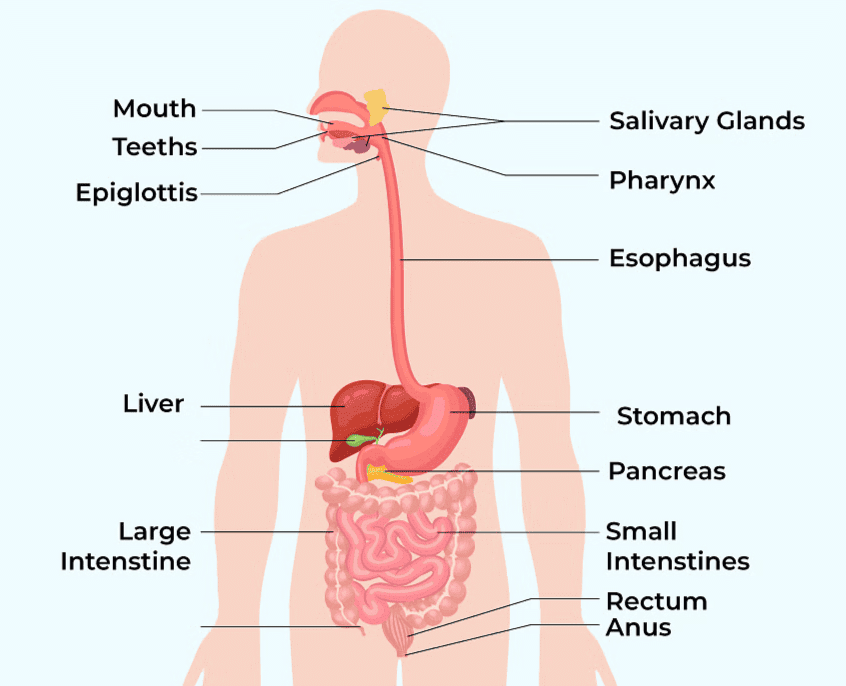 Human Digestive System
Digestive Process:
- As food moves through each part, it undergoes digestion.
- Digestive juices, secreted by the stomach, small intestine, and glands (salivary glands, liver, pancreas), help break down complex food substances into simpler ones.
- The digestive tract along with glands form the complete digestive system, working together to break down and absorb nutrients.
The Mouth and Buccal Cavity
The process of food intake, known as ingestion, begins in the mouth.
- Teeth: Teeth are essential for breaking down food into smaller pieces through mechanical action. Each tooth is secured in a separate socket in the gums and serves specific functions. Humans have two sets of teeth:
- Milk Teeth: Appear in infancy and fall out between ages 6-8.
- Permanent Teeth: Replace milk teeth and last into adulthood.
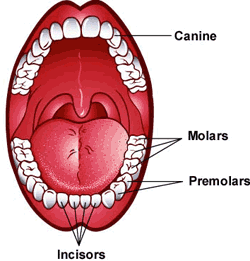 Arrangement of teeth
- Saliva: Salivary glands are present in the mouth which are responsible for secreting saliva. Saliva aids in breaking down starch into sugars, facilitating digestion.
- Tongue: The tongue, a muscular organ in the buccal cavity, assists in speech, mixing food with saliva, swallowing, and tasting different flavors.
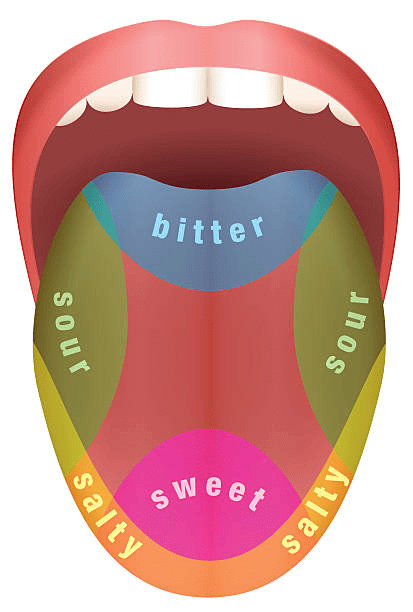 Regions of Tongue for Different Tatses
 - Tooth Decay: While harmless bacteria naturally exist in the mouth, poor oral hygiene can lead to harmful bacterial growth.
- These bacteria convert sugars from leftover food into acids, gradually wearing down tooth enamel and causing decay.
- Tooth decay can result in pain and, if untreated, lead to tooth loss. Good oral hygiene practices, like brushing and flossing, help prevent this process.
The Foodpipe/Oesophagus
The food pipe, also known as the Oesophagus, is where swallowed food travels into the stomach. The food pipe is located along the neck and the chest.
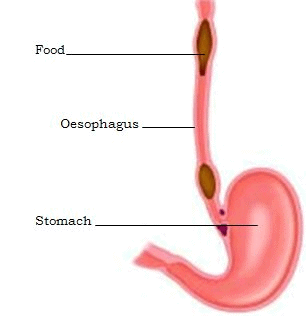 Movement of food in Oesophagus
- Movement: Food is propelled downwards in the food pipe by the contractions of its walls.
- Function: This movement of pushing food downwards occurs throughout the entire digestive tract. At times, when the stomach rejects food, it can lead to vomiting.
The Stomach
The stomach is a thick-walled organ shaped like a flattened J and is the widest part of the alimentary canal.
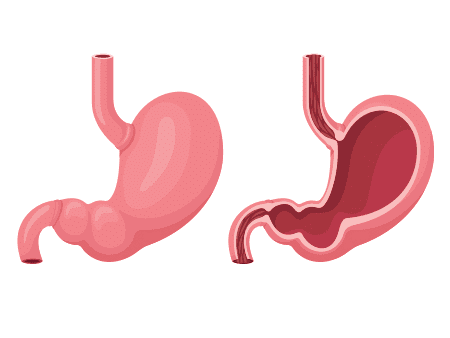 Stomach
- Journey of Food: Food enters the stomach from the esophagus and exits into the small intestine.
- Function: The inner lining of the stomach produces mucus, hydrochloric acid, and digestive juices. Mucus protects the stomach lining, while hydrochloric acid aids in killing bacteria and creating an acidic environment for digestion. Digestive juices in the stomach help break down proteins into simpler substances.
The Small Intestine
The small intestine is approximately 7.5 meters long and highly coiled. It receives secretions from the liver, pancreas, and its own walls.
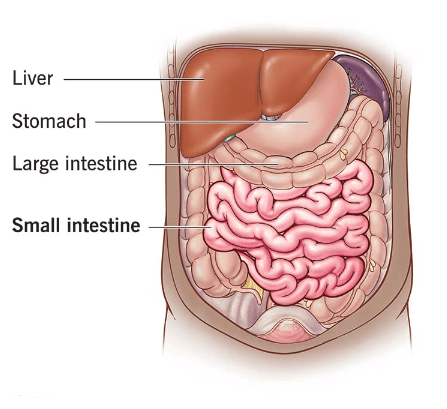 Small & Large Intestine
- Liver: The liver, a reddish-brown gland in the upper right abdomen, is the largest gland in the body. It secretes bile juice stored in the gall bladder, crucial for fat digestion.
- Pancreas: The pancreas, a large cream-colored gland beneath the stomach, produces pancreatic juice that aids in breaking down carbohydrates, fats, and proteins into simpler forms.
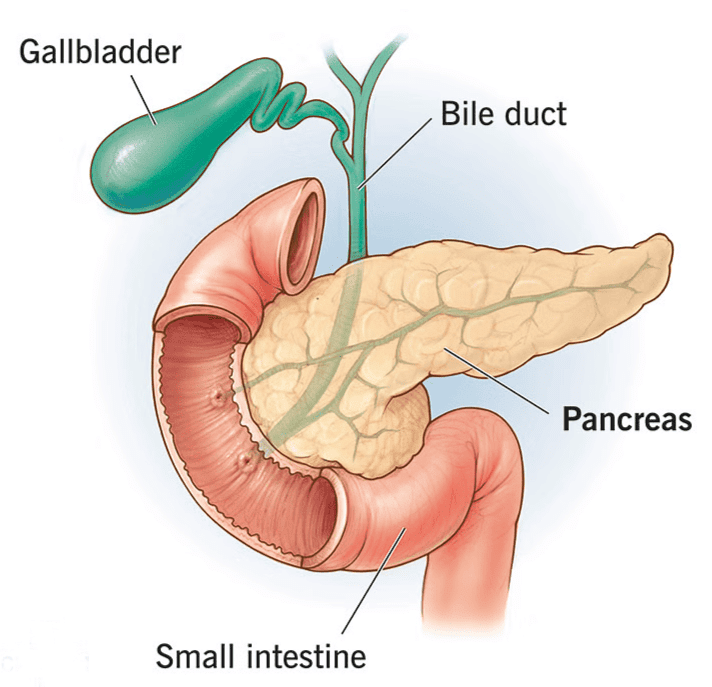 Pancreas
 - Function of Small Intestine: In the lower part of the small intestine, intestinal juice completes the digestion process, breaking down carbohydrates into glucose, fats into fatty acids and glycerol, and proteins into amino acids.
Absorption in the small intestine
After food is digested, it moves into the blood vessels lining the intestine through a process known as absorption.
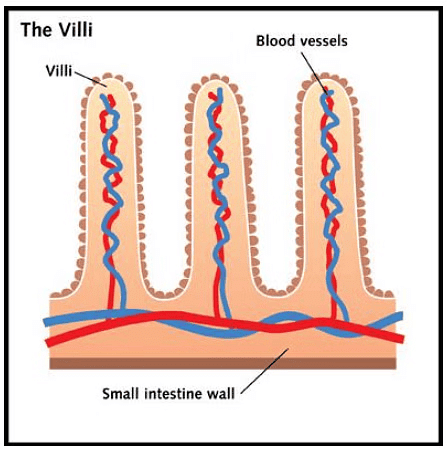 Villi
Villi
- Digestion and Absorption: After digestion, food moves into the blood vessels lining the small intestine through a process called absorption.
- Role of Villi: The inner walls of the small intestine have finger-like projections called villi, which enhance the surface area for efficient absorption of digested food.
- Transport of Nutrients: Each villus contains a network of small blood vessels that absorb digested nutrients and transport them to various body organs for assimilation.
- Assimilation and Energy Production: Assimilation involves using absorbed substances, like proteins, to build complex molecules. Glucose is broken down into carbon dioxide and water in cells, releasing energy with the help of oxygen
- Further Processing: Undigested and unabsorbed food moves into the large intestine for additional processing
Large Intestine
The large Intestine absorbs water and certain salts from undigested food material.
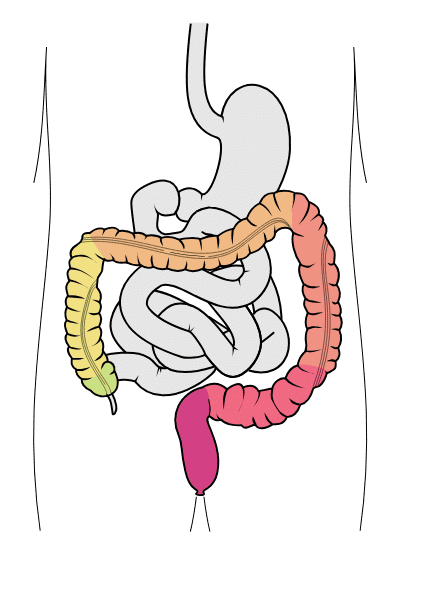 Large Intestine
- Structure and Length: The large intestine is wider and shorter than the small intestine, with an approximate length of 1.5 meters.
- Absorption: It absorbs water and certain salts from undigested food material.
- Formation of Feces: The remaining waste moves into the rectum, where it forms semi-solid feces.
- Egestion: Fecal matter is regularly eliminated through the anus in a process known as egestion.
Digestion in Grass-eating Animals
Grass-eating animals, such as cows and buffaloes, chew continuously even when not actively eating. This helps them break down the fibrous material in grass.
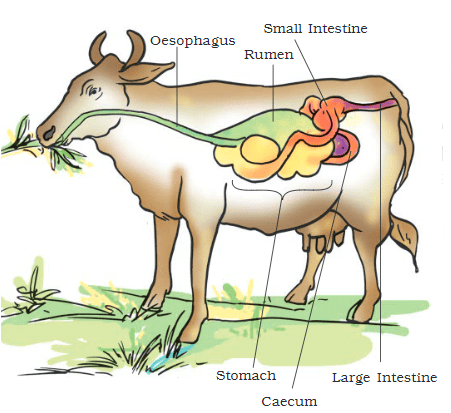 Digestive system of ruminant
- They initially swallow grass quickly and store it in a specialized stomach chamber called the rumen.
- In the rumen, the grass undergoes partial digestion, forming a substance known as cud.
- Later, the cud is brought back to the mouth in small lumps for further chewing, a process known as rumination. Animals that engage in this process are called ruminants.
Cellulose Digestion:
- Grass is rich in cellulose, a carbohydrate that many animals, including humans, cannot digest.
- In ruminants like cattle and deer, bacteria present in the rumen assist in breaking down cellulose, aiding digestion.
Other Digestive Structures:
- Animals like horses and rabbits possess a large sac-like structure called the caecum, located between the oesophagus and the small intestine.
- In the caecum, cellulose from the food is digested by specific bacteria that are absent in humans.
Small Organisms and Digestion:
- While many animals have a digestive system, some small organisms lack a mouth and traditional digestive structures.
- The next section will explore how these organisms acquire and digest food differently.
Diarrhea
- Sometimes, individuals may experience frequent passing of watery stool, a condition known as diarrhea.
- Diarrhea can be triggered by factors such as infection, food poisoning, or indigestion and is prevalent in India, especially among children.
- Severe cases of diarrhea can potentially lead to fatality due to the excessive loss of water and salts from the body.
- It is crucial not to overlook diarrhea; even before consulting a doctor, the patient should consume ample boiled and cooled water with a pinch of salt and sugar dissolved in it. This solution is referred to as Oral Rehydration Solution (ORS).
Feeding and Digestion in Amoeba
Amoeba is a tiny single-celled organism discovered in pond water. Characteristics of Amoeba include a cell membrane, a dense nucleus, and multiple small vacuoles within its cytoplasm.
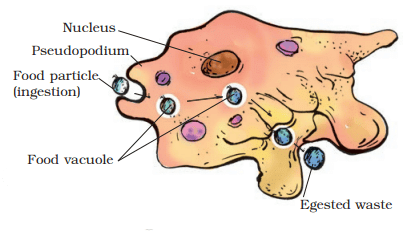 Amoeba
- Amoeba is known for its ability to change shape and position frequently.
- For movement and food capture, Amoeba extends finger-like projections known as pseudopodia or false feet.
- Amoeba primarily feeds on microscopic organisms, engulfing them by extending pseudopodia around the food particle, forming a food vacuole.
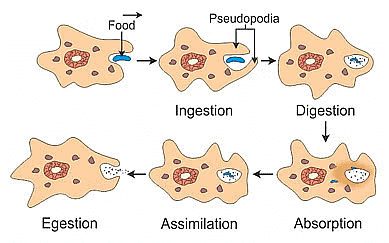 Digestion in Amoeba
- Upon trapping the food in a food vacuole, digestive juices are secreted into it, breaking down the food into simpler substances.
- The digested food is gradually absorbed to be utilized for growth, maintenance, and reproduction.
- Any undigested remains are expelled outside the cell through a vacuole.
- The digestion process in Amoeba involves breaking down food into simpler substances to extract energy, a fundamental process similar across all animals.
|
112 videos|286 docs|28 tests
|
FAQs on Nutrition in Animals Class 7 Notes Science Chapter 2
| 1. What is animal nutrition and why is it important? |  |
| 2. What are the different ways animals take in food? | |
| 3. How does digestion occur in humans? | |
| 4. What is the process of digestion in grass-eating animals? | |
| 5. How does feeding and digestion occur in amoeba? | |



mock tests for examination
,video lectures
,Extra Questions
,past year papers
,shortcuts and tricks
,Free
,Objective type Questions
,Exam
,Nutrition in Animals Class 7 Notes Science Chapter 2
,Previous Year Questions with Solutions
,practice quizzes
,Summary
,study material
,Nutrition in Animals Class 7 Notes Science Chapter 2
,Important questions
,MCQs
,Nutrition in Animals Class 7 Notes Science Chapter 2
,Viva Questions
,ppt
,Sample Paper
,Semester Notes
;




Chapter Notes: Nutrition in Animals Free PDF Download
Importance of Chapter Notes: Nutrition in Animals
Chapter Notes: Nutrition in Animals
Chapter Notes: Nutrition in Animals Class 7 Questions
Study Chapter Notes: Nutrition in Animals on the App
|
© EduRev
|
Education Revolution
|


|




