
REET Level 1 Mock Test - 5 Free Online Test 2026
Full Mock Test & Solutions: REET Level 1 Mock Test - 5 (150 Questions)
You can boost your REET 2026 exam preparation with this REET Level 1 Mock Test - 5 (available with detailed solutions).. This mock test has been designed with the analysis of important topics, recent trends of the exam, and previous year questions of the last 3-years. All the questions have been designed to mirror the official pattern of REET 2026 exam, helping you build speed, accuracy as per the actual exam.
Mock Test Highlights:
- - Format: Multiple Choice Questions (MCQ)
- - Duration: 150 minutes
- - Total Questions: 150
- - Analysis: Detailed Solutions & Performance Insights
- - Sections covered: Child development and pedagogy, Mathematics, Language 1 (Hindi), Language 2 (English), Environmental Studies
Sign up on EduRev for free and get access to these mock tests, get your All India Rank, and identify your weak areas to improve your marks & rank in the actual exam.

Detailed Solution: Question 1
Which of the following is the primary agent of anticipatory socialization?
Detailed Solution: Question 2

The teacher asked her students to learn things from all sources possible and communicate with the environment in all possible ways. The capability to learn things from different sources and comprehend and interact with the environment is
Detailed Solution: Question 3
Detailed Solution: Question 4
Detailed Solution: Question 5
A P. T. teacher wants her students to improve fielding in the game of cricket. Which one of the following strategies will best help her students achieve that goal?
Detailed Solution: Question 6
______ is used by teachers to track a child's progress. It helps teachers to determine what a pupil is capable of achieving through the use of a mediator, allowing the teacher to assist the child in reaching that level on their own.
Detailed Solution: Question 7
The principal of a school feels that the practice of dramatisation is quite effective to teach the students. The practice of dramatisation while teaching serves
Detailed Solution: Question 8
Detailed Solution: Question 9
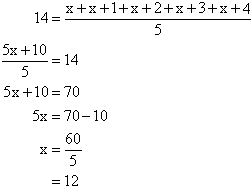
The mean of five consecutive numbers is 14. Calculate the average of the smallest and the largest numbers.
Detailed Solution: Question 10
'लोक कथाएँ हमारे आम जीवन में सदियों से रची-बसी हैं। इन्हें हम अपने बड़े-बूढ़ों से बचपन से ही सुनते आ रहे हैं। लोक कथाओं के बारे में यह भी कहा जाता है कि बचपन के शुरुआती वर्षों में बच्चों को अपने परिवेश की महक, सोच व कल्पना की उड़ान देने के लिए इनका उपयोग जरूरी है। हम यह भी सुनते हैं कि बच्चों के भाषा के विकास के सन्दर्भ में भी इन कथाओं की उपयोगिता महत्त्वपूर्ण है।
ऐसा इसलिए कहा जाता है, क्योंकि इन लोक कथाओं के विभिन्न रूपों में हमें लोक जीवन के तत्त्व मिलते हैं, जो बच्चों के भाषा विकास में उल्लेखनीय भूमिका निभाते हैं। अगर हम अपनी पढ़ी हुई लोक कथाओं को याद करें, तो सहजता से हमें इनके कई उदाहरण मिल जाते हैं।
जब हम कहानी सुना रहे होते हैं, तो बच्चों से हमारी यह अपेक्षा रहती है कि वे पहली घटी घटनाओं को जरूर दोहराएँ। बच्चे भी घटना को याद रखते हुए साथ-साथ मजे से दोहराते हैं। इस तरह कथा सुनाने की इस प्रक्रिया में बच्चे इन घटनाओं को एक क्रम में रखकर देखते हैं। इन क्रमिक घटनाओं में एक तर्क होता है, जो बच्चों के मनोभावों से मिलता-जुलता है।'
गद्यांश को पढ़कर निम्नलिखित प्रश्नो में सबसे उचित विकल्प चुनिए
Q. लोक कथाओं में किस परिवेश की महक की बात की गई है?
ऐसा इसलिए कहा जाता है, क्योंकि इन लोक कथाओं के विभिन्न रूपों में हमें लोक जीवन के तत्त्व मिलते हैं, जो बच्चों के भाषा विकास में उल्लेखनीय भूमिका निभाते हैं। अगर हम अपनी पढ़ी हुई लोक कथाओं को याद करें, तो सहजता से हमें इनके कई उदाहरण मिल जाते हैं।
जब हम कहानी सुना रहे होते हैं, तो बच्चों से हमारी यह अपेक्षा रहती है कि वे पहली घटी घटनाओं को जरूर दोहराएँ। बच्चे भी घटना को याद रखते हुए साथ-साथ मजे से दोहराते हैं। इस तरह कथा सुनाने की इस प्रक्रिया में बच्चे इन घटनाओं को एक क्रम में रखकर देखते हैं। इन क्रमिक घटनाओं में एक तर्क होता है, जो बच्चों के मनोभावों से मिलता-जुलता है।'
गद्यांश को पढ़कर निम्नलिखित प्रश्नो में सबसे उचित विकल्प चुनिए
Detailed Solution: Question 11
निर्देश: नीचे दिए गए प्रश्न के लिए सबसे सही विकल्प चुनिए ।
प्राथमिक स्तर पर बच्चों की पठन - क्षमता आकलन में किस प्रकार की सामग्री सर्वाधिक महत्त्वपूर्ण है?
प्राथमिक स्तर पर बच्चों की पठन - क्षमता आकलन में किस प्रकार की सामग्री सर्वाधिक महत्त्वपूर्ण है?
Detailed Solution: Question 12
Detailed Solution: Question 13
Detailed Solution: Question 14
निर्देश: निम्नलिखित गद्यांश को ध्यान पूर्वक पढ़िए व प्रश्नों के उत्तर दीजिये-
विभिन्न इलेक्ट्रॉनिक माध्यमों सहित परम्परागत रूप से प्रकाशित अखबारों को प्रदत्त अभिव्यक्ति की स्वतंत्रता को प्रेस की स्वतंत्रता कहा जाता है। किन्तु इस समस्या का एक दूसरा पहलू भी है। दुनियाभर में मीडिया कार्पोरेट के हाथ में है जिसका एकमात्र उद्देश्य अधिक से अधिक फ़ायदा कमाना है। वास्तव में कोई प्रेस स्वतंत्र है ही नहीं। बड़े पत्रकार मोटा वेतन लेते हैं और इसी वजह से वे फैंसी जीवनशैली के आदी हो गए हैं। वो इसे खोना नहीं चाहेंगे और इसलिए ही आदेशों का पालन करते हैं और तलवे चाटते हैं। विभिन्न देशों की सरकारें भी विभिन्न कानून लाकर प्रेस पर काबू पाना चाहते हैं। उदाहरण के तौर पर भारत सरकार ने हाल ही में ऑनलाइन मीडिया वेबसाइट पर निगरानी रखने के लिए नया कानून पेश किया है। इसके तहत सरकार ऑनलाइन कुछ भी छपने पर नियंत्रण करना चाहती है।
Q. दिए गए शब्दों में ‘प्रकाशित’ शब्द का उचित अर्थ क्या है?
विभिन्न इलेक्ट्रॉनिक माध्यमों सहित परम्परागत रूप से प्रकाशित अखबारों को प्रदत्त अभिव्यक्ति की स्वतंत्रता को प्रेस की स्वतंत्रता कहा जाता है। किन्तु इस समस्या का एक दूसरा पहलू भी है। दुनियाभर में मीडिया कार्पोरेट के हाथ में है जिसका एकमात्र उद्देश्य अधिक से अधिक फ़ायदा कमाना है। वास्तव में कोई प्रेस स्वतंत्र है ही नहीं। बड़े पत्रकार मोटा वेतन लेते हैं और इसी वजह से वे फैंसी जीवनशैली के आदी हो गए हैं। वो इसे खोना नहीं चाहेंगे और इसलिए ही आदेशों का पालन करते हैं और तलवे चाटते हैं। विभिन्न देशों की सरकारें भी विभिन्न कानून लाकर प्रेस पर काबू पाना चाहते हैं। उदाहरण के तौर पर भारत सरकार ने हाल ही में ऑनलाइन मीडिया वेबसाइट पर निगरानी रखने के लिए नया कानून पेश किया है। इसके तहत सरकार ऑनलाइन कुछ भी छपने पर नियंत्रण करना चाहती है।
Detailed Solution: Question 15
Directions: Read the passage carefully and answer the following questions.
Every year about two million people visit Mount Rushmore, where the faces of four U.S. Presidents were carved in granite by sculptor Gutzon Borglum and his son, the late Lincoln Borglum. The creation of Mount Rushmore Monument took 14 years - from 1927 to 1941 - and nearly a million dollars. These were times when money was difficult to come by and many people were jobless. To move the more than 40,000 tons of rock, Borglum hired laid-off workers from the closed-down mines in the Black Hills area. He taught these men to dynamite, drill, carve, and finish the granite as they were hanging in midair in his specially devised chairs. which had many safety features. Borglum was proud of the fact that no workers were killed or severely injured during the years of blasting and carving.
During the carving, many changes in the original design had to be made to keep the carved heads free of large fissures that were uncovered. However, not all the cracks could be avoided, so Borglum concocted a mixture of granite dust, white lead, and linseed oil to fill them.
Every winter, water from melting snows gets into the fissures and expands as it freezes, making the fissures bigger. Consequently, every autumn maintenance work is done to refill the cracks. The repairers swing out in space over a 500-foot drop and fix the monument with the same mixture that Borglum used to preserve this national monument for future generations.
Q. According to the passage Borglum's son
Every year about two million people visit Mount Rushmore, where the faces of four U.S. Presidents were carved in granite by sculptor Gutzon Borglum and his son, the late Lincoln Borglum. The creation of Mount Rushmore Monument took 14 years - from 1927 to 1941 - and nearly a million dollars. These were times when money was difficult to come by and many people were jobless. To move the more than 40,000 tons of rock, Borglum hired laid-off workers from the closed-down mines in the Black Hills area. He taught these men to dynamite, drill, carve, and finish the granite as they were hanging in midair in his specially devised chairs. which had many safety features. Borglum was proud of the fact that no workers were killed or severely injured during the years of blasting and carving.
During the carving, many changes in the original design had to be made to keep the carved heads free of large fissures that were uncovered. However, not all the cracks could be avoided, so Borglum concocted a mixture of granite dust, white lead, and linseed oil to fill them.
Every winter, water from melting snows gets into the fissures and expands as it freezes, making the fissures bigger. Consequently, every autumn maintenance work is done to refill the cracks. The repairers swing out in space over a 500-foot drop and fix the monument with the same mixture that Borglum used to preserve this national monument for future generations.
Detailed Solution: Question 16
Directions: Go through the passage carefully and answer the question that follows:
Summer break was fast approaching, and all Ram wanted to do was to go to a hill station. Unfortunately, Ram’s parents had different plans. They had booked a week-long tropical cruise. Ram hated warm weather and asked if he could just stay at his best friend’s house so he could he could go to any hill station with his buddies. His parents didn’t want to hear anything of it. He kept debating with them about the topic, but they would not change their minds. Family time was important to them, and it was a tradition that they spend the summer break together.
The week of the cruise arrived, and Ram continued to mumble his complaints as he and his family left their house to head south. Ram’s dad told him that he would only make the vacation worse for himself if he didn’t change his attitude and open his mind to a new experience. Ram still couldn’t stop thinking about all the hill stations he was leaving behind.
When they arrived at the port to board the ship, Ram had a hard time admitting that he was actually impressed with the size of the ship. He had seen the brochures but seeing the ship in person was a whole new ball game. Then he remembered that the brochure said something about a surfing pool. Maybe surfing would be somewhat fun at a hill station.
Ram climbed aboard the ship with his parents, and then they walked around to check everything out. He couldn’t believe how extravagant the accommodations were. The dining room looked like a royal hall; the game room had all of his favorite games; the ship’s deck had several different swimming pools for different purposes. Then Ram saw the surfing pool. It was incredible. It wasn’t a big pool, but it had big waves, and the girl who was demonstrating how to ride the waves made it look like a ton of fun.
Ram asked his parents if he could go put his swim shorts on so that he could try surfing. They said, “Of course.” They wanted to put their swim suits on as well, and, much to Ram’s surprise, they wanted to try surfing too.
They enjoyed themselves, and by the time the week-long cruise was over, Ram had new friends he planned to keep in touch with, a new hobby, and great memories. He apologized to his parents for initial moaning and groaning and told them that it was his best vacation ever.
Q. Where did Ram want to go in his summer vacation?
Summer break was fast approaching, and all Ram wanted to do was to go to a hill station. Unfortunately, Ram’s parents had different plans. They had booked a week-long tropical cruise. Ram hated warm weather and asked if he could just stay at his best friend’s house so he could he could go to any hill station with his buddies. His parents didn’t want to hear anything of it. He kept debating with them about the topic, but they would not change their minds. Family time was important to them, and it was a tradition that they spend the summer break together.
The week of the cruise arrived, and Ram continued to mumble his complaints as he and his family left their house to head south. Ram’s dad told him that he would only make the vacation worse for himself if he didn’t change his attitude and open his mind to a new experience. Ram still couldn’t stop thinking about all the hill stations he was leaving behind.
When they arrived at the port to board the ship, Ram had a hard time admitting that he was actually impressed with the size of the ship. He had seen the brochures but seeing the ship in person was a whole new ball game. Then he remembered that the brochure said something about a surfing pool. Maybe surfing would be somewhat fun at a hill station.
Ram climbed aboard the ship with his parents, and then they walked around to check everything out. He couldn’t believe how extravagant the accommodations were. The dining room looked like a royal hall; the game room had all of his favorite games; the ship’s deck had several different swimming pools for different purposes. Then Ram saw the surfing pool. It was incredible. It wasn’t a big pool, but it had big waves, and the girl who was demonstrating how to ride the waves made it look like a ton of fun.
Ram asked his parents if he could go put his swim shorts on so that he could try surfing. They said, “Of course.” They wanted to put their swim suits on as well, and, much to Ram’s surprise, they wanted to try surfing too.
They enjoyed themselves, and by the time the week-long cruise was over, Ram had new friends he planned to keep in touch with, a new hobby, and great memories. He apologized to his parents for initial moaning and groaning and told them that it was his best vacation ever.
Detailed Solution: Question 17
To achieve communicative competence learners need to be competent in four aspects: linguistic, sociolinguistic, discourse, and strategic competencies. Here, linguistic competence concerns students:
Detailed Solution: Question 18
Directions: Read the given passages carefully and answer the questions that follow:-
Everything that men do or think concerns either the satisfaction of the needs they feel or the need to escape from pain. This must be kept in mind when we seek to understand spiritual or intellectual movements and the way in which they develop, for feeling and longing are the motive forces of all human striving and productivity – however nobly these latter may display themselves to us.
What, then, are the feelings and the needs which have brought mankind to religious thought and to faith in the widest sense? A moment’s consideration shows that the most varied emotions stand at the cradle of religious thought and experience. In primitive people, it is, first of all, fear that awakens religious ideas – fear of hunger, of wild animals, of illness, and of death. Since the understanding of causal connections is usually limited on this level of existence, the human soul forges a being, more or less like itself, on whose will and activities depend the experiences which it fears. One hopes to win the favor of this being, by deeds and sacrifices, which according to the tradition of the race are supposed to appease the being or to make him well disposed to man. I call this the religion of fear.
This religion is considerably established, though not caused, by the formation of priestly caste which claims to mediate between the people and the being they fear and so attains a position of power. Often a leader or despot will combine the function of the priesthood with its own temporal rule for the sake of greater security, or an alliance may exist between the interests of political power and the priestly caste.
Q. What motivates man’s actions or thinking?
Everything that men do or think concerns either the satisfaction of the needs they feel or the need to escape from pain. This must be kept in mind when we seek to understand spiritual or intellectual movements and the way in which they develop, for feeling and longing are the motive forces of all human striving and productivity – however nobly these latter may display themselves to us.
What, then, are the feelings and the needs which have brought mankind to religious thought and to faith in the widest sense? A moment’s consideration shows that the most varied emotions stand at the cradle of religious thought and experience. In primitive people, it is, first of all, fear that awakens religious ideas – fear of hunger, of wild animals, of illness, and of death. Since the understanding of causal connections is usually limited on this level of existence, the human soul forges a being, more or less like itself, on whose will and activities depend the experiences which it fears. One hopes to win the favor of this being, by deeds and sacrifices, which according to the tradition of the race are supposed to appease the being or to make him well disposed to man. I call this the religion of fear.
This religion is considerably established, though not caused, by the formation of priestly caste which claims to mediate between the people and the being they fear and so attains a position of power. Often a leader or despot will combine the function of the priesthood with its own temporal rule for the sake of greater security, or an alliance may exist between the interests of political power and the priestly caste.
Detailed Solution: Question 19
Read the following passage carefully and answer the questions that follow:
Halku came in and said to his wife, ‘Sahna is at the door. Come on, give me the money you have. Let me pay him and be rid of the noose.’
His wife, Munni, was sweeping the floor. She turned her face towards him and said, ‘Three rupees is all I have. If we give these up, how shall you buy a blanket? How’ll you face the winter nights guarding the crop. Tell him, we shall pay at the time of harvest. Not now.’
Halku stood quietly for a moment, unsure of himself. The month of Poos, the peak of winter, was at hand and he won’t be able to sleep out in the field without a blanket. But Sahna won’t relent. He will threaten and curse. It was better to face the winter somehow and be rid of this trouble. Halku , carrying his heavy weight (which disproved his name which meant ‘light- weight’), moved towards his wife and said in a cajoling voice, ‘Come on, please give me the money. Let me get rid of this. I shall find a blanket somehow.’
Munni moved away from him, arching her eyes. ‘What’ll you do? Will someone give you a blanket in charity? God knows how much more we owe him. There’s no end to it. I say, stop tilling the land. Kill yourself toiling, and when the harvest is ready, hand it over to him. That’s the end. We’re born to remain under debt. And then slave as a labour to fill our stomach. What use is this tillage? I won’t give you the money. I won’t.’
‘So I should face the insults?’ Halku said in a melancholy tone.
‘How can he insult you? Is he the king?’ shouted Munni.
But the taut eyebrows were lowered just as she uttered these words. There was a bitter truth in Halku’s words that stared at them like a fierce animal.
She went up to the niche in the wall, took out the rupees and placed them on Halku’s palm. ‘You stop tilling the land. We shall feed ourselves through our daily labour peacefully. And we won’t have to face the insults. What sort of tilling is this? Earn something by labouring and push that too into this fire. And over and above, this bullying.
Q. Munni was not ready to give the money because:
Halku came in and said to his wife, ‘Sahna is at the door. Come on, give me the money you have. Let me pay him and be rid of the noose.’
His wife, Munni, was sweeping the floor. She turned her face towards him and said, ‘Three rupees is all I have. If we give these up, how shall you buy a blanket? How’ll you face the winter nights guarding the crop. Tell him, we shall pay at the time of harvest. Not now.’
Halku stood quietly for a moment, unsure of himself. The month of Poos, the peak of winter, was at hand and he won’t be able to sleep out in the field without a blanket. But Sahna won’t relent. He will threaten and curse. It was better to face the winter somehow and be rid of this trouble. Halku , carrying his heavy weight (which disproved his name which meant ‘light- weight’), moved towards his wife and said in a cajoling voice, ‘Come on, please give me the money. Let me get rid of this. I shall find a blanket somehow.’
Munni moved away from him, arching her eyes. ‘What’ll you do? Will someone give you a blanket in charity? God knows how much more we owe him. There’s no end to it. I say, stop tilling the land. Kill yourself toiling, and when the harvest is ready, hand it over to him. That’s the end. We’re born to remain under debt. And then slave as a labour to fill our stomach. What use is this tillage? I won’t give you the money. I won’t.’
‘So I should face the insults?’ Halku said in a melancholy tone.
‘How can he insult you? Is he the king?’ shouted Munni.
But the taut eyebrows were lowered just as she uttered these words. There was a bitter truth in Halku’s words that stared at them like a fierce animal.
She went up to the niche in the wall, took out the rupees and placed them on Halku’s palm. ‘You stop tilling the land. We shall feed ourselves through our daily labour peacefully. And we won’t have to face the insults. What sort of tilling is this? Earn something by labouring and push that too into this fire. And over and above, this bullying.
Detailed Solution: Question 20
The correct choice or option among the alternatives in a Multiple Choice Question is called ______
Detailed Solution: Question 21
Read the passage and answer the following questions.
There is a lovely story of a tree and a little boy who used to play in its shade. They had become friends. One day, the boy sat leaning against the trunk of the tree, crying. He was hungry. "Eat my fruit" said the kind tree bending down one of its branches. The boy ate the fruit and was happy. The boy grew up. One day, he sat under the tree with an anxious look on his face. "What is the matter?" asked the tree. "I am going to marry and I want a house to live in," said the young man. "Cut down my branches and build your house." said the tree. The young man built a house with the branches of the tree. The young man became a sailor. One day, he sat under the tree with a worried look. "What is the matter?" asked the tree. "My captain is a cruel fellow. I want a ship of my own." said the sailor. "Cut down my trunk and build a ship." The sailor lost his ship and returned home as a helpless old man. On a cold winter's day, he stood where the tree once was, leaning on his stick and trembling with cold. "Make a fire of me, and warm yourself' said the stump of the tree. The stump of the unselfish tree burnt in the fire, softly humming a tune.
Q. How were the tree and the little boy related to each other?
There is a lovely story of a tree and a little boy who used to play in its shade. They had become friends. One day, the boy sat leaning against the trunk of the tree, crying. He was hungry. "Eat my fruit" said the kind tree bending down one of its branches. The boy ate the fruit and was happy. The boy grew up. One day, he sat under the tree with an anxious look on his face. "What is the matter?" asked the tree. "I am going to marry and I want a house to live in," said the young man. "Cut down my branches and build your house." said the tree. The young man built a house with the branches of the tree. The young man became a sailor. One day, he sat under the tree with a worried look. "What is the matter?" asked the tree. "My captain is a cruel fellow. I want a ship of my own." said the sailor. "Cut down my trunk and build a ship." The sailor lost his ship and returned home as a helpless old man. On a cold winter's day, he stood where the tree once was, leaning on his stick and trembling with cold. "Make a fire of me, and warm yourself' said the stump of the tree. The stump of the unselfish tree burnt in the fire, softly humming a tune.
Detailed Solution: Question 22
Which language skill is required to interact in decontextualized academic situations?
Detailed Solution: Question 23
A teacher can cater to the learning styles of all the children by:
Detailed Solution: Question 24
Which amongst the following is the largest ocean in the world?
Detailed Solution: Question 25
Which of the following activities can be adopted by an EVS teacher to make the classroom teaching and learning interesting?
(I) Conducting debates
(II) Making projects
(III) Writing summary
(IV) Puppet show
(I) Conducting debates
(II) Making projects
(III) Writing summary
(IV) Puppet show
Detailed Solution: Question 26
Which of the following is/are the non-governmental organisation(s) dedicated to wildlife conservation?
Detailed Solution: Question 27
Which one of the following statements is correct about Elephants?
Detailed Solution: Question 28
A farmer wanted to separate the grains from the chaff. This can be achieved by the process called:
Detailed Solution: Question 29
Detailed Solution: Question 30
