
REET Level 2 Mock Test - 7 (Science and Mathematics) Free Online Test 2026
Full Mock Test & Solutions: REET Level 2 Mock Test - 7 (Science and Mathematics) (150 Questions)
You can boost your REET 2026 exam preparation with this REET Level 2 Mock Test - 7 (Science and Mathematics) (available with detailed solutions).. This mock test has been designed with the analysis of important topics, recent trends of the exam, and previous year questions of the last 3-years. All the questions have been designed to mirror the official pattern of REET 2026 exam, helping you build speed, accuracy as per the actual exam.
Mock Test Highlights:
- - Format: Multiple Choice Questions (MCQ)
- - Duration: 150 minutes
- - Total Questions: 150
- - Analysis: Detailed Solutions & Performance Insights
- - Sections covered: Child development and pedagogy, Language 1 (Hindi), Language 2 (English), Science and Mathematics
Sign up on EduRev for free and get access to these mock tests, get your All India Rank, and identify your weak areas to improve your marks & rank in the actual exam.

For an intrinsically motivated student,
Detailed Solution: Question 1
In an inclusive classroom children demonstrate which of the following?
Detailed Solution: Question 2

Children in _______ stage have symbolic thinking but do not realize that actions can be reversed and their judgments are based on the immediate appearance of things.
Detailed Solution: Question 3
Which of the following are the major socialization agencies?
I. Community
II. Family
III. Same group
IV. Formal educational institution
I. Community
II. Family
III. Same group
IV. Formal educational institution
Detailed Solution: Question 4
Which among the following is not a personal factor influencing learning?
Detailed Solution: Question 5
Several research studies show that teachers have more overall interacting with boys than girls.
What is the correct explanation for this?
What is the correct explanation for this?
Detailed Solution: Question 6
How do children learn a language other than the mother tongue?
Detailed Solution: Question 7
Human development starts from:
Detailed Solution: Question 8
Freud believed that most personality disturbances are due to
Detailed Solution: Question 9
If a child fails to perform well in the class test leads us to believe that-
Detailed Solution: Question 10
किसी उत्पाद का इस्तेमाल करके उपभोक्ता भी बाजार में भागीदार बन जाता है। यदि उपभोक्ता नही होंगे तो किसी भी कंपनी का अस्तित्व नही होगा। जहाँ तक उपभोक्ता के अधिकार का सवाल है तो उपभोक्ता की स्थिति दयनीय ही कही जायेगी। इसको समझने के लिए आप वैसे दुकानदार का उदाहरण ले सकते है जो कम वजन तौलता है या वह कम्पनी जो अपने पैक पर झूठे वादे करती है। ज्यादातर मिठाई बेचने वाले कच्चे माल में मिलावट करके लड्डू या बर्फी बनाते है। कुछ वर्षो पहले मिलावटी सरसों तेल से फैलने वाली ड्रॉप्सी नाम की बीमारी आपको याद होगी। यदि आपने कभी ट्रेन से सफर किया होगा तो आपको पता होगा कि ट्रेन में बिकने वाले खाने पीने की ज्यादातर चीजे घटिया होती है। यहाँ तक की पैंट्री में मिलने वाला खाना भी घटिया क्वालिटी का होता है। भारत में मिलावट, कालाबाजारी, जमाखोरी, कम वजन आदि की पुरानी परम्परा रही है। 1960 के दशक से भारत में उपभोक्ता आन्दोलन शुरू हुए थे। 1970 के दशक तक उपभोक्ता आन्दोलन केवल आर्टिकल लिखने और प्रदर्शनी लगाने तक ही सीमित था। लेकिन हाल के वर्षो में उपभोक्ता संगठनों की संख्या में तेजी से उछाल आया है।
विक्रेताओं और सेवा प्रदाताओं से लोगो में इतनी अधिक असंतुष्टि थी कि उपभोक्ताओं के पास अपनी आवाज उठाने के सिवा और कोई रास्ता नही बचा था। कई वर्षो के लम्बे संघर्ष के बाद सरकार को इसकी खैर लेने के लिए बाधित होना पड़ा और इसकी परिणति के रूप में 1986 में कंज्यूमर प्रोटेक्शन एक्ट (कोपरा) को लागू किया गया। एक उपभोक्ता को किसी उत्पाद के बारे में सही जानकारी पाने का अधिकार होता है। अब ऐसे कानून है जो किसी उत्पाद के पैक पर अवयवों और सुरक्षा के बारे में जानकारी देना अनिवार्य बनाते है। सही सूचना से उपभोक्ता को किसी भी उत्पाद को खरीदने के लिए उचित निर्णय लेने में मदद मिलती है। किसी भी उत्पाद के पैक पर खुदरा मूल्य लिखना भी अनिवार्य होता है। यदि कूई दुकानदार एमआरपी से अधिक चार्ज करता है तो उपभोक्ता उसकी शिकायत कर सकता है। एक उपभोक्ता को विभिन्न विकल्पों में से चुनने का अधिकार होता है। कोई भी विक्रेता केवल एक ही ब्रांड पेश नही कर सकता है। उसे अपने ग्राहक को कई विकल्प देने होगे। इस अधिकार को मोनोपोली ट्रेंड के खिलाफ बने कानूनों के जरिये लागू किया जाता है।
Q. किसी चीज से उपभोक्ता को किसी भी उत्पाद को खरीदने के लिए उचित निर्णय लेने में मदद मिलती है?
विक्रेताओं और सेवा प्रदाताओं से लोगो में इतनी अधिक असंतुष्टि थी कि उपभोक्ताओं के पास अपनी आवाज उठाने के सिवा और कोई रास्ता नही बचा था। कई वर्षो के लम्बे संघर्ष के बाद सरकार को इसकी खैर लेने के लिए बाधित होना पड़ा और इसकी परिणति के रूप में 1986 में कंज्यूमर प्रोटेक्शन एक्ट (कोपरा) को लागू किया गया। एक उपभोक्ता को किसी उत्पाद के बारे में सही जानकारी पाने का अधिकार होता है। अब ऐसे कानून है जो किसी उत्पाद के पैक पर अवयवों और सुरक्षा के बारे में जानकारी देना अनिवार्य बनाते है। सही सूचना से उपभोक्ता को किसी भी उत्पाद को खरीदने के लिए उचित निर्णय लेने में मदद मिलती है। किसी भी उत्पाद के पैक पर खुदरा मूल्य लिखना भी अनिवार्य होता है। यदि कूई दुकानदार एमआरपी से अधिक चार्ज करता है तो उपभोक्ता उसकी शिकायत कर सकता है। एक उपभोक्ता को विभिन्न विकल्पों में से चुनने का अधिकार होता है। कोई भी विक्रेता केवल एक ही ब्रांड पेश नही कर सकता है। उसे अपने ग्राहक को कई विकल्प देने होगे। इस अधिकार को मोनोपोली ट्रेंड के खिलाफ बने कानूनों के जरिये लागू किया जाता है।
Detailed Solution: Question 11
सुश्री शीला कक्षा सात के विद्यार्थियों को वाक्यों के प्रकार के बारे में पढ़ा रही हैं। सबसे पहले वे उन्हें उन वाक्यों के कुछ उदाहरण बताती हैं जिन्हें हम सामान्यतः सुनते हैं फिर वह वाक्यों के विभिन्न प्रकारों की व्याख्या करती हैं। सुश्री शीला निम्नलिखित में से किस शिक्षण सिद्धांत का अनुसरण कर रही हैं?
Detailed Solution: Question 12
निर्देश: निम्नलिखित गद्यांश को ध्यानपूर्वक पढ़िए व प्रश्नों के उत्तर उपयुक्त विकल्पों द्वारा दीजिये-
बारहसिंगा हिरण प्रजाति का बड़े आकार का शानदार वन्य पशु है। इस वन्य जीव को उत्तरप्रदेश की सरकार ने अपना राज्य पशु घोषित कर रखा है। दुर्लभ वन्य जीव होने के कारण इसे संकटग्रस्त सूची में रखा गया है। बारहसिंगा दुधवा राष्ट्र्रीय उद्यान, हस्तिनापुर अभ्यारण्य, असम के काजीरंगा राष्ट्रीय उद्यान और बंगाल के सुंदरवनों में भी पाया जाता है। मध्यप्रदेश के कान्हा राष्ट्रीय उद्यान में भी बारहसिंगा की दूसरी प्रजाति पाई जाती है। बारहसिंगा की कंधे तक की ऊँचाई 135 सेंटीमीटर होती है। इसका वजन लगभग 170 - 180 किलोग्राम तक होता है। यह प्रायः नम दलदली घास वाले क्षेत्रो में रहना पसंद करते है। बारहसिंगा प्रायः समूहों में पाए जाते है। इसके सींग 75 सेंटीमीटर लम्बे होते है। अधिकांश बारहसिंगो के सींगों में 10 से 14 तक शाखाएं होती है। अधिकतम 20 शाखाएँ वाले बारहसिंगा भी देखे गये हैं।
Q. बारहसिंगा किस राज्य का राजकीय पशु है?
बारहसिंगा हिरण प्रजाति का बड़े आकार का शानदार वन्य पशु है। इस वन्य जीव को उत्तरप्रदेश की सरकार ने अपना राज्य पशु घोषित कर रखा है। दुर्लभ वन्य जीव होने के कारण इसे संकटग्रस्त सूची में रखा गया है। बारहसिंगा दुधवा राष्ट्र्रीय उद्यान, हस्तिनापुर अभ्यारण्य, असम के काजीरंगा राष्ट्रीय उद्यान और बंगाल के सुंदरवनों में भी पाया जाता है। मध्यप्रदेश के कान्हा राष्ट्रीय उद्यान में भी बारहसिंगा की दूसरी प्रजाति पाई जाती है। बारहसिंगा की कंधे तक की ऊँचाई 135 सेंटीमीटर होती है। इसका वजन लगभग 170 - 180 किलोग्राम तक होता है। यह प्रायः नम दलदली घास वाले क्षेत्रो में रहना पसंद करते है। बारहसिंगा प्रायः समूहों में पाए जाते है। इसके सींग 75 सेंटीमीटर लम्बे होते है। अधिकांश बारहसिंगो के सींगों में 10 से 14 तक शाखाएं होती है। अधिकतम 20 शाखाएँ वाले बारहसिंगा भी देखे गये हैं।
Detailed Solution: Question 13
निर्देश: गद्यांश को पढ़कर निम्नलिखित प्रश्न में सबसे उचित विकल्प को चुनिए।
प्राचीन भारत में शिक्षा, ज्ञान प्राप्ति का सबसे बड़ा स्रोत माना जाता था। व्यक्ति के जीवन को सन्तुलित और श्रेष्ठ बनाने तथा एक नई दिशा प्रदान करने में शिक्षा का महत्त्वपूर्ण योगदान था। सामाजिक बुराइयों को उसकी जड़ों से निर्मूल करने और त्रुटिपूर्ण जीवन में सुधार करने के लिए शिक्षा की नितान्त आवश्यकता थी। यह एक ऐसी व्यवस्था थी, जिसके द्वारा सम्पूर्ण जीवन ही परिवर्तित किया जा सकता था। व्यक्ति को अपने व्यक्तित्व का विकास करने, वास्तविक ज्ञान को प्राप्त करने और अपनी समस्याओं को दूर करने के लिए शिक्षा पर निर्भर होना पड़ता था। आधुनिक युग की भाँति प्राचीन भारत में भी मनुष्य के चरित्र का उत्थान शिक्षा से ही सम्भव था। सामाजिक उत्तरदायित्वों को निष्ठापूर्वक वहन करना प्रत्येक मानव का परम उद्देश्य माना जाता है। इसके लिए भी शिक्षित होना नितान्त अनिवार्य है। जीवन की वास्तविकता को समझने में शिक्षा का उल्लेखनीय योगदान रहता है। भारतीय मनीषियों ने इस ओर अपना ध्यान केन्द्रित करके शिक्षा को समाज की आधारशिला के रूप में स्वीकार किया। विद्या का स्थान किसी भी वस्तु से बहुत ऊँचा बताया गया। प्रखर बुद्धि एवं सही विवेक के लिए शिक्षा की उपयोगिता को स्वीकार किया गया। यह माना गया कि शिक्षा ही मनुष्य की व्यावहारिक कर्तव्यों का पाठ पढ़ाने और सफल नागरिक बनाने में सक्षम है। इसके माध्यम से व्यक्ति का शारीरिक, मानसिक और आत्मिक अर्थात् सर्वांगीण विकास सम्भव है। शिक्षा ने ही प्राचीन संस्कृति को संरक्षण दिया और इसके प्रसार में मदद की। विद्या का आरम्भ ‘उपनयन संस्कार’ द्वारा होता था। उपनयन संस्कार के महत्त्व पर प्रकाश डालते हुए मनुस्मृति में उल्लेख मिलता है कि गर्भाधान संस्कार द्वारा तो व्यक्ति का शरीर उत्पन्न होता है पर उपनयन संस्कार द्वारा उसका आध्यात्मिक जन्म होता है। प्राचीन काल में बच्चों को शिक्षा प्राप्त करने के लिए आचार्य के पास भेजा जाता था। शतपथ ब्राह्मण के अनुसार, जो ब्रह्मचर्य ग्रहण करता है। वह लम्बी अवधि की यज्ञावधि ग्रहण करता है। छान्दोग्योपनिषद् में उल्लेख मिलता है कि आरुणि ने अपने पुत्र श्वेतकेतु को ब्रह्मचारी रूप से वेदाध्ययन के लिए गुरु के पास जाने को प्रेरित किया था। आचार्य के पास रहते हुए ब्रह्मचारी को तप और साधना का जीवन बिताते हुए विद्याध्ययन में तल्लीन रहना पड़ता था। इस अवस्था में बालक जो ज्ञानार्जन करता था उसका लाभ उसको जीवन भर मिलता था। गुरु गृह में निवास करते हुए विद्यार्थी समाज के निकट सम्पर्क में आता था। गुरु के लिए समिधा, जल का लाना तथा गृह-कार्य करना उसका कर्त्तव्य माना जाता था। गृहस्थ धर्म की शिक्षा के साथ-साथ वह श्रम और सेवा का पाठ पढ़ता था। शिक्षा केवल सैद्धान्तिक और पुस्तकीय न होकर जीवन की वास्तविकताओं के निकट होती थी।
Q. 'उपनयन' शब्द में कौन-सा समास है?
प्राचीन भारत में शिक्षा, ज्ञान प्राप्ति का सबसे बड़ा स्रोत माना जाता था। व्यक्ति के जीवन को सन्तुलित और श्रेष्ठ बनाने तथा एक नई दिशा प्रदान करने में शिक्षा का महत्त्वपूर्ण योगदान था। सामाजिक बुराइयों को उसकी जड़ों से निर्मूल करने और त्रुटिपूर्ण जीवन में सुधार करने के लिए शिक्षा की नितान्त आवश्यकता थी। यह एक ऐसी व्यवस्था थी, जिसके द्वारा सम्पूर्ण जीवन ही परिवर्तित किया जा सकता था। व्यक्ति को अपने व्यक्तित्व का विकास करने, वास्तविक ज्ञान को प्राप्त करने और अपनी समस्याओं को दूर करने के लिए शिक्षा पर निर्भर होना पड़ता था। आधुनिक युग की भाँति प्राचीन भारत में भी मनुष्य के चरित्र का उत्थान शिक्षा से ही सम्भव था। सामाजिक उत्तरदायित्वों को निष्ठापूर्वक वहन करना प्रत्येक मानव का परम उद्देश्य माना जाता है। इसके लिए भी शिक्षित होना नितान्त अनिवार्य है। जीवन की वास्तविकता को समझने में शिक्षा का उल्लेखनीय योगदान रहता है। भारतीय मनीषियों ने इस ओर अपना ध्यान केन्द्रित करके शिक्षा को समाज की आधारशिला के रूप में स्वीकार किया। विद्या का स्थान किसी भी वस्तु से बहुत ऊँचा बताया गया। प्रखर बुद्धि एवं सही विवेक के लिए शिक्षा की उपयोगिता को स्वीकार किया गया। यह माना गया कि शिक्षा ही मनुष्य की व्यावहारिक कर्तव्यों का पाठ पढ़ाने और सफल नागरिक बनाने में सक्षम है। इसके माध्यम से व्यक्ति का शारीरिक, मानसिक और आत्मिक अर्थात् सर्वांगीण विकास सम्भव है। शिक्षा ने ही प्राचीन संस्कृति को संरक्षण दिया और इसके प्रसार में मदद की। विद्या का आरम्भ ‘उपनयन संस्कार’ द्वारा होता था। उपनयन संस्कार के महत्त्व पर प्रकाश डालते हुए मनुस्मृति में उल्लेख मिलता है कि गर्भाधान संस्कार द्वारा तो व्यक्ति का शरीर उत्पन्न होता है पर उपनयन संस्कार द्वारा उसका आध्यात्मिक जन्म होता है। प्राचीन काल में बच्चों को शिक्षा प्राप्त करने के लिए आचार्य के पास भेजा जाता था। शतपथ ब्राह्मण के अनुसार, जो ब्रह्मचर्य ग्रहण करता है। वह लम्बी अवधि की यज्ञावधि ग्रहण करता है। छान्दोग्योपनिषद् में उल्लेख मिलता है कि आरुणि ने अपने पुत्र श्वेतकेतु को ब्रह्मचारी रूप से वेदाध्ययन के लिए गुरु के पास जाने को प्रेरित किया था। आचार्य के पास रहते हुए ब्रह्मचारी को तप और साधना का जीवन बिताते हुए विद्याध्ययन में तल्लीन रहना पड़ता था। इस अवस्था में बालक जो ज्ञानार्जन करता था उसका लाभ उसको जीवन भर मिलता था। गुरु गृह में निवास करते हुए विद्यार्थी समाज के निकट सम्पर्क में आता था। गुरु के लिए समिधा, जल का लाना तथा गृह-कार्य करना उसका कर्त्तव्य माना जाता था। गृहस्थ धर्म की शिक्षा के साथ-साथ वह श्रम और सेवा का पाठ पढ़ता था। शिक्षा केवल सैद्धान्तिक और पुस्तकीय न होकर जीवन की वास्तविकताओं के निकट होती थी।
Detailed Solution: Question 14
Detailed Solution: Question 15
Read the following passage carefully.
Discursive writing refers to a style of writing that presents a balanced argument by considering various points of view. This type of writing allows the writer to explore different perspectives and draw conclusions based on evidence and reasoning. Discursive writing provides an opportunity for the writer to critically analyze a topic and consider different perspectives. This style of writing can also be used to present a convincing argument and persuade the reader to accept a particular viewpoint. Additionally, discursive writing helps the writer to develop analytical skills and improves critical thinking abilities.
However, discursive writing can also have some disadvantages. One of the main challenges is finding credible sources of information to support one's arguments. In addition, it can be difficult to keep the writing objective and neutral, especially when dealing with controversial or sensitive topics. Moreover, discursive writing can become repetitive and monotonous if the writer focuses too much on presenting different perspectives without offering a conclusion. To effectively write a discursive essay, it is important to research the topic thoroughly and gather relevant information from credible sources. The writer should also aim to present a balanced argument by considering both sides of the issue. Additionally, the writer should focus on developing clear and well-structured paragraphs and use transitional words to guide the reader through the argument.
In conclusion, discursive writing is a valuable tool for exploring different perspectives and drawing well-reasoned conclusions. However, it is important to approach the task with care and consideration to ensure that the writing is objective and presents a balanced argument. With the right preparation and strategy, discursive writing can be an enjoyable and effective way to express one's opinions and thoughts on a particular topic.
Q. What is the conclusion of the passage regarding discursive writing?
Discursive writing refers to a style of writing that presents a balanced argument by considering various points of view. This type of writing allows the writer to explore different perspectives and draw conclusions based on evidence and reasoning. Discursive writing provides an opportunity for the writer to critically analyze a topic and consider different perspectives. This style of writing can also be used to present a convincing argument and persuade the reader to accept a particular viewpoint. Additionally, discursive writing helps the writer to develop analytical skills and improves critical thinking abilities.
However, discursive writing can also have some disadvantages. One of the main challenges is finding credible sources of information to support one's arguments. In addition, it can be difficult to keep the writing objective and neutral, especially when dealing with controversial or sensitive topics. Moreover, discursive writing can become repetitive and monotonous if the writer focuses too much on presenting different perspectives without offering a conclusion. To effectively write a discursive essay, it is important to research the topic thoroughly and gather relevant information from credible sources. The writer should also aim to present a balanced argument by considering both sides of the issue. Additionally, the writer should focus on developing clear and well-structured paragraphs and use transitional words to guide the reader through the argument.
In conclusion, discursive writing is a valuable tool for exploring different perspectives and drawing well-reasoned conclusions. However, it is important to approach the task with care and consideration to ensure that the writing is objective and presents a balanced argument. With the right preparation and strategy, discursive writing can be an enjoyable and effective way to express one's opinions and thoughts on a particular topic.
Detailed Solution: Question 16
The digital revolution has indisputably reshaped our society, permeating virtually every facet of life. We live in a hyperconnected era, where the boundary between the real and virtual worlds is increasingly blurred. Though its benefits are myriad, it's worth pausing to consider the potential downsides of this digital immersion.
On the one hand, technology has democratized information, fostering global connectivity and accessibility. The internet, smartphones, and various digital platforms have empowered us with the ability to learn, communicate, and collaborate like never before. They have catapulted us into an era of unprecedented convenience and opportunity, where we can virtually traverse the globe with a simple click.
Yet, this digital immersion also comes with pitfalls. The unending influx of information can overwhelm our cognitive capabilities, leading to information overload. The constant bombardment of updates, notifications, and messages can disrupt our focus, leading to a condition known as "digital fatigue." Further, it's alarming to see the increasing prevalence of cyberbullying, privacy breaches, and disinformation campaigns, which have severe consequences on our societal harmony.
The digital revolution is a double-edged sword. It grants us unparalleled access to knowledge, yet it can also breed distraction, misinformation, and anxiety. We need to strike a balance, leveraging the best of what technology offers while mitigating its downsides. As we continue to navigate this digital landscape, it's crucial to remember that technology is merely a tool—it's how we use it that ultimately defines its impact.
Q. How does the passage suggest we should view and use technology?
On the one hand, technology has democratized information, fostering global connectivity and accessibility. The internet, smartphones, and various digital platforms have empowered us with the ability to learn, communicate, and collaborate like never before. They have catapulted us into an era of unprecedented convenience and opportunity, where we can virtually traverse the globe with a simple click.
Yet, this digital immersion also comes with pitfalls. The unending influx of information can overwhelm our cognitive capabilities, leading to information overload. The constant bombardment of updates, notifications, and messages can disrupt our focus, leading to a condition known as "digital fatigue." Further, it's alarming to see the increasing prevalence of cyberbullying, privacy breaches, and disinformation campaigns, which have severe consequences on our societal harmony.
The digital revolution is a double-edged sword. It grants us unparalleled access to knowledge, yet it can also breed distraction, misinformation, and anxiety. We need to strike a balance, leveraging the best of what technology offers while mitigating its downsides. As we continue to navigate this digital landscape, it's crucial to remember that technology is merely a tool—it's how we use it that ultimately defines its impact.
Detailed Solution: Question 17
There are teaching aids which are centered around certain skills such as reading, listening and pronounciation etc. Such teaching aids are called as
Detailed Solution: Question 18
Direction: Read the given passages carefully and answer the question that follows.
Everything that men do or think concerns either the satisfaction of the needs they feel or the need to escape from pain. This must be kept in mind when we seek to understand spiritual or intellectual movements and the way in which they develop, for feeling and longing are the motive forces of all human striving and productivity – however nobly these latter may display themselves to us.
What, then, are the feelings and the needs which have brought mankind to religious thought and to faith in the widest sense? A moment’s consideration shows that the most varied emotions stand at the cradle of religious thought and experience.
In primitive people, it is, first of all, fear that awakens religious ideas – fear of hunger, of wild animals, of illness, and of death. Since the understanding of causal connections is usually limited on this level of existence, the human soul forges a being, more or less like itself, on whose will and activities depend the experiences which it fears. One hopes to win the favor of this being, by deeds and sacrifices, which according to the tradition of the race are supposed to appease the being or to make him well disposed to man. I call this the religion of fear.
This religion is considerably established, though not caused, by the formation of priestly caste which claims to mediate between the people and the being they fear and so attains a position of power. Often a leader or despot will combine the function of the priesthood with its own temporal rule for the sake of greater security, or an alliance may exist between the interests of political power and the priestly caste.
Q. How did the priests come to acquire political power?
Everything that men do or think concerns either the satisfaction of the needs they feel or the need to escape from pain. This must be kept in mind when we seek to understand spiritual or intellectual movements and the way in which they develop, for feeling and longing are the motive forces of all human striving and productivity – however nobly these latter may display themselves to us.
What, then, are the feelings and the needs which have brought mankind to religious thought and to faith in the widest sense? A moment’s consideration shows that the most varied emotions stand at the cradle of religious thought and experience.
In primitive people, it is, first of all, fear that awakens religious ideas – fear of hunger, of wild animals, of illness, and of death. Since the understanding of causal connections is usually limited on this level of existence, the human soul forges a being, more or less like itself, on whose will and activities depend the experiences which it fears. One hopes to win the favor of this being, by deeds and sacrifices, which according to the tradition of the race are supposed to appease the being or to make him well disposed to man. I call this the religion of fear.
This religion is considerably established, though not caused, by the formation of priestly caste which claims to mediate between the people and the being they fear and so attains a position of power. Often a leader or despot will combine the function of the priesthood with its own temporal rule for the sake of greater security, or an alliance may exist between the interests of political power and the priestly caste.
Detailed Solution: Question 19
She said to him, "Are you coming with me or not?"
If you report the above sentence correctly, you will get
If you report the above sentence correctly, you will get
Detailed Solution: Question 20
'Prediction' as a subskill is associated with:
Detailed Solution: Question 21
The sum of two positive numbers is 63. If one number 'x' is double the other, then the equation is
Detailed Solution: Question 22
In the alimentary canal, the swallowed food moves downwards because of
Detailed Solution: Question 23
The bacteria found in the roots of plants, which can convert atmospheric nitrogen to a soluble form that can be utilized by the plants is
Detailed Solution: Question 24
The cube root of 0.000216 is
Detailed Solution: Question 25
 =
=  =
=  = 0.06
Which of the following statements defines 'chromatography'?
1. It is the process of separation of components of a mixture.
2. It is used to separate colours in a dye.
3. It is used to separate a mixture of oil and water.
Select the correct answer using the codes given below.
1. It is the process of separation of components of a mixture.
2. It is used to separate colours in a dye.
3. It is used to separate a mixture of oil and water.
Select the correct answer using the codes given below.
Detailed Solution: Question 26
Direction: Answer the following questions by selecting the correct / most appropriate options.
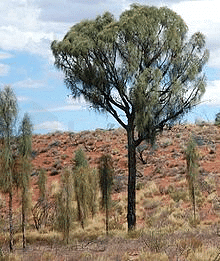
Statement A): Desert Oak is a desert plant.
Statement B): It has adaptations to reduce the water lost due to evapotranspiration.
Statement A): Desert Oak is a desert plant.
Statement B): It has adaptations to reduce the water lost due to evapotranspiration.
Detailed Solution: Question 27
The learning outcome which focuses on the academic standard 'communication' is that
Detailed Solution: Question 28
If 2460375= 3375 × 729, then the cube root of 2460375 is:
Detailed Solution: Question 29
If a learner is able to perform the four basic operations on whole numbers, fractions and decimal numbers, the learner is at _________.
Detailed Solution: Question 30
