
REET Level 2 Mock Test - 9 (Science and Mathematics) Free Online Test 2026
Full Mock Test & Solutions: REET Level 2 Mock Test - 9 (Science and Mathematics) (150 Questions)
You can boost your REET 2026 exam preparation with this REET Level 2 Mock Test - 9 (Science and Mathematics) (available with detailed solutions).. This mock test has been designed with the analysis of important topics, recent trends of the exam, and previous year questions of the last 3-years. All the questions have been designed to mirror the official pattern of REET 2026 exam, helping you build speed, accuracy as per the actual exam.
Mock Test Highlights:
- - Format: Multiple Choice Questions (MCQ)
- - Duration: 150 minutes
- - Total Questions: 150
- - Analysis: Detailed Solutions & Performance Insights
- - Sections covered: Child development and pedagogy, Language 1 (Hindi), Language 2 (English), Science and Mathematics
Sign up on EduRev for free and get access to these mock tests, get your All India Rank, and identify your weak areas to improve your marks & rank in the actual exam.

By placing students in the least restricted school environment, the school
Detailed Solution: Question 1
Which of the following statements supports the role of environment in the development of a child?
Detailed Solution: Question 2

Scaffolding in the context of learning theories refers to
Detailed Solution: Question 3
Which of the following is NOT a strategy for motivating students?
Detailed Solution: Question 4
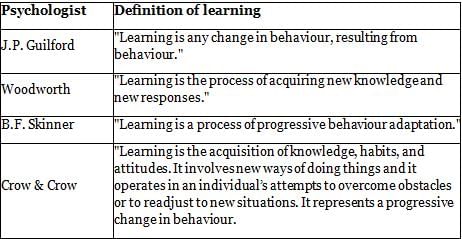
'Learning is any change in behaviour, resulting from behaviour' who said it?
Detailed Solution: Question 5
To make learning interesting and easier for children with learning disabilities, teachers can use mnemonics to remember complex order of things. For which type of learning disability can this mnemonic strategy be applied?
Detailed Solution: Question 6
Inclusive education is for
I. Minorities students
II. Excluded students
III. General categories students
IV. Disadvantage students
I. Minorities students
II. Excluded students
III. General categories students
IV. Disadvantage students
Detailed Solution: Question 7
Which among the following are the parameters for measuring the validity of a test?
(A) Construct
(B) Stability
(C) Criterion
(D) Content
(A) Construct
(B) Stability
(C) Criterion
(D) Content
Detailed Solution: Question 8
निर्देश: निम्नलिखित गद्यांश को ध्यान पूर्वक पढ़िए और विकल्पों में से उपयुक्त उत्तर चुनिए।
जाति-प्रथा को यदि श्रम-विभाजन मान लिया जाए तो यह स्वाभाविक विभाजन नहीं है क्योंकि यह मनुष्य की रुचि पर आधारित है। कुशल व्यक्ति या सक्षम श्रमिक समाज का निर्माण करने के लिए यह आवश्यक है कि हम व्यक्ति की क्षमता इस सीमा तक विकसित करें, जिससे वह अपने पेशे या कार्य का चुनाव स्वयं कर सके। इस सिद्धांत के विपरीत जाति-प्रथा का दूषित सिद्धांत यह है कि इससे मनुष्य के प्रशिक्षण अथवा उसकी निजी क्षमता का विचार किए बिना, दूसरे ही दृष्टिकोण जैसे माता-पिता के सामाजिक स्तर के अनुसार पहले से ही अर्थात गर्भधारण के समय से ही मनुष्य का पेशा निर्धारित कर दिया जाता है।
जाति-प्रथा पेशे का दोषपूर्ण पूर्वनिर्धारण ही नहीं करती, बल्कि मनुष्य को जीवन-भर के लिए एक पेशे में बाँध भी देती है, भले ही पेशा अनुपयुक्त या अपर्याप्त होने के कारण वह भूखों मर जाए। आधुनिक युग में यह स्थिति प्रायः आती है क्योंकि उद्योग धंधे की प्रक्रिया व तकनीक में निरंतर विकास और कभी-कभी अकस्मात परिवर्तन हो जाता है, जिसके कारण मनुष्य को अपना पेशा बदलने की आवश्यकता पड़ सकती है और यदि प्रतिकूल परिस्थितियों में भी मनुष्य को अपना पेशा बदलने की स्वतंत्रता न हो तो इसके लिए भूखे मरने के अलावा क्या चारा रह जाता है? हिंदू धर्म की जाति प्रथा किसी भी व्यक्ति को ऐसा पेशा चुनने की अनुमति नहीं देती है, जो उसका पैतृक पेशा न हो, भले ही वह उसमें पारंगत है। इस प्रकार पेशा-परिवर्तन की अनुमति न देकर जाति-प्रथा भारत में बेरोजगारी का एक प्रमुख व प्रत्यक्ष कारण बनी हुई है।
Q. उपर्युक्त गद्यांश का उपयुक्त शीर्षक दीजिए।
जाति-प्रथा को यदि श्रम-विभाजन मान लिया जाए तो यह स्वाभाविक विभाजन नहीं है क्योंकि यह मनुष्य की रुचि पर आधारित है। कुशल व्यक्ति या सक्षम श्रमिक समाज का निर्माण करने के लिए यह आवश्यक है कि हम व्यक्ति की क्षमता इस सीमा तक विकसित करें, जिससे वह अपने पेशे या कार्य का चुनाव स्वयं कर सके। इस सिद्धांत के विपरीत जाति-प्रथा का दूषित सिद्धांत यह है कि इससे मनुष्य के प्रशिक्षण अथवा उसकी निजी क्षमता का विचार किए बिना, दूसरे ही दृष्टिकोण जैसे माता-पिता के सामाजिक स्तर के अनुसार पहले से ही अर्थात गर्भधारण के समय से ही मनुष्य का पेशा निर्धारित कर दिया जाता है।
जाति-प्रथा पेशे का दोषपूर्ण पूर्वनिर्धारण ही नहीं करती, बल्कि मनुष्य को जीवन-भर के लिए एक पेशे में बाँध भी देती है, भले ही पेशा अनुपयुक्त या अपर्याप्त होने के कारण वह भूखों मर जाए। आधुनिक युग में यह स्थिति प्रायः आती है क्योंकि उद्योग धंधे की प्रक्रिया व तकनीक में निरंतर विकास और कभी-कभी अकस्मात परिवर्तन हो जाता है, जिसके कारण मनुष्य को अपना पेशा बदलने की आवश्यकता पड़ सकती है और यदि प्रतिकूल परिस्थितियों में भी मनुष्य को अपना पेशा बदलने की स्वतंत्रता न हो तो इसके लिए भूखे मरने के अलावा क्या चारा रह जाता है? हिंदू धर्म की जाति प्रथा किसी भी व्यक्ति को ऐसा पेशा चुनने की अनुमति नहीं देती है, जो उसका पैतृक पेशा न हो, भले ही वह उसमें पारंगत है। इस प्रकार पेशा-परिवर्तन की अनुमति न देकर जाति-प्रथा भारत में बेरोजगारी का एक प्रमुख व प्रत्यक्ष कारण बनी हुई है।
Detailed Solution: Question 9
Detailed Solution: Question 10
निर्देश: निम्नलिखित गद्यांश को पढ़कर पूछे गए प्रश्नों के सबसे उपयुक्त उत्तर वाले विकल्प को चुनिए।
आधुनिकतावाद, अपनी व्यापक परिभाषा में, आधुनिक सोच, चरित्र, या प्रथा है अधिक विशेष रूप से, यह शब्द उन्नीसवीं सदी के अंत और बीसवीं सदी के आरम्भ में मूल रूप से पश्चिमी समाज में व्यापकतम पैमाने पर और सुदूर परिवर्तनों से उत्पन्न होने वाली सांस्कृतिक प्रवृत्तियों के एक समूह एवं सम्बद्ध सांस्कृतिक आन्दोलनों की एक सारणी दोनों का वर्णन करता है। यह शब्द अपने भीतर उन लोगों की गतिविधियों और उत्पादन को समाहित करता है जो एक उभरते सम्पूर्ण औद्योगीकृत विश्व की नवीन आर्थिक, सामाजिक एवं राजनीतिक स्थितियों में पुराने होते जा रहे कला, वास्तुकला, साहित्य, धार्मिक विश्वास, सामाजिक संगठन और दैनिक जीवन के "पारंपरिक" रूपों को महसूस करते थे। आधुनिकतावाद ने ज्ञानोदय की सोच की विलंबकारी निश्चितता को और एक करुणामय, सर्वशक्तिशाली निर्माता के अस्तित्व को भी मानने से अस्वीकार कर दिया। इसका मतलब यह नहीं है कि सभी आधुनिकतावादी लोगों या आधुनिकतावादी आन्दोलनों ने या तो धर्म को या ज्ञानोदय की सोच के पहलुओं को मानने से इंकार कर दिया है, इसके बजाय कि आधुनिकतावाद को अतीत काल की ''सूक्तियों'' के पूछताछ के रूप में देखा जा सकता है। आधुनिकतावाद की एक मुख्य विशेषता आत्म-चेतना है। इसकी वजह से अक्सर रूप और कार्य पर प्रयोग किया जाता है जो प्रक्रियाओं और प्रयुक्त सामग्रियों की तरफ (और मतिहीनता की अगली प्रवृत्ति की तरफ) ध्यान आकर्षित करता है। "मेक इट न्यू!" के लिए कवि एज़्रा पाउंड पर रूप निदर्शनात्मक निषेधाज्ञा लग गई थी। आधुनिकतावादियों के "नव निर्माण" में एक नया ऐतिहासिक युग शामिल था या नहीं, यह अब बहस का मुद्दा बना हुआ है।
Q. ‘विलंब’ का पर्यायवाची शब्द कौन - सा नहीं है?
आधुनिकतावाद, अपनी व्यापक परिभाषा में, आधुनिक सोच, चरित्र, या प्रथा है अधिक विशेष रूप से, यह शब्द उन्नीसवीं सदी के अंत और बीसवीं सदी के आरम्भ में मूल रूप से पश्चिमी समाज में व्यापकतम पैमाने पर और सुदूर परिवर्तनों से उत्पन्न होने वाली सांस्कृतिक प्रवृत्तियों के एक समूह एवं सम्बद्ध सांस्कृतिक आन्दोलनों की एक सारणी दोनों का वर्णन करता है। यह शब्द अपने भीतर उन लोगों की गतिविधियों और उत्पादन को समाहित करता है जो एक उभरते सम्पूर्ण औद्योगीकृत विश्व की नवीन आर्थिक, सामाजिक एवं राजनीतिक स्थितियों में पुराने होते जा रहे कला, वास्तुकला, साहित्य, धार्मिक विश्वास, सामाजिक संगठन और दैनिक जीवन के "पारंपरिक" रूपों को महसूस करते थे। आधुनिकतावाद ने ज्ञानोदय की सोच की विलंबकारी निश्चितता को और एक करुणामय, सर्वशक्तिशाली निर्माता के अस्तित्व को भी मानने से अस्वीकार कर दिया। इसका मतलब यह नहीं है कि सभी आधुनिकतावादी लोगों या आधुनिकतावादी आन्दोलनों ने या तो धर्म को या ज्ञानोदय की सोच के पहलुओं को मानने से इंकार कर दिया है, इसके बजाय कि आधुनिकतावाद को अतीत काल की ''सूक्तियों'' के पूछताछ के रूप में देखा जा सकता है। आधुनिकतावाद की एक मुख्य विशेषता आत्म-चेतना है। इसकी वजह से अक्सर रूप और कार्य पर प्रयोग किया जाता है जो प्रक्रियाओं और प्रयुक्त सामग्रियों की तरफ (और मतिहीनता की अगली प्रवृत्ति की तरफ) ध्यान आकर्षित करता है। "मेक इट न्यू!" के लिए कवि एज़्रा पाउंड पर रूप निदर्शनात्मक निषेधाज्ञा लग गई थी। आधुनिकतावादियों के "नव निर्माण" में एक नया ऐतिहासिक युग शामिल था या नहीं, यह अब बहस का मुद्दा बना हुआ है।
Detailed Solution: Question 11
एक शिक्षार्थी अपने संज्ञानात्मक स्तर से एक सोपान ऊपर के अपठित गद्यांश की समालोचनात्मक सराहना द्वारा अपनी पठन क्षमता प्रदर्शित करती है।
यह किसके अधिक निकट है?
यह किसके अधिक निकट है?
Detailed Solution: Question 12
किस विधि के अन्तर्गत भाषा के मौखिक रूप पर सर्वाधिक बल दिया जाता है?
Detailed Solution: Question 13
हवा का ज़ोर वर्षा की झड़ी, झाड़ों का गिर पड़ना
कहीं गरजन का जाकर दूर सिर के पास फिर पड़ना
उमड़ती नदी का खेती की छाती तक लहर उठना
ध्वजा की तरह बिजली का दिशाओं में फहर उठना
ये वर्षा के अनोखे दृश्य जिसको प्राण से प्यारे
जो चातक की तरह ताकता है बादल घने कजरारे
जो भूखा रहकर, धरती चीरकर जग को खिलाता है
जो पानी वक्त पर आए नहीं तो तिलमिलाता है
अगर आषाढ़ के पहले दिवस के प्रथम इस क्षण में
वही हलधर अधिक आता है, कालिदास के मन में
तू मुझको क्षमा कर देना।
उपर्युक्त पद्यांश को पढ़कर नीचे पूछे जाने वाले प्रश्न का उत्तर बताइए।
Q. 'अगर आषाढ़ के पहले दिवस के प्रथम इस क्षण में' का ऐतिहासिक संबंध किससे है?
कहीं गरजन का जाकर दूर सिर के पास फिर पड़ना
उमड़ती नदी का खेती की छाती तक लहर उठना
ध्वजा की तरह बिजली का दिशाओं में फहर उठना
ये वर्षा के अनोखे दृश्य जिसको प्राण से प्यारे
जो चातक की तरह ताकता है बादल घने कजरारे
जो भूखा रहकर, धरती चीरकर जग को खिलाता है
जो पानी वक्त पर आए नहीं तो तिलमिलाता है
अगर आषाढ़ के पहले दिवस के प्रथम इस क्षण में
वही हलधर अधिक आता है, कालिदास के मन में
तू मुझको क्षमा कर देना।
उपर्युक्त पद्यांश को पढ़कर नीचे पूछे जाने वाले प्रश्न का उत्तर बताइए।
Detailed Solution: Question 14
Directions: Read the given poem and answer the question that follows by selecting the most appropriate option.
As I Watch You Grow
Do you know how much you mean to me?
As you grow into what you will be.
You came from within, from just beneath my heart.
It's there you'll always be, though your own life will now start.
You're growing so fast it sends me a whirl,
With misty eyes I ask, Where's my little girl?
I know sometimes to you I seem harsh and so unfair,
But one day you will see, I taught you well because I care.
The next few years will so quickly fly,
With laughter and joy, mixed with a few tears to cry.
As you begin your growth to womanhood, this fact you must know,
You'll always be my source of pride, no matter where you go.
You must stand up tall and proud, within you feel no fear,
For all you dreams and goals sit before you very near.
With God's love in your heart and the world by its tail,
You'll always be my winner, and victory will prevail.
For you this poem was written, with help from above,
To tell you in a rhythm of your Mother's heartfelt love!
-KayTheese
Q. The poem addresses a
As I Watch You Grow
Do you know how much you mean to me?
As you grow into what you will be.
You came from within, from just beneath my heart.
It's there you'll always be, though your own life will now start.
You're growing so fast it sends me a whirl,
With misty eyes I ask, Where's my little girl?
I know sometimes to you I seem harsh and so unfair,
But one day you will see, I taught you well because I care.
The next few years will so quickly fly,
With laughter and joy, mixed with a few tears to cry.
As you begin your growth to womanhood, this fact you must know,
You'll always be my source of pride, no matter where you go.
You must stand up tall and proud, within you feel no fear,
For all you dreams and goals sit before you very near.
With God's love in your heart and the world by its tail,
You'll always be my winner, and victory will prevail.
For you this poem was written, with help from above,
To tell you in a rhythm of your Mother's heartfelt love!
-KayTheese
Detailed Solution: Question 15
A student has difficulty in applying the learned knowledge. For example, in word problems, the student also fails to translate sentences into equations or identify the variables. A possible solution to this problem could be
Detailed Solution: Question 16
Which of the following activity is suggested to improve one’s spelling?
Detailed Solution: Question 17
A good English textbook should primarily:
Detailed Solution: Question 18
"A student recommends the reading of the latest best seller saying that it is very interesting. You listen trying to make out whether the student's observation is sincere or not." This type of listening can be described as
Detailed Solution: Question 19
The additive inverse of S, where S = 1 – 2 + 3 – 4 + 5 – 6 + 7 – 8 + ___ + 49 – 50, is
Detailed Solution: Question 20
Which of the following is not a component of food?
Detailed Solution: Question 21
If the area of a trapezium-shaped field is 720 m2, the distance between the two parallel sides is 20 m and the length of one of the parallel sides is 35 m, then the length of the other parallel side is
Detailed Solution: Question 22
A tank is 20 m long, 15 m wide and 10 m deep. What is the cost of plastering its walls and bottom at 80 paise per sq. m?
Detailed Solution: Question 23
Study the following statements about the effects of weeds on the crop plants:
(A) They help crop plants to grow healthily.
(B) They interfere in harvesting.
(C) They affect plant growth.
(D) They compete with crop plants for water, nutrients, space and light.
Which of the above statements is/are correct?
(A) They help crop plants to grow healthily.
(B) They interfere in harvesting.
(C) They affect plant growth.
(D) They compete with crop plants for water, nutrients, space and light.
Which of the above statements is/are correct?
Detailed Solution: Question 24
The sum of all the interior angles of a polygon is 1440º. The number of sides of the polygon is
Detailed Solution: Question 25
While teaching the correct method of measuring volume of a solid using a measuring cylinder, Kavita mentions the following steps (not in the correct sequence) to be followed:
a. Note the reading of the level of water in the cylinder.
b. Suspend the solid with a thread inside water in the cylinder.
c. Record the least count of the measuring cylinder.
d. Put sufficient water in the cylinder and note the reading.
Which of the following is the correct sequence of steps for the said purpose?
a. Note the reading of the level of water in the cylinder.
b. Suspend the solid with a thread inside water in the cylinder.
c. Record the least count of the measuring cylinder.
d. Put sufficient water in the cylinder and note the reading.
Which of the following is the correct sequence of steps for the said purpose?
Detailed Solution: Question 26
A teacher before beginning to teach 'Digestion' to class VI students provides them with the outline diagram of a human body and asks them to draw all parts, through which they think the food would travel from mouth when they eat.
What could be the teacher's purpose of asking this question?
What could be the teacher's purpose of asking this question?
Detailed Solution: Question 27
Which one of the following is the most suited to the development of scientific skills in students?
Detailed Solution: Question 28
Which of the following is not the process by which children learn?
1. Simulation
2. Observation
Choose the correct code
1. Simulation
2. Observation
Choose the correct code
Detailed Solution: Question 29
The purpose of 'micro-teaching' is
Detailed Solution: Question 30
