


|
INFINITY COURSE
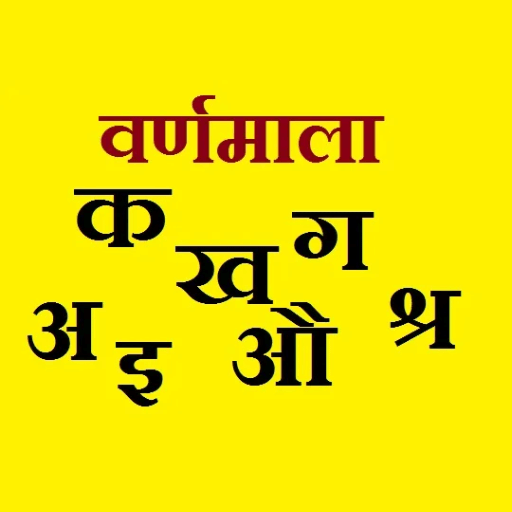
Hindi Varnamala (हिंदी वर्णमाला) for Class 116,688 students learning this week · Last updated on Oct 19, 2025 |
The Hindi Varnamala Parichay course by EduRev is specifically designed for Class 1 students to introduce them to the basics of Hindi alphabets. Throug
... view more
h this course, students will learn how to read, write and pronounce each Hindi alphabet along with their corresponding sounds. The course includes interactive lessons, fun activities and quizzes to make the learning process engaging and effective. By the end of this course, students will have a strong foundation in Hindi alphabets, which will help them in their future language learning journey. So, join the Hindi Varnamala Parichay course today and give your child a head start in Hindi language learning!
Hindi Varnamala (हिंदी वर्णमाला) Study Material


Trending Courses for Class 1
Hindi Varnamala Parichay (हिंदी वर्णमाला) for Class 1 CBSE Exam Pattern 2025-2026
Hindi Varnamala Parichay (हिंदी वर्णमाला) Exam Pattern for Class 1
Introduction: Hindi Varnamala Parichay is the first step towards learning Hindi language. It is essential for Class 1 students to have a thorough understanding of the Hindi Varnamala to learn and communicate effectively in Hindi.
Exam Pattern: The Hindi Varnamala Parichay exam for Class 1 students typically consists of the following components:
1. Identification of Vowels and Consonants: Students are expected to identify and differentiate between vowels and consonants in Hindi.
2. Recognition of Hindi Alphabets: Students should be able to recognize and identify all 13 vowels and 33 consonants in Hindi.
3. Writing Practice: Students will be asked to write Hindi alphabets, words, and simple sentences.
4. Pronunciation: Students will be tested on their pronunciation skills and should be able to pronounce the Hindi alphabets correctly.
5. Listening Comprehension: Students will be asked to listen to a word or a sentence and identify the Hindi alphabets used in it.
6. Reading Comprehension: Students will be given simple Hindi words and sentences to read and comprehend.
Preparation Tips: Here are some tips to help Class 1 students prepare for the Hindi Varnamala Parichay exam:
1. Practice writing Hindi alphabets and simple words daily.
2. Listen to Hindi songs and stories to improve pronunciation and listening skills.
3. Read Hindi books and practice reading Hindi words and sentences.
4. Use flashcards to memorize Hindi alphabets.
5. Take online quizzes and practice tests to assess your knowledge.
Conclusion: Hindi Varnamala Parichay is an essential part of learning Hindi language. Class 1 students should focus on understanding and memorizing all the Hindi alphabets, and practice writing, reading, and listening to improve their Hindi language skills. With consistent practice and preparation, students can ace the Hindi Varnamala Parichay exam.
Introduction: Hindi Varnamala Parichay is the first step towards learning Hindi language. It is essential for Class 1 students to have a thorough understanding of the Hindi Varnamala to learn and communicate effectively in Hindi.
Exam Pattern: The Hindi Varnamala Parichay exam for Class 1 students typically consists of the following components:
1. Identification of Vowels and Consonants: Students are expected to identify and differentiate between vowels and consonants in Hindi.
2. Recognition of Hindi Alphabets: Students should be able to recognize and identify all 13 vowels and 33 consonants in Hindi.
3. Writing Practice: Students will be asked to write Hindi alphabets, words, and simple sentences.
4. Pronunciation: Students will be tested on their pronunciation skills and should be able to pronounce the Hindi alphabets correctly.
5. Listening Comprehension: Students will be asked to listen to a word or a sentence and identify the Hindi alphabets used in it.
6. Reading Comprehension: Students will be given simple Hindi words and sentences to read and comprehend.
Preparation Tips: Here are some tips to help Class 1 students prepare for the Hindi Varnamala Parichay exam:
1. Practice writing Hindi alphabets and simple words daily.
2. Listen to Hindi songs and stories to improve pronunciation and listening skills.
3. Read Hindi books and practice reading Hindi words and sentences.
4. Use flashcards to memorize Hindi alphabets.
5. Take online quizzes and practice tests to assess your knowledge.
Conclusion: Hindi Varnamala Parichay is an essential part of learning Hindi language. Class 1 students should focus on understanding and memorizing all the Hindi alphabets, and practice writing, reading, and listening to improve their Hindi language skills. With consistent practice and preparation, students can ace the Hindi Varnamala Parichay exam.


Hindi Varnamala Parichay (हिंदी वर्णमाला) Syllabus 2025-2026 PDF Download
Class 1 Hindi Syllabus:
हिंदी वर्णमाला परिचय (Hindi Varnamala Parichay)
स्वर परिचय (Swar Parichay)
व्यंजन परिचय (Vyanjan Parichay)
Assessment and Evaluation:
Conclusion:
This comprehensive syllabus aims to provide a strong foundation in Hindi language to Class 1 students. By the end of this course, students will have a good understanding of Hindi Alphabets, Vowels, and Consonants. Regular assessments and evaluations will help track progress and ensure that students achieve their learning goals.
हिंदी वर्णमाला परिचय (Hindi Varnamala Parichay)
- Introduction to Hindi Alphabets
- Identification and pronunciation of Hindi Vowels and Consonants
- Formation of simple words using Hindi Alphabets
स्वर परिचय (Swar Parichay)
- Introduction to Hindi Vowels (Swar)
- Identification and pronunciation of all Hindi Vowels
- Formation of simple words using Hindi Vowels
- Practice exercises to improve pronunciation and recognition of Hindi Vowels
व्यंजन परिचय (Vyanjan Parichay)
- Introduction to Hindi Consonants (Vyanjan)
- Identification and pronunciation of all Hindi Consonants
- Formation of simple words using Hindi Consonants
- Practice exercises to improve pronunciation and recognition of Hindi Consonants
Assessment and Evaluation:
- Regular in-class assessments to track progress and identify areas of improvement
- Periodic written tests to evaluate overall understanding and retention of concepts
- Oral exams to test pronunciation and recognition of Hindi Alphabets, Vowels, and Consonants
Conclusion:
This comprehensive syllabus aims to provide a strong foundation in Hindi language to Class 1 students. By the end of this course, students will have a good understanding of Hindi Alphabets, Vowels, and Consonants. Regular assessments and evaluations will help track progress and ensure that students achieve their learning goals.
This course is helpful for the following exams: Class 1, UKG, LKG
How to Prepare Hindi Varnamala Parichay (हिंदी वर्णमाला) for Class 1?
How to Prepare Hindi Varnamala Parichay (हिंदी वर्णमाला) for Class 1?
Hindi Varnamala Parichay is the first step towards learning Hindi. It is important to have a strong foundation in the Hindi language and Varnamala Parichay helps in achieving that. If you are a Class 1 student, then here are some tips to prepare for Hindi Varnamala Parichay.
Understand the Basics: Start with the basics of Hindi language like learning the Hindi alphabets, their sounds, and their usage. Varnamala consists of 13 vowels and 33 consonants. Learn the pronunciation of each letter and understand how to use them in forming words.
Practice Writing: Writing is an essential part of learning Hindi Varnamala. Practice writing each alphabet in both uppercase and lowercase. Use a notebook and practice writing the alphabets repeatedly.
Use Visual Aids: Visual aids like flashcards, posters, and charts can be effective in learning Hindi Varnamala. Use these visual aids to learn and memorize the Hindi alphabets.
Read Hindi Texts: Reading Hindi texts can help in understanding the usage of Hindi alphabets in words and sentences. Start with simple Hindi books or stories and gradually move towards complex texts.
Take Online Courses: Online courses like the Hindi Varnamala Parichay course offered by EduRev can be helpful in learning Hindi Varnamala. These courses provide interactive sessions, quizzes, and assessments to help in better understanding and retention of the Hindi alphabets.
In conclusion, learning Hindi Varnamala Parichay is essential for Class 1 students to build a strong foundation in the Hindi language. By following the above tips and taking online courses like the Hindi Varnamala Parichay course offered by EduRev, students can easily prepare for Hindi Varnamala Parichay.
Hindi Varnamala Parichay is the first step towards learning Hindi. It is important to have a strong foundation in the Hindi language and Varnamala Parichay helps in achieving that. If you are a Class 1 student, then here are some tips to prepare for Hindi Varnamala Parichay.
Understand the Basics: Start with the basics of Hindi language like learning the Hindi alphabets, their sounds, and their usage. Varnamala consists of 13 vowels and 33 consonants. Learn the pronunciation of each letter and understand how to use them in forming words.
Practice Writing: Writing is an essential part of learning Hindi Varnamala. Practice writing each alphabet in both uppercase and lowercase. Use a notebook and practice writing the alphabets repeatedly.
Use Visual Aids: Visual aids like flashcards, posters, and charts can be effective in learning Hindi Varnamala. Use these visual aids to learn and memorize the Hindi alphabets.
Read Hindi Texts: Reading Hindi texts can help in understanding the usage of Hindi alphabets in words and sentences. Start with simple Hindi books or stories and gradually move towards complex texts.
Take Online Courses: Online courses like the Hindi Varnamala Parichay course offered by EduRev can be helpful in learning Hindi Varnamala. These courses provide interactive sessions, quizzes, and assessments to help in better understanding and retention of the Hindi alphabets.
In conclusion, learning Hindi Varnamala Parichay is essential for Class 1 students to build a strong foundation in the Hindi language. By following the above tips and taking online courses like the Hindi Varnamala Parichay course offered by EduRev, students can easily prepare for Hindi Varnamala Parichay.
Importance of Hindi Varnamala Parichay (हिंदी वर्णमाला) for Class 1
Importance of Hindi Varnamala Parichay (हिंदी वर्णमाला) Course for Class 1
Introduction: Hindi is the national language of India and it is important for students to have a basic understanding of Hindi Varnamala Parichay. EduRev offers an online Hindi Varnamala Parichay course for Class 1 students to learn and understand the basics of Hindi.
Key Benefits: The Hindi Varnamala Parichay course is designed to help students learn the Hindi alphabet, vowels, and consonants. It helps them understand the pronunciation of each letter and how to write them. This knowledge is crucial for students to be able to read and write in Hindi.
Interactive Learning: The course is designed to be interactive and engaging for young learners. It includes videos, audio, and interactive quizzes to help students learn and retain the information. This makes learning fun and interesting for students.
Convenient Learning: The online course is convenient for students as they can learn at their own pace and from the comfort of their homes. This eliminates the need for physical classroom attendance and allows students to learn at their own pace.
Improves Communication: Learning Hindi Varnamala Parichay is essential for students to communicate effectively in Hindi. It helps them build a strong foundation to learn and understand the language better. This is important for students as it can help them communicate better with their peers and family members who speak Hindi.
Conclusion: In conclusion, the Hindi Varnamala Parichay course offered by EduRev is a great way for Class 1 students to learn and understand the basics of Hindi. It is interactive, convenient, and helps students improve their communication skills. Enrolling in this course can be a great investment in a student's future.
Introduction: Hindi is the national language of India and it is important for students to have a basic understanding of Hindi Varnamala Parichay. EduRev offers an online Hindi Varnamala Parichay course for Class 1 students to learn and understand the basics of Hindi.
Key Benefits: The Hindi Varnamala Parichay course is designed to help students learn the Hindi alphabet, vowels, and consonants. It helps them understand the pronunciation of each letter and how to write them. This knowledge is crucial for students to be able to read and write in Hindi.
Interactive Learning: The course is designed to be interactive and engaging for young learners. It includes videos, audio, and interactive quizzes to help students learn and retain the information. This makes learning fun and interesting for students.
Convenient Learning: The online course is convenient for students as they can learn at their own pace and from the comfort of their homes. This eliminates the need for physical classroom attendance and allows students to learn at their own pace.
Improves Communication: Learning Hindi Varnamala Parichay is essential for students to communicate effectively in Hindi. It helps them build a strong foundation to learn and understand the language better. This is important for students as it can help them communicate better with their peers and family members who speak Hindi.
Conclusion: In conclusion, the Hindi Varnamala Parichay course offered by EduRev is a great way for Class 1 students to learn and understand the basics of Hindi. It is interactive, convenient, and helps students improve their communication skills. Enrolling in this course can be a great investment in a student's future.
Hindi Varnamala Parichay (हिंदी वर्णमाला) for Class 1 FAQs
| 1. हिंदी वर्णमाला में कितने वर्ण होते हैं? |  |
उत्तर: हिंदी वर्णमाला में कुल 52 वर्ण होते हैं।
| 2. हिंदी वर्णमाला के कौन-कौन से वर्ण होते हैं? | |
उत्तर: हिंदी वर्णमाला में अक्षरों की श्रृंखला होती है। यह वर्ण अक्षर और मात्राओं का समूह होता है जो एक शब्द बनाने के लिए प्रयोग किया जाता है। हिंदी वर्णमाला में कुल 13 स्वर और 39 व्यंजन होते हैं।
| 3. हिंदी वर्णमाला का उच्चारण कैसे करें? | |
उत्तर: हिंदी वर्णमाला का उच्चारण ठीक से करने के लिए, आपको ध्यान देने की आवश्यकता होती है कि कैसे वर्णों को उच्चारित किया जाए। आपको सभी स्वरों और व्यंजनों के उच्चारण का अभ्यास करने की आवश्यकता होती है। फिर आपको ध्यान देना होगा कि आप किस वाक्य को कैसे बोल रहे हैं।
| 4. हिंदी वर्णमाला का उपयोग क्या है? | |
उत्तर: हिंदी वर्णमाला एक बहुत महत्वपूर्ण भाग है जो हिंदी भाषा के लिए आवश्यक है। इस वर्णमाला का उपयोग हम हिंदी भाषा के शब्दों को लिखने के लिए करते हैं।
| 5. हिंदी वर्णमाला के सभी वर्णों का अक्षर क्या होता है? | |
उत्तर: हिंदी वर्णमाला में शुरुआत से अंत तक के सभी वर्ण देवनागरी लिपि के अक्षरों से बने होते हैं। ये अक्षर होते हैं: अ, आ, इ, ई, उ,
Best Coaching for Hindi Varnamala Parichay (हिंदी वर्णमाला) for Class 1
EduRev is the best coaching platform for Hindi Varnamala Parichay (हिंदी वर्णमाला) for Class 1. It offers free online coaching and study material to help students learn the Hindi alphabet. The online study material includes important chapters, summaries, and download pdf options for easy access. EduRev provides a comprehensive guide to the Hindi Varnamala and its phonetics, pronunciation, reading, writing, and script. The coaching platform is perfect for beginners, kids, and primary school students who are looking to learn the basics of the Hindi language. The Hindi curriculum is designed to help students develop a strong foundation in the language. EduRev's coaching methodology is easy to understand and follow, making it ideal for students who are new to the language. With EduRev, students can learn at their own pace and get the support they need to succeed. The online coaching platform is a great resource for students who want to improve their Hindi language skills. The website and app are user-friendly and offer a seamless learning experience. EduRev is the perfect solution for students who are looking to master Hindi Varnamala Parichay.
Tags related with Hindi Varnamala Parichay (हिंदी वर्णमाला) for Class 1
Hindi Varnamala, Hindi alphabet, Hindi letters, Hindi language, Hindi phonetics, Hindi pronunciation, Hindi reading, Hindi writing, Hindi script, Hindi basics, Hindi for beginners, Hindi for kids, Hindi primary school, Hindi primary education, Hindi curriculum.
Best Hindi Varnamala Parichay (हिंदी वर्णमाला) for Class 1 NCERT Solutions and Study Materials
Looking for the best Hindi Varnamala Parichay (हिंदी वर्णमाला) for Class 1 NCERT study materials and Hindi Varnamala Parichay (हिंदी वर्णमाला) for Class 1 NCERT Book solutions?
EduRev has got you covered! Our platform offers comprehensive Class 1 NCERT Solutions and NCERT Study Materials that
are tailored to fit the needs of Class 1 students. Our Hindi Varnamala Parichay (हिंदी वर्णमाला) for Class 1 NCERT Book Solutions are designed to
help students understand the concepts and improve their grasp on the subject. We provide step-by-step solutions to
all the questions in the Hindi Varnamala Parichay (हिंदी वर्णमाला) for Class 1 NCERT Tests, making it easy for students to follow along and grasp
the concepts. EduRev’s chapter-wise NCERT Solutions for Class 1 are comprehensive and designed by a team of
experienced teachers to cater to the learning needs of students. And the best part is - we offer
our Hindi Varnamala Parichay (हिंदी वर्णमाला) for Class 1 NCERT Solutions and Study Materials for free to students.
So, if you're looking for the best NCERT Book Solutions and Study Materials for Hindi Varnamala Parichay (हिंदी वर्णमाला) for Class 1,
look no further than EduRev. Our platform offers everything you need to excel in your studies and achieve your academic goals.
Course Description
Hindi Varnamala Parichay (हिंदी वर्णमाला) | CBSE, Videos, Docs, MCQs, NCERT Textbook & Solutions for Class 1 2025-2026 is part of Class 1 preparation. The notes and questions for Hindi Varnamala Parichay (हिंदी वर्णमाला) | CBSE, Videos, Docs, MCQs, NCERT Textbook & Solutions have been prepared
according to the Class 1 exam syllabus. Information about Hindi Varnamala Parichay (हिंदी वर्णमाला) | CBSE, Videos, Docs, MCQs, NCERT Textbook & Solutions covers all important topics for Class 1 2025-2026 Exam.
Find important definitions, questions, notes,examples, exercises test series, mock tests and Previous year questions (PYQs) below for
Hindi Varnamala Parichay (हिंदी वर्णमाला) | CBSE, Videos, Docs, MCQs, NCERT Textbook & Solutions.
Preparation for Hindi Varnamala Parichay (हिंदी वर्णमाला) | CBSE, Videos, Docs, MCQs, NCERT Textbook & Solutions in English is available as part of our Class 1 preparation & Hindi Varnamala Parichay (हिंदी वर्णमाला) | CBSE, Videos, Docs, MCQs, NCERT Textbook & Solutions in Hindi for Class 1 courses.
Download more important topics related with Hindi Varnamala Parichay (हिंदी वर्णमाला) | CBSE, Videos, Docs, MCQs, NCERT Textbook & Solutions, notes, lectures and mock test series for Class 1 Exam by signing up for free.
Course Speciality
Hindi Varnmala
Full Syllabus, Lectures & Tests to study Hindi Varnamala Parichay (हिंदी वर्णमाला) | CBSE, Videos, Docs, MCQs, NCERT Textbook & Solutions - Class 1 | Best Strategy to prepare for Hindi Varnamala Parichay (हिंदी वर्णमाला) | CBSE, Videos, Docs, MCQs, NCERT Textbook & Solutions | Free Course for Class 1 Exam
Course Options

|
View your Course Analysis |

|

|
Create your own Test |
|



Related Searches
Introduction: Hindi Varnmala , Printable Worksheet: स्वर 'अं' , स्वर परिचय , Printable Worksheet: स्वर 'ओ' , Printable Worksheet: स्वर 'ई' , Printable Worksheet: स्वर 'ऐ' , Printable Worksheet: स्वर 'ए' , Printable Worksheet: स्वर 'औ' , Printable Worksheet: स्वर 'अः' , Printable Worksheet: स्वर 'इ' , Test: स्वर परिचय - 2 , Printable Worksheet: स्वर 'ऋ' , Printable Worksheet: स्वर 'उ' , Printable Worksheet: स्वर 'अ' , Test: स्वर परिचय - 1 , Printable Worksheet: स्वर 'आ' , Printable Worksheet: स्वर 'ऊ'
|
|
Join course for Free
This course includes:

4 Videos

50+ Documents

4 Tests

4.89 (749+ ratings)


|
Explore Courses for Class 1 exam
|

|
Signup for Free!
Signup to see your scores go up within 7 days! Learn & Practice with 1000+ FREE Notes, Videos & Tests.
Course Speciality
Hindi Varnmala
Full Syllabus, Lectures & Tests to study Hindi Varnamala Parichay (हिंदी वर्णमाला) | CBSE, Videos, Docs, MCQs, NCERT Textbook & Solutions - Class 1 | Best Strategy to prepare for Hindi Varnamala Parichay (हिंदी वर्णमाला) | CBSE, Videos, Docs, MCQs, NCERT Textbook & Solutions | Free Course for Class 1 Exam





Additional Information about Hindi Varnamala (हिंदी वर्णमाला) for Class 1 for Class 1 Preparation
Hindi Varnamala (हिंदी वर्णमाला) for Class 1 Books
Hindi Varnamala (हिंदी वर्णमाला) for Class 1 Books is your ultimate resource for mastering the Class 1 Exam.
Get with a wide array of carefully selected books that cover every aspect of the Hindi Varnamala (हिंदी वर्णमाला) for Class 1 syllabus.
From in-depth subject knowledge to practice papers, our collection has it all.
Boost your confidence by attempting question papers and gain valuable insights from detailed paper analysis.
Prepare with precision using our mock tests, designed to simulate the real exam experience.
With Hindi Varnamala (हिंदी वर्णमाला) for Class 1 Class 1 Books, you'll have the best study material at your fingertips, ensuring your success in the Class 1 Exam.
Hindi Varnamala (हिंदी वर्णमाला) for Class 1 Notes PDF Download
Access the comprehensive Hindi Varnamala (हिंदी वर्णमाला) for Class 1 Notes for Class 1 Exam at EduRev.
Elevate your preparation with well-structured study material and concise notes.
Stay updated with the latest exam pattern and syllabus.
Prepare confidently with practice papers and question banks. Enhance your understanding through detailed paper analysis.
Get access to toppers' notes for valuable insights.
With Hindi Varnamala (हिंदी वर्णमाला) for Class 1 Notes PDF download, you can streamline your study and be well-prepared for the Class 1 Exam.
Achieve success with EduRev's trusted study resources and boost your scores effortlessly.
Hindi Varnamala (हिंदी वर्णमाला) for Class 1 Previous Year Papers
Hindi Varnamala (हिंदी वर्णमाला) for Class 1 Previous Year Papers from EduRev: Prepare for Class 1 exam with ease using our extensive collection of Previous Year Papers.
Access question papers, practice papers, and in-depth paper analysis to master the exam pattern and syllabus.
Stay updated on the exam date and results while practicing in your preferred language.
Whether you need preparation tips, best books, study material, or subject-specific syllabus, EduRev's official website has you covered.
Enhance your exam readiness with Toppers' notes and comprehensive videos.
Trust EduRev's Previous Year Papers for a successful Class 1 exam journey.
Important Questions for Hindi Varnamala (हिंदी वर्णमाला) for Class 1
Important questions are crucial for acing your Class 1 exam.
Understanding the question pattern and types is essential for effective preparation.
Explore previous years' question papers to get a sense of the language and format used.
Practice papers are available to hone your skills and assess your progress.
Analyzing question trends can give you an edge during the exam. Our recommended books and study material cover all topics in the syllabus.
Additionally, coaching videos provide valuable insights. Stay updated on the official website for exam dates and results.
Prepare with confidence, as EduRev has got your question-related needs covered for Hindi Varnamala (हिंदी वर्णमाला) for Class 1 .
|
© EduRev
|
Education Revolution
|


|







Signup to see your scores
go up within 7 days!
Access 1000+ FREE Docs, Videos and Tests
Takes less than 10 seconds to signup