All Exams
>
Novels Exam
Prepare for Novels Exam
with EduRev
with EduRev
All you need for Novels Exam preparation covering complete
Novels syllabus
Novels syllabus

Video Lectures

Revision Notes

Analysis & Insights

Practice & Mock Tests


10000+
Novels Students on EduRev
/5/5
500+ ratings on Google Play
5000+
Docs & Videos viewed
35000+
MCQs attempted in Tests
Study Material for Novels Syllabus


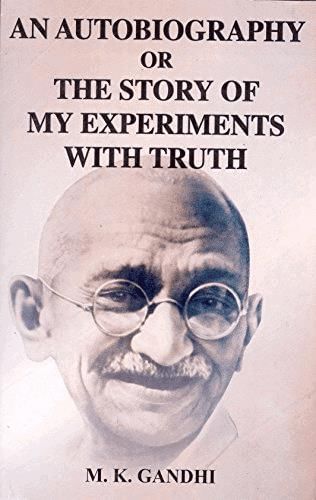

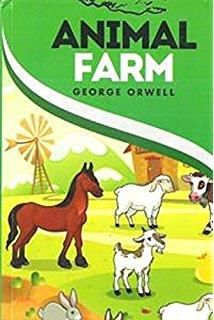
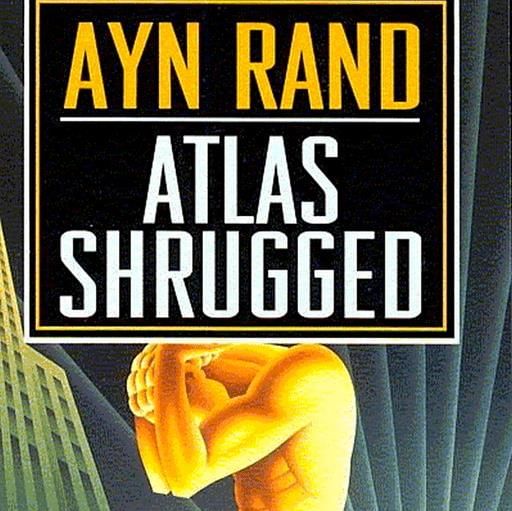

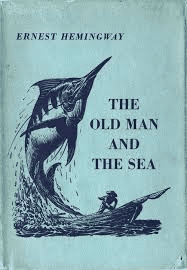
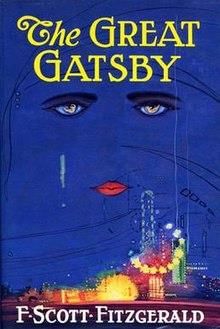
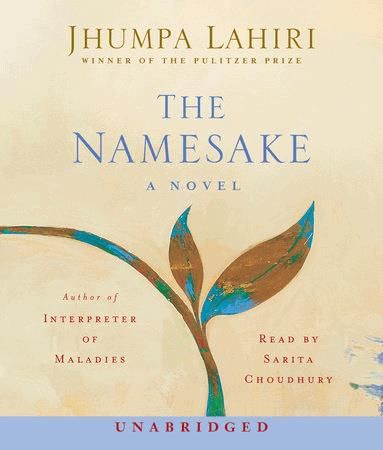

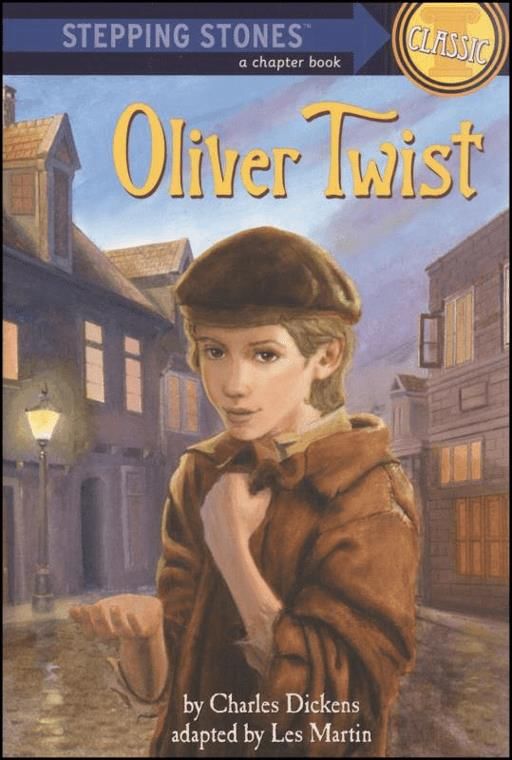
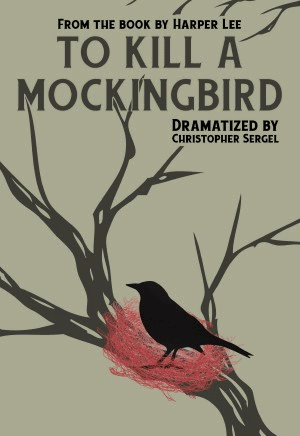
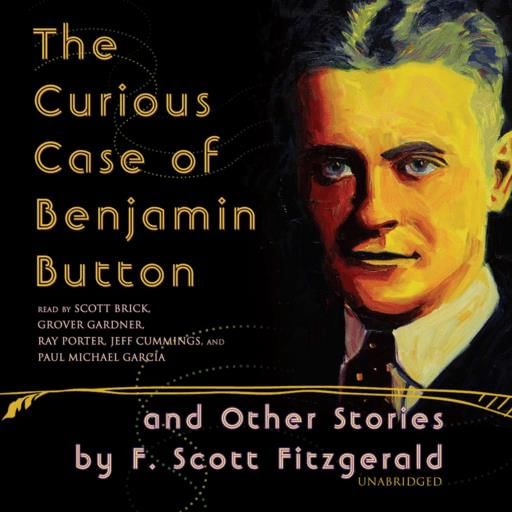
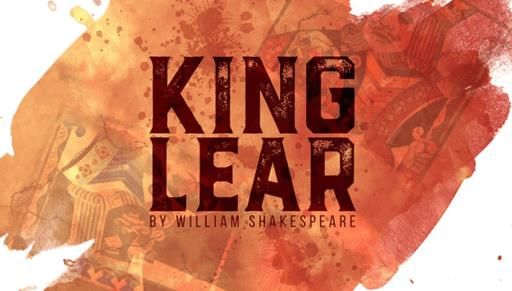
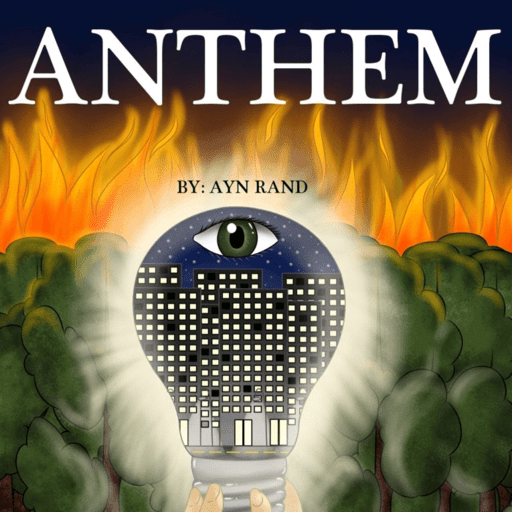
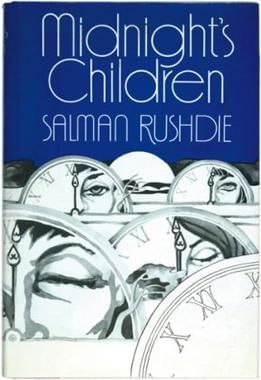

Explore videos, notes and tests for Free


| Why students choose EduRev for their Novels Exam |
4.6
 (150K+ ratings)
|
Why students choose EduRev for their Novels Exam
4.6
![]() (150K+ ratings)
(150K+ ratings)
 (150K+ ratings)



One subscription to unlock all
Novels Courses
View Pricing Plans
Starting @ $1 per month
|
|
All you need for your Novels exam, get it in your pocket now
Trusted by 10000+ students


CONNECT WITH US ON


EduRev stands for Education Revolution.
Made with Love ❤️
Copyright © 2025 EduRev Inc
Quick Links
Additional Information about Novels Preparation
Novels Exam Pattern 2025-2026
To start your Novels exam preparation, it is essential to understand the exam pattern.
The Novels exam pattern will help candidates to understand the structure of the Novels Exam question paper and marking scheme.
Students can find the complete detailed explanation of the Novels Exam pattern on EduRev.
It includes details about the exam date, syllabus, language, question paper, and paper analysis.
Novels Syllabus 2025-2026 PDF Download
Access the comprehensive Novels Syllabus for 2025-2026 in PDF format with EduRev.
This valuable resource provides the detailed subject syllabus, exam pattern, and language information for efficient exam preparation.
Students can download and study the syllabus, along with study materials, notes, and recommended best books available on EduRev.
Enhance your preparation with mock tests, sample papers, and question papers for paper analysis.
Additionally, Toppers' notes and coaching assistance are at your disposal to excel in the Novels exam.
Achieve outstanding results and boost your confidence with EduRev's curated videos and preparation tips.
Novels Books
Prepare for the Novels exam with the best books available on EduRev. These books cover the entire syllabus and exam pattern,
ensuring comprehensive preparation. students can access study material, sample papers, and subject-specific notes to enhance their understanding.
EduRev offers coaching support and paper analysis to sharpen exam skills. With mock tests and question papers,
students can practice effectively and gain confidence. Stay updated with the exam date and language requirements for a smooth experience.
Toppers' notes are an additional resource for valuable insights. EduRev's official website provides access to all these resources,
helping you excel in the Novels exam effortlessly.
Novels Study Material and Notes PDF Download
Prepare for the upcoming Novels exam with EduRev's Study Material and Notes in PDF format.
Access a comprehensive collection of subject-specific study materials and notes to cover the entire syllabus.
These resources are designed to aid your preparation, ensuring a thorough understanding of the exam pattern, language, and syllabus.
Boost your confidence with practice papers and question papers for paper analysis. EduRev offers coaching support and toppers' notes to excel in the Novels exam.
Download the study material and notes from EduRev's official website and embark on a successful preparation journey.
Novels Previous Year Papers
Novels Previous Year Papers by EduRev provide valuable resources for exam preparation.
Access question papers, paper analysis, and practice papers to understand the exam pattern and syllabus thoroughly.
Enhance your preparation with best books, study materials, and toppers' notes.
Stay updated with the latest exam date and official website information. Utilize mock tests and sample papers to practice in the exam language.
Boost your performance with insightful preparation tips and coaching videos.
Ace the Novels exam confidently with EduRev's comprehensive study material and expert guidance. Prepare effectively and excel in your upcoming exam.
Important Questions for Novels
Get ready to ace the Novels exam with a focus on important questions.
These questions give valuable insights into the exam's format and difficulty, helping you gauge your readiness.
Access various question papers, including sample papers, previous years, and mock tests, to understand the exam's scope.
Analyze these questions to identify patterns and essential topics. Strengthen your knowledge with study material and notes.
EduRev provides an extensive collection of important questions to support your preparation and boost your chances of achieving outstanding results.
|
© EduRev
|
Education Revolution
|


|








Signup to see your scores
go up within 7 days!
Access 1000+ FREE Docs, Videos and Tests
Takes less than 10 seconds to signup