All Exams   >   Grade 3 Exam

Prepare for Grade 3 Exam
with EduRev

All you need for Grade 3 Exam Exam preparation covering complete
Grade 3 syllabus

488 K+K+
Grade 3 Students on EduRev
4.6/5/5
13k+ ratings on Google Play
22 Million+Million+
Docs & Videos viewed
171 Million+Million+
MCQs attempted in Tests
Everything you need for your Exam at one place
EduRev features
2500+ Notes
With relevant content to help you prepare for exams in the best way
EduRev features
600+ Tests
Practice every topic with over 15M+ questions in 75K+ tests
EduRev features
850+ Videos
With 100K+ videos & 250K+ notes clear all your concepts
EduRev features
80+ Courses
With 1000+ courses you can prepare for every exam!
EduRev features
10k+ Doubts
The best teachers and fellow students to help you out
Why students choose EduRev for their Grade 3 Exam4.6 (150K+ ratings)
Why students choose EduRev for their Grade 3 Exam
4.6 (150K+ ratings)

Best Online Courses for Grade 3 Students to Build Strong Foundations

Grade 3 is one of the most important stages in a child's academic journey. At 8 to 9 years of age, students transition from simply learning to read towards reading to learn - making this the ideal time to build strong foundations in numeracy, literacy, reasoning, and creativity. The best courses for Grade 3 students are those that combine structured learning with engaging, hands-on activities.

EduRev offers a well-rounded collection of Grade 3 online courses designed specifically for this age group. Whether your child needs to sharpen maths skills, develop better writing habits, or explore science and arts, there is something for every young learner. Explore the Aptitude Explorer with Worksheets and the Value Education course to give your child a well-rounded head start.

How to Improve Mental Maths Skills for Class 3 Kids

Mental maths for Grade 3 involves performing arithmetic calculations without a calculator or paper - and it does a lot more than just speed up sums. Regular practice strengthens number sense, improves working memory, and builds confidence that carries across all subjects.

Why Mental Maths Matters at This Stage

  • Boosts arithmetic speed and accuracy in everyday problem-solving
  • Trains working memory, which benefits learning across subjects
  • Builds a child's confidence when dealing with numbers under pressure
  • Prepares students for competitive Olympiads and scholarship exams in later grades

The Mental Maths course on EduRev is structured to make calculation practice fun and progressive for Class 3 kids. Pair it with the Improve Your Calculations: Vedic Maths (English) course for even faster results.

Cursive Writing for Grade 3: Benefits, Tips, and Practice Techniques

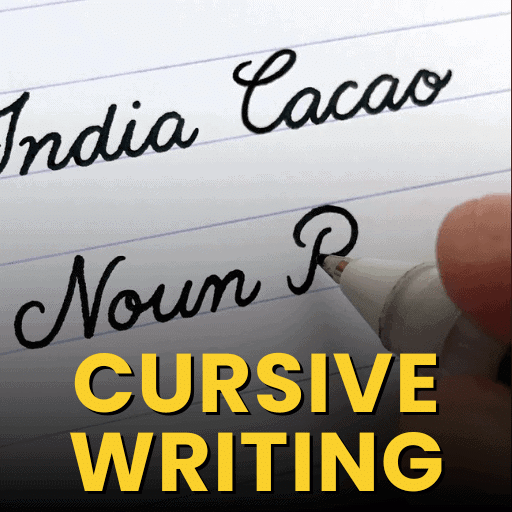
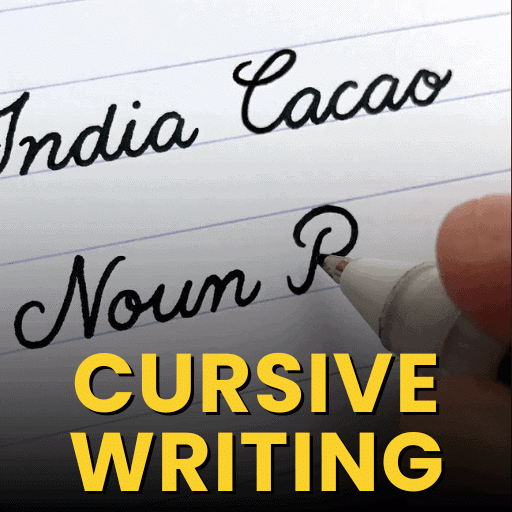
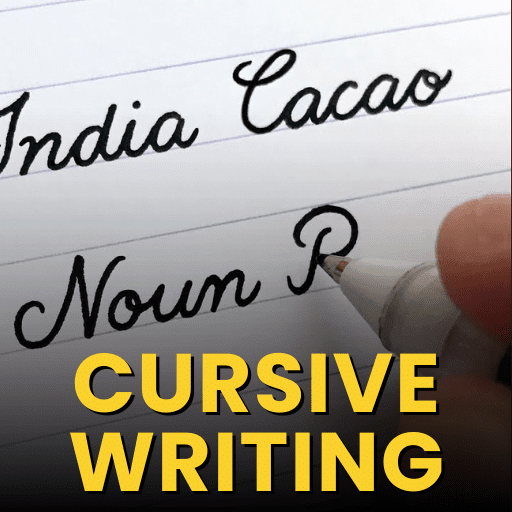
Cursive writing is a flowing style of handwriting where letters are connected - and learning it at Grade 3 is far more beneficial than most parents realise. Research in child development shows that cursive writing improves fine motor skills, hand-eye coordination, and even cognitive development in young children.

Tips to Teach Cursive Writing Effectively

  • Start with basic strokes before connecting letters
  • Use lined practice sheets consistently every day
  • Encourage copying short sentences from favourite stories
  • Practice both English and Hindi cursive for complete handwriting development

EduRev's Cursive Writing course and the dedicated Cursive Writing for English & Hindi course provide step-by-step practice modules that make learning this skill enjoyable and structured for Class 3 students.

Vedic Maths for Junior Classes: A Smarter Way to Calculate

Vedic Maths is a system of mathematical techniques derived from ancient Indian scriptures called the Vedas, popularised in modern times by Swami Bharati Krishna Tirtha. It consists of 16 sutras and 13 sub-sutras that simplify multiplication, division, and other arithmetic operations significantly faster than conventional methods.

Conventional MethodVedic Maths Approach
Long multiplication using columnsSutra-based one-line calculation
Step-by-step division processFaster division using Nikhilam sutra
Repeated addition for tablesPattern-based mental multiplication

For young learners, Vedic maths tricks make numbers feel like puzzles rather than problems. Start your child's journey with the Vedic Math for Junior Classes - English course on EduRev - a great best Vedic maths course for beginners that's perfectly paced for Grade 3 students.

Aptitude and Reasoning Activities for Grade 3 Students

Aptitude and reasoning activities at the junior level help children develop logical thinking, pattern recognition, and structured problem-solving - all of which lay the groundwork for competitive exams like Olympiads and NTSE in later years.

Recommended Reasoning Activities for Class 3

  • Number and letter pattern identification
  • Odd-one-out exercises and analogy-based questions
  • Simple matrix and sequence puzzles
  • Worksheet-based logical reasoning challenges

EduRev's Aptitude Reasoning course is a structured resource for building these skills. The Aptitude Explorer with Worksheets course adds printable practice material that reinforces concepts effectively for Class 3 students.

Reading Comprehension Strategies Every Class 3 Student Should Know

Reading comprehension is more than just reading words - it is the ability to process, understand, and interpret text. Grade 3 is identified by educators as a pivotal year for reading development, as students begin engaging with more complex passages and longer stories.

Effective Strategies for Grade 3 Readers

  • Predict before reading: Ask your child what they think the passage is about based on the title
  • Visualise the content: Encourage them to picture scenes while reading
  • Ask and answer questions: Pause mid-passage to check understanding
  • Use a dictionary regularly: Build vocabulary as part of the reading habit

The Reading Comprehension for Junior Classes course on EduRev covers all these strategies systematically. Additionally, the Dictionary for Junior Classes course helps children develop strong vocabulary and dictionary skills that support comprehension at every level.

Fun DIY Science Projects and Art & Craft Ideas for Grade 3 Kids

Hands-on learning is one of the most effective tools for young children. DIY science projects for Grade 3 students spark curiosity, build observational skills, and make abstract concepts feel real. Similarly, art and craft activities develop fine motor skills, spatial awareness, and creative thinking - all recognized in India's National Curriculum Framework as essential to holistic primary education.

Project Ideas to Try at Home

  • Simple volcano experiment using baking soda and vinegar
  • Paper-bag puppet making for language arts storytelling
  • Basic bridge-building challenge using popsicle sticks
  • Leaf printing and nature collage art activities

Get started with the DIY Science Fun: Cool School Projects course and complement creative learning through the Hands on Art & Craft course available on EduRev.

Why Language Arts in Grade 3 Is Critical for Academic Success

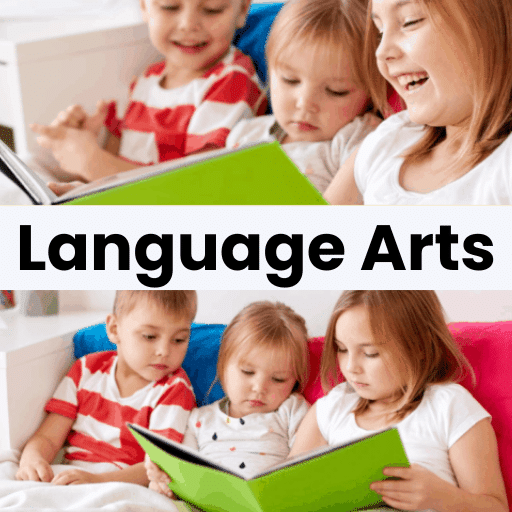
Language Arts for Grade 3 typically covers grammar, vocabulary, spelling, writing, and oral communication. A strong foundation in these areas at this stage directly influences how well a child performs in essay writing, comprehension, and even science or social studies in higher classes.

Language Arts SkillLong-Term Academic Benefit
Grammar and sentence constructionBetter essay and answer writing in all subjects
Vocabulary buildingImproved reading comprehension and communication
Oral communicationConfidence in presentations and group discussions

EduRev's Language Arts for Grade 3 course is a comprehensive resource that addresses all these skill areas in an age-appropriate, engaging format for Class 3 students.

How Sudoku and Crossword Puzzles Sharpen Young Minds

Brain games are not just fun - they are genuinely powerful learning tools. Sudoku enhances concentration, logical reasoning, and working memory, while crossword puzzles build vocabulary, spelling accuracy, and general knowledge. Both are widely recommended by educators as supplementary learning activities for junior classes.

Benefits at a Glance

  • Sudoku teaches number logic and systematic thinking without any maths anxiety
  • Crosswords introduce children to new words in a fun, low-pressure setting
  • Both improve patience and the ability to focus for longer periods
  • Regular puzzle practice translates into better performance in reasoning-based assessments

Help your child go from beginner to expert with the Master Sudoku: From Beginner to Expert course. For word-based brain challenges, the Crossword Puzzles: Solve like a Pro course is an excellent choice for Grade 3 students looking to expand their vocabulary creatively.

Value Education and Storytelling: Building Character in Grade 3

Value education at the primary level develops empathy, honesty, respect, and responsibility in children - qualities that shape character for life. In India, moral storytelling through epics like the Mahabharat has always been a traditional and effective way to teach these values to young minds.

Stories from Indian epics introduce concepts like duty, courage, and fairness in ways that children find memorable and relatable. Combined with formal value education, this approach ensures children grow not just academically but as compassionate, responsible individuals.

Explore the Mahabharat Tales: The Battle of Good and Evil course for engaging moral storytelling. Complement it with the structured Value Education course on EduRev to give your Grade 3 child a strong ethical and emotional foundation.

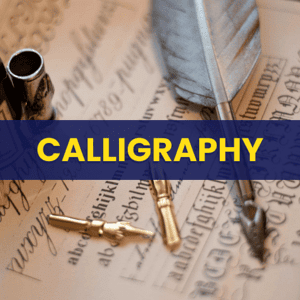
For parents who want to add creative and musical dimensions to their child's learning, EduRev also offers the Piano Tutorials Course: Beginners to Advance - early music education is linked to improved mathematical reasoning and language development - along with the beautiful Calligraphy Course: Beginner to Advanced, which builds pen control, patience, and artistic sensibility in young learners.

Grade 3 online courses on EduRev are thoughtfully designed to address every dimension of a child's growth - academic, creative, and personal. Whether you are looking to improve calculations, build reading habits, or nurture your child's artistic side, the right course is just a click away.

Grade 3 FAQs

1. What topics do Grade 3 students need to study for their exams?
Ans. Grade 3 curricula typically cover English language skills, mathematics fundamentals, science basics, and social studies concepts. Students learn reading comprehension, writing, addition and subtraction, multiplication introduction, plant and animal life, human body awareness, and geography essentials. The specific topics vary slightly depending on whether students follow CBSE, ICSE, or state board syllabi, but core academic areas remain consistent across Indian schools.
2. How can I prepare better for Grade 3 exams at home?
Ans. Effective Grade 3 exam preparation involves daily practice, regular revision sessions, and active learning strategies. Students should solve practice questions, create simple mind maps for difficult concepts, use visual worksheets to understand topics better, and maintain a study schedule. Working through sample papers, reading textbooks carefully, and discussing doubts with parents or teachers strengthens understanding before assessment day.
3. What are the best ways to improve my English skills in Grade 3?
Ans. Improving Grade 3 English requires consistent reading practice, writing short sentences daily, and listening actively. Students should read age-appropriate stories, practice spelling through flashcards, write simple paragraphs about familiar topics, and engage in conversation. Grammar basics like nouns, verbs, and tenses become clearer through games, worksheets, and interactive exercises rather than rote memorisation alone.
4. How do I understand Grade 3 maths topics like multiplication easily?
Ans. Grade 3 multiplication becomes simple with visual learning and repeated practice using real objects. Students grasp concepts faster using multiplication tables, skip-counting exercises, and picture-based problems. Breaking multiplication into groups, using number lines, and solving word problems that relate to daily life makes abstract maths concrete and memorable for young learners.
5. What science topics should Grade 3 students focus on most?
Ans. Grade 3 science emphasises observational learning about living things, weather patterns, basic physics concepts, and human body awareness. Students study plants and animals, seasons, water and air properties, simple machines, and healthy habits. These foundational science concepts develop curiosity and critical thinking through hands-on activities, experiments, and nature-based learning rather than textbook definitions alone.
6. How can I make Grade 3 social studies interesting and easier to remember?
Ans. Grade 3 social studies becomes engaging through maps, timelines, storytelling, and community connections. Students learn geography basics, local history, cultural diversity, and civic awareness better when they create maps, draw pictures of landmarks, and discuss family traditions. Connecting classroom learning to their own neighbourhood and experiences transforms abstract social studies topics into relatable, memorable knowledge.
7. What should Grade 3 students do if they're struggling with reading and comprehension?
Ans. Grade 3 reading struggles improve through guided practice and confidence-building. Students benefit from reading aloud with parents, discussing story characters and events, predicting story endings, and rereading favourite books. Using picture clues, breaking longer sentences into chunks, and asking questions before, during, and after reading strengthens comprehension skills gradually without pressure or frustration.
8. How much should Grade 3 students study each day to do well in exams?
Ans. Grade 3 students typically need 1.5 to 2 hours of daily study, including homework and revision, spread across short focused sessions. Young learners concentrate better with 20-30 minute study blocks followed by breaks, making study sessions active and engaging rather than lengthy. Consistency matters more than duration; regular daily practice builds stronger understanding than occasional cramming before Grade 3 assessments.
9. What are common mistakes Grade 3 students make during exams and how to avoid them?
Ans. Common Grade 3 exam mistakes include rushing through questions, misreading instructions, careless calculation errors, and incomplete answers. Students improve by reading each question twice before answering, checking work after completion, writing neatly for legibility, and managing time wisely. Practising with past year question papers and sample tests builds confidence and reduces silly errors during actual examinations.
10. Where can I find good study materials and notes for Grade 3?
Ans. Quality Grade 3 study materials including detailed notes, flashcards, mind maps, MCQ tests, and visual worksheets are available on EduRev, offering comprehensive resources for all subjects. Students access structured notes aligned with curricula, attempt practise tests for self-assessment, and use flashcards for quick revision. These resources complement textbooks and help reinforce learning through diverse formats suited to different learning styles.
One subscription to unlock all
Grade 3 Courses
View Pricing Plans Starting @ $1 per month
All you need for your Grade 3 exam, get it in your pocket now
Trusted by 488 K+ students
CONNECT WITH US ON
EduRev stands for Education Revolution.
Made with Love ❤️
Copyright © 2026 EduRev Inc