Summary- Memories of Childhood Class 12 English Vistas
| Table of contents |

|
| Key Points of the Story |
|
| Detailed Summary |
|
| Theme/Message |
|
| Word - Meaning |
|

Key Points of the Story
- The Memories of Childhood with two extracts which belong to two different autobiographical episodes.
- Furthermore, these two episodes deal with the lives of two women whose names are Zitkala Sa and Bama.
- Both of them had to face hardship and are victims of social discrimination.
- Zitkala Sa had to deal with racial discrimination while Bama had to suffer caste discrimination.
- In both the extracts, the writers explore their childhood and there is a reflection on their relationship with the prevalent culture.
- The culture was harsh towards these women and treated them in a harsh manner in their childhood.
- Both these accounts how these women went through their oppression.
- Also, there was resistance by both the narrators in their own ways.
- Zitkala-Sa and Bama were young but not so young that they were naïve about the mainstream culture’s evil scheme.
- They became rebellious due to their bitter childhood experience.
Detailed Summary
I. The Cutting of My Long Hair
The first part of the story is narrated by Zitkala-Sa, who reflects on her childhood as a Native American girl taken to a school run by white people. Her first day at the school, described as cold and unsettling, marks the beginning of a painful transformation. The girls are forced to wear unfamiliar clothes and, most painfully for Zitkala-Sa, have their long, traditional hair cut off. This is a deeply symbolic act, as long hair was an important part of their cultural identity. To the Native American children, having their hair cut was equated with becoming "cowards," a tradition reserved for those who were captured in battle.
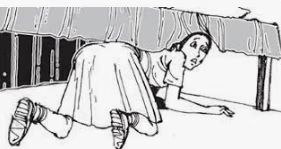
Zitkala-Sa’s emotional response to this loss of identity is palpable. She tries to resist, but she is powerless against the school authorities. She recalls sneaking away to hide, hoping to avoid the humiliating haircut. When she is found and dragged back, her long hair is shorn, and she is left feeling a deep sense of shame and defeat. This moment, where her spirit is crushed, marks the culmination of her journey in the white school system. Through Zitkala-Sa’s experience, we see the brutal attempt to erase Native American culture and identity.
II. We Too are Human Beings (Bama)
The second part of the story shifts to Bama, a Tamil Dalit woman, who shares her childhood memories of caste-based discrimination. As a young girl, Bama notices the injustice around her but does not yet fully understand the reasons for the discrimination. She recounts a vivid incident where an elder in her street, carrying a packet of food, makes a show of offering it to a landlord without ever directly touching it. The elder, out of fear of "polluting" the upper-caste person, carefully holds the packet by its string. To Bama, this act appears both absurd and deeply saddening, as she wonders why anyone would believe that touching something could cause such "pollution."
Bama’s frustration grows as she realizes that caste discrimination is ingrained in the very fabric of society. Her brother, who is studying at university, explains the deeper implications of caste-based prejudice and urges her to resist by excelling in her education. He explains that education can provide a way out of the cycle of discrimination, as knowledge and progress can help overcome the oppression imposed by caste. Inspired by her brother's words, Bama resolves to study hard, seeing education as the key to breaking free from the social constraints of untouchability. Her journey, like Zitkala-Sa's, highlights the importance of cultural identity and the desire for freedom from systemic oppression.
Theme/Message
The story highlights the significance of cultural identity and the power of resistance against oppression. Zitkala-Sa and Bama, though oppressed and marginalized, find strength in their cultures and fight to reclaim their identities. The story conveys the pain of losing one’s language, culture, and traditions, and emphasizes the role of education as a means of empowerment. It stresses the importance of recognizing and resisting societal injustices, particularly those rooted in cultural erasure and caste-based discrimination.Word - Meaning
- Bitter-cold = very cold, freezing
- Metallic = like metal, sharp
- Belfry = bell tower, steeple
- Sensitive = easily hurt, delicate
- Clatter = loud noise, rattle
- Bedlam = chaos, uproar
- Paleface = white person, European
- Stiff = rigid, unbending
- Moccasins = soft shoes, footwear
- Immodestly = improperly, rudely
- Braves = warriors, heroes
- Tapped = lightly hit, struck
- Pupils = students, learners
- Mutterings = murmurs, whispers
- Keenly = sharply, intensely
- Dining room = meal space, eatery
- Aprons = coverings, protectors
- Seated = sat, settled
- Ceased = stopped, ended
- Slipped = slid, glided
- Formula = set way, routine
- Terrible = awful, scary
- Overheard = secretly heard, eavesdropped
- Shingled = cut short, trimmed
- Mourners = sad people, grievers
- Rebelled = defied, resisted
- Squeaking = noisy, creaky
- Exchanged = swapped, traded
- Whither = where to, towards
- Dim = dark, faint
- Huddled = bunched, crouched
- Peered = stared, looked
- Shuddering = shaking, trembling
- Footsteps = steps, strides
- Quickened = sped up, hastened
- Excited = eager, thrilled
- Closet = cupboard, wardrobe
- Peep = glance, look
- Dragged = pulled, yanked
- Resisted = fought, opposed
- Tied = bound, fastened
- Scissors = shears, cutters
- Braids = plaits, twists
- Anguish = pain, agony
- Indignities = insults, slights
- Puppet = doll, toy
- Herder = keeper, guide
- Untouchability = bias, ostracism
- Humiliated = shamed, disgraced
- Dawdle = linger, delay
- Novelties = new things, curiosities
- Oddities = quirks, peculiarities
- Snakecharmer = tamer, handler
- Cyclist = rider, biker
- Spur = encourage, urge
- Offerings = gifts, tributes
- Stall = booth, stand
- Lemur = primate, mammal
- Cages = pens, enclosures
- Harangue = speech, lecture
- Tumbler = cup, glass
- Smart = sting, hurt
- Tether = tie, bind
- Savoury = tasty, salty
- Ledge = edge, shelf
- Cattle = livestock, cows
- Muzzled = restrained, gagged
- Elder = senior, older person
- Double Up = bend over, stoop
- Shriek = scream, yell
- Stained = marked, discolored
- Oil = grease, lubricant
- String = cord, thread
- Undone = unfastened, untied
- Bowed = bent, stooped
- Extended = stretched, reached out
- Cupping = holding, supporting
- Parcel = package, bundle
- Comic = funny, humorous
- Detail = specifics, particulars
- Amused = entertained, delighted
- Polluted = contaminated, defiled
- Disgusting = revolting, repulsive
- Package = bundle, parcel
- Provoked = irritated, angered
- Reverently = respectfully, humbly
- Infuriated = enraged, very angry
- Wages = earnings, pay
- Irrigation = watering, cultivation
- Tank = reservoir, basin
- Unfamiliar = unknown, not recognized
- Caste = social class, group
- Community = social group, people
- Dignity = respect, honor
- Lessons = teachings, studies
- Attach = join, connect
- Impression = impact, influence
- Frenzy = wild excitement, fury
- Being = existence, self
- Urged = encouraged, prompted
- Stood First = topped, excelled
- Many = numerous, several
|
29 videos|314 docs|82 tests
|
FAQs on Summary- Memories of Childhood Class 12 English Vistas
| 1. What are the key themes explored in "Memories of Childhood"? |  |
| 2. How does the author portray childhood experiences in the story? | |
| 3. What is the significance of the title "Memories of Childhood"? | |
| 4. In what ways does the story evoke nostalgia? | |
| 5. How can readers relate to the experiences shared in "Memories of Childhood"? | |




ppt
,MCQs
,past year papers
,Extra Questions
,Summary- Memories of Childhood Class 12 English Vistas
,video lectures
,mock tests for examination
,Summary- Memories of Childhood Class 12 English Vistas
,shortcuts and tricks
,Free
,Semester Notes
,Previous Year Questions with Solutions
,study material
,practice quizzes
,Summary
,Objective type Questions
,Summary- Memories of Childhood Class 12 English Vistas
,Important questions
,Viva Questions
,Exam
,Sample Paper
;



Summary- Memories of Childhood Free PDF Download
Importance of Summary- Memories of Childhood
Summary- Memories of Childhood Notes
Summary- Memories of Childhood Class 12 Questions
Study Summary- Memories of Childhood on the App
|
© EduRev
|
Education Revolution
|


|




within 7 days!