Cheat Sheet: Advent of the Europeans in India | History for UPSC CSE PDF Download

Introduction
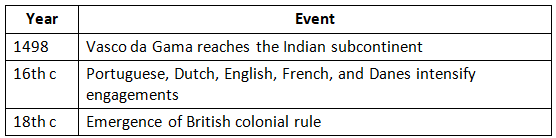
The advent of Europeans in India during the late fifteenth century marked a significant turning point in the history of the subcontinent. Portuguese explorer Vasco da Gama's arrival in 1498 initiated a series of European expeditions, including those by the Dutch, English, French, and Danes. The establishment of trading posts and colonies set the stage for a new era, shaping India's social, economic, and political landscapes. This chronology highlights the key events and figures associated with the arrival and influence of the Portuguese, Dutch, English, French, and Danes in India.
The Advent of Europeans in India: Key Events
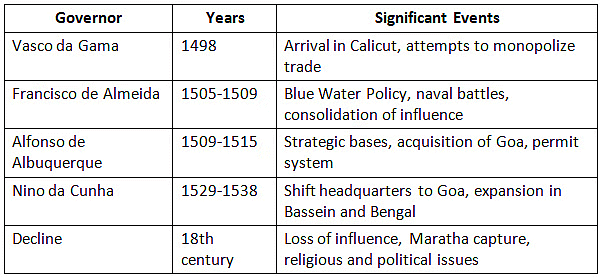
The Advent of The Portuguese: Portuguese Governors and Events
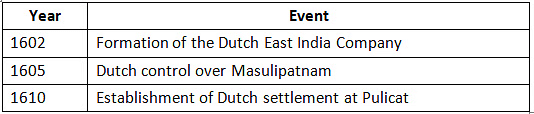
The Advent of The Dutch: Dutch East India Company
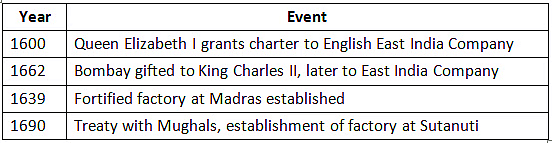
The Advent of The English: English East India Company
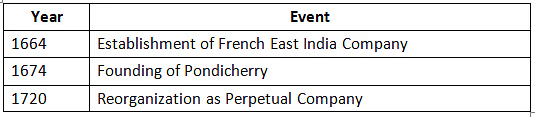
The Advent of The French: French East India Company
The Advent of The Danes: Danish East India Company

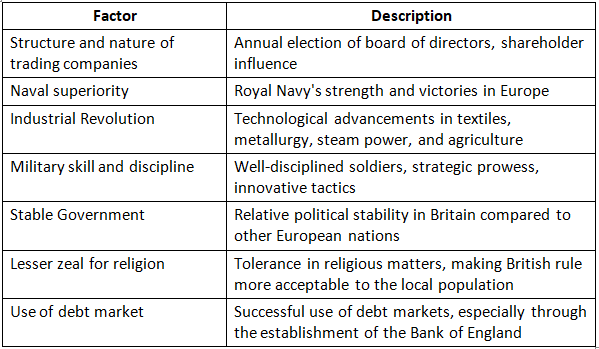
Reasons for English Success: Factors Contributing to English Success
Conclusion
The European advent in India left an indelible mark, with each power contributing to the complex tapestry of India's history. While the Portuguese, Dutch, French, and Danes played crucial roles, it was the English who emerged as dominant, leveraging factors like naval superiority, industrial advancements, military skill, and political stability. The legacy of European colonization continues to shape India's identity and interactions with the global community.
|
216 videos|856 docs|219 tests
|
FAQs on Cheat Sheet: Advent of the Europeans in India - History for UPSC CSE
| 1. What was the impact of the arrival of Europeans in India? |  |
| 2. How did the Europeans establish their presence in India? | |
| 3. What were the main reasons behind European colonization in India? | |
| 4. How did European colonization impact the Indian economy? | |
| 5. What were the cultural exchanges between Europeans and Indians during colonization? | |





Free
,Objective type Questions
,Important questions
,past year papers
,video lectures
,ppt
,Exam
,Semester Notes
,Cheat Sheet: Advent of the Europeans in India | History for UPSC CSE
,Extra Questions
,Previous Year Questions with Solutions
,Cheat Sheet: Advent of the Europeans in India | History for UPSC CSE
,Summary
,Viva Questions
,Cheat Sheet: Advent of the Europeans in India | History for UPSC CSE
,Sample Paper
,practice quizzes
,study material
,mock tests for examination
,MCQs
,shortcuts and tricks
;



Cheat Sheet: Advent of the Europeans in India Free PDF Download
Importance of Cheat Sheet: Advent of the Europeans in India
Cheat Sheet: Advent of the Europeans in India Notes
Cheat Sheet: Advent of the Europeans in India UPSC Questions
Study Cheat Sheet: Advent of the Europeans in India on the App
|
© EduRev
|
Education Revolution
|


|




within 7 days!