Chapter Notes: Family and Friends

Introduction
How do you spend your day at home ? Who is in your family? Today we will discuss the chapter "Playing Together" which revolves around Bela, her family, and how they enjoy together. Chapter explains the importance of spending time with the family. Bela shares stories about playing with her brothers, enjoying rainy days with her grandparents, and taking care of their pet, Shiru. The chapter also touches upon family traditions, caring for animals, and celebrating festivals, showcasing the warmth and togetherness of a loving family.
Explanation
Playing Together
Bela introduces herself and her brothers Banku Bhaiya and Bishu. They love playing chhupan-chhupai (hide and seek) outside. At home, they also play peek-a-boo with little Bishu.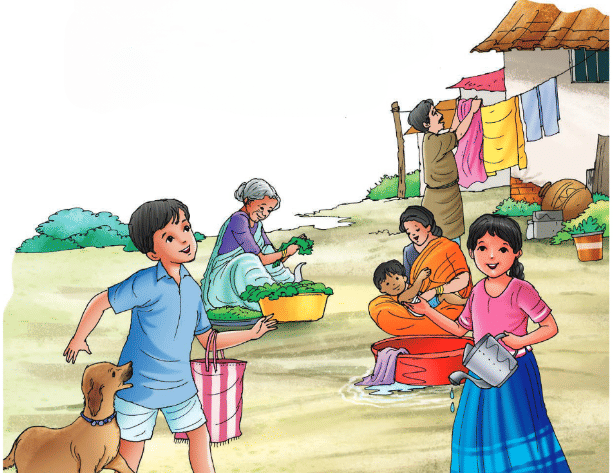 They have a garden with many flowering plants where their relatives, friends, and neighbors often gather to chat, share jokes, and laugh together. When Bela's parents are tired after work, they relax in the garden. Evenings are spent enjoying time together as a family.
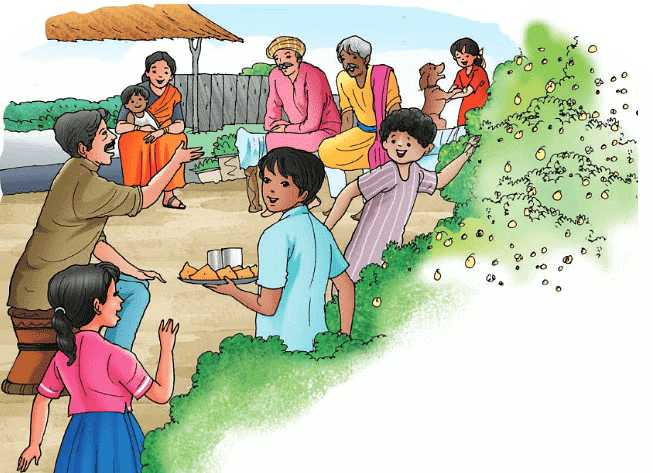
Singing Together
On rainy days, the family sits under a small shelter in their garden. They enjoy playing games like antakshari and snakes and ladders. Bela's mother and Dadiji (grandmother) make hot pakodas and tea.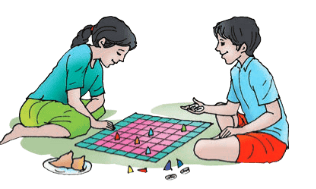
The entire family, including the grandparents, enjoy the pakodas while Dadiji sings songs about the rain. Bela and her siblings join in, as Dadiji has taught them some of these songs.
A Rain Song
Look at the dark clouds in the sky,The rain will come by and by,
Oh, how we love to soak in the rain,
See raindrops on the window panes.
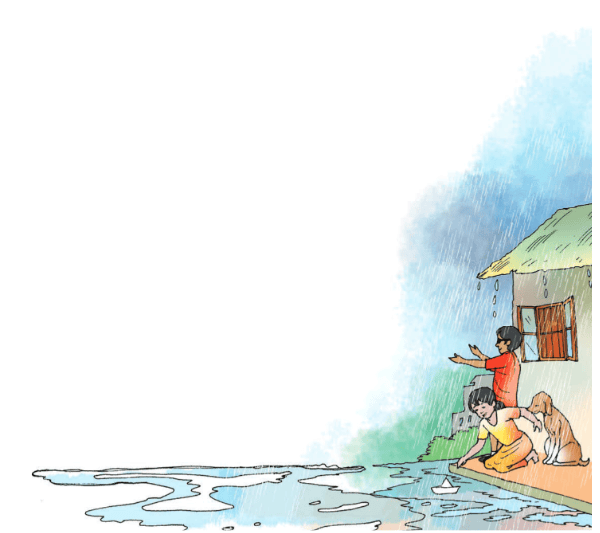
Paper boats we see in puddles,
Birds on trees together huddled,
Peacocks dance with feathers bright,
Oh, what a beautiful rainy sight.
Laughing Together
Dadaji (grandfather) has taught Banku the games he played as a child. He even joins in their games sometimes. Their dog, Shiru, runs around happily, barking and wagging his tail.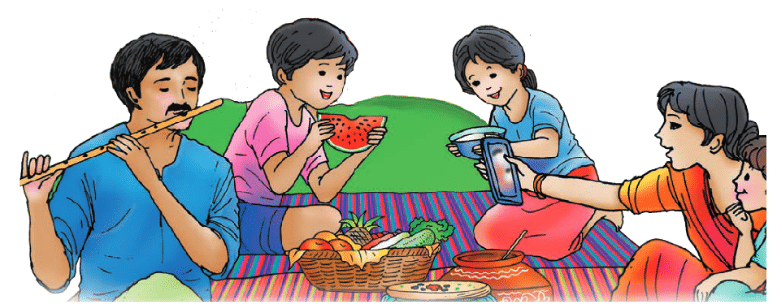 Shiru is a special member of the family, and Bela's friends enjoy playing with him too. Banku and Bela never hurt Shiru and share their food with him.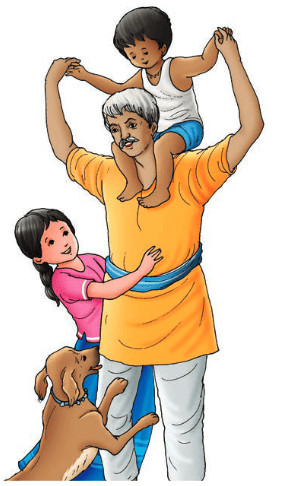
Types of Families
Families come in different sizes. Some are big, while others are small. No matter their size, all families are special and care for each other. Families can include parents, children, grandparents, and even other elders. 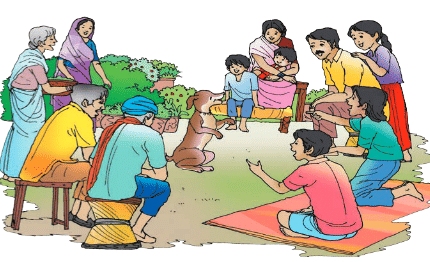
Family members love and support one another. Animals, like cows, dogs, and cats, can also be part of a family. Bela and Banku show love and care for their dog Shiru, setting an example of how families care for animals.
Helping each other
In Bela's home, the family does many things together. Dadiji helps Bela by oiling and braiding her hair every morning before school while humming songs. Bela has learned many songs from her. Bela's parents work together to manage household chores like cooking, cleaning, and shopping.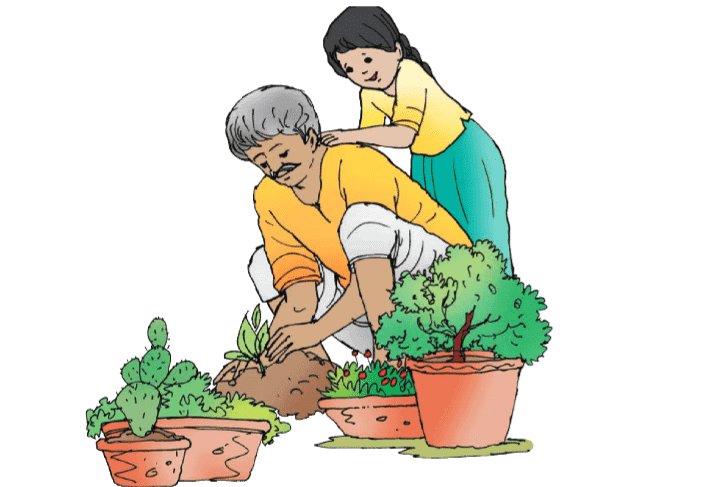
Bela's Dadaji loves gardening, and both Bela and Banku Bhaiya help their parents and grandparents with various tasks. Banku helps with cleaning and chopping vegetables, while Bela helps Dadaji in the garden.
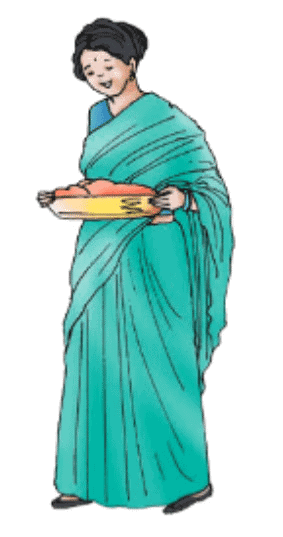
Bela's close friend Munni lives nearby with her mother, Kusum Mausi. Kusum Mausi is a wonderful cook who makes delicious sweets and special dishes during festivals. She and Munni always join Bela's family in their celebrations. 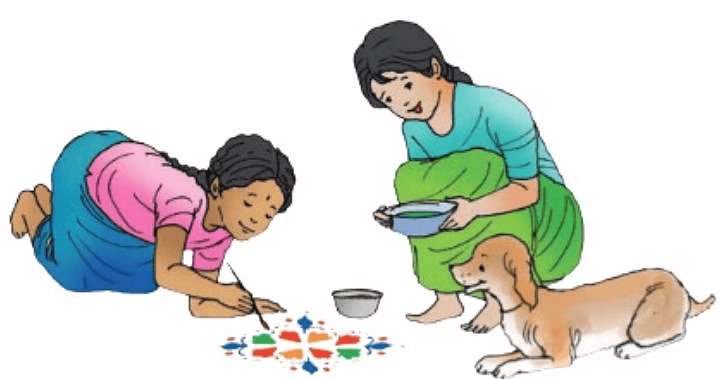 Munni is very good at making rangoli using colors made from dried flowers and leaves. Bela loves helping her with the rangoli.
Fun with Family and Friends
One holiday, Bela's family went to the park with Dadaji. Their friends Niku, Rinki, Rohit, Ronnie, and Tara were playing pitthoo. Bela and her family joined in, making two teams.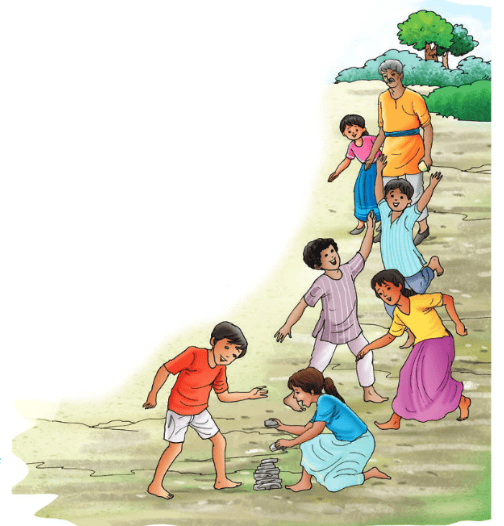
Dadaji brought a ball and scattered the stones, and they raced to stack them again. Rohit, Niku, and Ronnie tried to hit them with the ball to make them lose. After a while, they got tired, Dadaji suggested we take a break, and after 20 minutes, he bought us some ice cream. It began to get dark, and they went home after a fun-filled day of playing, laughing, and enjoying each other's company.
Points to Remember
- Family Bonds: Shows the importance of sharing time with families.
- Respect for Animals: Promotes kindness and care towards pets.
- Enjoying Nature: Encourages outdoor play and gardening.
- Caring for Plants: Teaches the value of growing and caring for plants.
- Festivals and Traditions: Explains the importance of celebrating traditions.
- Learning through Play: Explains the role of games in socializing.
- Rain and Weather: Shows how weather affects daily life and how families adapt to it.
Difficult Words
- Chhupan-chhupai: A traditional Indian hide-and-seek game.
- Peek-a-boo: A game of hiding and revealing to entertain children.
- Relatives: Family members like cousins, aunts, and uncles.
- Antakshari: A singing game where players sing songs in turns.
- Pakodas: A fried Indian snack made from vegetables.
- Rangoli: Decorative floor patterns made with colored powders.
- Puddles: Small pools of water, usually from rain.
- Scattered: Spread out over a large area.
FAQs on Chapter Notes: Family and Friends
| 1. What are the different types of families and how do they help us in our daily life? |  |
| 2. How do friends become important members of our social circle in Class 3? | |
| 3. What's the difference between family members and friends, and why do we need both? | |
| 4. How do responsibilities within a family help children learn important life skills? | |
| 5. What makes a good friend and how can we be good friends to others? | |