Prepare for
Class 3 Exam
with EduRev
Class 3 syllabus


All Courses for Class 3


Mathematics for Class 3 (Maths Mela)
EVS Class 3: The World around us (Our Wondrous World)
Mental Maths
Spelling Bee
English for Class 3 (Santoor)
Tables Mastery (2 to 20 with Tricks)
Hindi for Class 3 (वीणा)
General Knowledge for Young Learners
Mathematics Olympiad for Class 3
Abacus
Coding for Kids
Science for Class 3
Mathematics for Class 3
Aptitude Reasoning
Social Studies Class 3 ICSE
Science Olympiad for Class 3
English Grammar Class 3
Vocabulary Builder for Kids
Value Education
Mathematics Class 3 ICSE
Hands on Art & Craft
English Grammar Basic
Cursive Writing Course-Improve Your Handwriting
HTML for Junior Classes
Worksheets with solutions for Class 3
Calligraphy Course: Beginner to Advanced
Chess Tutorial Course: Beginner to Advanced
Vedic Mathematics for Junior Classes
GK Olympiad for Class 3
Canva for Beginners
EVS for Class 3
Science Class 3 ICSE
Mahabharat Tales: The Battle of Good and Evil
Astronomy for Kids: Stars and Planets
Vedic Math for Junior Classes - English
Computer Studies Class 3 ICSE
Dictionary for Junior Classes
Ukulele Foundations: Beginner to Advanced
Printable Posters for Class 3
Puzzles, Riddles & Mazes for Kids
Colouring Book for Kids
Exploring the World of Harry Potter
Complete Drawing Course: Learn to Draw
NCERT Video Explainers - Hindi for Class 3 (वीणा)
Social Science Olympiad for Class 3
Crossword Puzzles: Solve like a Pro
Parent's Guide to EduRev Infinity for Class 3
Guide for Mindful Parenting in 2026
Hindi Grammar class 3
English Olympiad for Class 3
NCERT Textbooks & Solutions for Class 3
Year 3 Science IGCSE (Cambridge)
Complete Vocal Training– Beginner to Performer
Dictation for Kids: Class 3 to 5
Hindi Olympiad Preparation
PPTs for Class 3
Year 3 Mathematics IGCSE (Cambridge)
Reading Comprehension for Junior Classes
International Computer Science Olympiad for Class 3
Crash Course for Class 3 (English)
Year 3 Computing IGCSE (Cambridge)
Playing Drums: Step-by-Step Course
Year 3 English IGCSE (Cambridge)
4 Months Preparation for Class 3 (CBSE)
Half Yearly and Final Year Exam Papers for Class 3
Crash Course for Class 3 (Hinglish)
Social Science for Class 3
English Class 3 ICSE
Master Sudoku: From Beginner to Expert
Computer Science for Class 3
Piano Tutorials Course: Beginners to Advance
Flashcards for Young Bright Minds
Fun Poems and Stories for Class 3
Physical Education and Well Being (Khel Yoga) for Class 3
The Ultimate Violin Course: From Beginner to Advanced
Flashcards for Class 3
Marvel Through Time: A Journey Across Universes
DIY Science Fun: Cool School Projects
Visual Worksheets for Class 3
The Grand Saga of Gita : Krishna's Guidance for Life
Greek Mythology Tales: Gods and Heroes
Arts for Class 3 (Bansuri - 1)
Essays for Class 3
The Ultimate Guitar Course: From Beginner to Advanced
Origami & Paper Craft: Beginner to Advanced
Class 3 Quizzes – Improve Skills in all Subjects
Magic Tricks & Illusions: Beginner to Pro












New NCERTs for Class 3
Main Subjects for Class 3
Skill Building for Class 3
Mental Maths
Spelling Bee
Tables Mastery (2 to 20 with Tricks)
General Knowledge for Young Learners
Abacus
Coding for Kids
Aptitude Reasoning
Vocabulary Builder for Kids
Value Education
Hands on Art & Craft
Cursive Writing Course-Improve Your Handwriting
HTML for Junior Classes
Calligraphy Course: Beginner to Advanced
Chess Tutorial Course: Beginner to Advanced
Vedic Mathematics for Junior Classes
Canva for Beginners
Mahabharat Tales: The Battle of Good and Evil
Astronomy for Kids: Stars and Planets
Vedic Math for Junior Classes - English
Ukulele Foundations: Beginner to Advanced
Puzzles, Riddles & Mazes for Kids
Colouring Book for Kids
Exploring the World of Harry Potter
Complete Drawing Course: Learn to Draw
Crossword Puzzles: Solve like a Pro
Complete Vocal Training– Beginner to Performer
Dictation for Kids: Class 3 to 5
Reading Comprehension for Junior Classes
Playing Drums: Step-by-Step Course
Master Sudoku: From Beginner to Expert
Piano Tutorials Course: Beginners to Advance
Flashcards for Young Bright Minds
The Ultimate Violin Course: From Beginner to Advanced
Marvel Through Time: A Journey Across Universes
DIY Science Fun: Cool School Projects
The Grand Saga of Gita : Krishna's Guidance for Life
Greek Mythology Tales: Gods and Heroes
The Ultimate Guitar Course: From Beginner to Advanced
Origami & Paper Craft: Beginner to Advanced
Magic Tricks & Illusions: Beginner to Pro
Olympiads for Class 3
ICSE for Class 3
Grammar for Class 3
Practice for Class 3
Revision for Class 3
Strategy for Class 3
IGCSE for Class 3
Guided Learning for Class 3










Complete Class 3 Syllabus Overview: NCERT, ICSE, and Cambridge (Year 3) Curriculum
Class 3 is a significant milestone in a child's academic journey. Under NEP 2020, Class 3 falls within the Preparatory Stage (Classes 3-5), where students transition from play-based learning to structured subject learning. Whether your child studies under NCERT (CBSE), ICSE, or the Cambridge Primary framework, understanding the Class 3 curriculum is the first step to building a strong foundation. Parents and students can also refer to CBSE Class 3 NCERT Solutions for chapter-wise answers across all subjects.
| Board | Core Subjects for Class 3 | Key Focus |
|---|---|---|
| NCERT (CBSE) | Mathematics, EVS, Hindi (Rimjhim), English (Marigold) | Foundational literacy and numeracy |
| ICSE (CISCE) | English, Maths, Science, Social Studies, Hindi, Computer Studies | Conceptual and application-based learning |
| Cambridge Primary (Year 3) | English, Mathematics, Science | Critical thinking and global skills |
Students following the ICSE Class 3 syllabus can explore dedicated resources like Mathematics Class 3 ICSE, Science Class 3 ICSE, and Social Studies Class 3 ICSE on EduRev. For those following the Cambridge Year 3 curriculum, check out Year 3 Mathematics IGCSE (Cambridge), Year 3 Science IGCSE (Cambridge), and Year 3 English IGCSE (Cambridge).
Best Online Courses for Class 3 Students to Build Strong Academic Foundations
Choosing the right online courses for Class 3 can make a real difference in how confidently a child approaches school subjects. EduRev offers a comprehensive range of courses covering all major boards and enrichment topics for young learners.
- Mathematics for Class 3 - Aligned with NCERT syllabus
- Mathematics for Class 3 (Maths Mela) - Engaging activity-based approach
- Science for Class 3 - Core concepts made simple
- English for Class 3 (Santoor) - Comprehensive language skills
- Hindi for Class 3 (वीणा) - NCERT Hindi Veena textbook coverage
- Computer Studies Class 3 ICSE - For ICSE students
These best courses for Class 3 students are structured to help children secure good marks while genuinely understanding each concept - not just memorising for exams.
Class 3 Maths: Key Topics, Mental Maths, Vedic Maths, Tables, and Olympiad Preparation
Mathematics at the Class 3 level covers numbers up to 9,999, multiplication tables (2 to 20), basic division, fractions, measurement, money, and simple geometry. Mastering these topics early sets children up for long-term success. Students can refer to NCERT Solutions for Class 3 Maths for step-by-step solved exercises that reinforce classroom learning.
Strengthening Number Skills
Two of the most effective enrichment programs for young learners are Mental Maths and Vedic Maths. Mental Maths builds calculation speed and number sense, while Vedic Mathematics - based on 16 ancient sutras - offers faster, more intuitive techniques for arithmetic. Explore Mental Maths, Vedic Mathematics for Junior Classes, and Vedic Math for Junior Classes - English on EduRev.
Another powerful tool is the Abacus, which improves mental arithmetic, concentration, and memory. Try the Abacus course to get started. For table mastery, the Tables Mastery (2 to 20 with Tricks) course uses smart tricks to help children retain multiplication tables effortlessly.
For Olympiad aspirants, the Mathematics Olympiad for Class 3 course on EduRev is an excellent starting point. Logical reasoning is also key - strengthen it with Aptitude Reasoning.
Science and EVS for Class 3: Core Concepts Every Young Learner Should Know
At the Class 3 level, EVS (Environmental Studies) blends Science and Social Science into one integrated subject. Topics include plants and animals, food and nutrition, water, air, the human body, family, and community. The NCERT EVS textbook Looking Around forms the base for most CBSE schools. For chapter-wise answers and explanations, students can access NCERT Solutions for Class 3 EVS (Our Wondrous World) to strengthen their understanding of each topic.
Students can explore EVS for Class 3 and the theme-based EVS Class 3: The World around us (Our Wondrous World) for a thorough understanding. The Cambridge Primary Year 3 Science framework introduces topics like living things, materials, forces, and Earth - all covered in the Year 3 Science IGCSE (Cambridge) course. For Olympiad preparation, the Science Olympiad for Class 3 course is highly recommended.
English and Hindi for Class 3: Grammar, Vocabulary, Spelling, and Writing Skills
Strong language skills at Class 3 create confident communicators. For English, focus areas include grammar, reading comprehension, vocabulary building, and spelling.
- English Grammar Class 3 - Topic-wise grammar practice
- English Grammar Basic - Foundational grammar concepts
- Spelling Bee - Improve spelling accuracy and confidence
- Vocabulary Builder for Kids - Expand word power effectively
For Hindi, the NCERT Veena textbook is the standard resource. Students can access NCERT Video Explainers - Hindi for Class 3 (वीणा) for chapter-wise explanations and Hindi Grammar Class 3 for structured grammar practice. To quickly revise key concepts across subjects before tests, CBSE Revision Notes for Class 3 are a handy resource to bookmark.
How to Prepare for Olympiads in Class 3: Maths, Science, English, GK, and Social Science
Olympiad competitions like IMO, NSO, IEO, and IGKO (conducted by SOF) are open to Class 3 students and provide a wonderful platform for academic recognition. Preparation requires going slightly beyond the school syllabus - focusing on higher-order thinking and application-based questions. Practising with CBSE Class 3 MCQ with Solutions is an effective way to sharpen this skill, as MCQ-style questions closely mirror the format used in most Olympiad exams.
| Olympiad | Subject | EduRev Course |
|---|---|---|
| IMO | Mathematics | Mathematics Olympiad for Class 3 |
| NSO | Science | Science Olympiad for Class 3 |
| IEO | English | English Olympiad for Class 3 |
| IGKO | General Knowledge | GK Olympiad for Class 3 |
| ISSO | Social Science | Social Science Olympiad for Class 3 |
For Hindi Olympiad preparation, the Hindi Olympiad Preparation course on EduRev covers all necessary topics systematically.
Coding, Abacus, and Aptitude Reasoning for Class 3 Kids: Building Future-Ready Skills
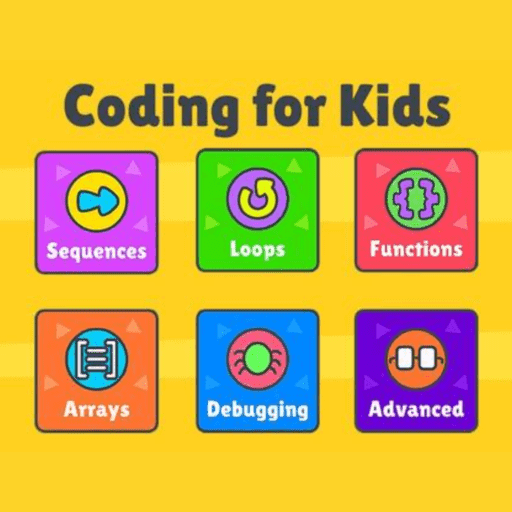
Today's Class 3 students are tomorrow's innovators. Introducing coding for kids at this age - through block-based platforms like Scratch - helps children develop logical thinking, sequencing, and problem-solving. The Coding for Kids course on EduRev is designed specifically for young learners. Similarly, Canva for Beginners teaches children how to create visual content digitally - a skill increasingly valued in schools and beyond.
Worksheets, Printables, and Visual Learning Resources for Class 3
Worksheets remain one of the most effective tools for reinforcing concepts learnt in class. EduRev offers a rich library of Class 3 worksheets with solutions and printable resources:
- CBSE Class 3 Worksheets with Worksheet Solutions - Board-aligned practice sheets with answers
- Worksheets with solutions for Class 3 - Subject-wise practice with answers
- Visual Worksheets for Class 3 - Diagram-based and visual learning sheets
- Printable Posters for Class 3 - Ideal for classroom and home display
These resources help children practice regularly and track their progress in a structured way.
Skill-Based Learning for Class 3: Calligraphy, Cursive Writing, Art and Craft, and Music
Holistic development goes beyond academics. NEP 2020 strongly encourages arts, sports, and skill-based learning at the preparatory stage. EduRev offers several enrichment courses for Class 3 students:
- Cursive Writing Course - Improve Your Handwriting - Builds fine motor skills and writing speed
- Calligraphy Course: Beginner to Advanced - Artistic handwriting from scratch
- Hands on Art & Craft - Creativity and expression through projects
- Ukulele Foundations: Beginner to Advanced - A child-friendly instrument to begin music learning
General Knowledge and Value Education for Class 3: Why They Matter Early
Building awareness of the world around them is essential for young learners. General Knowledge for Class 3 covers topics like Indian culture and geography, sports, famous personalities, and basic science facts - all of which also support Olympiad preparation. The General Knowledge for Young Learners course is a great resource to start with.
Value Education addresses themes like honesty, empathy, responsibility, and environmental awareness - all central to NEP 2020's character-building vision. Explore the Value Education course on EduRev. For cultural enrichment, the Mahabharat Tales: The Battle of Good and Evil course introduces children to Indian heritage through engaging storytelling. Every well-rounded Class 3 student deserves both academic excellence and these life-shaping learning experiences.
Class 3 FAQs
| 1. How many subjects do Class 3 students study in school? |  |
| 2. What is EVS and why is it taught in Class 3? | |
| 3. How can I help my Class 3 child improve their English reading skills at home? | |
| 4. What are the best ways for a Class 3 kid to get better at Maths? | |
| 5. Is there a way to make studying fun for my 8-year-old in Class 3? | |
| 6. How do Class 3 exams work - what kind of questions are asked? | |
| 7. What is the best daily study routine for a Class 3 student? | |
| 8. How do I know if my Class 3 child is actually understanding what they are learning? | |
| 9. What does the NCERT Class 3 Maths book cover and is it enough for exams? | |
| 10. How do I teach my Class 3 child multiplication tables in a fun way? | |
| 11. What is the difference between CBSE and ICSE for Class 3 - which is better? | |
| 12. How much homework is normal for a Class 3 student every day? | |
| 13. What is the right age for Class 3 and how old should a child be to join? | |
| 14. Are there any free practice tests or mock tests available for Class 3 subjects? | |
| 15. How do I prepare my child for Class 3 Hindi - they find it really difficult? | |