Worksheet: Making Things


Fill in the Blanks
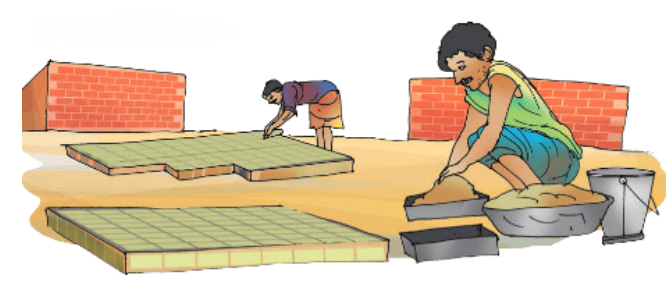
Q1: Bricks become hard after being baked in a ____________.Q2: ____________ is used to keep the heat out of traditional mud houses.
Q3: Patterns can be found everywhere in ____________.
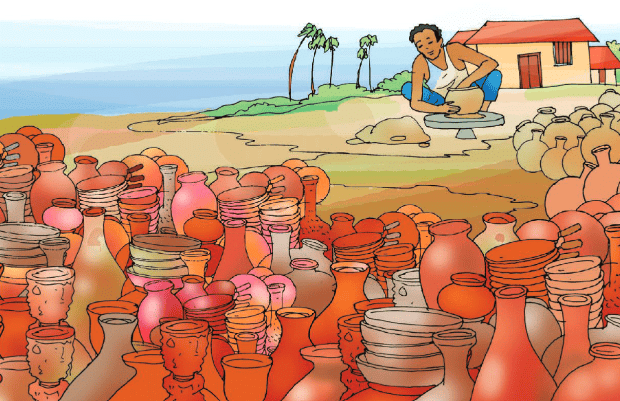
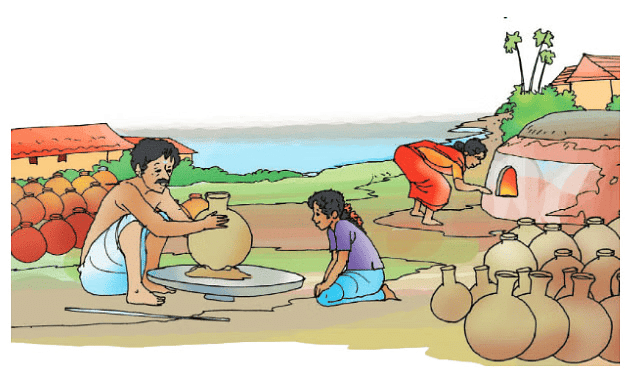
Q4: Pots are made by shaping clay on a ____________.
Q5: A potter's oven is called a ____________.
True or False
Q1: Pots are shaped by spinning clay on a stone wheel.Q2: Patterns can only be found in artificial objects.
Q3: Traditional mud houses are made using cement.
Q4: Cow dung helps to keep insects out of houses.
Q5: Bricks are used for the construction of buildings.
One -Word Answer Type Questions
Q1: What type of patterns can be seen on peacocks or tigers?
Q2: What are bricks made of?
Q3: Where does Rohan live?
Q4: What natural material is used in traditional mud houses for walls and floors?
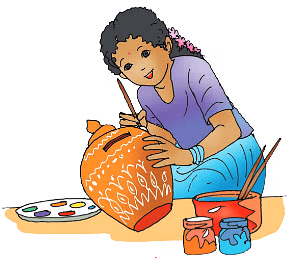
Q5: What is used to make patterns on pots?
Multiple Choice Questions (MCQs)
Q1: What is a potter's oven called?(a) Kiln
(b) Oven
(c) Stove
(d) Fireplace
Q2: Which natural material is used to make mud houses?
(a) Grass
(b) Wood
(c) Cow dung
(d) All of the above
Q3: What helps to keep insects out of traditional mud houses?
(a) Cement
(b) Cow dung
(c) Paint
(d) Bricks
Q4: Which of the following is NOT a use of pots?
(a) Storing water
(b) Baking bread
(c) Holding money
(d) Serving food
Q5: What is a potter's favorite pastime according to the text?
(a) Making pots
(b) Watching brick walls being built
(c) Painting patterns on clay items
(d) Observing patterns in nature
Match the Following

You can access to the solutions of this Worksheet Here
FAQs on Worksheet: Making Things
| 1. What are the different ways things are made in everyday life? |  |
| 2. How do we classify materials used in making things? | |
| 3. What's the difference between handmade and factory-made products? | |
| 4. Why do some things take longer to make than others? | |
| 5. How can I understand the step-by-step process of making common household items? | |