CBSE Class 3  >  Class 3 Notes  >  Mathematics (Maths Mela)  >  Worksheet: Fun with Shapes

Worksheet: Fun with Shapes

Q1: Fill in the Blanks

i. A rectangle has _____ sides. 

Q1: Fill in the Blanks

ii. A square has four _____ sides. 

Q1: Fill in the Blanks

iii. A triangle has _____ corners. 
Q1: Fill in the Blanks

iv. A circle has no _____ at all. 

Q1: Fill in the Blanks

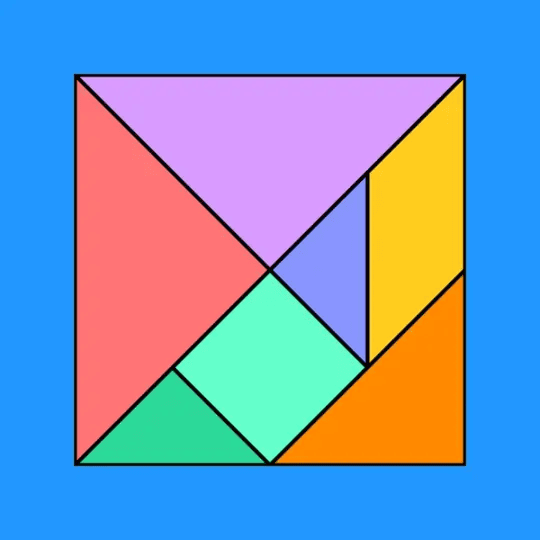
v. A tangram is a puzzle made of _____ different shapes. Q1: Fill in the Blanks
Q2: True or False

i. A square is a special type of rectangle.

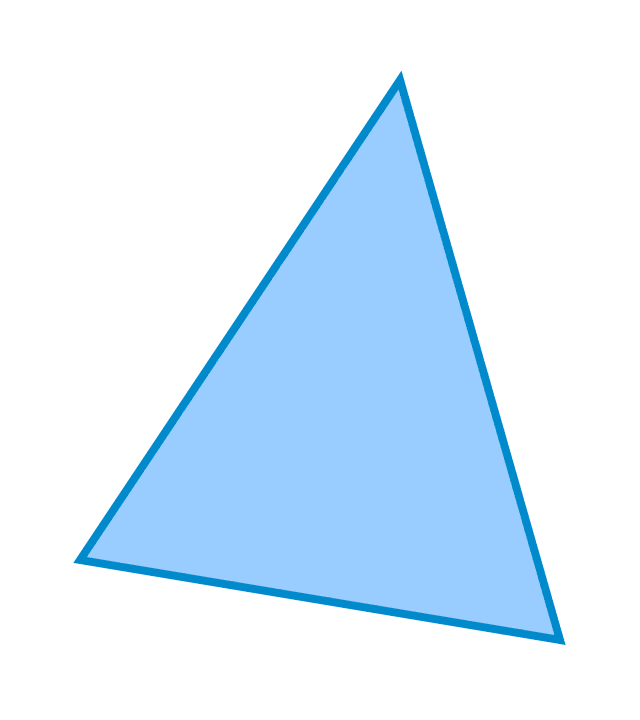
ii. A triangle has four sides.
Q2: True or False

iii. A rectangle has two sides that are shorter and two that are longer.

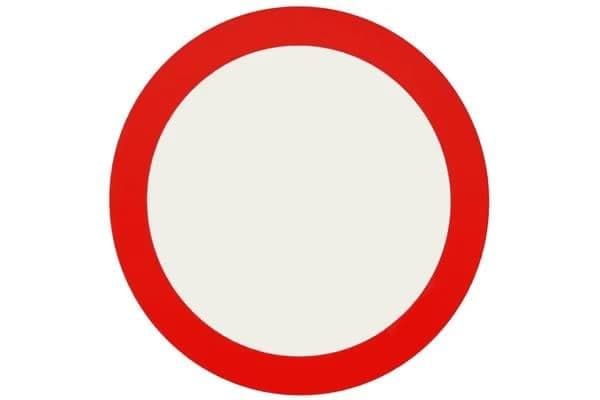
iv. A circle has corners just like a square. 
Q2: True or False

v. Tangrams are made of seven pieces.

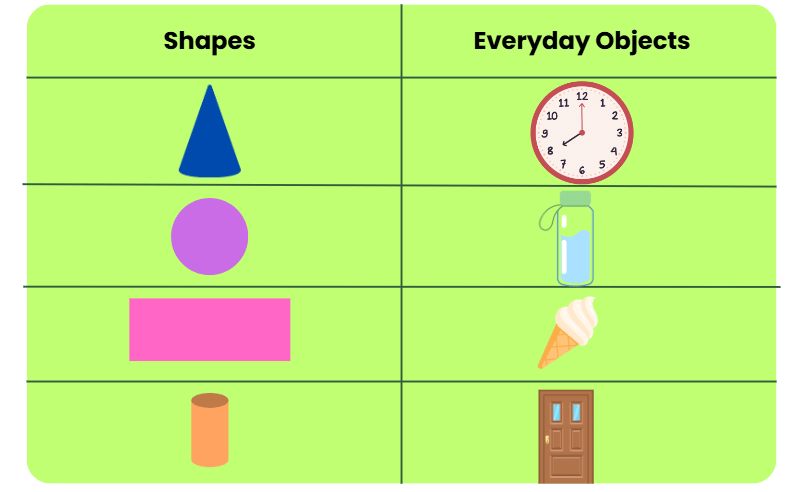
Q3: Match the Shapes with Everyday Objects

Instructions: Draw a line to match each shape on the left with an everyday object on the right.Q3: Match the Shapes with Everyday Objects
Q4: Find the Shape

i. Which shape has no straight sides and no corners?

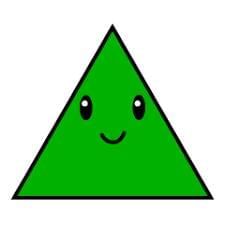
ii. Which shape has three sides and three corners?

iii. Which shape is a special rectangle with all sides equal?

iv. Which shape has opposite sides equal and four right angles?

v. What shape has seven pieces and can be used to make designs?

Q5: Short Answer Questions

i. What is a corner in a shape?

ii. How many sides does a triangle have?

iii. What is special about a square compared to a rectangle? Q5: Short Answer Questions

iv. Can you make different designs using a tangram?

v. What shape is a cookie most like? Q5: Short Answer Questions


Check the solutions of the worksheet here.

The document Worksheet: Fun with Shapes is a part of the Class 3 Course Mathematics for Class 3 (Maths Mela).
All you need of Class 3 at this link: Class 3

FAQs on Worksheet: Fun with Shapes

1. What are the different types of 2D shapes and how do I recognize them in Class 3 Maths?
Ans. Two-dimensional shapes like circles, triangles, squares, and rectangles are flat figures with length and width but no depth. Circles have curved edges with no corners, triangles have three straight sides and three angles, while squares and rectangles have four sides and four right angles. Learning to identify these basic geometric shapes helps students understand shape properties and symmetry in everyday objects around them.
2. How many sides and angles do triangles, quadrilaterals, and polygons have?
Ans. Triangles contain three sides and three angles that always add up to 180 degrees. Quadrilaterals like squares and rectangles have four sides and four angles summing to 360 degrees. Polygons are closed figures with multiple straight sides; pentagons have five sides, hexagons have six, and the number of angles equals the number of sides in any polygon shape.
3. What's the difference between regular and irregular shapes in geometry?
Ans. Regular shapes have all sides equal in length and all angles equal in measurement, like a perfect square or equilateral triangle. Irregular shapes have sides of different lengths and angles of different sizes, such as a scalene triangle or an irregular quadrilateral. Recognizing these differences helps students classify shapes and understand symmetry properties essential for geometry practice.
4. How do I find the perimeter and area of basic shapes for Class 3 worksheets?
Ans. Perimeter is the total distance around a shape, calculated by adding all side lengths together. Area measures the space inside a shape; for rectangles, multiply length by width, while for squares, multiply side length by itself. Understanding these measurement concepts helps solve shape-related problems on fun geometry worksheets and builds foundational skills for advanced mathematics learning.
5. What are symmetrical shapes and how do I identify lines of symmetry?
Ans. Symmetrical shapes can be divided into two identical halves along a line of symmetry, where one side mirrors the other perfectly. Squares have four lines of symmetry, rectangles have two, circles have infinite lines, and triangles vary based on their type. Practising symmetry identification through visual worksheets and flashcards strengthens spatial reasoning and shape recognition abilities in elementary mathematics.
Explore Courses for Class 3 exam
Get EduRev Notes directly in your Google search
Related Searches
Important questions, Worksheet: Fun with Shapes, practice quizzes, Objective type Questions, video lectures, Free, ppt, past year papers, Previous Year Questions with Solutions, Viva Questions, Summary, Exam, Sample Paper, mock tests for examination, Worksheet: Fun with Shapes, MCQs, shortcuts and tricks, Extra Questions, study material, Worksheet: Fun with Shapes, Semester Notes, pdf ;