UPSC Exam  >  UPSC Notes  >  Geography CSE  >  Cheat Sheet: Soils

Cheat Sheet: Soils

Introduction

This document provides a detailed chronology of soil composition, formation, types, and conservation methods. The aim is to present a clear and organized understanding of the different types of soils, their characteristics, and how soil conservation is crucial for maintaining soil fertility and preventing erosion. The information is structured to support quick revision and to offer insights into soil-related topics such as soil fertility, types of erosion, and reclamation strategies. This document helps to understand the significance of soil in agricultural practices and its management.

Composition of Soil
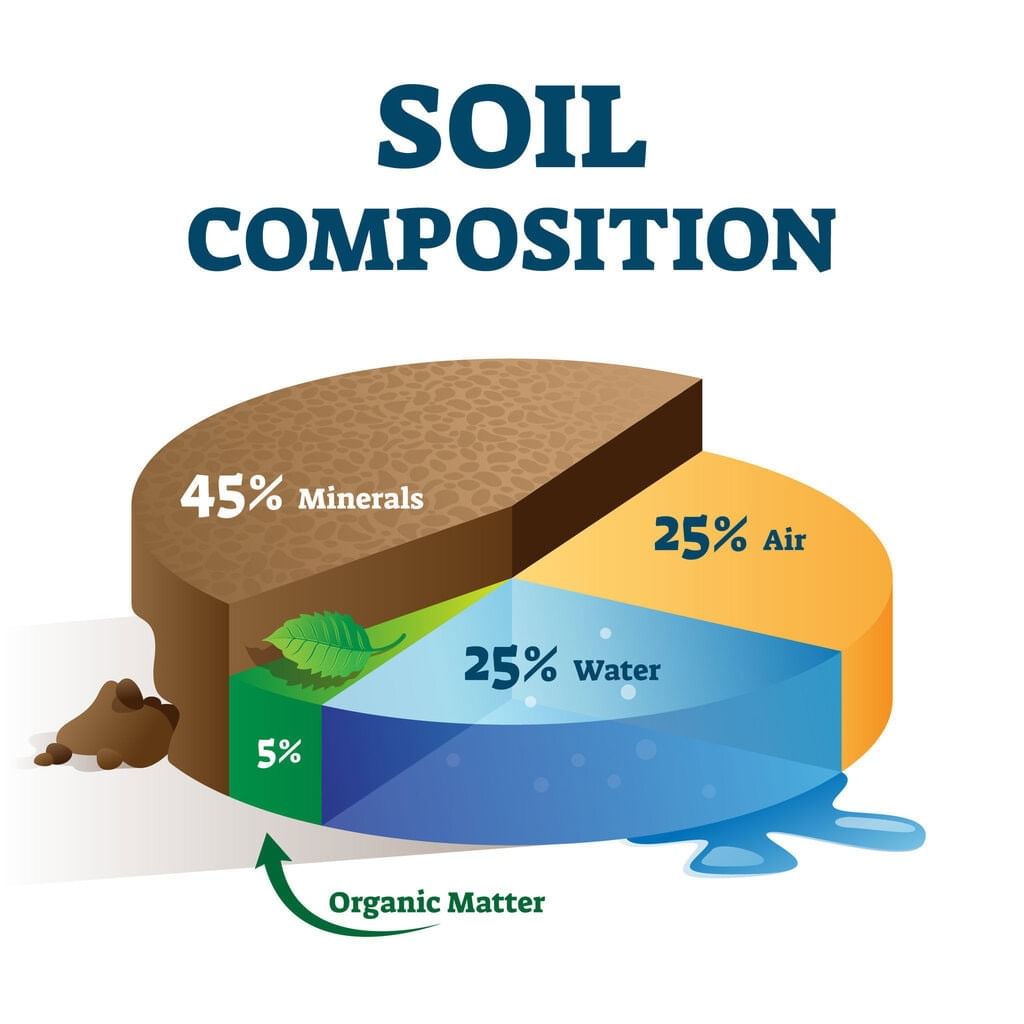
Composition of Soil

Composition of Soil

Top Soil and Sub Soil

Top Soil and Sub Soil

Formation of Soil

Formation of Soil

Characteristics of Different Soils
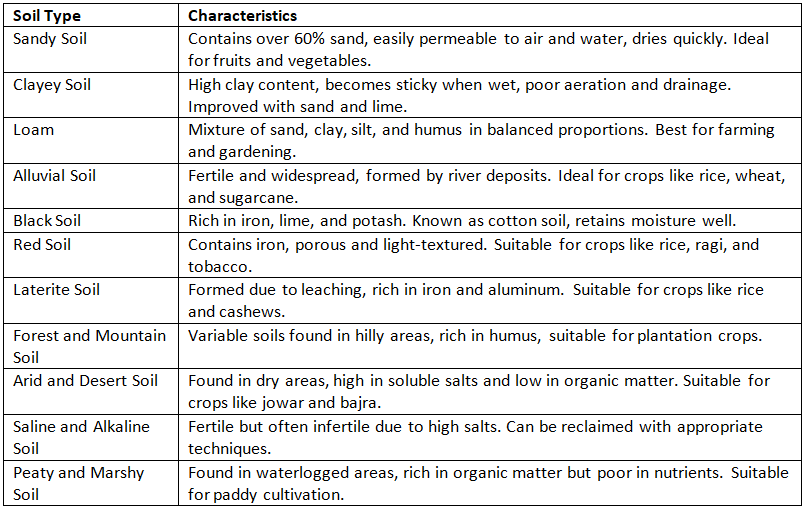
Characteristics of Different Soils

Soil Fertility
Soil Fertility

Soil Fertility

Types of Soil Erosion

Types of Soil Erosion

Soil Conservation

Soil Conservation

Soil Conservation Programs in India

Soil Conservation Programs in India

Reclamation of Alkaline and Acid Soils

Reclamation of Alkaline and Acid Soils

Conclusion

This chronology provides a comprehensive overview of soil composition, types, and the importance of soil conservation. It highlights the need for understanding soil properties, managing soil fertility, and preventing erosion to ensure sustainable agricultural practices. By recognizing different soil types and their specific requirements, along with effective conservation measures, India can address soil-related challenges and improve agricultural productivity. The document serves as a valuable guide to understanding the vital role soil plays in maintaining ecosystem health and agricultural sustainability.

The document Cheat Sheet: Soils is a part of the UPSC Course Geography for UPSC CSE.
All you need of UPSC at this link: UPSC

FAQs on Cheat Sheet: Soils

1. What are the main types of soils found in India ?
Ans. The main types of soils found in India include alluvial soil, black soil, red soil, laterite soil, arid soil, and forest soil. Each type has distinct characteristics and is suited for different agricultural practices.
2. How does soil erosion affect agriculture in India ?
Ans. Soil erosion leads to the loss of topsoil, which is rich in nutrients essential for plant growth. This can result in decreased agricultural productivity, increased dependency on fertilizers, and ultimately, food insecurity.
3. What are the major factors affecting soil formation ?
Ans. Major factors affecting soil formation include parent material, climate, topography, vegetation, and time. These factors interact to create the diverse soil types found in different regions.
4. Why is soil conservation important for sustainable agriculture ?
Ans. Soil conservation is crucial for sustainable agriculture as it helps maintain soil fertility, prevent erosion, and ensure long-term productivity. It also supports environmental health by maintaining biodiversity and water quality.
5. What role do microorganisms play in soil health ?
Ans. Microorganisms play a vital role in soil health by decomposing organic matter, recycling nutrients, improving soil structure, and enhancing water retention. They also help in suppressing soil-borne diseases, contributing to overall soil fertility.
Explore Courses for UPSC exam
Get EduRev Notes directly in your Google search
Related Searches
MCQs, practice quizzes, ppt, Extra Questions, Cheat Sheet: Soils, shortcuts and tricks, mock tests for examination, Semester Notes, Free, study material, Exam, Viva Questions, Important questions, Sample Paper, past year papers, Previous Year Questions with Solutions, Objective type Questions, Cheat Sheet: Soils, Cheat Sheet: Soils, video lectures, Summary, pdf ;




