Worksheet Solutions: Kicking and Receiving | Physical Education and Well Being (Khel Yoga) for Class 3 PDF Download
| Table of contents |

|
| Multiple Correct Answers (MCQs) |
|
| Fill in the Blanks |
|
| Match the Following |
|
| Short Answer Questions |
|

Multiple Correct Answers (MCQs)
1. Which leg should be placed beside the ball before kicking?
a) Kicking leg
b) Non-kicking leg
c) Both legs
d) None of the above
Ans: b) Non-kicking leg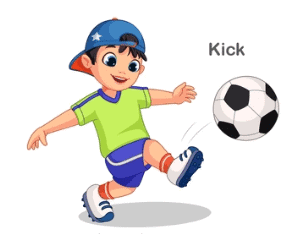
2. What should be used to play "Flick in the Box"?
a) Basketball
b) Empty box and soft ball
c) Plastic bottle
d) None of the above
Ans: b) Empty box and soft ball
3. How should the body be positioned while receiving the ball?
a) Facing sideways
b) Facing the direction of the ball
c) Turning away
d) Lying down
Ans: b) Facing the direction of the ball
4. What is the purpose of "Shadow Ball"?
a) Fun and entertainment
b) Developing coordination and emotional control
c) Scoring points
d) None of the above
Ans: b) Developing coordination and emotional control
5. In "Monkey in the Middle," what happens if the middle player catches the ball?
a) The game ends
b) The player who passed the ball goes to the middle
c) The player gets eliminated
d) The middle player wins the game
Ans: b) The player who passed the ball goes to the middle
Fill in the Blanks
a) Kicking a ball requires using our ________.
Ans: Kicking a ball requires using our feet.
b) While receiving a ball, we should keep our ________ slightly bent.
Ans: While receiving a ball, we should keep our knees slightly bent.
c) The ________ leg should be placed beside the ball before kicking.
Ans: The non-kicking leg should be placed beside the ball before kicking.
d) When receiving the ball, the ________ should be kept firmly on the ground.
Ans: When receiving the ball, the other leg should be kept firmly on the ground.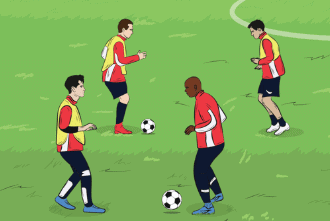
e) A ________ is used to play the game Monkey in the Middle.
Ans: A football is used to play the game Monkey in the Middle.
Match the Following
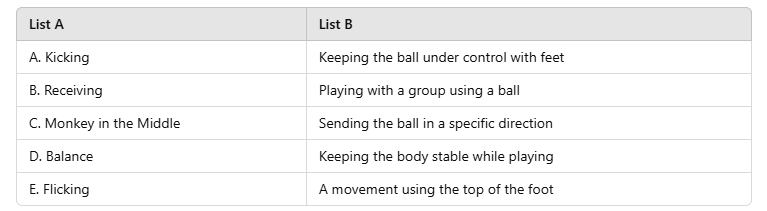
Ans: 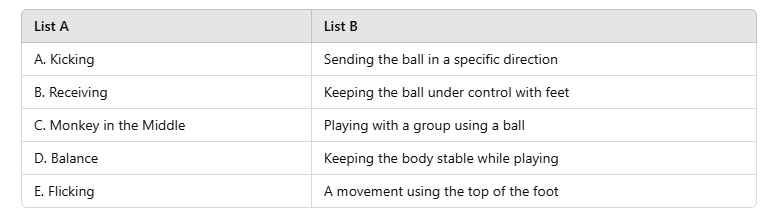
Short Answer Questions
a) What are the important steps to kick a ball properly?
Ans: Stand behind the ball, keep your eyes focused on it, place the non-kicking leg beside the ball, swing the kicking leg forward, and maintain balance after kicking.
b) Why is balancing important while playing games like "Pass the Ball"?
Ans: Balancing helps in controlling the ball while passing, prevents falling, and ensures smooth movement.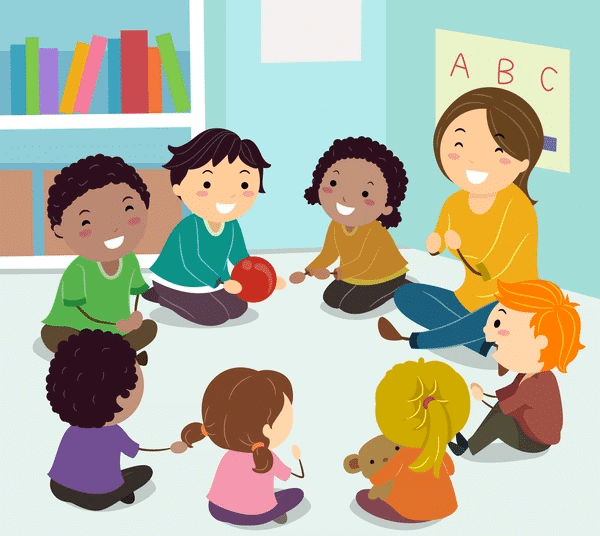
c) How does "Sit and Rise" help in cognitive development?
Ans: It improves thinking skills, decision-making, and the ability to anticipate actions of others.
d) What happens when a player fails to receive the ball in "Sit and Rise"?
Ans: The player is replaced by the one in the center. If the left or right player does not sit on time, they also get replaced.
e) What materials are required to play "Flick the Ball"?
Ans: A soft ball or cloth ball is required for this game.
Think and Answer
How does playing football help in teamwork and coordination?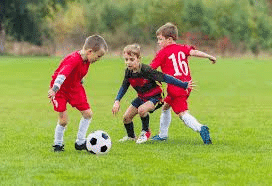
Ans: Playing football helps in teamwork and coordination by encouraging players to pass, receive, and communicate with each other while maintaining balance and control over the ball. It teaches patience, anticipation, and teamwork.
FAQs on Worksheet Solutions: Kicking and Receiving - Physical Education and Well Being (Khel Yoga) for Class 3
| 1. What are the basic skills involved in kicking and receiving in sports? |  |
| 2. How can I improve my kicking accuracy? | |
| 3. What is the importance of teamwork in kicking and receiving? | |
| 4. Are there specific drills to practice kicking and receiving? | |
| 5. What safety measures should be taken while practicing kicking and receiving? | |



Summary
,mock tests for examination
,Sample Paper
,Semester Notes
,Worksheet Solutions: Kicking and Receiving | Physical Education and Well Being (Khel Yoga) for Class 3
,Worksheet Solutions: Kicking and Receiving | Physical Education and Well Being (Khel Yoga) for Class 3
,study material
,Viva Questions
,Exam
,shortcuts and tricks
,Objective type Questions
,Important questions
,video lectures
,Previous Year Questions with Solutions
,practice quizzes
,Worksheet Solutions: Kicking and Receiving | Physical Education and Well Being (Khel Yoga) for Class 3
,ppt
,MCQs
,Extra Questions
,past year papers
,Free
,




Worksheet Solutions: Kicking and Receiving Free PDF Download
Importance of Worksheet Solutions: Kicking and Receiving
Worksheet Solutions: Kicking and Receiving Notes
Worksheet Solutions: Kicking and Receiving Class 3 Questions
Study Worksheet Solutions: Kicking and Receiving on the App
|
© EduRev
|
Education Revolution
|


|




