Worksheet Solution: Addition | Vedic Math for Junior Classes - English - Class 1 PDF Download



Section 1: Completing the Whole Method
Use numbers close to 10 to make adding easier!
Q1. Add: 9 + 4 = ?
Answer: 13
Explanation:
9 is close to 10.
Take 1 from 4 to make 10.
Then add the leftover 3.
So, 10 + 3 = 13.
Q2. Add: 8 + 5 = ?
Answer: 13
Explanation:
8 needs 2 to become 10.
Take 2 from 5, then add the leftover 3.
So, 10 + 3 = 13.
Q3. Add: 7 + 6 = ?
Answer: 13
Explanation:
7 needs 3 to make 10.
Take 3 from 6,
then 10 + 3 = 13.
Section 2: Ten Point Circle
Find pairs that make 10!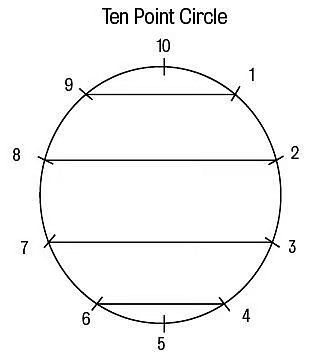
Q4. Which number goes with 4 to make 10?
Answer: 6
In the ten-point circle, 4 + 6 = 10.The ten-point circle shows 3 + 7 = 10.
Q5. Fill in the blank: 3 + ___ = 10
Answer: 7
3 needs 7 more to reach 10.
The ten-point circle shows 3 + 7 = 10.
Q6. Add using pairs: 5 + 3 + 2 = ?
Answer: 10
Look for a pair that makes 10.
Add 5 + 3 = 8,
then 8 + 2 = 10.
Section 3: Adding from Left to Right
Start adding from the left side!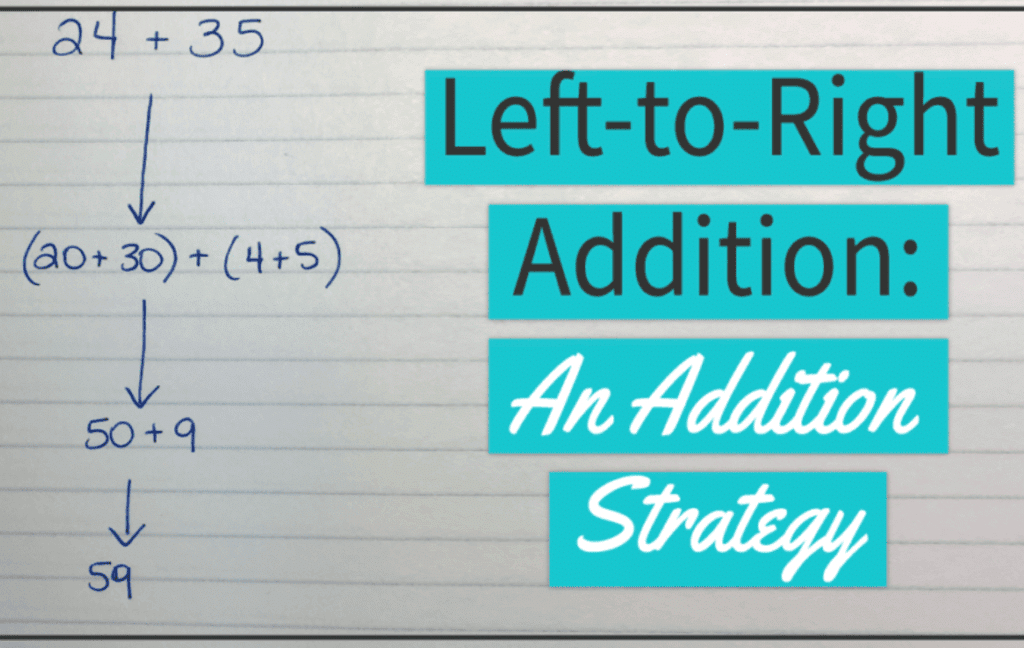
Q7. Add: 12 + 15 = ?
Answer: 27
(i) Add the tens first:
10 + 10 = 20.
(ii) Then add the ones:
2 + 5 = 7.
So, 20 + 7 = 27.
Q8. Add: 23 + 14 = ?
Answer: 37
(i) Add the tens:
20 + 10 = 30.
(ii) Then add the ones:
3 + 4 = 7.
So, 30 + 7 = 37.
Q9. Add: 16 + 3 = ?
Answer: 19
(i) Add the tens:
10 + 0 = 10.
(ii) Then add the ones:
6 + 3 = 9.
So, 10 + 9 = 19.
Section 4: Shudh Method (Pure Numbers)
Add single digits and drop the 10s with dots!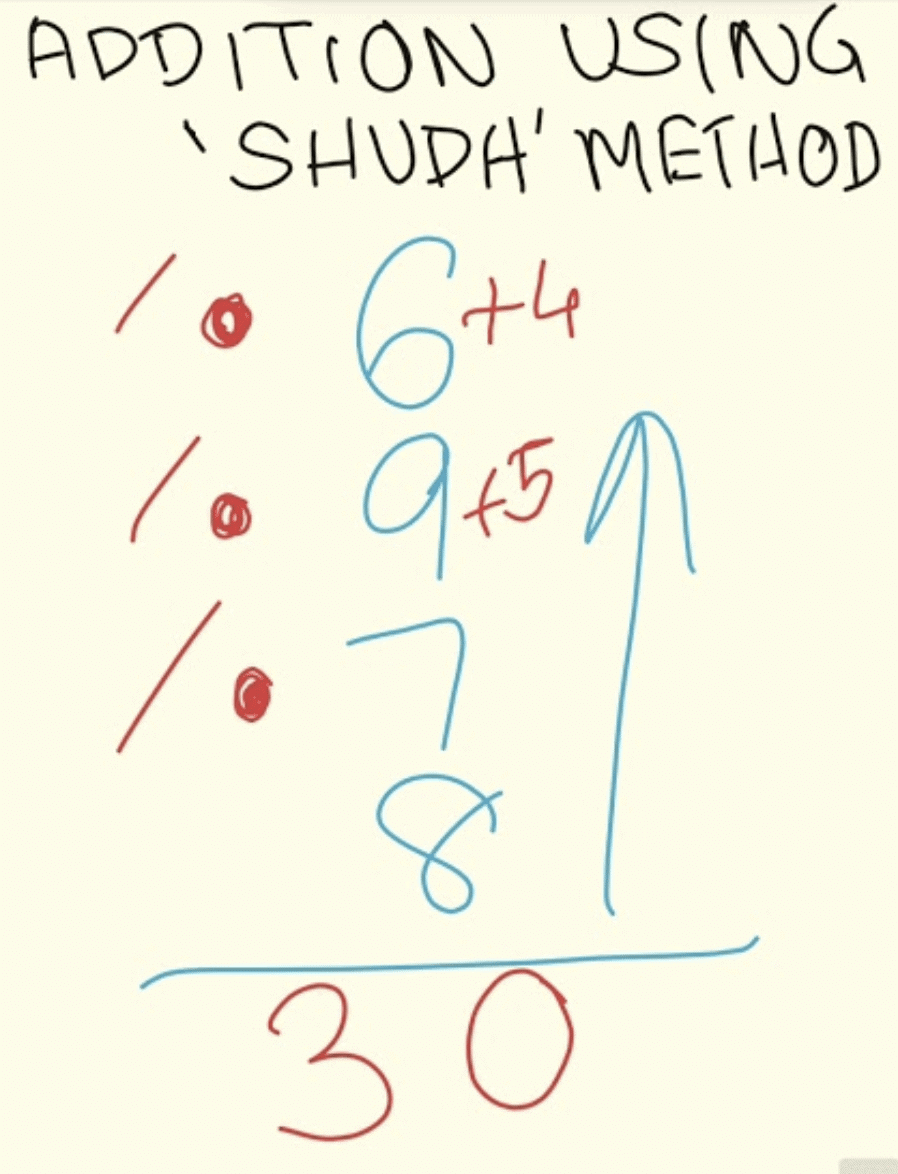
Q10. Add: 5 + 6 + 4 = ?
Answer: 15
Start adding: 5 + 6 = 11 (put a dot for 1 and carry 1).
Then 1 + 4 = 5.
Add the dot (1) to get 15.
Q11. Add: 3 + 8 + 9 = ?
Answer: 20
3 + 8 = 11 (dot for 1, carry 1).
Then 1 + 9 = 10 (dot for 1, carry 0).
Add two dots (2) to 0 = 20.
Q12. Add: 7 + 5 + 2 = ?
Answer: 14
7 + 5 = 12 (dot for 1, carry 2).
Then 2 + 2 = 4.
Add the dot (1) to get 14.
Section 5: Number Splitting Methods
Split numbers into parts to make adding easier!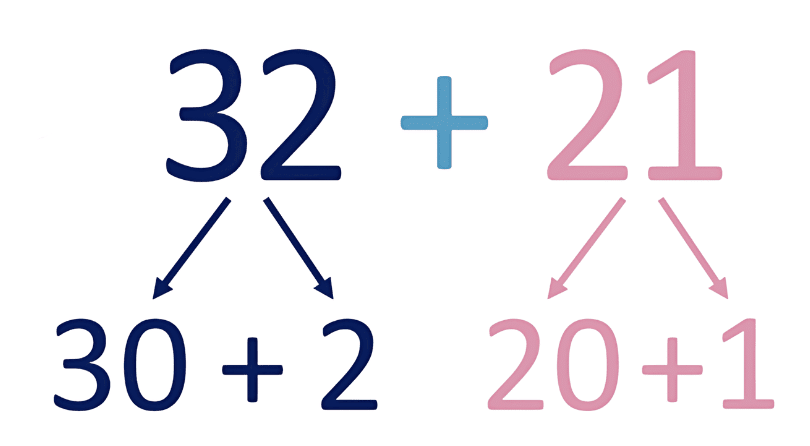
Q13. Add: 14 + 26 = ?
Answer: 40
Split 14 as 10 + 4 and 26 as 20 + 6.
Add tens:
10 + 20 = 30.
Add ones:
4 + 6 = 10.
So, 30 + 10 = 40.
Q14. Add: 18 + 12 = ?
Answer: 30
Split 18 as 10 + 8 and 12 as 10 + 2.
Add tens: 10 + 10 = 20.
Add ones: 8 + 2 = 10.
So, 20 + 10 = 30.
Q15. Add: 25 + 13 = ?
Answer: 38
Split 25 as 20 + 5 and 13 as 10 + 3.
Add tens: 20 + 10 = 30.
Add ones: 5 + 3 = 8.
So, 30 + 8 = 38.
Bonus Challenge
Q16. Add: 6 + 4 + 3 + 2 = ? 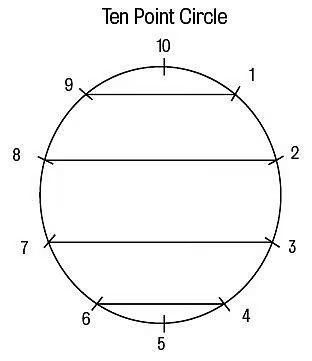
Answer: 15
Use the ten-point circle: 6 + 4 = 10.
Then add 3 + 2 = 5.
So, 10 + 5 = 15.
|
45 videos|23 docs|5 tests
|
FAQs on Worksheet Solution: Addition - Vedic Math for Junior Classes - English - Class 1
| 1. What is the Completing the Whole Method in addition? |  |
| 2. How does the Ten Point Circle method help in adding numbers? | |
| 3. What is the significance of Adding from Left to Right? | |
| 4. Can you explain the Shudh Method (Pure Numbers) in addition? | |
| 5. What are Number Splitting Methods, and how do they work? | |



Semester Notes
,Worksheet Solution: Addition | Vedic Math for Junior Classes - English - Class 1
,Exam
,Free
,Extra Questions
,ppt
,Previous Year Questions with Solutions
,Objective type Questions
,practice quizzes
,shortcuts and tricks
,Worksheet Solution: Addition | Vedic Math for Junior Classes - English - Class 1
,Worksheet Solution: Addition | Vedic Math for Junior Classes - English - Class 1
,Viva Questions
,video lectures
,Important questions
,past year papers
,mock tests for examination
,Sample Paper
,MCQs
,Summary
,study material
;




Worksheet Solution: Addition Free PDF Download
Importance of Worksheet Solution: Addition
Worksheet Solution: Addition Notes
Worksheet Solution: Addition Class 1 Questions
Study Worksheet Solution: Addition on the App
|
© EduRev
|
Education Revolution
|


|




