Weekly Current Affairs (1st to 7th April 2025) - 1


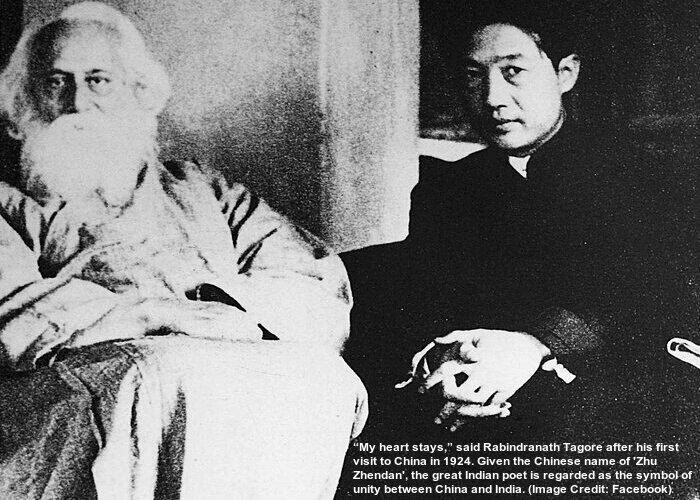
Centenary of Tagore's Visit to China
 Why in News?
- On 1st April 2025, Visva-Bharati University in Santiniketan hosted an international seminar to commemorate the 100th anniversary of Rabindranath Tagore's visit to China in 1924, as well as the 75th anniversary of diplomatic relations between India and China. The event took place at Cheena Bhavana, the oldest Chinese studies department in South Asia.
Who was Rabindranath Tagore and His Contributions to Nation Building?
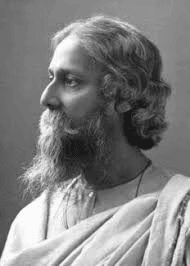
- Rabindranath Tagore, born in Calcutta on 7 May 1861, was a multifaceted Bengali poet, novelist, playwright, musician, painter, philosopher, and educationist. He was affectionately called Gurudev, Kabiguru, and Biswakabi. A close friend of Mahatma Gandhi, Tagore is credited with coining the title of Mahatma for Gandhi.
Tagore's Contributions to Nation-Building
Views on Nationalism:
- Tagore viewed nationalism as an inclusive and spiritual concept, emphasizing human values over hatred and extreme patriotism.
- He believed India's strength lies in its diversity and unity rather than uniformity or religious majoritarianism.
- His nationalism was cosmopolitan rather than isolationist, which remains relevant today amidst rising ethnonationalism.
- In his book Nationalism (1917), he cautioned against aggressive Western-style nationalism as a threat to global peace.
Contribution to the National Movement of India:
- While not an active political agitator, Tagore played a significant moral and intellectual role in the freedom struggle.
- He supported the Swadeshi movement during the Partition of Bengal (1905) by composing unifying songs like Amar Sonar Bangla.
- After the Jallianwala Bagh Massacre (1919), he renounced his knighthood awarded by the British.
- He wrote Jana Gana Mana, which became the National Anthem of India.
Contribution in Music, Dance, and Art:
- Tagore was a cultural revivalist, creating a unique Indian identity in the arts.
- He composed over 2,000 songs known as Rabindra Sangeet, celebrated for their lyrical and emotional depth.
- His works merged classical ragas, folk traditions, and spiritual themes, with songs like Ekla Chalo Re symbolizing nationalism.
- He created dance dramas such as Chitrangada and Chandalika, blending theatre and classical dance.
- As a painter, he introduced abstract and symbolic styles, challenging colonial norms and emphasizing Indian visual identity.
Contribution in Literature:
- Tagore modernized Bengali prose and poetry, addressing themes of freedom, identity, spirituality, and modernity.
- Major works include:
- Poetry:Gitanjali, Balaka, Sonar Tori, Manasi
- Novels:Ghare-Baire, Gora, Chokher Bali
- Plays:Chitra, The Post Office
- Essays:Sadhana: The Realisation of Life, The Religion of Man, Nationalism
Contribution in Education:
- Tagore envisioned education as a means to liberate the mind rather than control it.
- In 1921, he founded Visva-Bharati University in Santiniketan, based on the philosophy of 'learning in harmony with nature'.
- Visva-Bharati became a global center of learning, with the motto "Yatra visvam bhavatyekanidam" (Where the world meets in one nest).
- In 1937, he established Cheena Bhavana to promote Indo-Chinese cultural ties and dialogue.
Conclusion
Rabindranath Tagore was not just a poet but a visionary, reformer, and global thinker who significantly redefined India's cultural identity and intellectual future. His contributions to the freedom movement, art, education, and international diplomacy established a foundation for India's modern soft power and moral leadership.
Mains Question:
- "Rabindranath Tagore's nation-building efforts went far beyond political activism and embraced culture, education, and ethical nationalism." Discuss.
Insurgency in Balochistan
 Why in News?
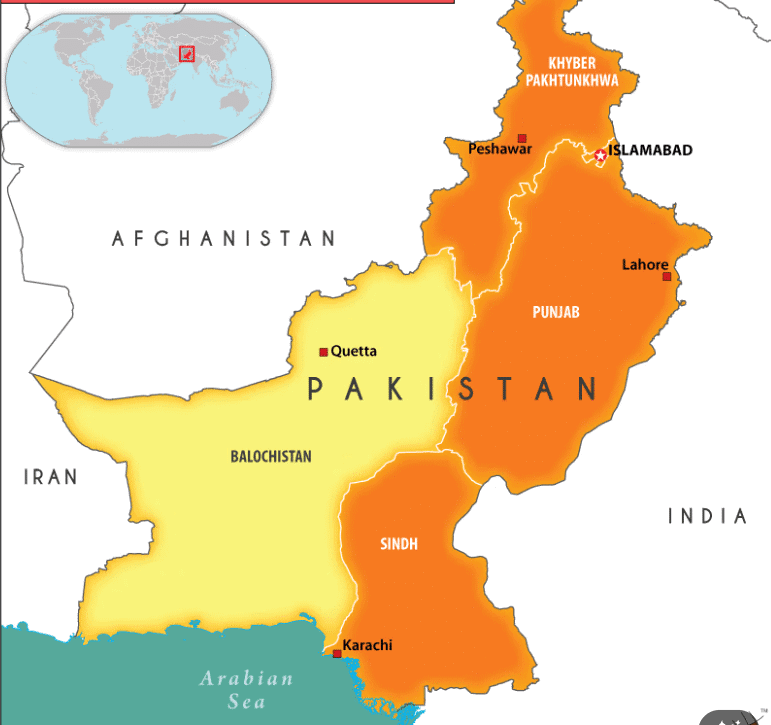
- The province of Pakistan is experiencing a resurgence of insurgency and unrest. The recent train hijacking by Balochistan Liberation Army (BLA) militants, who are demanding the release of their comrades, highlights the deteriorating security situation in the region.
Key Takeaways
- Balochistan's historical grievances and political marginalization fuel ongoing conflict.
- Economic exploitation alongside low levels of education and infrastructure contribute to local discontent.
- Human rights violations and militarization exacerbate tensions in the region.
- India's diplomatic stance on Balochistan is influenced by geopolitical dynamics and human rights considerations.
Additional Details
- Historical Grievances: The forced annexation of Balochistan by Pakistan in 1948 and the dismissal of its provincial government in 1973 have deepened alienation. The region suffers from a lack of effective grievance redressal mechanisms, with Punjabi elites dominating the bureaucracy and sidelining Baloch representation.
- Economic Exploitation: Despite its abundant natural resources including gas, gold, and iron, Balochistan remains impoverished. The local population is largely confined to low-skilled jobs due to inadequate education and infrastructure, leading to the province having Pakistan's lowest literacy rate and the worst Gender Parity Index (GPI).
- Human Rights Violations: Counter-insurgency tactics often involve enforced disappearances, extra-judicial killings, and fake encounters. A Commission of Inquiry on Enforced Disappearances established in 2011 recorded 2,752 cases, while civil society groups estimate over 7,000 disappearances between 2002 and 2024.
- Geopolitical Factors: Pakistan alleges that foreign support for militancy and separatist movements in Balochistan is influenced by instability in Afghanistan and certain terrorist groups from Iran.
The Balochistan issue arises from a combination of historical grievances, economic exploitation, and political marginalization. Pakistan's military approach has proven ineffective, underlining the necessity for political reforms and equitable resource distribution. India perceives the situation as strategically significant, especially in terms of its implications for regional security.
Mains Question:
- Discuss the historical and geopolitical factors driving the Balochistan insurgency. How does the situation impact regional stability, and what should be India's strategic approach?
Debate on Dual Citizenship for Indians
 Why in News?
- The discussion surrounding dual citizenship in India has resurfaced, particularly as the country is home to the world's largest diaspora. There is a growing consensus that genuine dual citizenship, beyond the existing Overseas Citizenship of India (OCI), could better align with India's changing diaspora policy and the realities of a globalized world.
Key Takeaways
- Over 3.5 crore Indians live abroad, making India the top recipient of global remittances.
- The OCI does not confer full citizenship rights and is often viewed as a privilege that can be revoked.
- Many Indians are giving up their citizenship to gain rights in foreign nations, highlighting the need for dual citizenship.
- Countries like the US, Canada, and Australia allow dual citizenship, suggesting that India could consider similar measures.
Arguments in Favour
- Largest Diaspora: India has a significant expatriate population, receiving USD 129 billion in remittances in 2024, which exceeds foreign direct investment.
- Limitations of OCI: The OCI does not provide political rights or the ability to own agricultural land, leading many to feel like second-class citizens.
- Policy Inflection Point: Global immigration policies are becoming stricter, emphasizing the need for dual citizenship to maintain ties with the diaspora.
- Strategic Engagement: A globally integrated Indian citizenry could enhance India's soft power and lead to greater investment and cultural links.
- Comparative Trends: Various countries permit dual citizenship, and India could establish a similar framework that preserves national security.
Arguments Against
- Constitutional Restrictions: Article 9 of the Indian Constitution prohibits dual citizenship, leading to automatic loss of Indian citizenship upon acquiring foreign nationality.
- Democratic Legitimacy: Citizenship requires undivided loyalty, and dual citizens may challenge the sovereignty of Indian democracy.
- Political Instrumentalism: Concerns arise over individuals exploiting dual nationality for personal gain without real commitment to India.
- Security and Strategic Concerns: Dual citizenship could complicate legal matters and security protocols established after Partition.
- Sufficient Existing Framework: The OCI program successfully engages the diaspora without political rights, making dual citizenship arguably unnecessary.
What are the Middle-path Reforms on the Issue of Dual Citizenship?
- Enhancing the OCI Framework: Introduce greater legal stability and rights, such as land ownership for specific categories, while ensuring transparent revocation processes.
- Participatory Mechanisms: Allow limited political participation for OCIs at local governance levels (e.g., panchayats) to leverage their expertise without full voting rights.
- Cultural Identity Programs: Expand initiatives like Tracing the Roots to strengthen ties between the diaspora and Indian heritage.
- Selective Dual Citizenship: If introduced, it should be limited to citizens of strategic partner nations, excluding those in sensitive roles.
In conclusion, as global interconnectivity increases, India must adapt its citizenship policies. By enhancing the rights of OCI holders and considering pragmatic reforms, India can foster deeper engagement with its diaspora while balancing national interests and global realities.
Mains Question:
- Examine the constraints preventing dual citizenship in India. Should India reconsider its stance? Justify your view.
SC Upholds Due Process in Prayagraj Demolition Case
 Why in News?
- The Supreme Court of India condemned the 2021 demolition of homes by the Prayagraj Development Authority, labeling it as "inhumane and illegal." The court ordered a compensation of Rs 10 lakh for each affected individual. This judgment underscores the right to shelter against arbitrary state actions and seeks to curb illegal demolitions.
Key Takeaways
- The SC emphasized that the right to shelter is integral to the right to life and personal liberty under Article 21.
- Arbitrary demolitions without due process violate both procedural fairness and human dignity.
Additional Details
- Violation of Due Process: The SC highlighted that authorities did not provide homeowners with a reasonable opportunity to respond. Notices were simply affixed rather than served personally or via registered post, as mandated by the Uttar Pradesh Urban Planning and Development (UPUPD) Act, 1973.
- Precedents and Legal Framework: The SC referred to its 2024 ruling in the case of In Re Directions In The Matter Of Demolition Of Structures, which established guidelines against "bulldozer justice," requiring a minimum of 15 days' notice, clear identification of violations, and a fair chance for occupants to contest demolition orders.
What is Bulldozer Justice?
Click here to Read: How Do Arbitrary Demolitions Undermine Rule of Law and Human Rights?
- Erosion of Rule of Law: Demolitions carried out as punishment without due legal process undermine the judiciary and elevate executive actions above legal scrutiny.
- Rise of Instant Justice: The use of bulldozers for arbitrary demolitions symbolizes retribution that bypasses courts, promoting the concept of "instant justice," which is both legally unsound and ethically concerning.
- Collective Punishment: Families, including women, children, and the elderly, are rendered homeless, constituting collective punishment that violates international humanitarian law as per the Geneva Conventions.
- Massive Humanitarian Impact: The Housing and Land Rights Network reported that over 1.5 lakh homes were demolished, displacing 7.38 lakh people in 2022-23 alone.
- Psychological and Economic Fallout: Sudden evictions disrupt livelihoods, education, and inflict mental trauma, particularly on urban poor and marginalized communities.
What Steps Should Be Taken to Prevent Arbitrary Demolitions?
- Strict Enforcement of SC Guidelines: Codify the 2024 SC Guidelines into municipal and state laws to ensure consistent implementation.
- Introduce National Legislation: Create a national framework to regulate eviction and demolition processes in alignment with international standards.
- Strengthening Institutional Frameworks: Establish dedicated tribunals for adjudicating disputes related to demolitions, empowering them to halt arbitrary actions.
- Transparency and Accountability: Implement an online portal to track planned demolitions, served notices, and final orders to enhance transparency.
- Resettlement Measures: Adopt a "rehabilitate first, demolish later" policy to ensure those affected are provided with alternative housing and support.
The Supreme Court's ruling in the Prayagraj demolition case is a pivotal affirmation of the right to shelter and highlights the necessity for due process in state actions regarding housing. It serves as a reminder that arbitrary demolitions infringe upon legal rights and human dignity.
Delay in Decisions of Anti-Defection Cases
Why in News?
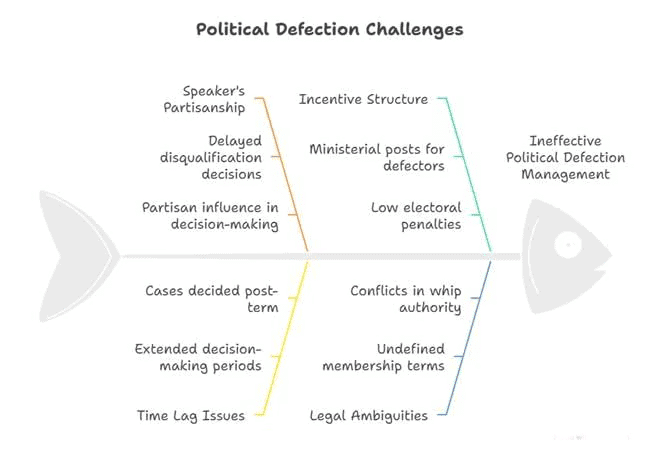
The Supreme Court (SC) has asserted that the judiciary holds power even when a Legislative Speaker delays decisions on anti-defection petitions as outlined in the Tenth Schedule of the Constitution. This statement arose during the hearing of pleas from a state political party seeking judicial intervention regarding the prolonged inaction by the state Assembly Speaker on disqualification petitions of Members of Legislative Assembly (MLAs) who defected to the ruling party.
Key Takeaways
- The Supreme Court emphasized its authority to intervene in cases of delayed decisions by the Legislative Speaker.
- The Anti-Defection Law (ADL) aims to prevent opportunistic political defections and maintain party discipline.
- Delays in disqualification decisions can undermine democratic processes and electoral accountability.
Additional Details
- Anti-Defection Law (ADL): Enacted in 1985 through the 52nd Amendment Act, it includes the Tenth Schedule that aims to curb political defections among legislators (MPs and MLAs) to promote stable governments.
- Grounds for Disqualification:
- For Members of Political Parties: Disqualified if they voluntarily resign from their party or vote against the party's whip without prior permission, unless condoned within 15 days.
- For Independent Members: Disqualified if they join a political party after the election.
- For Nominated Members: Disqualified if they join a political party after six months from taking their seat.
- Role of the Speaker: The Speaker acts as a quasi-judicial authority in disqualification matters but is not bound by a specific deadline, leading to delays.
- Judicial Empowerment: Under Article 142, the SC can mandate actions for complete justice, compelling constitutional authorities to act within a reasonable timeframe.
- Impact of Delays:
- Democratic Undermining: Delays allow defectors to remain in office, distorting the electorate's will.
- Political Morality: Erodes public trust and encourages political opportunism.
- Governance Paralysis: Delays hinder policymaking and amplify the ruling party's dominance.
- Case Study: In Maharashtra (2022), delays caused instability and power shifts.
- Electoral Accountability: Delays stall re-elections, denying voters their rights.
- Exploitation by Ruling Parties: Delays often serve the interests of ruling parties, particularly when the Speaker is affiliated with the ruling party.
- Proposed Reforms:
- Introduce a statutory time limit (e.g., 90 days) for the Speaker to decide on disqualification petitions.
- Transfer adjudication powers to an independent authority or the Election Commission of India.
- Limit the scope of party whip enforcement to specific motions, allowing legislators more freedom in conscience-based voting.
- Promote political ethics by encouraging consultative decision-making and allowing dissent within parties.
The delay in anti-defection case decisions poses significant challenges to governance and electoral integrity. Implementing the suggested reforms could enhance the effectiveness of the Anti-Defection Law and restore public confidence in democratic processes.
Combatting Synthetic Drug Trafficking in India
Why in News?
- India is currently confronting a significant increase in synthetic drug trafficking. In response to this alarming trend, the Narcotics Control Bureau of Haryana has established an Anti-Synthetic Narcotics Task Force aimed at tracking trafficking networks, monitoring precursor chemicals, and dismantling clandestine laboratories within the state.
Key Takeaways
- The establishment of an Anti-Synthetic Narcotics Task Force in Haryana.
- Ongoing challenges in regulating synthetic drugs due to loopholes in legislation.
- The rise of synthetic drugs contributing to increased drug-related issues, especially among youth.
Additional Details
- Synthetic Drugs: These substances are entirely synthesized in laboratories and do not rely on any plant-based components. Examples include amphetamines, ecstasy, and methadone.
- Concerns Regarding Synthetic Drugs:
- Synthetic drugs can be easily produced in small, concealed laboratories using readily available precursor chemicals, complicating detection efforts.
- They are often masked within legitimate industrial shipments, making traditional detection methods less effective.
- The high potency of synthetic drugs, such as fentanyl, poses significant health risks, including fatal overdoses.
- Global Influence: India faces challenges from the global shift in synthetic drug production, being a major hub for active pharmaceutical ingredients and situated between critical drug trafficking regions.
To effectively combat the rising threat of synthetic drugs, India needs to undertake comprehensive legislative reforms, enhance monitoring systems for precursor chemicals, and improve digital surveillance capabilities. International cooperation and public health initiatives are also essential to address the challenges posed by these potent substances.
India-Bangladesh Relations
 Why in News?
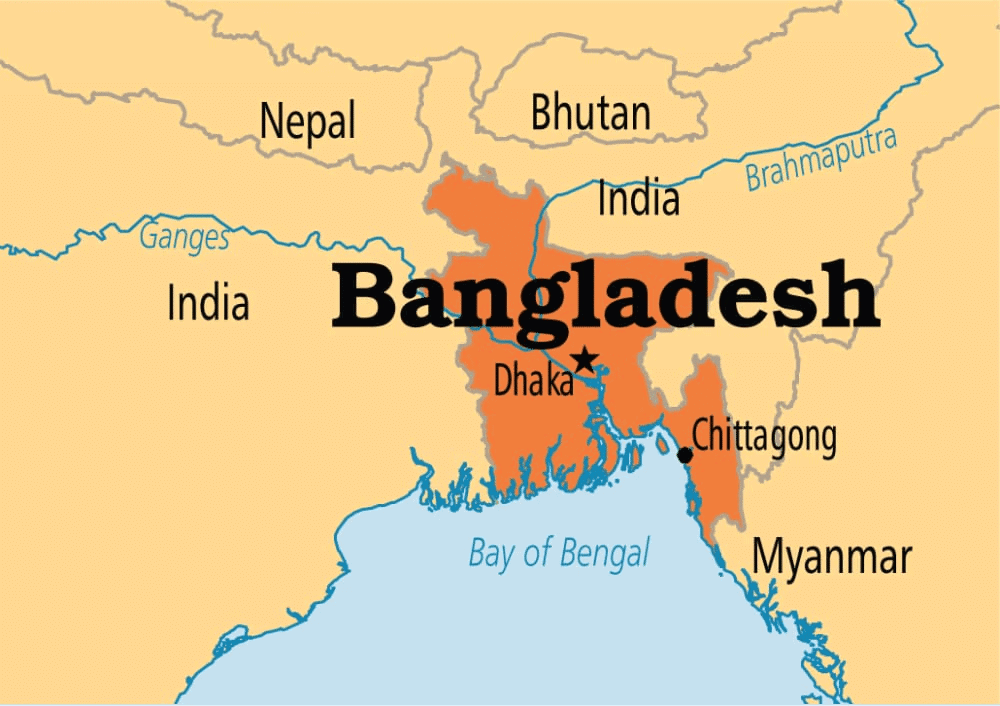
- Prime Minister Narendra Modi recently met with Bangladesh's Chief Adviser Muhammad Yunus during the BIMSTEC (Bay of Bengal Multi-Sectoral Technical and Economic Cooperation) Summit in Bangkok. This meeting marks their first official interaction following the removal of former Prime Minister Sheikh Hasina.
Key Takeaways
- Both nations engage in joint military exercises to enhance defense cooperation.
- Bangladesh is India's largest trade partner in South Asia, with bilateral trade reaching USD 12.9 billion in FY 2023-24.
- Energy cooperation is highlighted by the India-Bangladesh Friendship Pipeline, which transports high-speed diesel.
- Both countries collaborate in regional forums to strengthen economic and strategic ties.
Additional Details
- Defence Cooperation: The two countries conduct exercises such as Exercise Sampriti (Army) and Exercise Bongosagar (Navy) to bolster military collaboration.
- Economic and Commercial Relations: India's exports to Bangladesh amounted to USD 11.06 billion, primarily consisting of cotton, petroleum products, engineering goods, and chemicals. Conversely, major imports include apparel, textiles, jute goods, and aerospace parts.
- Energy and Connectivity: The India-Bangladesh Friendship Pipeline is the first cross-border energy pipeline, enhancing energy ties between the two nations.
- Multilateral Cooperation: Collaboration occurs in forums like SAARC, BIMSTEC, and the Indian Ocean Rim Association.
The relationship between India and Bangladesh is significant for regional stability and economic growth. However, challenges such as diplomatic disconnect, growing Chinese influence, border management issues, and rising anti-India sentiment need to be addressed for better cooperation.
What Can Be Done to Enhance India-Bangladesh Relations?
- Engage Inclusively: Foster long-term engagement with a wide range of political actors through track-2 diplomacy and establish a "Bangladesh Engagement Forum" with Chief Ministers of bordering states.
- Leverage Multilateral Initiatives: Integrate Bangladesh into India's Indo-Pacific Oceans Initiative for enhanced maritime cooperation.
- Border Management: Implement smart fencing along the India-Bangladesh border to address issues like drug trafficking and illegal immigration.
- People-to-People Connectivity: Promote cultural exchanges and educational scholarships to strengthen ties at a grassroots level.
Mains Question: Briefly discuss key challenges in India-Bangladesh ties and suggest ways to resolve them.
Compassion in Primary Health Care
Why in News?
- The World Health Organization (WHO) has recently released a report titled "Compassion and Primary Health Care (PHC)" which emphasizes the crucial role of compassion in enhancing PHC and addressing the growing mental health challenges through patient-centered and dignified care.
Key Takeaways
- Compassion is essential for improving the quality and accessibility of healthcare services.
- It serves as a practical driver that enhances the equity of care, distinguishing it from sympathy and empathy.
- The prevalence of mental health disorders in India highlights an urgent need for compassionate care.
Additional Details
- Significance of Compassion: Compassion in PHC involves recognizing human suffering and taking action to alleviate it. Unlike sympathy, which is passive, and empathy, which can lead to emotional fatigue, compassion merges emotional connection with actionable responses.
- The lifetime prevalence of mental disorders in India is 13.7%, with 15% of adults experiencing mental health issues. The WHO estimates that the burden of these problems results in 2443 disability-adjusted life years (DALYs) per 10,000 population.
- Economic losses due to mental health conditions in India are projected at USD 1.03 trillion between 2012-2030, exacerbated by a significant treatment gap where 70% to 92% of individuals with mental disorders do not receive proper care due to stigma and lack of resources.
- Compassionate healthcare promotes a people-centered approach, making services more responsive and respectful towards marginalized groups, including Dalits, Adivasis, LGBTQ+ individuals, and persons with disabilities.
In conclusion, to enhance compassionate healthcare in India, it is essential to institutionalize compassion within the healthcare system. This can be achieved by integrating compassion as a measurable dimension of Quality of Care (QoC), implementing compassion checklists in Health and Wellness Centres (HWCs), and reforming healthcare curricula to include training on compassionate leadership and communication. Such measures can significantly improve patient-provider interactions and ensure equitable and effective healthcare delivery.
FAQs on Weekly Current Affairs (1st to 7th April 2025) - 1
| 1. What was the significance of Rabindranath Tagore's visit to China in 1924? |  |
| 2. What are the main causes of the insurgency in Balochistan? | |
| 3. What are the arguments for and against dual citizenship for Indians? | |
| 4. What was the Supreme Court's ruling regarding the Prayagraj demolition case? | |
| 5. How is India addressing the challenge of synthetic drug trafficking? | |




