International Relations: August 2025 UPSC Current Affairs


GS2/International Relations
International Criminal Court (ICC)
Why in News?
The Trump administration has imposed sanctions on judges and prosecutors of the International Criminal Court (ICC) due to ongoing investigations related to Israeli leaders and past probes concerning U.S. officials.
Key Takeaways
- The ICC was established in 2002 under the Rome Statute and is headquartered in The Hague, Netherlands.
- It is the first permanent international court to prosecute individuals for serious crimes such as genocide, war crimes, and crimes against humanity.
Additional Details
- Core Jurisdiction:The ICC has jurisdiction over four main categories of crimes:
- Genocide
- Crimes against humanity
- War crimes
- Crime of aggression
- Membership: As of now, there are 124 States Parties to the ICC, while notable non-members include India, China, the USA, Russia, Israel, and Ukraine.
- Structure:The ICC consists of:
- Office of the Prosecutor - responsible for investigating and prosecuting cases.
- 18 Judges - elected for nine-year terms.
- Assembly of States Parties - governs the administration of the ICC.
- Trust Fund for Victims and a Detention Centre.
- Languages: The working languages of the ICC are English, French, Arabic, Chinese, Russian, and Spanish.
- Funding: The annual budget for 2025 is approximately €195 million, primarily sourced from member states.
Jurisdiction and Challenges
- Applicability: The ICC can prosecute crimes committed by nationals of member states on their territory or through UN Security Council referrals, which may extend its jurisdiction to non-member states like Libya and Sudan.
- Obligations on States: Member states are required to execute ICC arrest warrants and cooperate fully. Non-compliance can be reported to the UN Security Council.
- Challenges:The ICC faces significant hurdles, including:
- Lack of an independent enforcement mechanism.
- Non-members such as the USA and Russia are not obligated to cooperate.
- Political and diplomatic barriers that obstruct the enforcement of warrants.
- Special Mechanisms: In 2016, the ICC established an Arrest Working Group to improve warrant enforcement through enhanced intelligence-sharing.
The ICC continues to play a crucial role in the international legal framework concerning serious crimes, despite facing various challenges.
GS2/International Relations
United Nations High Commissioner for Refugees (UNHCR)

Why in News?
The United Nations High Commissioner for Refugees (UNHCR) has recently announced a temporary suspension of the process to facilitate the repatriation of Sri Lankan Tamil refugees.
Key Takeaways
- The UNHCR is a global agency focused on protecting refugees and facilitating their return or resettlement.
- Established in 1950, the agency arose in response to the displacement caused by the Second World War.
- It operates under the governance of the UN General Assembly and the Economic and Social Council (ECOSOC).
Additional Details
- Governance Structure: The UNHCR is overseen by the UN General Assembly and the ECOSOC. The agency's biennial programs and budgets are approved by the Executive Committee, with proposals presented by the UNHCR's appointed Commissioner.
- Funding: The agency relies on voluntary contributions from governments, private donors, and organizations for its funding.
- Notable recognitions include the Nobel Peace Prizes awarded in 1954 and 1981 for its humanitarian efforts.
- The Nansen Refugee Award, initiated in 1954, honors exceptional service to refugees and displaced individuals.
- Headquarters: The UNHCR is headquartered in Geneva, Switzerland.
This recent suspension highlights the ongoing challenges faced by refugees and the complexities surrounding their repatriation processes, reinforcing the need for continued international support and attention to their plight.
GS2/International Relations
International Atomic Energy Agency (IAEA)
Why in News?
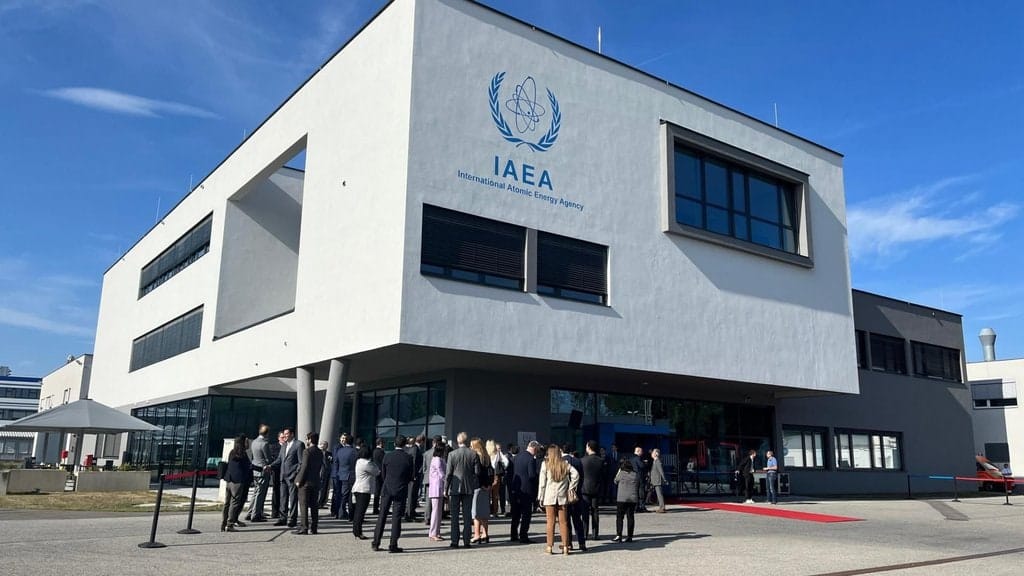
The head of the UN's nuclear watchdog, the International Atomic Energy Agency (IAEA), announced that a team of inspectors has returned to Iran, highlighting ongoing international concerns regarding nuclear energy and its potential military applications.
Key Takeaways
- The IAEA is the leading global organization for nuclear scientific and technical cooperation.
- It operates under a statute approved on October 23, 1956, and became effective on July 29, 1957.
- As an autonomous entity within the United Nations, the IAEA reports to both the UN General Assembly and the UN Security Council.
- The agency's main objective is to prevent the diversion of nuclear energy for weapons purposes.
Additional Details
- Member Countries: The IAEA currently has 180 member states, enhancing its international credibility and mandate.
- Institutional Structure:
- General Conference: This assembly of all member states meets annually to approve budgets and set policies.
- Board of Governors: Composed of 35 members, it meets approximately five times a year to oversee safeguards agreements and appoint the Director General.
- Secretariat: Led by the Director General, it is responsible for the agency's daily operations.
- Functions of the IAEA:The agency ensures nuclear technology is used solely for peaceful purposes through comprehensive safeguards, including:
- Monitoring activities
- Conducting on-site inspections
- Information analysis
- Employing various techniques to verify peaceful use of nuclear energy.
- Headquarters: The IAEA is headquartered in Vienna, Austria.
In summary, the IAEA plays a crucial role in promoting safe and peaceful use of nuclear technology, maintaining international peace and security regarding nuclear materials.
GS2/International Relations
Intermediate-Range Nuclear Forces (INF) Treaty
 Why in News?
Russia has officially declared its withdrawal from the 1987 Intermediate-Range Nuclear Forces (INF) Treaty. This decision signifies a crucial shift in the landscape of Cold War-era nuclear arms control.
Key Takeaways
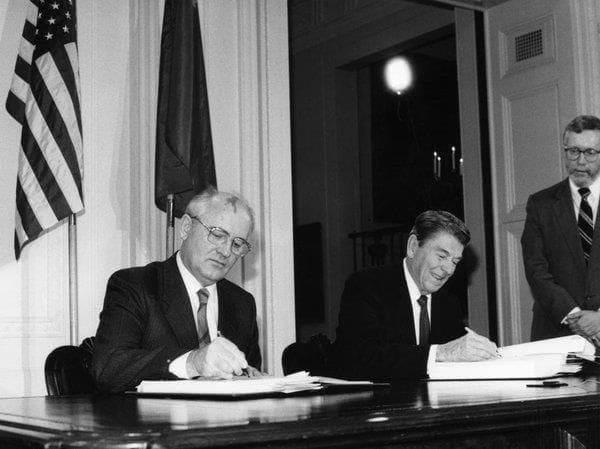
- The INF Treaty was signed in 1987 by U.S. President Ronald Reagan and Soviet leader Mikhail Gorbachev.
- The treaty prohibited ground-launched ballistic and cruise missiles with ranges from 500 to 5,500 kilometers.
- Its implementation resulted in the elimination of 2,692 missiles by June 1, 1991.
Additional Details
- Verification: The treaty allowed for on-site inspections, which set a precedent for future arms control agreements.
- Scope: It included both nuclear and conventional missile systems, becoming a cornerstone of post-Cold War strategic stability.
- Reasons for Russia's Exit: Russia cited U.S. military deployments, such as Tomahawk launchers in the Philippines and Dark Eagle hypersonic missiles in Australia, as key factors for its withdrawal. Additionally, escalating U.S. submarine deployments in 2025 and increasing NATO tensions contributed to this decision.
- Russia previously withdrew from the New START Treaty and the Comprehensive Nuclear-Test-Ban Treaty (CTBT) in 2023.
Implications
- Collapse of Arms Control: This exit eliminates a crucial framework for nuclear restraint.
- Resurgence of Arms Race: There is a potential for renewed missile deployments in Europe and the Asia-Pacific region.
- Regional Threats: Countries in NATO and East Asia may face heightened vulnerabilities.
- Proliferation Risk: The situation may encourage other nations, such as China and India, to enhance their military capabilities.
GS2/International Relations
How does the World Bank classify countries by income?
Why in News?
Recently, the World Bank's 2024 update to its income classification system revealed significant shifts, including a sharp decline in low-income populations and a rise in upper-middle-income countries.
Key Takeaways
- The share of the world population in low-income countries decreased from 37.4% in 2004 to 7.6% in 2024.
- Upper-middle-income countries saw their population rise from 8.9% in 2004 to 34.7% in 2024.
- The lower-middle-income group remained stable at around 38-40% of the global population.
- High-income nations fluctuated, peaking at 18.9% in 2014 and declining to 17.4% in 2024.
- Countries like India and Indonesia moved to higher income groups, while some African countries remained or slipped into low-income status.
Additional Details
- World Bank's Income Classification: Countries are classified into four income groups based on their Gross National Income (GNI) per capita. This classification is updated annually, adjusting for global inflation and income changes.
- Income Thresholds:
- Low income: GNI per capita ≤ $1,135
- Lower-middle income: $1,136 - $4,465
- Upper-middle income: $4,466 - $13,845
- High income: GNI per capita ≥ $13,846
- GNI per capita Usage: It measures the average income per person, including income from abroad, with figures converted to USD using exchange rates.
- Reasons for Shifts: Economic growth, currency exchange fluctuations, and population growth rates can lead to countries shifting between income groups.
For example, India's GNI per capita increased from $2,250 in 2022 to $2,610 in 2023, while Egypt saw a decline from $3,890 in 2022 to $3,240 in 2023 due to currency depreciation.
Challenges for India as a Lower-Middle-Income Country
- Limited Fiscal Space: India struggles to allocate sufficient funds for healthcare, education, and infrastructure, with public health spending at around 2% of GDP.
- High Income Inequality: Wealth distribution remains unequal, with the top 10% holding nearly 77% of total national wealth.
- Jobless Growth: Economic expansion hasn't created enough formal sector jobs, leading to high unemployment rates among youth.
Government Initiatives
- PM Gati Shakti Mission: Enhances infrastructure development for better connectivity and job creation.
- National Education Policy (NEP) 2020: Aims to improve access, equity, and quality in education.
- Ayushman Bharat Scheme: Provides free healthcare to over 50 crore people.
- Make in India & PLI Schemes: Promote domestic manufacturing and boost employment.
- Digital India & Skill India: Focus on digital inclusion and vocational training for youth.
Way Forward
- Accelerate Inclusive Economic Growth: Focus on MSMEs and rural entrepreneurship to boost job creation.
- Invest in Human Capital: Improve education quality, healthcare access, and nutritional outcomes.
- Strengthen Social Safety Nets: Expand direct benefit transfers and targeted subsidies to reduce inequality.
- Promote Technological Innovation: Support startups and digital infrastructure to enhance productivity.
GS2/International Relations
Integrated Food Security Phase Classification
Why in News?
A recent analysis from the Integrated Food Security Phase Classification (IPC) has revealed that over half a million individuals in Gaza are experiencing famine, characterized by widespread starvation, destitution, and preventable deaths.
Key Takeaways
- The IPC is a globally recognized system for assessing the severity of hunger crises.
- It is supported by 19 major humanitarian organizations and regional bodies.
- The IPC classifies food insecurity on a five-phase scale, with Phase 5 indicating famine.
Additional Details
- Famine Determination:For an area to be classified as experiencing famine, the following criteria must be met:
- At least 20% of the population must be suffering from extreme food shortages.
- One in three children must be acutely malnourished.
- Two out of every 10,000 people must be dying daily from starvation, malnutrition, or disease.
- The IPC does not formally declare famine but provides critical analysis to assist governments and organizations in making declarations.
- The data used by the IPC is sourced from the World Food Programme and other relief organizations, ensuring comprehensive and accurate assessment.
- The IPC's protocols are standardized across three individual scales: IPC Acute Food Insecurity, IPC Chronic Food Insecurity, and IPC Acute Malnutrition.
- This alarming situation underscores the need for immediate action to address food security challenges and prevent further humanitarian crises in affected regions.
GS2/International Relations
Lipulekh Pass: Current Developments
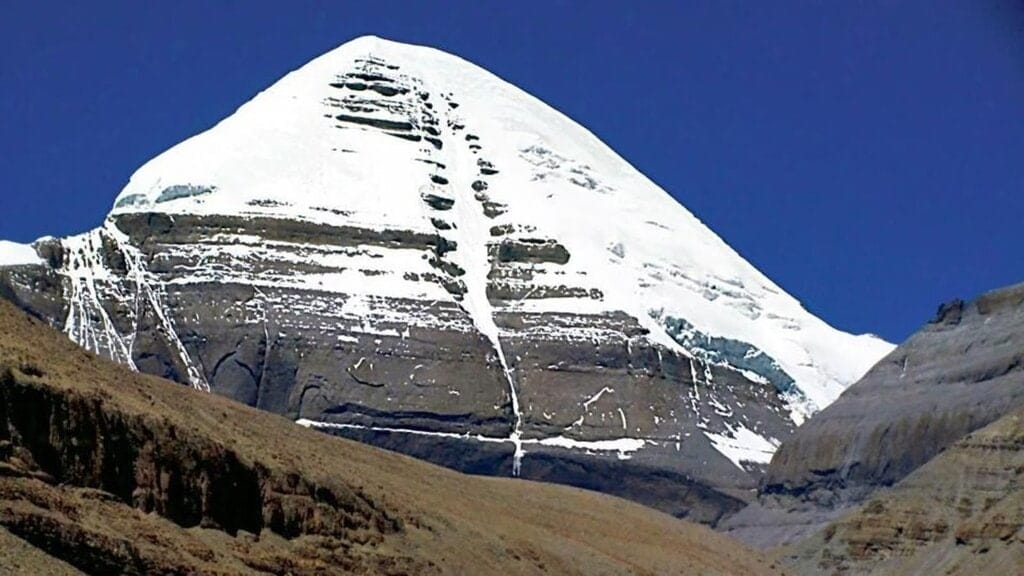
Why in News?
India has formally dismissed Nepal's concerns regarding the resumption of border trade with China through the Lipulekh Pass located in Uttarakhand.
Key Takeaways
- The Lipulekh Pass is a high-altitude Himalayan pass situated at approximately 17,000 feet.
- This pass serves as a vital connection between Uttarakhand's Kumaon region and Taklakot in Tibet.
- It is also the shortest route for pilgrims traveling to the Kailash Mansarovar.
- Historically significant as a trade route between India and China since 1954, trade was interrupted during the COVID-19 pandemic but has since resumed.
- The pass holds strategic importance for India due to its location near the borders of India, China, and Nepal.
Additional Details
- Limpiyadhura-Lipulekh-Kalapani Dispute: This dispute originates from the 1815 Treaty of Sugauli, which established Nepal's western boundary at the Kali (Mahakali) River.
- India's Position: India asserts that the Kali River's source is near Lipulekh, thus claiming both Lipulekh and Kalapani as part of its territory.
- Nepal's Position: Nepal contends that the Kali River begins at a different location, extending its claim to include Lipulekh and Kalapani.
- Disputed Area: Approximately 370 square kilometers of land, which has been under Indian administration since the 19th century, is contested.
- In 2020, Nepal released a new map declaring Limpiyadhura, Lipulekh, and Kalapani as its territory, which India rejected due to the lack of historical evidence supporting Nepal's claims.
- The ongoing border disputes between India and Nepal are significant, as both countries share a 1,770 km open border across five Indian states: Uttarakhand, Uttar Pradesh, Bihar, West Bengal, and Sikkim.
- These disputes often create diplomatic tensions, despite the historically close relations between the two nations.
GS2/International Relations
India-Philippines Strategic Partnership: Defence, Trade, and Maritime Cooperation
Why in News?
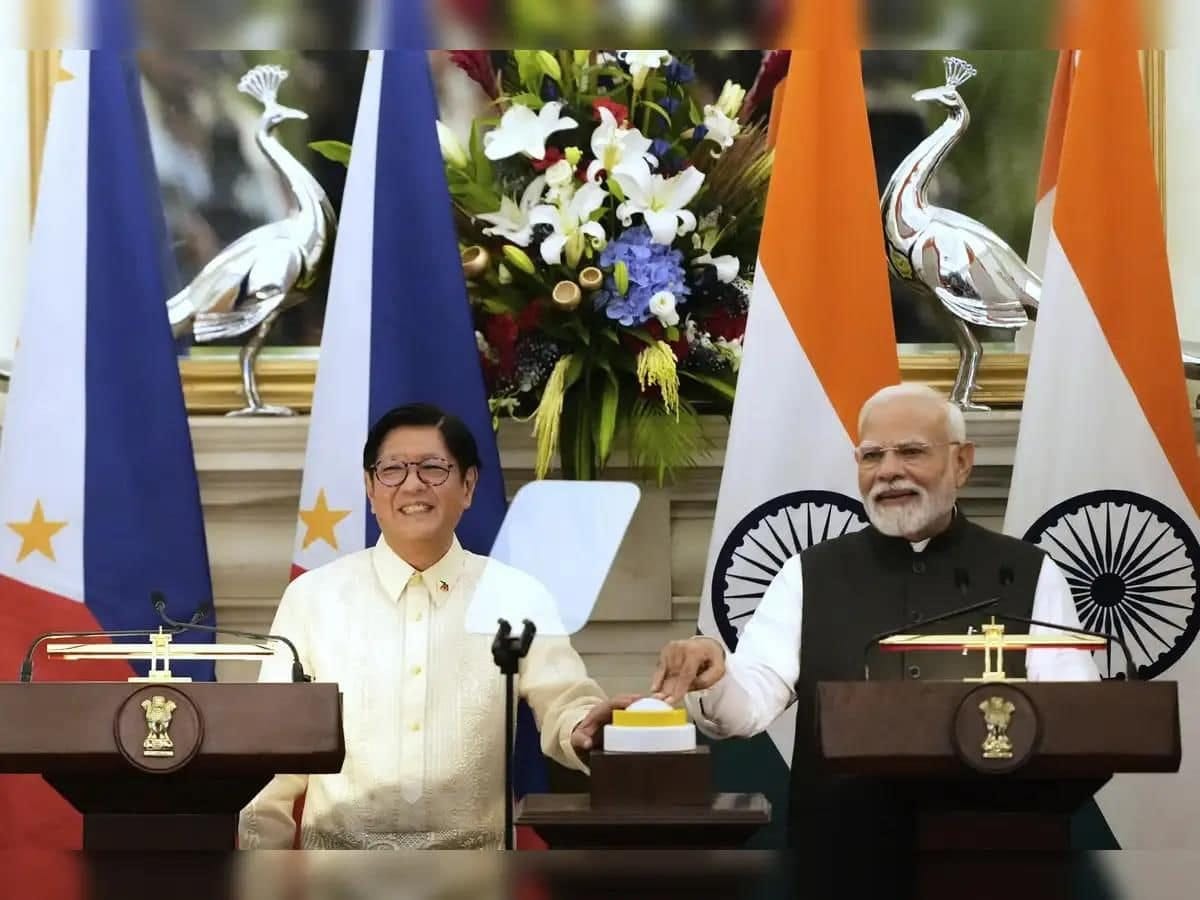
India and the Philippines have strengthened their bilateral relations, elevating them to a strategic partnership during President Ferdinand Marcos Jr.'s first visit to India. This partnership primarily focuses on enhancing defence collaboration, maritime cooperation, and trade relations.
Key Takeaways
- The Philippines and India established diplomatic relations in 1949.
- Bilateral trade surpassed USD 3 billion for the first time in 2022-23 and reached USD 3.53 billion in 2023-24.
- Defence cooperation has become a key element, highlighted by India's sale of BrahMos missiles to the Philippines.
- Both nations have committed to doubling bilateral trade by 2030.
- People-to-people engagement has been emphasized through scholarships and youth exchange programs.
Additional Details
- Historical Background: India and the Philippines share a history of engagement rooted in democratic values and anti-colonial legacies, evolving steadily over decades.
- Trade and Economic Cooperation: A trade agreement signed in 1979 paved the way for increased bilateral trade, which has grown significantly since the late 1990s due to India's Look East Policy. Major exports from India include engineering goods and pharmaceuticals, while imports from the Philippines comprise semiconductors and electrical machinery.
- Defence and Maritime Cooperation: India's defence exports to the Philippines began with a significant USD 375 million deal for BrahMos missiles, marking a pivotal shift in military collaboration amid regional maritime security concerns.
- People-to-People Engagement: The enhancement of educational ties through ITEC scholarships aims to foster closer relations between the two nations.
The recent visit signifies a transformational moment in India-Philippines relations, with both leaders expressing strong commitments to regional peace and stability, particularly in the context of a free and open Indo-Pacific. President Marcos hailed India as an "indispensable partner," while Prime Minister Modi acknowledged the Philippines' trust in Indian defence capabilities.
GS2/International Relations
Exercise Maitree: 14th Edition
Why in News?
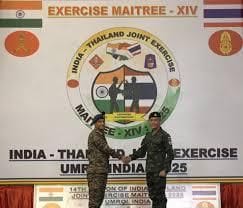
The 14th edition of Exercise Maitree, a joint military exercise between India and Thailand, is set to take place in Umroi, Meghalaya, from September 1 to 14, 2025. This exercise marks a significant return to India after a five-year hiatus.
Key Takeaways
- The exercise will focus on enhancing joint operational capabilities between the Indian and Thai armies.
- This edition emphasizes counter-terrorism operations in semi-urban terrain.
- The last Maitree exercise was conducted in Tak Province, Thailand, with equal troop deployment from both nations.
Additional Details
- Joint Military Exercise: Exercise Maitree is designed to facilitate the exchange of best practices in tactics, techniques, and procedures for conducting joint operations.
- Significance: This edition is notable as it signifies the return of the exercise to Indian soil after five years, further enhancing bilateral military cooperation.
- Previous Edition: The last Maitree exercise involved the deployment of 76 soldiers from both sides, including India's Ladakh Scouts and Thailand's 1st Battalion of the 14th Infantry Regiment.
Overall, Exercise Maitree serves as a crucial platform for fostering collaboration between India and Thailand in military operations, particularly in counter-terrorism efforts.
GS2/International Relations
An Overview of the India-Japan Relationship
Why in News?
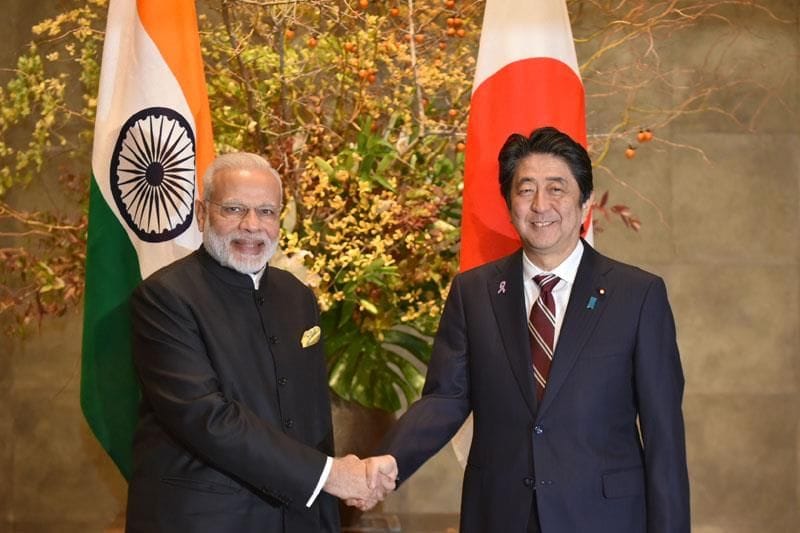
Prime Minister Modi is set to visit Japan on August 29-30, 2025, for the 15th India-Japan Annual Summit, marking his first summit with Prime Minister Shigeru Ishiba. This visit will be PM Modi's eighth to Japan, with his last attendance at the Annual Summit in 2018, although he has participated in other multilateral events in Japan, like the G20 Osaka in 2019 and G7 Hiroshima in 2023. Following the summit, he will proceed to China for the Heads of State Council meeting of the Shanghai Cooperation Organisation (SCO) in Tianjin.
Key Takeaways
- Strengthened ties through various strategic initiatives.
- Active collaboration in defence, trade, and cultural exchanges.
- Increasing focus on shared regional security and infrastructure development.
Additional Details
- India-Japan Ties: The relationship has evolved into one of India's oldest mechanisms for Annual Summits, alongside Russia, with progressive elevation to a Global Partnership in 2000, and further to a Special Strategic and Global Partnership by 2014.
- Indo-Pacific Cooperation: India's Act East Policy and Indo-Pacific Oceans Initiative align with Japan's Free and Open Indo-Pacific (FOIP) vision, emphasizing connectivity and development assistance.
- Multilateral Cooperation: Both nations collaborate in various platforms such as the Quad, International Solar Alliance (ISA), and Supply Chain Resilience Initiative (SCRI), underlining their roles as leading democracies.
- Defence and Security: Key agreements have fortified defence ties, including the Joint Declaration on Security Cooperation (2008), and regular joint exercises like Malabar and JIMEX enhance military collaboration.
- Trade and Investment: Bilateral trade reached $22.8 billion in 2023-24, with Japan being a major source of Foreign Direct Investment (FDI) in India.
- Development Cooperation: Japan has been India's largest ODA donor since 1958, providing significant support for infrastructure projects like the Mumbai-Ahmedabad High-Speed Rail.
- Cultural and Educational Ties: The Year of Tourism Exchange in 2023-24 and numerous academic partnerships highlight the growing cultural connections between the two nations.
As India navigates a complex geopolitical landscape, its partnership with Japan and other Indo-Pacific countries is poised to enhance strategic autonomy and foster collaborative growth.
GS2/International Relations
Nepal Officially Joins IBCA
Why in News?
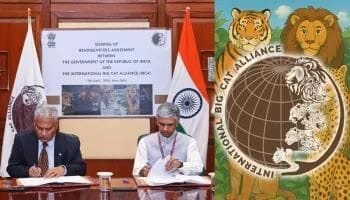
Nepal has officially joined the International Big Cat Alliance (IBCA), a global initiative led by India aimed at protecting seven species of big cats.
Key Takeaways
- Nepal's membership enhances the collaborative efforts to conserve big cat species.
- The IBCA focuses on multiple aspects of big cat conservation, including habitat protection and conflict mitigation.
Additional Details
- International Big Cat Alliance (IBCA): A multi-country, multi-agency coalition involving 95 countries that aims to conserve big cats and their habitats, launched in April 2023 during Project Tiger's 50th anniversary.
- Conservation Scope: The alliance works to protect seven big cat species: tiger, lion, leopard, snow leopard, cheetah, jaguar, and puma.
- Functions: The IBCA operates through advocacy, knowledge-sharing, promoting eco-tourism, and mobilizing resources.
- Conflict Mitigation: The alliance aims to reduce human-wildlife conflict and restore degraded habitats.
- Governance Structure: Managed by a General Assembly, an elected Council, and a Secretariat led by a Secretary-General with its headquarters in India.
- Global Participation: Members include countries from Asia, Africa, the Americas, and Europe, such as India, China, and Kenya.
- India's Role: India is a biodiversity hub, hosting five of the seven big cat species and contributing significantly to global conservation efforts.
- Funding: The Indian government has committed ₹150 crore for the period 2023-2028 to support the initiative.
This collaboration marks a significant step in international wildlife conservation, showcasing the commitment of participating nations to protect big cats and their ecosystems.
GS2/International Relations
Gaza War Puts IMEC's Future in Doubt
Why in News?
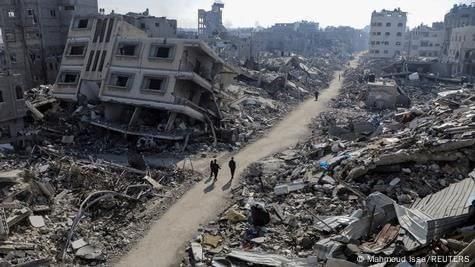
India's National Security Council Secretariat recently convened officials from various countries, including the U.S., UAE, Saudi Arabia, France, Italy, Germany, Israel, Jordan, and the EU, to assess progress on the India-Middle East-Europe Economic Corridor (IMEC). This article explores the corridor's ambitions, challenges, and future prospects amid ongoing regional conflicts.
Key Takeaways
- The IMEC aims to enhance connectivity between Asia, the Arabian Gulf, and Europe, announced during the 2023 G20 Summit in New Delhi.
- It includes two main segments: the India-Gulf corridor and the Gulf-Europe corridor.
- The project seeks to reduce shipping times by approximately 40% compared to existing routes.
- The progress of IMEC is severely impacted by the ongoing conflict in Gaza.
Additional Details
- IMEC Overview:The India-Middle East-Europe Economic Corridor (IMEC) consists of two segments:
- India-Gulf corridor: Links India's western ports to the UAE and from there to Haifa, Israel, via high-speed freight rail through Saudi Arabia and Jordan.
- Gulf-Europe corridor: Connects Haifa to Greece and Italy by sea, followed by further transport through European rail networks.
- Geopolitical Context: Initially conceived during a period of relative stability in the Middle East, the IMEC was expected to benefit from Arab normalization with Israel, notably with Saudi Arabia's anticipated involvement.
- Economic Significance: The EU is India's largest trading partner, with bilateral trade reaching $137.41 billion in FY 2023-24, emphasizing the corridor's potential economic impact.
- Challenges: The war in Gaza has shifted the challenges of the IMEC from manageable to fundamental, notably affecting Jordan-Israel cooperation and diminishing Saudi-Israel normalization prospects.
- The conflict has raised insurance costs for regional trade, complicating the project's implementation.
While the IMEC holds significant potential for enhancing economic ties, its future is uncertain due to the ongoing conflicts. The restoration of regional stability is crucial for realizing the vision established in 2023, particularly regarding the Palestinian statehood issue. Until a lasting peace is achieved, efforts will remain focused on planning and trade facilitation rather than concrete progress.
GS2/International Relations
Shipki-La Pass

Why in News?
Recently, during the visit of China's Foreign Minister Wang Yi to India, an agreement in principle was reached to resume trade through the Shipki-La Pass located in Kinnaur district, Himachal Pradesh.
Key Takeaways
- Shipki-La Pass is a vital motorable mountain pass between India and China.
- The pass has historical significance as a trade corridor between India and Tibet.
- Its reopening is aimed at boosting economic growth in the border regions of Kinnaur and Lahaul-Spiti.
Additional Details
- Shipki-La Pass: Situated at an altitude of 3,930 meters, this pass serves as a boundary post and is one of the highest motorable passes in the world.
- Significance: The Sutlej River, known as Langqen Zangbo in Tibet, enters India through this pass, enhancing its importance as a trade route.
- The pass was originally named Pema La, or Shared Gate, and was rebranded by the Indo-Tibetan Border Police post-1962.
The opening of Shipki-La to tourists and trade is part of a broader economic strategy aimed at revitalizing the Kinnaur and Lahaul-Spiti regions, which share a 240-km border with China.
GS2/International Relations
Key Facts about Bering Strait
Why in News?
Recent studies indicate that mariners in the Bering Strait are adhering to the 2018 shipping guidelines, reflecting a form of U.S.-Russia cooperation, even amidst challenging political relations.
Key Takeaways
- The Bering Strait is the northernmost part of the Pacific Ocean, separating Asia and North America.
- It connects the Bering Sea to the Chukchi Sea of the Arctic Ocean.
- At its narrowest point, the strait is only 85 km wide, with the U.S. and Russia situated close to each other.
Additional Details
- International Boundary: The international boundary between the U.S. and Russia runs through the Bering Sea and Strait.
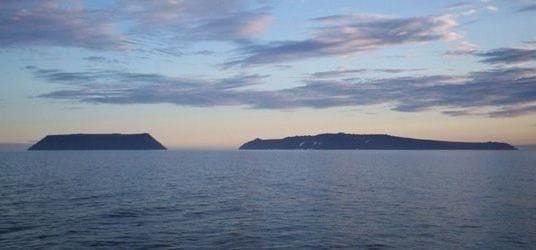
- Geographical Features: The strait is relatively shallow, with an average depth of 50 meters and includes several islands such as the Diomede Islands and St. Lawrence Islands.
- The two Diomede Islands are positioned in the center of the strait, with Big Diomede belonging to Russia and Little Diomede to the U.S.
- The International Date Line runs between these islands, resulting in different calendar days for the American and Russian sides.
- Overall, the Bering Strait serves as a significant geographical and political landmark, reflecting both cooperation and division between the U.S. and Russia.
GS2/International Relations
International Criminal Court (ICC)
Why in News?
The Trump administration has imposed sanctions on judges and prosecutors of the International Criminal Court (ICC) due to ongoing investigations related to Israeli leaders and past probes concerning U.S. officials.
Key Takeaways
- The ICC was established in 2002 under the Rome Statute and is headquartered in The Hague, Netherlands.
- It is the first permanent international court to prosecute individuals for serious crimes such as genocide, war crimes, and crimes against humanity.
Additional Details
- Core Jurisdiction:The ICC has jurisdiction over four main categories of crimes:
- Genocide
- Crimes against humanity
- War crimes
- Crime of aggression
- Membership: As of now, there are 124 States Parties to the ICC, while notable non-members include India, China, the USA, Russia, Israel, and Ukraine.
- Structure:The ICC consists of:
- Office of the Prosecutor - responsible for investigating and prosecuting cases.
- 18 Judges - elected for nine-year terms.
- Assembly of States Parties - governs the administration of the ICC.
- Trust Fund for Victims and a Detention Centre.
- Languages: The working languages of the ICC are English, French, Arabic, Chinese, Russian, and Spanish.
- Funding: The annual budget for 2025 is approximately €195 million, primarily sourced from member states.
Jurisdiction and Challenges
- Applicability: The ICC can prosecute crimes committed by nationals of member states on their territory or through UN Security Council referrals, which may extend its jurisdiction to non-member states like Libya and Sudan.
- Obligations on States: Member states are required to execute ICC arrest warrants and cooperate fully. Non-compliance can be reported to the UN Security Council.
- Challenges:The ICC faces significant hurdles, including:
- Lack of an independent enforcement mechanism.
- Non-members such as the USA and Russia are not obligated to cooperate.
- Political and diplomatic barriers that obstruct the enforcement of warrants.
- Special Mechanisms: In 2016, the ICC established an Arrest Working Group to improve warrant enforcement through enhanced intelligence-sharing.
- The ICC continues to play a crucial role in the international legal framework concerning serious crimes, despite facing various challenges.
GS2/International Relations
UN Conference on Landlocked Developing Countries
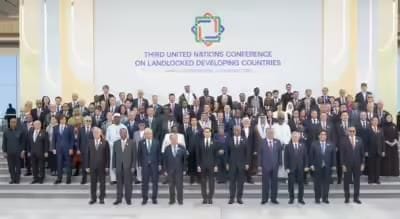
Why in News?
The third United Nations Conference on Landlocked Developing Countries (LLDC3) recently commenced in Awaza, Turkmenistan, highlighting the unique challenges faced by the 32 landlocked developing nations, which together are home to over 600 million individuals.
Key Takeaways
- LLDC3 is held once every ten years and aims to draw global attention to the issues confronting landlocked developing countries.
- The conference focuses on creating partnerships and frameworks that enhance trade, investment, and infrastructure development.
Additional Details
- Awaza Programme of Action (2024-2034): This initiative serves as a central theme for LLDC3, having been adopted by consensus at the UN General Assembly on December 24, 2024. It provides a comprehensive strategy to address ongoing developmental hurdles faced by LLDCs.
- The APoA emphasizes five interconnected priority areas:
- Structural Transformation, and Science, Technology, and Innovation
- Trade, Trade Facilitation, and Regional Integration
- Transit, Transport, and Connectivity
- Enhancing Adaptive Capacity, Strengthening Resilience, and Reducing Vulnerability
- Implementation, Follow-up, and Monitoring
- This year's conference, themed "Driving Progress through Partnerships," aims to mobilize investments, tackle structural challenges, and implement the newly adopted Awaza Programme of Action to foster development in LLDCs.
GS2/International Relations
Sahel Region and Russia's Influence
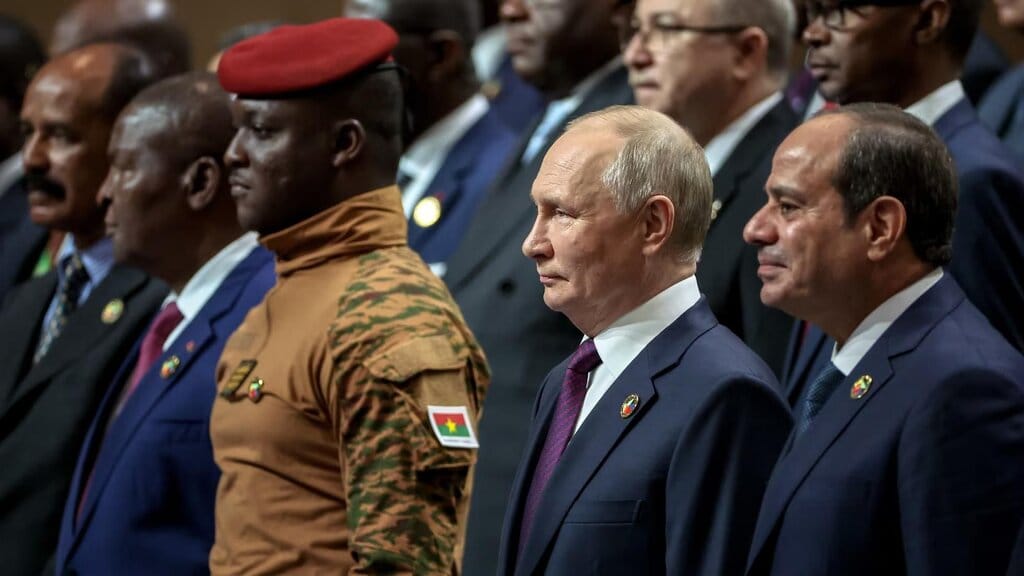
Why in News?
Recently, Russia has strengthened its presence in the Sahel region of West Africa by signing a significant nuclear agreement with Niger. This move highlights the geopolitical interests of Russia in this strategically important area.
Key Takeaways
- The Sahel is a semi-arid region situated in western and north-central Africa.
- It spans approximately 5,000 kilometers, extending from Africa's Atlantic Coast to the Red Sea.
- The region serves as a transitional zone between the arid Sahara desert to the north and the humid savannas to the south.
- Countries within the Sahel include Senegal, Mauritania, Mali, Burkina Faso, Niger, Nigeria, Chad, Sudan, and Eritrea.
Additional Details
- Vegetation:The Sahel is characterized by a semi-arid steppe ecosystem, primarily featuring dry grasslands. The vegetation is predominantly of the savanna type, with limited continuous cover, consisting of:
- Low-growing grasses
- Thorny shrubs
- Scattered acacia and baobab trees
- Challenges: Since gaining independence in the 1960s, the Sahel has faced challenges such as:
- Violent extremism linked to weak governance and economic decline
- Adverse effects of climate change exacerbating living conditions
- The Sahel serves as a crucial transit hub for migrants traveling from sub-Saharan Africa towards northern coastal states and further into Europe.
GS2/International Relations
Africa is Challenging China's Mining Hegemony
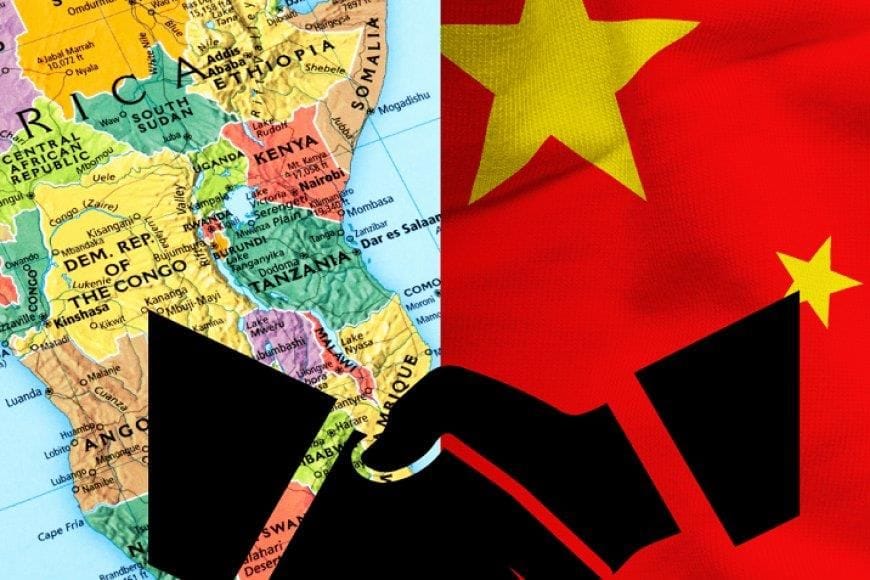
Why in News?
For the past two decades, China has dominated Africa's mining sector, acquiring significant stakes in minerals such as cobalt, lithium, copper, and iron ore. However, African governments and civil society are now contesting issues surrounding opaque contracts, environmental degradation, and a lack of value addition, signaling a shift from the traditional "raw resources for infrastructure" model to a demand for local processing, transparency, and economic sovereignty.
Key Takeaways
- China's dominance in African mining is facing challenges for the first time in decades.
- Nations like the DRC, Namibia, and Zimbabwe are renegotiating deals and enforcing environmental standards.
Additional Details
- Significance: In 2024, the DRC lost $132 million due to tax exemptions for Chinese companies, highlighting the financial impact of these shifts.
- Control over Critical Minerals: The DRC produces 80% of the world's cobalt, with China controlling around 80% of that output through agreements like Sicomines.
- Infrastructure-for-Resources Model: Chinese firms have historically exchanged infrastructure development for mining rights, often yielding minimal local benefits.
As African nations assert their rights, the landscape of global supply chains for cobalt and lithium essential to the green economy could be significantly reshaped.
Drivers of the Pushback Against Chinese Projects
- Civil Society Pressure: Activist groups such as Congo Is Not for Sale have highlighted significant revenue losses.
- Market-Linked Risks: Contracts tied to commodity prices may leave nations vulnerable during downturns.
- Government Renegotiations: The DRC has increased its stake in joint ventures, such as with Sinohydro and China Railway Group.
African Nations Taking Assertive Measures
- DRC: Cancelled the sale of Chemaf Resources to China's Norin Mining after pushback from the state miner Gecamines.
- Namibia: Allegations of a $50 million bribe by Xinfeng Investments and failure to deliver promised processing facilities.
- Huayou Cobalt Lithium Plant: A $300 million investment that may benefit China without adequate local safeguards.
Environmental and Social Concerns from Chinese Mining
- Pollution Incidents: An acid spill in Zambia contaminated the Kafue River.
- Biodiversity Protection: The coal permit in Hwange National Park was blocked for ecological reasons.
- Community and Heritage Impacts: The Lobé-Kribi Iron Ore Project in Cameroon faced opposition from NGOs due to health and cultural threats.
Policy Shifts for Economic Sovereignty
- Export Bans: Zimbabwe (2022) and Namibia (2023) have banned unprocessed lithium exports to encourage local beneficiation.
- Retention of Value: Policies aim to bolster domestic processing, although risks of elite capture persist without broader reforms.
- While China remains Africa's largest mining partner, the continent is increasingly asserting control through renegotiations, environmental enforcement, and local value addition. If these trends continue, Africa may transition from being a mere supplier of raw materials to a significant player in global supply chains for the green economy.
China's Role in Mining in Africa (2000-2024)
- Scale of Presence: China is the largest external mining partner, operating in over 15 African countries.
- Dominance in Cobalt & Lithium: China controls about 80% of DRC's cobalt output and holds substantial stakes in lithium mines in Zimbabwe and Namibia.
- Investment Model: Infrastructure-for-resources deals, such as the Sicomines agreement in DRC, involve trading mining rights for infrastructure development.
Strategic Objectives
- Securing Supply for EV & Battery Industries: Critical minerals are directed towards Chinese manufacturing hubs.
- Vertical Integration: Ownership spans from extraction to processing facilities, primarily located in China.
Criticism & Concerns
- Limited Local Benefits: There is minimal skills transfer and inadequate job creation for local populations.
- Environmental Damage: Incidents, such as the acid spill in Zambia, raise significant ecological concerns.
- Opaque Contracts: Alleged bribery and a lack of transparency in revenue flows have been major points of contention.
Shifts & Resistance
- Renegotiations and Policy Pushback: The DRC is increasing its stakes in ventures, and export bans are being implemented in Zimbabwe and Namibia.
- Activist Coalitions: Groups are exposing revenue losses and advocating for fairer contracts.
Critical Minerals Geopolitics
- Strategic Importance: Minerals like cobalt, lithium, and copper are crucial for EV batteries, renewable energy storage, and electronics manufacturing.
- Global Competition: Control over supply chains influences technological dominance in the clean energy transition.
- China's Leverage: With significant control over cobalt and lithium reserves, China holds a strategic advantage over competitors such as the US, EU, and Japan.
Resource Nationalism
- Definition: A policy approach where nations assert control over natural resources to maximize domestic benefits and minimize foreign dependency.
- African Examples: Zimbabwe and Namibia's bans on unprocessed lithium exports; DRC's efforts to renegotiate mining contracts for greater state ownership.
- Implications: Could enhance domestic processing industries but might deter foreign investment if not aligned with stable policy frameworks.
Conclusion
Africa's policy shifts in mineral governance could significantly alter global supply chains for critical minerals, positioning the continent as a key player in the ongoing transition to a green economy.
GS2/International Relations
India Redefines Engagement with Africa in Namibia
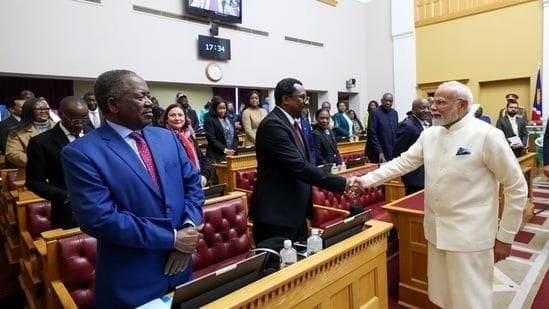
Why in News?
Prime Minister Narendra Modi's address to Namibia's National Assembly in July highlighted a culturally rooted approach to diplomacy, demonstrating a shift from traditional Western methods of engagement with African nations.
Key Takeaways
- Modi's visit emphasizes a culturally sensitive diplomatic style, contrasting with Western conditional aid approaches.
- India's three-step logic in engaging Namibia includes shared history, ongoing cooperation, and future collaboration.
- Namibia's political stability and resources make it a strategic partner for India.
- Modi's visit resulted in agreements on entrepreneurship, health, and Namibia's accession to international coalitions, though more could be achieved.
Additional Details
- Shared History: India recalls its support for Namibia's liberation struggle, reinforcing its image as a long-term partner.
- Current Cooperation: Ongoing trade is modest at $800 million but is backed by a $12 billion Africa-wide development partnership.
- Future Road Map: India's strategy includes knowledge-based cooperation, exemplified by Namibia adopting India's Unified Payments Interface (UPI).
- Modi's visit, while symbolically important, yielded modest outcomes including two MoUs and participation in global coalitions.
- Discussions on critical minerals, essential for India's low-carbon supply chains, did not result in concrete agreements.
- India's diplomatic approach fosters trust through inclusive dialogue and respect for African priorities, distinguishing it from Western transactional methods.
Conclusion
While India's engagement with Namibia presents a promising model of trust-based diplomacy, its credibility will hinge on consistent follow-through, strategic investment, and sustained commitment to partnerships.
GS2/International Relations
The Maldives: A Brief History of the Nation and Its Ties with India
Why in News?
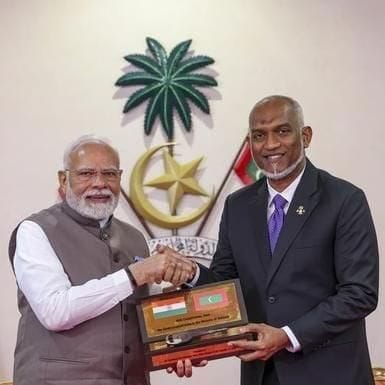
Recently, Prime Minister Narendra Modi's two-day state visit to the Maldives in July 2025 marked a significant reset in bilateral ties after months of strain following the election of President Mohamed Muizzu, who had earlier run on an 'India Out' platform.
Key Takeaways
- Reset of India-Maldives ties following President Muizzu's election.
- India's response to military personnel withdrawal demands.
- Economic cooperation through debt relief and budgetary support.
- Strengthening diplomatic engagements and institutional mechanisms.
Additional Details
- Troop Withdrawal & Civilian Substitution: President Muizzu requested the removal of Indian military personnel, citing sovereignty concerns. India replaced them with civilian technical staff.
- High-Level Diplomatic Engagements: Muizzu's visit to New Delhi in October 2024 indicated a willingness for dialogue. Prime Minister Modi reciprocated with a visit to Male in July 2025, marking the first by a foreign Head of State under Muizzu.
- Economic Support & Debt Relief: India provided substantial budgetary support, including a ₹4,850 crore line of credit and a 40% debt repayment reduction for 2025.
- Softening of Rhetoric: President Muizzu acknowledged historical ties with India, marking a shift from his campaign's earlier tone.
- Launch of Institutional Mechanisms: Announcement of the India-Maldives Parliamentary Friendship Group and discussions on a Free Trade Agreement (FTA).
India's Role in Maldives' Security
- Military Intervention in Crisis: In 1988, India launched Operation Cactus to thwart a coup attempt, securing the capital and its leadership.
- Bilateral Defence Cooperation: The DOSTI maritime exercise, initiated in 1991, enhances Coast Guard coordination.
- Strategic Presence: India maintains a defensive presence (now civilian) and has supported Maldives in establishing surveillance capabilities.
- Humanitarian Assistance: India provided crucial aid during natural disasters, including support after the 2004 Indian Ocean tsunami.
- Regional Security Engagements: Maldives is a vital member of the Colombo Security Conclave, emphasizing counter-terrorism and maritime security.
Importance of the Maldives for India
- Strategic Location: The Maldives is situated along key international shipping lanes, crucial for India's maritime security and energy supply routes, with over 80% of India's energy imports passing near the archipelago.
- Countering China's Influence: China's investments and debt diplomacy in the Maldives pose a challenge to regional balance, exemplified by the Sinamale Bridge built with Chinese funding.
- Regional Stability: Maldives' collaboration is essential for coordinated efforts in anti-terrorism and anti-piracy operations.
- Moving forward, it is vital to strengthen people-to-people connections and institutional dialogue between India and the Maldives.
- This includes promoting educational, cultural, and tourism exchanges while enhancing sustainable development partnerships to counter external influences through shared values and mutual respect.
GS2/International Relations
India-U.S. Ties Face Strategic Strain
Why in News?
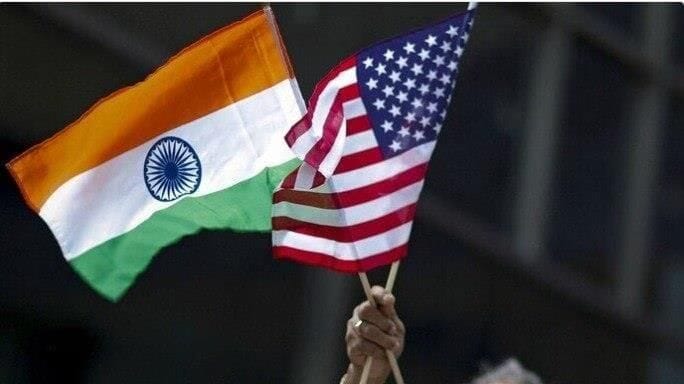
The India-U.S. relationship, once celebrated as a hallmark of 21st-century diplomacy, is currently experiencing significant challenges. Despite assertions from the U.S. administration that the partnership remains robust and prioritized-highlighting ongoing cooperation in various sectors-the situation has raised concerns that the underlying tensions may stem from deeper, more structural issues rather than merely temporary political shifts under President Trump.
Key Takeaways
- Recent tensions indicate potential structural issues in India-U.S. relations.
- Trump's aggressive trade measures and tariffs have heightened India's concerns.
- India's assertive foreign policy is causing friction with U.S. expectations.
Additional Details
- Trade Tensions: President Trump initiated a 25% tariff increase and imposed penalties on India's trade with Russia, effective from August 1. This aggressive stance reflects a broader ideological divide between the two nations.
- Geopolitical Concerns: India's increasing assertiveness on the global stage contrasts with U.S. discomfort regarding the power projection of its allies, potentially complicating bilateral dynamics.
- Strategic Autonomy: India's "India First" policy emphasizes maintaining strategic autonomy, which includes military responses to terrorism, causing unease in Washington, especially concerning nuclear escalation risks.
- Protectionist policies in India aimed at boosting domestic manufacturing have led to economic strain, with the U.S. frustrated by limited market access.
- As the geopolitical landscape evolves, India is urged to reassess its diplomatic strategy towards the U.S. to navigate the complexities of this critical partnership.
- The challenge lies in maintaining strategic autonomy while managing U.S. pressures, rebuilding access to key advisors in the Trump administration, and repairing the trust that has been affected by recent diplomatic strains.
GS2/International Relations
Behind US-China Trade Truce
Why in News?
US President Donald Trump has decided to extend the existing trade truce with China until November 10, 2025. This extension delays the implementation of a 145% tariff on Chinese goods, maintaining it at 30% as ordered previously. This pause comes after China's counteractions, which initially included imposing a 125% tariff on US imports (later reduced to 10%) and restricting exports of rare-earth metals crucial to US industries such as automotive, aerospace, defense, and semiconductors.
Key Takeaways
- The trade truce prevents a significant tariff hike on both sides, with the US maintaining a 30% tariff and China a 10% duty.
- China's agricultural imports from the US have sharply declined, falling from $13.1 billion in January-June 2024 to $6.4 billion in the same period of 2025.
Additional Details
- Objectives of the Extension: The White House states that the delay aims to address trade imbalances, unfair trade practices, and national security issues. The US reported a trade deficit of $300 billion with China in 2024.
- The negotiations aim to enhance market access for US exporters, lift trade restrictions, and stabilize the global semiconductor supply chain.
- China's reduction in agricultural imports from the US includes significant drops in soybeans and other key agricultural products, impacting American farmers.
- India has become an emerging market for US agricultural exports, with bilateral trade expected to exceed $10 billion this year, as US exports to India surged while exports to China plummeted.
- This trade truce reflects ongoing complexities in US-China relations, with both sides navigating economic pressures and strategic interests. The current situation underscores the shifting dynamics in global trade and the importance of agricultural exports in the broader context of international relations.
FAQs on International Relations: August 2025 UPSC Current Affairs
| 1. What was the significance of the Intermediate-Range Nuclear Forces (INF) Treaty? |  |
| 2. How has China's military development affected regional security dynamics, particularly in relation to India? | |
| 3. What are the key aspects of India’s engagement with African nations, particularly in the context of Namibia? | |
| 4. What geographical and strategic significance does the Bering Strait hold? | |
| 5. How do recent developments in global diplomacy, such as the UK’s shift on Palestine, influence international relations? | |




