UPSC Daily Current Affairs: 2025-12-09


GS2/International Relations
The Real Story of the India-Russia Summit
 Why in News?
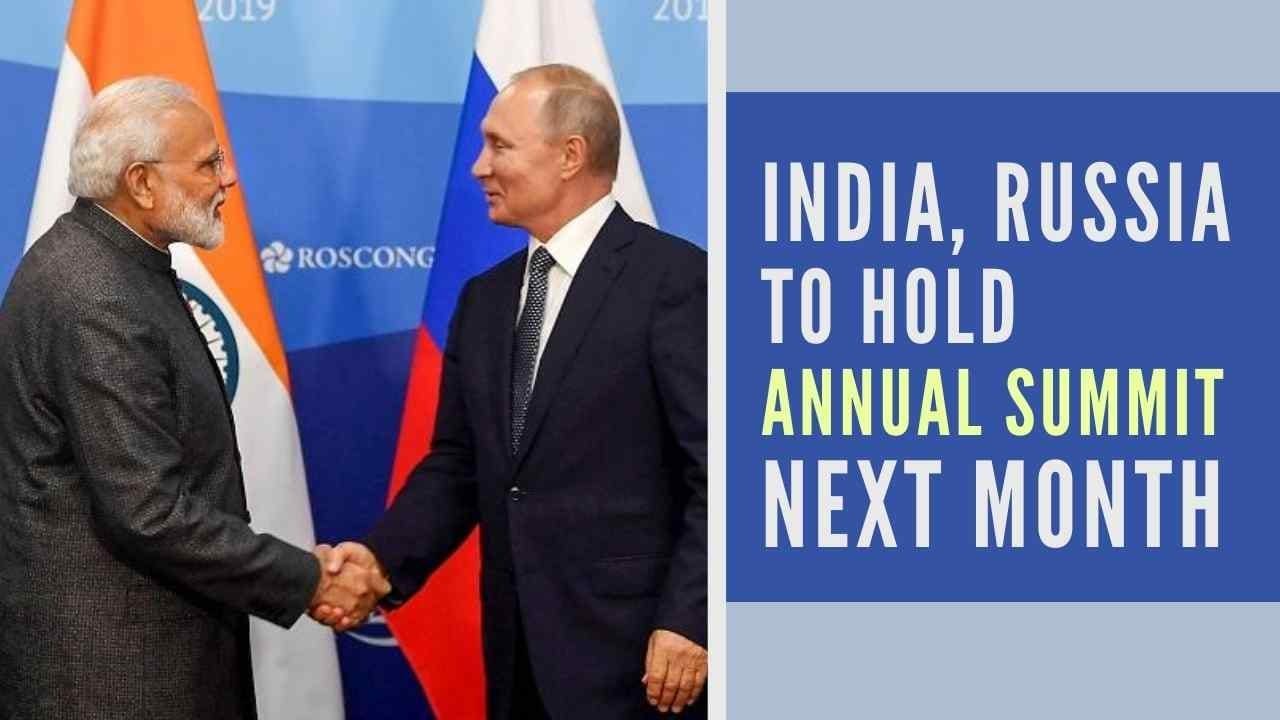
The 23rd India-Russia Summit held in New Delhi has brought to light the intricate geopolitical landscape that India must navigate, particularly in the context of the ongoing Ukraine war, which has strained relations between India's key allies-Russia on one side and the US and Europe on the other. This situation presents a diplomatic challenge for New Delhi as it strives to maintain strategic autonomy while balancing its relationships with both sides.
Key Takeaways
- India's strategic autonomy allows it to navigate complex international relationships.
- The summit reaffirmed the importance of India-Russia ties amidst global polarization.
- India aims to enhance economic cooperation with Russia through Programme 2030.
- Energy security remains a critical aspect of the partnership between India and Russia.
Additional Details
- Strategic Optics: The summit featured a warm welcome for President Vladimir Putin, signaling India's confidence in its long-standing partnership with Russia at a time when global relations are under strain.
- Programme 2030:This initiative aims to deepen economic cooperation, with goals including:
- Facilitating trade in national currencies
- Removing non-tariff barriers
- Diversifying the trade basket
- Boosting investments in non-energy sectors
- Energy Security: As the second-largest fossil fuel importer, India views affordable energy as a national security priority. Strengthening ties with Russia, which has vast energy reserves, is essential for India's energy future.
- Emerging Strategic Sectors: India and Russia are collaborating on maritime connectivity and Arctic cooperation, alongside agreements to facilitate the movement of skilled Indian workers to Russia, addressing labor shortages in certain sectors.
- Traditional Strengths: India-Russia cooperation in defense, space, and nuclear energy continues to be vital, with Russia providing crucial technology and support.
In conclusion, the India-Russia Summit represents not just a formal meeting but a strategic recalibration of ties aimed at adapting to evolving global dynamics. India is positioning itself as a balanced partner capable of maintaining relations with both Russia and the West, emphasizing the necessity for direct engagement in resolving global conflicts like the one in Ukraine.
GS1/History & Culture
150 Years of Vande Mataram
Why in News?
The Parliament of India recently held a special discussion commemorating the 150th anniversary of Vande Mataram, a song intricately linked to India's freedom movement. The session, initiated by Prime Minister Narendra Modi, sparked renewed political debates surrounding the song's origins, symbolism, and the historical decisions made by national leaders regarding its use. Originally a patriotic hymn from Bankimchandra Chattopadhyay's novel, Anandamath, Vande Mataram evolved into a nationalist rallying cry, though its later stanzas raised concerns, leading the Congress in 1937 to officially adopt only the first two. In the Constituent Assembly, it was granted "equal honour and status" alongside the National Anthem.
Key Takeaways
- Origins: Vande Mataram was composed by Bankimchandra Chattopadhyay around 1875 and gained prominence in 1881.
- National Anthem Status: In 1950, it was recognized alongside Jana Gana Mana as a national symbol without conflict.
- Political Significance: The song became crucial in the Swadeshi and Anti-Partition movements, energizing mass resistance.
Additional Details
- Literary Context: The novel Anandamath depicts the Santanas, ascetic warriors devoted to liberating the motherland, represented as Bharat Mata rather than a religious figure.
- Symbolism of the Three Mothers:The three forms of the Mother symbolize India's past, present, and future:
- The Mother That Was: Powerful and magnificent.
- The Mother That Is: Weakened and suffering.
- The Mother That Will Be: Rejuvenated and triumphant.
- The song's inclusive appeal was evident during a historic 1906 march in Barisal, where over 10,000 Hindus and Muslims united under the slogan.
- Key figures like Rabindranath Tagore and Sri Aurobindo played significant roles in popularizing Vande Mataram, framing it as a spiritual and political call for self-rule.
- The British authorities attempted to suppress the song due to its mobilizing power, resulting in fines and police actions against those who chanted it.
The recognition of Vande Mataram as a national symbol reflects its historical significance in India's struggle for independence, balancing inclusivity with a reverence for its role in unifying diverse communities against colonial rule.
GS3/Science and Technology
Neurotechnology - Opportunities, Challenges and Global Context
Why in News?
A recent report highlights the rise of neurotechnology, particularly Brain-Computer Interfaces (BCIs), as a significant frontier in technological advancement.
Key Takeaways
- Neurotechnology is at the intersection of neuroscience, artificial intelligence, engineering, and computing.
- BCIs can decode neural signals to control devices like prosthetics and computers.
- India has a growing need for neurotechnology due to an increasing burden of neurological disorders.
Additional Details
- Neurotechnology:This field encompasses engineered tools that can record, monitor, or influence neural activity, evolving into two main areas:
- Diagnostic and Neuroscience Research Tools: These devices map brain activity to study neurological disorders and cognitive functions.
- Therapeutic and Assistive Technologies: These systems help paralyzed patients move prosthetics and stimulate brain circuits for conditions like Parkinson's disease, depression, and epilepsy.
- Significance for India: With millions affected by neurological conditions, BCIs can transform treatment methods and potentially reduce reliance on medication.
- Emerging Strengths: Institutions like IIT Kanpur and the National Brain Research Centre are making significant contributions, and startups are exploring innovative applications of neurotechnology.
- Global Developments: Initiatives in the US (BRAIN Initiative), China (China Brain Project), and Europe (neuro-rights legislation) highlight the need for India to establish its technological and ethical frameworks.
- Regulatory Challenges: Risks associated with neurotechnology include privacy violations and inequitable access, necessitating robust ethical guidelines and regulations.
Overall, the advancement of neurotechnology presents both opportunities and challenges for India, necessitating a strategic approach to harness its potential while addressing ethical concerns.
GS2/Governance
NTA Fails to Inspire Confidence, Says House Committee
 Why in News?
A Parliamentary Standing Committee has sharply criticised the National Testing Agency (NTA), stating that it "has not inspired much confidence" and must urgently improve its functioning. The panel highlighted repeated delays in exam results, particularly the CUET, and noted that despite amassing a surplus of ₹448 crore over six years, the NTA has not developed sufficient in-house capacity to independently conduct tests.
Key Takeaways
- The NTA faces criticism for delays and administrative issues in major national exams.
- Despite a financial surplus, the NTA has not built adequate operational capabilities.
- The committee recommends strengthening the NTA's systems and accountability mechanisms.
Additional Details
- About National Testing Agency (NTA): Established in 2017 as an autonomous organization under the Education Ministry, NTA is responsible for conducting major entrance examinations in India, including JEE Main, NEET-UG, and CUET-UG.
- Exams Conducted by NTA:Major entrance exams include:
- JEE Main - for engineering admissions
- NEET-UG - for medical admissions
- CUET-UG - for admissions to undergraduate programmes in central universities
- The committee observed chronic delays, errors, and administrative lapses, notably in the CUET, disrupting university admissions.
- Financial Surplus Usage: NTA collected ₹3,512.98 crore and spent ₹3,064.77 crore, leaving a surplus. The committee recommends using this surplus to build in-house capabilities and improve regulatory oversight of outsourced vendors.
- Preference for Pen-and-Paper Exams: The committee expressed support for traditional pen-and-paper exams, citing their historical reliability compared to potentially vulnerable computer-based tests.
- The committee also encouraged evaluating innovative educational models, like Sonam Wangchuk's Himalayan Institute of Alternatives.
The committee has urged the NTA to improve its operational efficiency and restore confidence in its examination processes to ensure timely and reliable results for students.
GS2/Polity
Democracy's Paradox: The Chosen People of the State
Why in News?
The question of citizenship in India has become a focal point in the ongoing discourse surrounding democratic governance. The legitimacy of documents such as the Indian passport and electoral rolls as proof of citizenship is under scrutiny, particularly in light of recent debates concerning the Election Commission of India's (ECI) Special Intensive Revision (SIR) of electoral rolls.
Key Takeaways
- Citizenship proof in India is contested, with no single definitive document available.
- The ECI's role in verifying citizenship amidst legal disputes highlights the tension between state authority and individual rights.
- The burden of proof for citizenship verification disproportionately rests on individuals.
Additional Details
- Legal Dispute: The ECI lacks the legal authority to determine citizenship, a power reserved for the Union Ministry of Home Affairs (MHA). No law allows for a nationwide SIR, emphasizing that voter roll revisions should be selective.
- Master Document: India does not possess a singular document that serves as definitive proof of citizenship. The Citizenship Act, 1955, and the Citizenship Rules, 2003, aim to create a National Register of Citizens (NRC) and National Identity Cards, yet these frameworks remain incomplete.
- Administrative Paradox: The state controls citizenship definitions, despite being legitimized by the people. Local bureaucrats often determine citizenship status, creating a conflict between administrative authority and democratic principles.
- Assam Case Study: Assam has completed a draft NRC, marking 19 lakh individuals as doubtful citizens based on inadequate documentation, revealing the complexities and significant human impacts of citizenship verification processes.
The ongoing debates on citizenship verification in India illustrate the intricate balance between law, politics, and philosophy. While it is crucial to maintain accurate electoral rolls, the methods employed to verify citizenship must ensure fairness, transparency, and uphold democratic values. The pressing question remains: how can a democratic state effectively verify its citizenry without compromising the foundational principle that the people are the ultimate authority?
GS3/Science and Technology
Reimagining India's STEM Ecosystem from the Roots
Why in News?
A recent government initiative aims to revise guidelines for doctoral degrees to align PhD research topics with "emerging needs and national priorities." While ensuring relevance and accountability in public spending on research is crucial, an overemphasis on immediate applicability may undermine India's long-term potential in STEM (Science, Technology, Engineering, and Mathematics). This ongoing debate is vital for India's aspiration to become a knowledge economy and innovation hub.
Key Takeaways
- India cannot achieve its STEM potential by focusing solely on short-term, application-oriented research.
- Support for basic research and humane research conditions is essential for a robust STEM ecosystem.
- Basic research often precedes applied breakthroughs by decades, highlighting the need for a balanced approach.
Additional Details
- Basic vs Applied Research: A false dichotomy exists where basic research is seen as less valuable. For instance, Nobel Prize-winning work from the 1980s enabled quantum computing, showcasing how foundational research can lead to future applications.
- Limits of Targeted Research: India currently funds applied research in areas like renewable energy and healthcare. However, focusing only on "obvious" areas can be shortsighted. True innovation requires support for interdisciplinary and exploratory research, even without immediate outputs.
- PhD Ecosystem Challenges: Issues such as irregular fellowships and inadequate stipends hinder research productivity. Many non-NET PhD scholars receive stipends below minimum wage, pushing them into excessive teaching or temporary jobs.
- Industry-Academia Linkages: Collaborative research between industry and academia is limited, particularly outside elite institutions. Improving administrative efficiency and mentoring capacity is critical for scaling such collaborations.
- Marginalization of Humanities: A focus on STEM risks sidelining important disciplines like philosophy and sociology, which are essential for a comprehensive understanding of society.
In conclusion, India's ambitions in STEM cannot be realized through a narrow focus on immediate relevance or short-term goals. The real challenge lies in addressing foundational issues such as humane basic research and recognition of all knowledge domains. Establishing a solid foundation is necessary for fostering innovation, as neglecting these roots can hinder India's scientific and intellectual potential.
GS3/ Science and Technology
India International Science Festival (IISF), 2025
 Why in News?
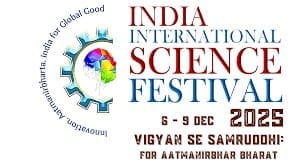
The 11th edition of the India International Science Festival (IISF) 2025 has begun in Panchkula, Haryana.
Theme of 2025 IISF: "Vigyan Se Samruddhi: for Aatmanirbhar Bharat"
- Organised By: Ministry of Earth Sciences (MoES), in coordination with Indian Institute of Tropical Meteorology (IITM), Pune.
IISF
- About: Launched in 2015, it has grown into one of India's leading platforms for scientific collaboration, innovation, outreach, and public engagement. Over the years, it has steadily expanded in scale and influence through diverse programmes, broader participation, and several landmark initiatives in each edition.
- Aim: To highlight India's growing position as a global science and technology leader, strengthen India's science culture, expand public engagement, and support national goals in research, innovation and talent development.
GS3/ Indian Economy
Crypto Transactions Surge in India
Why in News?
- Cryptocurrency transactions in India saw a significant increase, reaching Rs 51,180 crore in 2024-25, which is a 41% rise from the previous year.
- This surge is based on the Rs 511 crore collected as 1% Tax Deducted at Source (TDS), as reported by the Finance Ministry in the Rajya Sabha.
TDS on Cryptocurrency Transactions
- The Finance Act, 2022 imposed a 1% TDS on all transfers of Virtual Digital Assets (VDAs) under the Income Tax Act, 1961.
- This provision has been retained in the Income Tax Act, 2025, reflecting the government's stance on regulating cryptocurrency transactions.
Understanding Cryptocurrency
- Cryptocurrency is a form of digital currency that allows direct, peer-to-peer online payments without the need for a central authority.
- It operates as a digital medium of exchange built on a public digital ledger called blockchain, where transactions are verified using cryptographic techniques.
- Bitcoin, introduced in 2009, was the first decentralized cryptocurrency.
Cryptocurrency Trading
- Mining: New coins are created when miners solve complex mathematical problems and add blocks to the blockchain.
- Buying & Storing: Cryptocurrencies are purchased through exchanges and stored in wallets, which can be hot (online) or cold (offline).
- Payments: Cryptocurrencies facilitate fast and low-cost cross-border transactions.
- Investing: Cryptocurrencies are a highly volatile asset class with derivatives such as futures and options.
- Conversion: Cryptocurrencies can be easily converted to fiat currency, but this process is subject to taxation.
FAQs on UPSC Daily Current Affairs: 2025-12-09
| 1. What are the main outcomes of the recent India-Russia summit? |  |
| 2. How does the concept of "Vande Mataram" influence Indian nationalism? | |
| 3. What are the opportunities and challenges presented by neurotechnology? | |
| 4. What concerns did the House Committee raise regarding the NTA? | |
| 5. What is meant by the term "Democracy's Paradox"? | |




