Weekly Current Affairs (22nd December 2025 to 28th December 2025)


GS1/Geography
Tsunami Ready Recognition Programme
 Why in News?
India is set to enhance its preparedness for tsunamis by designating over 100 villages in the Indian Ocean region as tsunami-ready under the Tsunami Ready Recognition Programme.
Key Takeaways
- This initiative aims to foster resilient communities through awareness and preparedness strategies.
- The programme is developed by the Intergovernmental Oceanographic Commission (IOC) of UNESCO.
- Communities must meet 12 established indicators to earn the 'Tsunami Ready' certification.
- Recognition is renewable every four years, emphasizing ongoing preparedness and community involvement.
Additional Details
- Tsunami Ready Recognition Programme: An international initiative aimed at enhancing coastal community preparedness by implementing strategies that protect lives, livelihoods, and property from tsunamis.
- Aim: The primary goal is to improve preparedness for tsunamis through community awareness and the establishment of effective response mechanisms.
- Methodology: Communities aspiring to achieve this recognition must fulfill 12 indicators related to assessment, preparedness, and response efforts.
- Tsunami-ready villages: These are communities that demonstrate high levels of awareness regarding tsunami hazards, effective mapping, public evacuation displays, 24-hour warning systems, and regular participation in mock drills.
The Tsunami Ready Recognition Programme represents a significant step towards safeguarding coastal communities from the threats posed by tsunamis, ensuring that they are well-prepared and resilient in the face of natural disasters.
GS2/Governance
The Deliberate Unmaking of India's 'Right to Work'
Why in News?
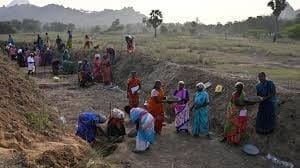
The recent transition from the Mahatma Gandhi National Rural Employment Guarantee Act (MGNREGA) to the Viksit Bharat-Guarantee for Rozgar and Ajeevika Mission (Gramin) Act, 2025 signifies a critical shift in India's welfare policies. This change marks a move away from a legally enforceable right to employment towards a more discretionary and centralized approach.
Key Takeaways
- The MGNREGA, enacted in 2005, provided a legally guaranteed employment framework for rural citizens.
- The new VB-G RAM G Act replaces this entitlement with a system based on administrative discretion, fundamentally altering the welfare landscape.
- This shift is characterized by a centralization of power and a significant change in the funding structure, which may jeopardize the viability of welfare programs.
Additional Details
- MGNREGA's Significance: MGNREGA was designed to address the failures of post-liberalization economic growth, which did not adequately provide employment or security for rural populations. It recognized employment as a legally enforceable right.
- Structural Changes: The VB-G RAM G Act reverses guaranteed employment, shifting to a supply-driven model that grants the Centre significant control over employment allocations, undermining federal balance.
- Ideological Impact: The repeal of MGNREGA represents a shift away from a rights-based welfare system towards discretionary governance, affecting the relationship between the state and vulnerable citizens.
- Democratic Implications: The legislative process for the new Act lacked transparency and community consultation, highlighting a decline in democratic accountability.
- The transition may have broader consequences for social justice and federalism, as it transforms welfare from a right to conditional assistance, weakening constitutional commitments to dignity through work.
The dismantling of MGNREGA marks the end of an ambitious experiment in rights-based welfare in India. This shift raises crucial questions regarding the future of social justice, federalism, and democratic accountability in the nation.
GS2/ Health
Invasive Mosquito Species Threatens India's 2030 Malaria Elimination Goa
Why is it News?
- According to the Malaria Elimination Technical Report, urban malaria has become a significant national issue, jeopardizing India's aim to eradicate this mosquito-borne disease by 2030.
Major Highlights
- Transmission Drivers: Asymptomatic infections, challenging terrains, and population movements are key factors in malaria transmission.
- Cross-Border Transmission: Malaria is also being transmitted across borders from Myanmar and Bangladesh, impacting northeastern India's border districts.
- Elimination Goals: India is not only aiming for malaria elimination but also setting an interim target of zero indigenous cases by 2027, in line with the World Health Organisation's global strategy.
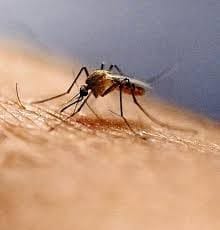
- Invasive Mosquito Threat: The Anopheles stephensi mosquito is identified as an invasive species that poses a threat due to its capacity to thrive in urban settings and breed in artificial containers like tanks and tires.
- Urban Transmission Factors: Factors such as container breeding, construction sites, informal settings, high population density, and fragmented healthcare delivery contribute to urban malaria transmission.
- High-Burden Areas: India is transitioning into the pre-elimination phase for malaria, where the disease is not spread uniformly. High-burden areas remain in districts of Odisha, Tripura, and Mizoram.
- Key Challenges: Challenges include inconsistent reporting from the private sector, limited capacity for studying mosquito populations, resistance to drugs and insecticides, operational gaps in remote tribal regions, and occasional shortages of diagnostic and treatment supplies.
- Recommendations: To address these challenges, it is recommended to strengthen surveillance systems, enhance vector monitoring, and improve the reliability of supply chains.
What is Malaria?
- Malaria is a severe illness caused by certain types of mosquitoes and is primarily found in tropical regions.
- It is triggered by a parasite called Plasmodium, which spreads through the bites of infected female Anopheles mosquitoes. Malaria can also be transmitted through blood transfusions and contaminated needles.
- There are five species of the Plasmodium parasite that can infect humans, but two of them, P. falciparum and P. vivax, are the most dangerous. The other species are P. malariae, P. ovale, and P. knowlesi.
- P. falciparum is the most lethal and is commonly found in Africa, while P. vivax is more prevalent in countries outside sub-Saharan Africa.
- Symptoms of malaria include fever, chills, headache, muscle pain, and fatigue, similar to flu-like symptoms.
- Vaccines like RTS,S and R21 have been developed to combat P. falciparum, the deadliest malaria parasite. These vaccines are safe, effective, and approved by the World Health Organization (WHO).
Burden of Malaria (According to WHO)
- India has significantly reduced its malaria cases by 69% from 6.4 million in 2017 to 2 million in 2023.
- In 2023, India accounted for half of all estimated malaria cases in the WHO South-East Asia Region, with Indonesia following at just under one-third of the cases.
- The WHO South-East Asia Region had eight malaria-endemic countries in 2023, contributing to 4 million cases and 1.5% of the global malaria burden.
- Countries like Bhutan and Timor-Leste reported zero malaria deaths since 2013 and 2015, respectively, while Sri Lanka was declared malaria-free in 2016.
Initiatives by the Indian Government to Control Malaria:
- The Indian government has set a target to eliminate malaria by 2027.
- A National Framework for Malaria Elimination (NFME) was launched in 2016, aligning with the Global Technical Strategy for malaria elimination from 2016 to 2030.
- The Malaria Elimination Research Alliance-India (MERA-India) was established by the Indian Council of Medical Research (ICMR) to coordinate partners working on malaria control.
GS3/Economy
What is the Exclusive Economic Zone (EEZ)?
Why in News?
Fisher-folk have recently urged the Centre to include their representatives in policymaking bodies. They believe that their practical expertise is essential to achieve responsible fishing within the Exclusive Economic Zone (EEZ).
Key Takeaways
- An EEZ extends up to 200 nautical miles (230 miles) beyond a nation's territorial sea.
- Coastal nations have exclusive rights to explore and manage resources within their EEZ.
- The concept of EEZ was established by the 1982 United Nations Convention on the Law of the Sea (UNCLOS).
Additional Details
- Jurisdiction: Within the EEZ, a coastal nation has sovereign rights for exploring, exploiting, conserving, and managing natural resources.
- Countries can establish and use artificial islands, conduct marine scientific research, and protect the marine environment under their EEZ.
- UNCLOS allows coastal states to set fishing quotas in their EEZ, promoting sustainable management.
- Coastal nations can fish the entire quota or allocate surplus fishing rights to other countries.
- Regular exchange of information about marine resources is encouraged to foster international scientific cooperation.
- EEZs also define responsibilities for removing marine hazards, including space debris.
- Other states have rights to navigate through the EEZ and lay cables and pipelines, but the coastal state retains regulatory authority.
In summary, the EEZ plays a crucial role in the management of ocean resources and environmental protection, while also allowing for international navigation and cooperation.
What is the Territorial Sea?
The territorial sea, as defined by UNCLOS, is the area of the sea immediately adjacent to a country's shores, subject to its territorial jurisdiction. It extends up to 12 nautical miles from the baseline of a country's coast.
Importance of Territorial Waters
- Countries exercise full sovereignty over the airspace above their territorial sea and the seabed below.
- Governments can legislate on navigation safety, environmental preservation, and pollution control within their territorial waters.
- Resource use within the territorial sea is exclusively reserved for the coastal nation.
- All countries have the right of innocent passage through another country's territorial sea, but there is no equivalent right for airspace.
The concept of territorial waters is vital for maintaining national security and managing marine resources effectively.
GS3/Environment
Kanger Valley National Park
 Why in News?
The Chhattisgarh government is intensifying its efforts to secure the prestigious status of a UNESCO World Heritage Site for Kanger Valley National Park, located in the Bastar region of the state.
Key Takeaways
- Kanger Valley National Park is named after the Kanger River, which flows through the area.
- The park features diverse topography, including low flatlands, steep inclines, and deep gorges.
- It is home to significant waterfalls, caves, and a rich variety of flora and fauna.
Additional Details
- Kanger River: This river flows through the park from the northwest to southeast and is a tributary of the Kolab River, which ultimately feeds into the Godavari River.
- Topography: The park's landscape consists of flatlands, gentle slopes, plateaus, and winding stream courses, making it ecologically diverse.
- Flora: The area is characterized by a mix of moist deciduous forests, predominantly featuring species such as Sal, teak, and bamboo.
- Fauna: The park is home to various wildlife, including tigers, leopards, deer species (like chital and sambar), and primates, such as langurs and rhesus macaques.
- Aerial Fauna: Bird species in the park include the common hill myna, red jungle fowl, and several types of owls and drongos.
The proposal for UNESCO World Heritage Site status underscores the importance of Kanger Valley National Park as a site of ecological and cultural significance, aiming to preserve its unique biodiversity and natural beauty.
GS3/Environment
Coringa Wildlife Sanctuary
 Why in News?
The 40th Asian Waterbird Census and the 60th International Waterbird Census will take place to assess the diverse bird species at Coringa Wildlife Sanctuary and its surrounding wetlands.
Key Takeaways
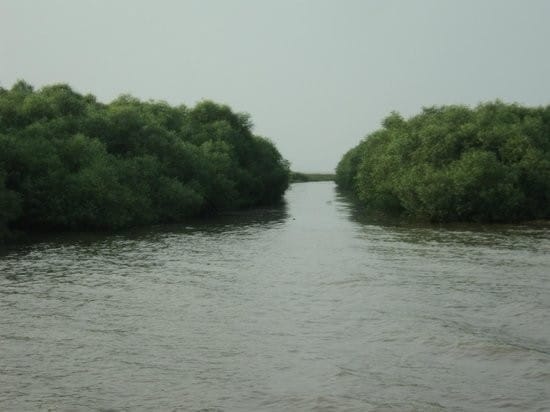
- Coringa Wildlife Sanctuary is situated in Andhra Pradesh at the Godavari estuary where the Coringa river meets the Bay of Bengal.
- The sanctuary features extensive mangrove forests, which are the second-largest in India.
- It serves as a habitat for various endangered mammals and numerous bird species.
Additional Details
- Location: The sanctuary is located where the Coringa river merges with the Bay of Bengal in Andhra Pradesh.
- Vegetation: The area is characterized by extensive mangrove and dry deciduous tropical forests.
- Flora: The sanctuary is home to various mangrove species such as Rhizophora spp, Avicennia spp, and Sonnertia spp.
- Fauna: It shelters endangered mammals like the Smooth Indian otter, Fishing cat, and Jackal. The mangroves also provide excellent habitats for birds, including Black capped kingfisher, Brahminy kite, Sea gulls, Reef heron, and Sand piper.
- The coastal region of the sanctuary is a critical breeding area for Olive ridley turtles.
The Asian Waterbird Census is a significant citizen-science initiative aimed at promoting the conservation and management of wetlands and waterbirds globally. Conducted annually, it is part of the global International Waterbird Census (IWC). Initiated in 1987 within the Indian subcontinent, the program has rapidly expanded to cover major regions in Asia, reaching from Afghanistan to Japan, Southeast Asia, and Australasia. In India, it is organized under the auspices of the Bombay Natural History Society (BNHS) and the Wildlife Institute of India (WII) in early January.
GS2/Governance
Right to Disconnect: Drawing the Line After Work
 Why in News?
The introduction of the Right to Disconnect Bill as a private member's bill is a pivotal development in Indian labour law, especially in light of the recent consolidation of labour regulations through the four labour codes. These codes manage aspects like working hours, overtime, and employer control, primarily tailored for physical workplaces. The Bill aims to address the modern reality of digital work, where technology has blurred the lines between professional and personal life.
Key Takeaways
- The Bill allows employees to refrain from responding to work-related communications beyond prescribed working hours.
- It lacks a clear definition of "work" in the digital economy, leading to ambiguity about after-hours digital engagement.
- Comparative perspectives from the EU and countries like France and Germany illustrate more robust frameworks for employer control over working time.
- The Bill raises constitutional questions related to Article 21 of the Indian Constitution, which protects the right to life and personal liberty.
Additional Details
- Definitional Gaps: The Bill does not define what constitutes work in the context of digital engagement, leaving significant uncertainties about employees' rights regarding after-hours communications.
- Comparative Perspectives: In the EU, judicial interpretations have evolved to include employer control over time, treating periods of availability as part of working time, unlike India's current framework.
- Scope and Enforceability: The ambiguity in the Bill regarding whether the right to disconnect is a mandatory labour standard or a negotiable contractual term may lead to uneven application across sectors.
- Constitutional Dimensions: The relationship between the right to disconnect and Article 21 raises questions about the Bill's foundation in personal autonomy and mental well-being.
In conclusion, while the Right to Disconnect Bill acknowledges the complexities introduced by digital technologies in work-life boundaries, it fails to integrate these changes into the existing regulatory framework adequately. The effectiveness of this right hinges on recognizing digital availability as working time, a crucial step yet to be taken in Indian labour law. Furthermore, the constitutional aspects of the right remain ambiguous, indicating the need for a broader legal discourse in the future.
GS2/ Governance
Digital Transformation in Governance in India
Why in News?
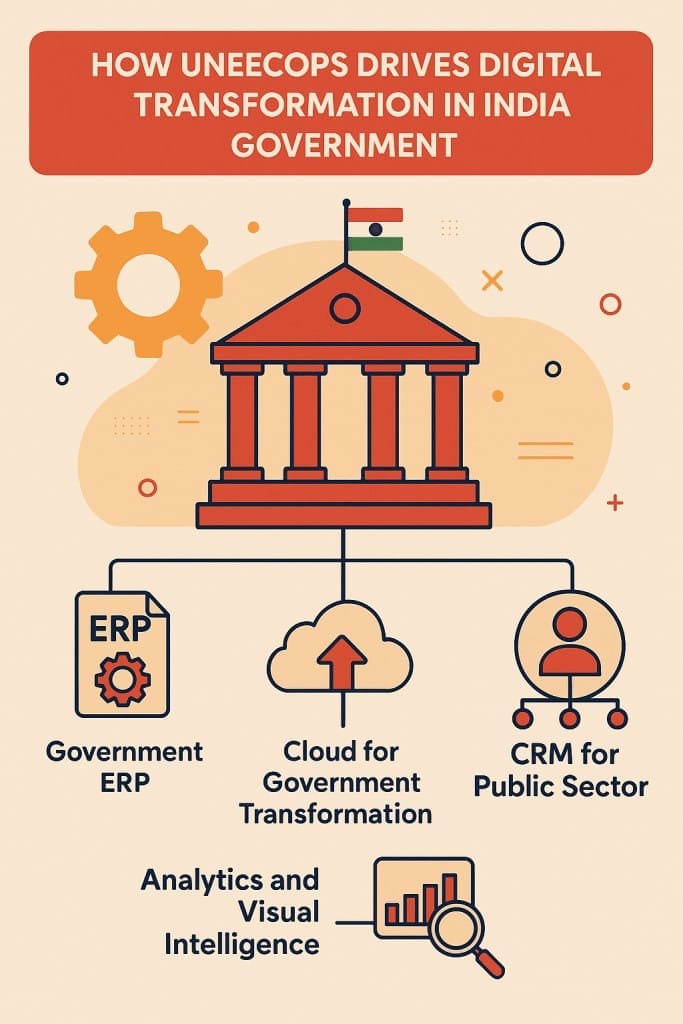
The Union Minister recently spoke at the National Workshop on Good Governance Practices, which was part of the Good Governance Week celebrations. During this workshop, several new initiatives by the Department of Personnel and Training (DoPT) were launched, emphasizing the government's commitment to digital governance and the continuous capacity building of civil servants.
e-Governance in India
Definition: e-Governance in India refers to the use of Information and Communication Technology (ICT) by the government to provide services, share information, and interact with citizens.
Benefits of e-Governance
- Efficiency: e-Governance enables faster, cheaper, and paperless transactions, making government processes more efficient.
- Transparency and Accountability: It reduces corruption by allowing direct monitoring of government activities, thereby increasing transparency and accountability.
- Inclusivity: e-Governance ensures that services reach rural and remote areas through Common Services Centres (CSCs), promoting inclusivity.
- Citizen Empowerment: Citizens have 24/7 access to services and can participate in governance, empowering them through e-Governance initiatives.
- Economic Growth: e-Governance boosts startups, the IT industry, and the digital economy, contributing to overall economic growth.
Key Challenges to e-Governance
- Implementation Disparity: There are variations in digital capacity, infrastructure, and funding among different states and local governments, affecting the uniform implementation of e-Governance.
- Digital Divide: Access to the internet, smartphones, and digital literacy are significant challenges, especially in remote, tribal, and underdeveloped areas.
- Data Protection and Security: As e-Governance scales up, the risks of data leaks, misuse, and security vulnerabilities increase. Ensuring data confidentiality, consent, and legal safeguards is crucial.
- Sustainability and Capacity Building: Maintaining and upgrading e-Governance systems, training personnel, and providing user support are resource-intensive and ongoing tasks.
- Governance vs. Execution Gap: There is often a gap between strong policies and their implementation on the ground due to administrative inertia and lack of technical staff.
Key Initiatives in e-Governance
- Aadhaar and Direct Benefit Transfer (DBT): Aadhaar-enabled e-KYC has simplified verification processes, reduced paperwork, and enhanced transparency. DBT ensures direct transfer of welfare benefits, reducing leakages and ensuring that benefits reach the intended recipients.
- Karmayogi Bharat: This initiative aims to prepare a future-ready civil service by equipping officials with the necessary Attitude, Skills, and Knowledge (ASK) to deliver efficient and citizen-centric governance. As of 2025, it has over 1.26 crore users, 3000 courses, and 3.8 crore certificates issued.
- DigiLocker: DigiLocker promotes the digital empowerment of citizens by providing access to authentic digital documents stored in their digital document wallet. This initiative reduces the need for physical documents and enhances convenience for citizens.
- UMANG: The UMANG app offers a single platform for citizens to access a wide range of e-Government services from central to local government bodies, making it easier for citizens to avail themselves of various services.
- Digital Commerce: The Open Network for Digital Commerce (ONDC) enables sellers, including MSMEs, SHGs, artisans, and women-led enterprises, to be discovered by buyers across multiple platforms, expanding their digital market access and promoting inclusivity in digital commerce.
- Government e-Marketplace (GeM): GeM facilitates online procurement of common goods and services required by various government departments, organizations, and public sector undertakings. It promotes digital market access and self-reliance by registering over 22 lakh sellers and service providers, including MSMEs, startups, and women-led enterprises.
- Right to Information (RTI): RTI empowers individuals to inspect, audit, evaluate, and analyze government activities and decisions to ensure they align with public interest, integrity, and justice. It is rooted in the fundamental right to free expression guaranteed by Article 19 of the Constitution.
- BHASHINI: BHASHINI is an initiative under the National Language Translation Mission (NLTM) aimed at bridging India's linguistic diversity through technology by providing a platform for translation and content creation in various Indian languages.
- SVAMITVA Scheme: Launched in 2020, the SVAMITVA scheme provides rural households with legal ownership papers for their homes and land. It uses drones and advanced mapping technology to clearly mark property boundaries, enhancing land tenure security in rural areas.
- BharatNet: Launched in 2011, BharatNet aims to bridge the digital divide by providing affordable, high-speed internet to every Gram Panchayat, facilitating access to digital services and information in rural areas.
- eGramSwaraj: eGramSwaraj is an online platform that enables Gram Panchayats to plan and execute development projects, ensuring transparency and accountability in the utilization of funds and resources.
- Meri Panchayat App: Developed by the National Informatics Centre (NIC), the Meri Panchayat App serves as an integrated mobile governance platform, promoting transparency, accountability, and citizen participation in Panchayat affairs.
- Gram Manchitra: Launched by the Ministry of Panchayati Raj, the Gram Manchitra Geographic Information System (GIS) application offers a unified digital map for officials to visualize and align developmental works with the Gram Panchayat Development Plan (GPDP), enhancing planning and coordination at the grassroots level.
Conclusion
The ongoing reforms in e-Governance aim to enhance the speed, transparency, and inclusivity of governance. The range of tools now available, including AI-driven meeting summarizers, geo-spatial mapping platforms, digital accounting systems, and citizen-facing mobile applications, reflects a significant shift in how governance is conducted. These changes align with the broader vision of the Government under the Digital India and Atmanirbhar Bharat initiatives, fostering a more efficient and citizen-centric governance framework.
GS2/Polity
One Law, One Market: How the Securities Markets Code Bill 2025 Reshapes Regulation
Why in News?
The Securities Markets Code (SMC), 2025, has been introduced in Parliament as a comprehensive reform of India's securities regulation framework. This bill is designed to enhance investor protection, minimize compliance burdens, improve regulatory governance, and facilitate a more business-friendly environment.
Key Takeaways
- The SMC consolidates three existing laws: the Securities Contracts (Regulation) Act, 1956, the SEBI Act, 1992, and the Depositories Act, 1996, into a single code.
- It empowers the Securities and Exchange Board of India (SEBI) with greater regulatory authority.
- Minor violations are decriminalized, focusing on civil penalties instead.
- Enhanced governance structures and investor protection mechanisms are introduced.
Additional Details
- Regulatory Authority Expansion: The SEBI board will increase from 9 to 15 members, including representatives from the Central Government and the Reserve Bank of India (RBI), aimed at enhancing governance and expertise.
- Conflict-of-Interest Norms: The code broadens the disclosure requirements for conflicts of interest to include family members, enhancing transparency in decision-making processes.
- Investor Charter and Ombudsman: The bill formally integrates an Investor Charter and establishes a statutory Ombudsman for grievance redressal, addressing crucial gaps in investor protection.
- Compliance Reclassification: Violations are categorized into lesser and serious offenses, with minor infractions leading to civil penalties instead of criminal charges to alleviate compliance burdens.
- Inter-Regulatory Coordination: The SMC promotes collaboration among regulatory bodies to facilitate smoother market operations and improve the investment climate.
In summary, the Securities Markets Code Bill, 2025 aims to modernize the regulatory framework governing securities markets in India by combining multiple laws into one comprehensive code. This initiative is expected to enhance regulatory clarity, investor protection, and overall market efficiency.
GS3/Defence & Security
Digital Trails, New Policing: How Data Is Transforming Crime Detection in India
Why in News?
The recent arrest of Ravindra Soni, who is accused of being the mastermind behind the ₹1,000-crore BlueChip Group scam, illustrates the significant role that digital footprints play in modern policing in India. Soni was apprehended in Dehradun after a year of evasion, thanks to a food delivery order, highlighting the shift towards using digital data-such as OTPs, delivery logs, and e-commerce histories-to track suspects.
Key Takeaways
- The BlueChip Group scam involved multiple international investors, culminating in a significant fraud that led to Soni's arrest.
- Law enforcement agencies are increasingly relying on digital residue for gathering evidence against suspects.
Additional Details
- The BlueChip Scam: Founded by Ravindra Soni in 2021, the BlueChip Group claimed to engage in forex and commodities trading, attracting investors from various countries including India, the UAE, and Canada. However, by 2024, it was revealed that the operation was a fraud, with Soni disappearing along with substantial investor funds.
- Digital Residue as Evidence: Investigators are now utilizing data from common applications and services as crucial evidence. For example, in a ₹5,300-crore GST fraud case, minor data points such as OTPs helped trace suspect activities and uncover networks of fraudulent operations.
- Suspects often attempted to avoid detection by frequently changing their phones and SIM cards, but these evasion tactics became identifiable patterns that law enforcement could exploit.
- Multi-App Linkages: In a notable case, Delhi Police dismantled a ₹22 lakh cyber-fraud network through a coordinated operation across multiple states, using digital footprints from various apps to track down suspects.
- Legal Pathways for Data Sharing: Most applications have privacy policies that allow for data sharing with law enforcement when investigating crimes, making such digital traces both admissible and actionable.
In conclusion, the growing integration of digital evidence in law enforcement reflects a significant evolution in how policing is conducted in India, as authorities adapt to the realities of a digital-first world. The implications of these changes extend beyond financial crimes, influencing a broad range of criminal investigations.
GS2/Polity
Karbi Anglong Violence - Land Rights, Sixth Schedule Autonomy and Ethnic Tensions
Why in News?
Recent violence in the West Karbi Anglong district of Assam has resulted in two fatalities, numerous injuries, and significant property damage, including the arson of shops and markets. This unrest has led to the suspension of mobile internet services and the imposition of prohibitory orders. The underlying causes of this turmoil stem from long-standing land rights disputes, particularly concerning encroachments on grazing reserve lands governed by the Karbi Anglong Autonomous Council (KAAC).
Key Takeaways
- Violence was triggered by a hunger strike regarding grazing lands.
- The dispute is rooted in historical issues related to land rights and ethnic tensions.
- Legal challenges complicate eviction processes for encroachers.
- Community distrust and ethnic polarization pose ongoing challenges.
Additional Details
- Immediate Trigger of the Violence: A hunger strike by nine Karbi protesters demanding the eviction of alleged encroachers from Professional Grazing Reserve (PGR) and Village Grazing Reserve (VGR) lands led to violent outbreaks. The protesters believed their demands for land reserved for traditional livestock grazing were being ignored.
- Background of the Karbi Anglong Dispute: The region is governed under the Sixth Schedule of the Constitution, which grants autonomy to tribal areas. The KAAC has jurisdiction over land and local governance, aimed at preserving tribal identity and resources. Historical insurgency has also fueled resentment towards non-tribal settlers.
- Legal Constraints on Evictions: The KAAC had issued eviction notices, but legal challenges have stalled these actions due to pending public interest litigations in the Gauhati High Court.
- Challenges and Way Ahead: Key issues include the conflict between customary rights and claims from settlers, the need for a transparent relocation policy, and strengthening the KAAC's capacity for governance. There are also calls for judicial reforms to expedite land dispute resolutions and initiatives to foster dialogue between tribal bodies and settlers.
The recent violence in Karbi Anglong highlights the fragile equilibrium between tribal autonomy, land rights, and demographic pressures in Sixth Schedule regions. Without clear institutional frameworks and inclusive governance strategies, the risk of recurring disputes remains high, threatening social cohesion and stability in Northeast India. Addressing these land issues through the rule of law and participatory governance is crucial for achieving lasting peace.
GS2/Governance
IndiGo Meltdown and Regulatory Capture in Indian Aviation
 Why in News?
The Directorate General of Civil Aviation (DGCA) proposed new Flight Duty Time Limitations (FDTL) in January 2024 to ensure adequate rest for pilots and enhance passenger safety. However, repeated delays, selective regulatory relaxations, and alleged political influence culminated in a massive operational crisis at IndiGo in December 2025, resulting in over 1,000 flight cancellations and stranding thousands of passengers. This incident has raised serious concerns regarding regulatory capture, monopoly abuse, aviation safety, and governance failures within India's civil aviation sector.
Key Takeaways
- The FDTL norms aim to prevent pilot fatigue, a recognized safety risk in aviation.
- IndiGo reportedly ignored DGCA notifications and continued aggressive scheduling while failing to recruit or train pilots.
- The operational crisis revealed serious weaknesses in workforce planning and regulatory oversight.
Additional Details
- Regulatory Capture: This refers to regulators acting in favor of the industry they regulate rather than the public. The DGCA's repeated postponements of FDTL implementation appear to favor IndiGo.
- Market Structure: IndiGo controls approximately 65% of India's aviation market, while Tata Group airlines (like Air India) hold less than 30%, raising concerns about monopolistic practices.
- Political donations: InterGlobe Aviation donated Rs 58 crore through electoral bonds, mainly to the ruling party, raising questions about the influence of political funding on regulatory leniency.
- Global Comparison: The operational crisis faced by IndiGo mirrors the issues encountered by Southwest Airlines in December 2022, which faced a massive operational failure due to outdated systems. Regulatory responses included significant fines and operational changes.
The IndiGo meltdown is not merely an operational failure but a systemic governance crisis rooted in regulatory capture, monopoly dominance, and weak institutional accountability. Global experiences indicate that strong, independent regulators and stringent penalties are vital to safeguarding passenger interests and aviation safety. For India, restructuring aviation regulation and restoring public trust must become immediate policy priorities to ensure that rapid growth does not come at the cost of safety and equity.
GS3/ Science and Technology
Rabies in India

Why in News?
- A recent study by One Health has highlighted that India accounts for nearly one-third of global rabies deaths, drawing attention to the preventable nature of the disease.
Summary
- Despite rabies being fully preventable, India suffers from nearly one-third of global rabies deaths, primarily due to dog bites affecting children and impoverished communities.
- Systemic issues such as delayed treatment, incomplete vaccination, shortages of rabies immunoglobulin (RIG), and ineffective dog population control contribute to ongoing fatalities, even with national programmes and a One Health approach in place.
What are the Key Findings of the Study on Rabies in India?
- Highest Global Burden: India reports about 20,000 of the 59,000 annual rabies deaths worldwide, the highest for any country. Rabies is endemic to India.
- Free-roaming Dogs as Reservoir: India faces around 20 million dog bites each year, with free-roaming dogs being the primary reservoir for rabies.
- Rabies as Disease of Poverty: Victims predominantly come from poor, marginalised communities with limited healthcare access and high populations of free-roaming dogs.
- Systemic Failures, Not Knowledge Gaps: Deaths result from delayed treatment, incomplete vaccination, and shortages of rabies immunoglobulin (RIG), not from lack of medical knowledge.
- Inadequate Vaccination: Over 20% of dog-bite victims do not receive anti-rabies vaccine (ARV), and nearly half do not complete the vaccination course, significantly increasing fatality risk.
- RIG Scarcity: RIG, crucial for treatment, is scarce, expensive (Rs 5,000-Rs 20,000), and often unavailable in public hospitals.
- Impact on Children: Approximately 40% of rabies cases occur in children under 15, highlighting issues of exposure and delayed care.
- Dog Population Control Challenges: Current Catch-Neuter-Vaccinate-Release strategies are ineffective due to high annual dog population turnover (~40%).
- Supreme Court Directive: In 2025, the Supreme Court of India directed States to remove stray dogs from public institutions, sparking debate on feasibility and animal welfare.
- Feasibility of Elimination: The study asserts that human rabies deaths are entirely preventable, and ongoing fatalities reflect public health delivery failures rather than scientific limitations.
What are the Key Facts About Rabies?
- About: Rabies is caused by the rabies virus, a neurotropic virus belonging to the Lyssavirus genus of the Rhabdoviridae family, which infects the central nervous system.
- Global burden: Rabies is causing about 59,000 deaths annually. Around 40% of victims are children under 15.
- Nature of the disease: Rabies is a viral, zoonotic, neglected tropical disease (NTD). It is 100% fatal once clinical symptoms appear.
- Main source of infection: Dogs cause about 99% of human rabies cases through bites and scratches. Other mammals can carry rabies, but human cases from wildlife are rare in most regions.
- Transmission: Spread through saliva via bites, scratches, or contact with broken skin or mucosa. Human-to-human transmission has never been confirmed.
- Prevention and Treatment: Rabies deaths are completely preventable with timely post-exposure prophylaxis (PEP). PEP includes: Immediate wound washing with soap and water (15 minutes), A full course of rabies vaccine, Rabies immunoglobulin (RIG) or monoclonal antibodies for severe exposures.
- Symptoms: Incubation period usually 2-3 months (can range from one week to one year). Two forms: Furious rabies (hydrophobia, hallucinations, hyperactivity, rapid death) & Paralytic rabies (gradual paralysis, often misdiagnosed). Once clinical symptoms appear, rabies is virtually 100% fatal.
- Economic Impact: Global cost estimated at US$ 8.6 billion per year, including healthcare costs, lost livelihoods, and social trauma. PEP can be financially catastrophic for poor households.
- Most Effective Control Strategy: Mass dog vaccination is the most cost-effective way to prevent human rabies. Culling free-roaming dogs is ineffective.
- Global goal: The World Health Organization and partners aim to end human deaths from dog-mediated rabies by 2030 using a One Health approach that links human health, animal health, and community awareness.
Rabies Control Measures in India
- National Rabies Control Programme (NRCP): Aims to reduce rabies deaths by strengthening surveillance, prevention, and management of animal bite cases nationwide.
- Integrated Health Information Platform (IHIP): Digital platform for real-time reporting and monitoring of animal bites and rabies-related deaths across States and Union Territories (UTs).
- National Health Mission (NHM): Provides financial and operational support to States for vaccines, training, Information, Education and Communication (IEC) activities, and anti-rabies infrastructure. Ensures free availability of life-saving Anti-Rabies Vaccine (ARV) and Rabies Immunoglobulin (RIG) in public health facilities.
- National Centre for Disease Control (NCDC) Rabies Activities: Supports awareness generation, laboratory strengthening, and development of guidelines and training material related to rabies.
- National One Health Programme for Prevention and Control of Zoonosis: Integrates human and veterinary health systems to improve animal rabies diagnosis and coordinated disease control efforts.
GS2/Governance
The Urban Future with Cities as Dynamic Ecosystems
Why in News?
Cities play a pivotal role in global development, influencing economic growth, governance, science, and innovation. However, urban progress often neglects the essential component of city life: the people who inhabit these spaces. A significant disconnect exists between the cities designed by planners, the ideal cities people wish to live in, and the realities of urban life, particularly for migrants and linguistically diverse residents. This gap highlights a critical flaw in urban planning that prioritizes systems over the lived experiences of individuals.
Key Takeaways
- Urban planning often overlooks the needs of diverse populations, leading to linguistic and cultural exclusion.
- Language acts as a barrier to belonging, impacting participation in urban life for non-native speakers.
- The contradiction in relying on migrant labor while restricting access to formal economic opportunities undermines social cohesion.
Additional Details
- Linguistic Exclusion: Migration can impose an expectation of assimilation, where language proficiency dictates belonging. Those who struggle with language face an invisible tax, leading to barriers in communication and recognition.
- Economic Implications: Linguistic barriers translate into social and economic exclusion, complicating access to employment, housing, healthcare, and government services. This often forces migrants into informal work, where they face higher risks of exploitation.
- Limitations of Urban Planning: Many urban designs are based on outdated assumptions of a static, homogeneous population, neglecting the dynamic and diverse reality of urban life.
- Empathy in Urban Design: A shift towards understanding cities as dynamic ecosystems is essential. Empathy should be the cornerstone of urban planning to ensure that all residents feel secure and valued.
To create equitable urban futures, cities must foster inclusivity, recognizing linguistic and cultural diversity as strengths. By embedding empathy and adaptability into urban governance, we can bridge the gap between design and reality, ensuring that progress is measured not just by infrastructure, but by the dignity and sense of belonging of all urban residents.
GS2/International Relations
Bangladesh in Flux: Jamaat's Rising Influence and India's Strategic Choices
Why in News?
The political landscape in Bangladesh is experiencing significant turmoil, highlighted by the return of Bangladesh Nationalist Party (BNP) acting chairman Tarique Rahman after 17 years of exile. This return coincides with escalating violence and political unrest, as well as an increase in anti-India sentiments that raise diplomatic concerns in the region.
Key Takeaways
- Tarique Rahman's return marks a pivotal moment in Bangladesh politics, amid a backdrop of unrest.
- Jamaat-e-Islami's influence is growing, leading to a crackdown on minorities and increased Islamisation.
- The economic situation in Bangladesh has deteriorated, affecting its longstanding cooperation with India.
Additional Details
- Unrest and Regime Change: The turmoil beginning in July-August 2024 is suggested to be a planned operation for regime change, acknowledged by Bangladesh's chief adviser, Muhammad Yunus. This operation involves Jamaat-e-Islami, which has gained significant power.
- Dismantling the Political Order: The current regime aims to erase the post-1971 political legacy by targeting symbols and institutions associated with the Liberation War and the Awami League.
- Minority Repression: Attacks against minorities, including Hindus, Buddhists, Christians, and Ahmadiyyas, have escalated, illustrated by the lynching of Dipu Chandra Das, which drew international condemnation.
- Media Control: There has been a surge in attacks on journalists and media outlets, disrupting freedom of expression.
- Economic Impact: Bangladesh's economy, which previously grew at 6.5-7% annually, has sharply slowed, leading to factory closures, rising unemployment, and high inflation.
The return of Tarique Rahman is anticipated to generate public support, especially considering his familial ties. However, the political landscape remains complex with the Awami League barred from elections, limiting the potential for fair and inclusive governance. The historical anti-India sentiment persists, but strong economic ties and people-to-people connections between India and Bangladesh remain crucial.
India's priorities include reassuring the Bangladeshi populace and advocating for inclusive elections that incorporate all political factions, including the Awami League, to ensure stability and legitimacy in governance.
Overall, the evolving dynamics in Bangladesh necessitate careful consideration from India, given the shared border and historical ties, as well as the emerging security risks in the region.
GS2/International Relations
India-New Zealand Free Trade Agreement Finalised
Why in News?
India and New Zealand have successfully concluded negotiations on a Free Trade Agreement (FTA), which will provide India with tariff-free access to New Zealand's market. This agreement is projected to attract $20 billion in investment over the next 15 years and aims to double bilateral trade to $5 billion within five years. The formal signing of the FTA is expected to take place in the first half of 2026.
Key Takeaways
- India and New Zealand established diplomatic relations in 1952, with strong ties built on shared Commonwealth membership and democratic governance.
- The FTA negotiations began in March 2025 and were finalized within nine months, illustrating a strong political commitment from both nations.
Additional Details
- Bilateral Relations: India and New Zealand share enduring ties, reinforced by cultural connections such as cricket, hockey, and mountaineering, alongside a vibrant tourism sector.
- Strategic Vision: New Zealand's initiatives, including "Opening Doors to India" (2011) and the "NZ Inc. India Strategy," highlight India's status as a priority partner.
- Trade and Economic Ties: In 2023-24, total trade between India and New Zealand was valued at approximately US$ 1.75 billion, with major sectors including education, tourism, and pharmaceuticals.
- Defence Cooperation: The two countries have been expanding their defence ties through naval visits, leadership exchanges, and contributions to Combined Task Force-150, enhancing maritime security in the Indo-Pacific region.
- Education Partnerships: India is the second-largest source of international students in New Zealand, with significant collaborations in research and educational agreements.
The FTA is set to deepen economic engagement and strengthen cooperation across multiple sectors, including defence, education, and innovation. Key provisions include significant tariff reductions, investment opportunities, and access to services, which will facilitate greater mobility for professionals. This agreement marks a significant step in enhancing India-New Zealand relations and fostering mutual growth.
GS3/Environment
Power Lines vs Survival: Why the Supreme Court Stepped In to Save the Great Indian Bustard
Why in News?
Recently, the Supreme Court of India made a significant ruling aimed at enhancing the conservation efforts for the Great Indian Bustard (GIB). This decision focuses on mitigating bird fatalities resulting from collisions with overhead power lines associated with renewable energy initiatives.
Key Takeaways
- The Supreme Court identified priority conservation areas for the critically endangered GIB.
- New measures were established to reroute or manage overhead power lines in these conservation zones.
Additional Details
- Background: A retired bureaucrat and environmentalist petitioned the Supreme Court for urgent measures to protect the GIB, citing increased bird fatalities due to renewable energy transmission lines in Rajasthan and Gujarat. The GIB's poor frontal vision and heavy body make it particularly susceptible to such collisions.
- Supreme Court Directions (2021-2024):
- In 2021, a ban was imposed on new overhead power lines within approximately 99,000 sq km of GIB habitat, alongside assessments for undergrounding high-voltage lines and the installation of mandatory bird diverters.
- In March 2024, the Court modified its stance, withdrawing the blanket ban on overhead lines due to concerns from various ministries regarding feasibility.
- Conservation Balance: The Supreme Court recognized the need for a balance between climate commitments, renewable energy expansion, and the protection of endangered species, concluding that merely undergrounding power lines would not suffice for GIB conservation.
- The Court formed an expert committee comprising wildlife and power sector specialists to guide its ruling.
The Supreme Court's judgment introduced a comprehensive package of measures aimed at protecting the GIB while considering India's renewable energy objectives. This includes:
- Redrawing conservation zones, which have expanded from 13,163 sq km to 14,013 sq km.
- Implementing voltage-based mitigation strategies for power lines, including rerouting and undergrounding.
- Establishing dedicated powerline corridors to minimize collision risks.
Critical areas for GIB conservation include sites such as the Desert National Park and Pokhran Field Firing Range, with specific project restrictions in place for new overhead power lines and renewable energy installations within these priority areas.
In addition, the Court mandated immediate undergrounding of power lines in Rajasthan and Gujarat, with timelines set for completing these measures. The effectiveness of bird flight diverters was also assessed to enhance protective measures for the GIB.
Overall, the Supreme Court's proactive approach aims to bolster the conservation of the Great Indian Bustard while accommodating the growing demand for renewable energy in India.
GS3/Defence & Security
Directed Energy Weapons System
 Why in News?
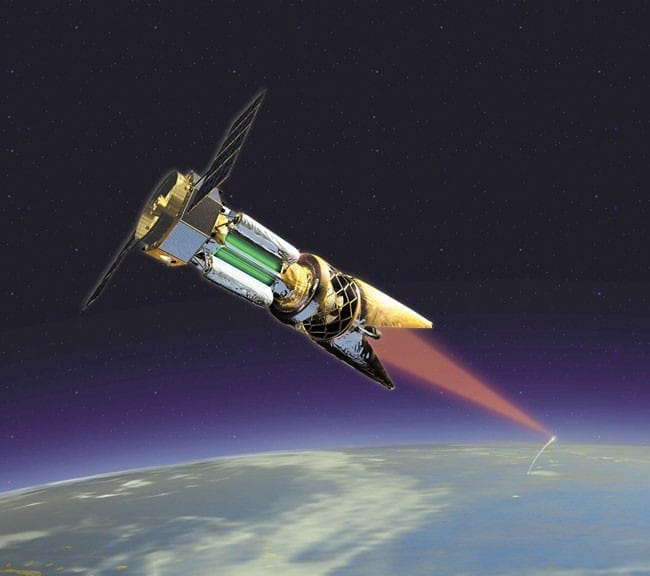
Apollo Micro Systems has recently received approval from the Defence Research & Development Organisation (DRDO), allowing access to Directed Energy Weapon (DEW) system technologies from two DRDO entities. This development marks a significant step in advancing military capabilities through innovative technologies.
Key Takeaways
- DEWs utilize concentrated energy instead of kinetic energy to damage targets.
- High-powered lasers are a primary tool for inflicting damage.
- They provide precision targeting with minimal collateral damage.
Additional Details
- Precision and Low Collateral Damage: DEWs can specifically target vulnerable components of enemy systems, such as motors, electronics, or wings, thus minimizing unintended damage to surrounding areas.
- Rapid Response: These weapons can engage targets at the speed of light, which is crucial for intercepting fast-moving threats in real time.
- Cost and Logistics: DEWs are operationally cost-effective, requiring only a continuous supply of electricity to function indefinitely.
- Counter-Drone and Stealth Technology: DEWs are particularly effective against swarm drones, operating silently without explosions, which enhances their stealth capabilities.
- Applications: DEWs have a wide range of military applications, enabling quick and precise strikes against threats like unmanned aerial vehicles (UAVs), missiles, and small vehicles in various combat environments.
In summary, the advancements in Directed Energy Weapons signify a transformative shift in military technology, promising enhanced operational efficiency and effectiveness on the battlefield.
GS3/Defence & Security
INSV Kaundinya: Maiden Overseas Voyage
Why in News?
The Indian Navy's innovative stitched sailing vessel, INSV Kaundinya, is set to embark on its first overseas voyage. This journey marks a significant milestone in showcasing India's maritime heritage.
Key Takeaways
- INSV Kaundinya is inspired by a historic fifth-century vessel depicted in Ajanta cave paintings.
- The vessel is named after the legendary mariner Kaundinya, who is believed to have made voyages from India to Southeast Asia.
- Built using traditional stitching techniques rather than metal nails, it emphasizes indigenous craftsmanship.
Additional Details
- Construction Techniques: INSV Kaundinya has been constructed using materials such as coconut fibre, coir rope, and natural resins, along with wooden joinery and cotton sails. This approach highlights sustainable practices in shipbuilding.
- Symbolism: The vessel features significant motifs, including the Gandabherunda (a mythical two-headed eagle) from the Kadamba dynasty and a Simha Yali Harappan-style stone anchor, which embellishes the bow.
- This initiative is a collaboration between the Indian Navy, the Ministry of Culture, and Hodi Innovations, showcasing a blend of tradition and modernity.
Overall, INSV Kaundinya represents a revival of ancient maritime traditions and highlights India's historical significance in trade and cultural exchange, as well as its contemporary role in maritime diplomacy.
FAQs on Weekly Current Affairs (22nd December 2025 to 28th December 2025)
| 1. What is the Tsunami Ready Recognition Programme? |  |
| 2. What are the implications of the 'Right to Work' in India? | |
| 3. How do invasive mosquito species threaten malaria elimination efforts in India? | |
| 4. What is the concept of the Exclusive Economic Zone (EEZ)? | |
| 5. What are the key features of the Right to Disconnect initiative? | |




