UPSC Exam  >  UPSC Notes  >  History CSE  >  Mnemonics: The Mughal Empire

Mnemonics: The Mughal Empire

The Mughal Empire is a crucial part of Medieval Indian History for UPSC, covering a vast range of topics such as rulers, administration, battles, art, and decline. Due to the factual density and chronological nature of this chapter, aspirants often find it difficult to retain information effectively. In this document, key topics of the Mughal Empire are converted into easy, logical, and high-recall mnemonics to boost your preparation.

1. Mughal Emperors (Chronology)
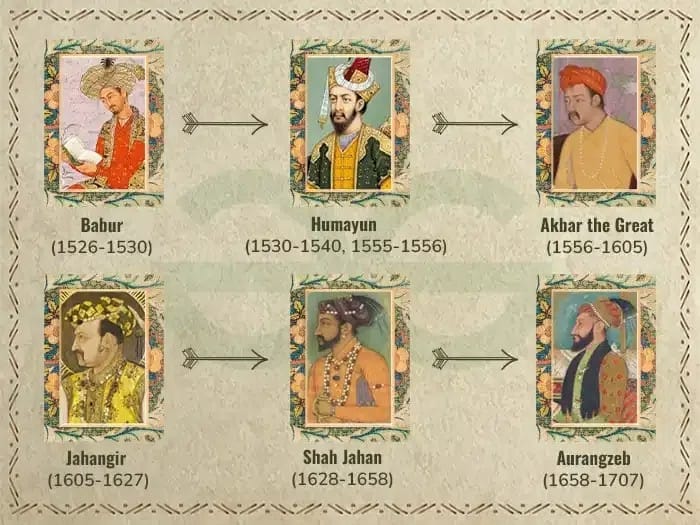
1. Mughal Emperors (Chronology)Mnemonic: Busy Heroes Always Just Stay Ahead

Mnemonic Explanation:

  • Busy: Babur
  • Heroes: Humayun 
  • Always: Akbar 
  • Just: Jahangir 
  • Stay: Shah Jahan
  • Ahead: Aurangzeb

2. Babur's Important Battles
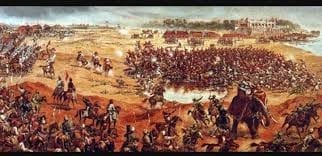
2. Babur`s Important BattlesMnemonic: Panipat Ke Chaar Ghode

Mnemonic Explanation:

  • Panipat: Panipat (1526)
  • Ke: Khanwa (1527)
  • Chaar: Chanderi (1528)
  • Ghode: Ghaghra (1529)

3. Akbar's Navratnas
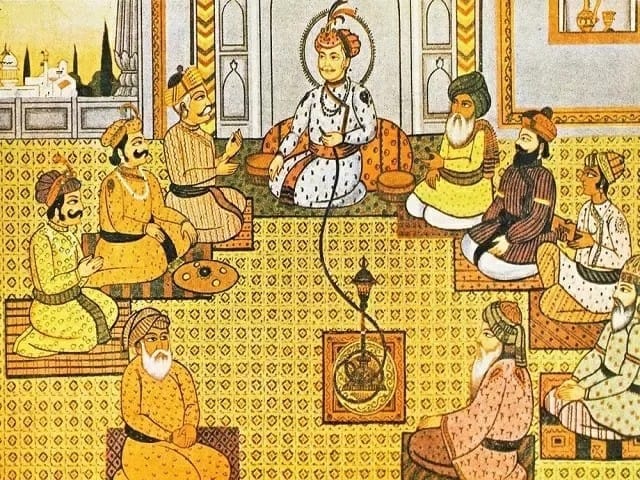
3. Akbar`s NavratnasMnemonic: All Brave Friends Took Royal Respect From Mughals

Mnemonic Explanation:

  • All: Abul Fazl
  • Brave: Birbal
  • Friends: Faizi
  • Took: Tansen
  • Royal: Raja Todar Mal
  • Respect: Raja Man Singh
  • From: Fakir Aziao-Din
  • Mughals: Mulla Do Piaza

4. Land Revenue Systems (Akbar)

4. Land Revenue Systems (Akbar)Mnemonic:
Zamindar Does Nice Business

Mnemonic Explanation: 

  • Zamindar: Zabti
  • Does: Dahsala
  • Nice: Nasaq
  • Business: Batai

5. Mughal Architecture (Major Builders)
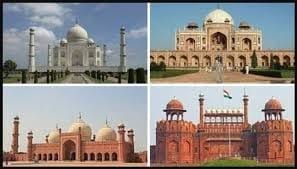
5. Mughal Architecture (Major Builders)Mnemonic: Buildings Always Just Show Authority

Mnemonic Explanation:

  • Buildings: Babur - Gardens
  • Always: Akbar - Fatehpur Sikri
  • Just: Jahangir - Gardens/painting patron
  • Show: Shah Jahan - Taj Mahal
  • Authority: Aurangzeb - Simple structures

6. Important Foreign Travellers
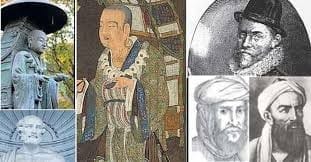
6. Important Foreign TravellersMnemonic: Big Tasty Mangoes Have Richness

Mnemonic Explanation:

  • Big: Bernier
  • Tasty: Tavernier
  • Mangoes: Manucci
  • Have: Hawkins
  • Richness: Roe

7. Battle of Panipat (3 Battles)
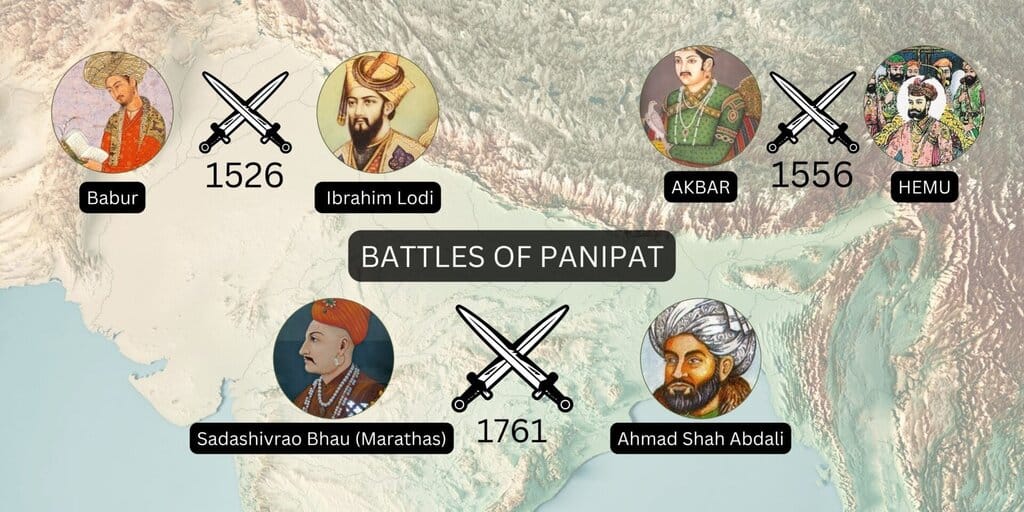
7. Battle of Panipat (3 Battles)Mnemonic: BAA

Mnemonic Explanation: 

  • B: 1526 - Babur Win
  • A: 1556 - Akbar Win,
  • A: 1761 - Abdali Win
The document Mnemonics: The Mughal Empire is a part of the UPSC Course History for UPSC CSE.
All you need of UPSC at this link: UPSC

FAQs on Mnemonics: The Mughal Empire

1. Who were the prominent Mughal Emperors, and what was their chronological order?
Ans. The prominent Mughal Emperors in chronological order are Babur, Humayun, Akbar, Jahangir, Shah Jahan, and Aurangzeb. Babur established the dynasty, followed by Humayun, who faced challenges and temporarily lost his throne. Akbar, known for his administrative reforms and cultural integration, was succeeded by Jahangir, who focused on the arts. Shah Jahan is famous for architectural achievements like the Taj Mahal, and Aurangzeb expanded the empire to its greatest territorial extent but faced significant resistance.
2. What were the important battles fought by Babur during his reign?
Ans. Babur fought several important battles, the most notable being the Battle of Panipat in 1526, where he defeated Ibrahim Lodi to establish Mughal rule in India. Another significant battle was the Battle of Khanwa in 1527, against Rana Sanga, which further solidified his power. The Battle of Ghaghra in 1529 was also crucial, where Babur defeated the Afghans and consolidated his authority.
3. Who were the Navratnas under Akbar and what were their contributions?
Ans. The Navratnas, or Nine Gems, were a group of nine extraordinary individuals in Akbar's court, each excelling in different fields. They included Birbal, a witty advisor; Raja Todar Mal, responsible for revenue administration; Abul Fazl, a historian and author of the Akbarnama; Faizi, a poet; Tansen, a musician; and others like Jagannath, Mulla Do-Piyaza, and Hussain, who contributed to literature, arts, and administration, significantly enhancing Mughal culture and governance.
4. What was the land revenue system implemented by Akbar?
Ans. Akbar implemented the 'Zabt' system as part of his land revenue reforms, which involved assessing land revenue based on the fertility of the land and the average produce. This system aimed to ensure fair taxation by taking into account agricultural productivity, leading to a more efficient and structured approach to land revenue collection. Akbar also introduced the 'Ain-i-Dahsala' system, which categorised land into different classes for taxation purposes.
5. What are some major architectural achievements of the Mughal Empire, and who were the notable builders?
Ans. Major architectural achievements of the Mughal Empire include the Taj Mahal, built by Shah Jahan as a mausoleum for his wife Mumtaz Mahal, and the Red Fort in Delhi, which served as the imperial residence. Other significant structures include Humayun's Tomb, built under the patronage of Humayun's wife, and the Fatehpur Sikri complex, established by Akbar. Notable builders included Ustad Ahmad Lahori, who designed the Taj Mahal, and several others who contributed to the grandeur of Mughal architecture through intricate designs and innovative techniques.
Explore Courses for UPSC exam
Get EduRev Notes directly in your Google search
Related Searches
Exam, Sample Paper, Extra Questions, pdf , Mnemonics: The Mughal Empire, ppt, Free, practice quizzes, Summary, mock tests for examination, video lectures, study material, Mnemonics: The Mughal Empire, Objective type Questions, past year papers, MCQs, Semester Notes, Important questions, Previous Year Questions with Solutions, shortcuts and tricks, Viva Questions, Mnemonics: The Mughal Empire;


