International Relations - 2


GS2/International Relations
India and the U.S.: 2005 vs 2025
Why in News?
The evolution of India-United States relations over the past two decades showcases a significant transformation in the strategic perspective of the U.S. In 2005, the relationship flourished with optimism and the belief that the rise of responsible powers would enhance global stability. However, the 2025 U.S. National Security Strategy (NSS) reveals a more introspective America, focused on minimizing external burdens while seeking validation of its global relevance. This shift carries substantial implications for India's strategic decisions and expectations.
Key Takeaways
- The strategic environment of 2005 was characterized by American confidence and a welcoming attitude towards the rise of other powers.
- The 2025 NSS represents a notable transition to a more defensive approach, emphasizing national reassurance over international engagement.
- India is increasingly viewed as a tactical asset in U.S. strategies rather than an independent civilizational power.
- There is a growing expectation for India to assume greater responsibility in regional affairs without guaranteed U.S. support.
Additional Details
- 2005 Strategic Landscape: The U.S. aimed to assist India in becoming a major global power, fostering a partnership based on mutual confidence and shared aspirations.
- 2025 National Security Strategy: This document reflects a shift towards a more inward-focused U.S., where engagement is viewed as a cost rather than an investment, and leadership roles are treated as conditional and transactional.
- India's Strategic Role: In 2005, India's rise was seen as a strategic objective; in 2025, it is perceived as a component of the U.S. strategy to counterbalance China, particularly in the Indo-Pacific region.
- This transition indicates a retreat from cooperative internationalism, with the U.S. now emphasizing its own vulnerabilities and reducing commitments to allies.
In conclusion, while the partnership between India and the U.S. remains significant, the basis of cooperation is evolving. India must recalibrate its strategic outlook, focusing on shared interests rather than assumptions of U.S. support for its rise. The era of expansive American assurances has shifted towards a landscape requiring India to enhance its own strategic capability and confidence in a more fragmented global order.
India Calls Out Global Bias on Russian Oil Trade
Why in News?
India has firmly rejected concerns regarding potential U.S. sanctions impacting its trade of Russian oil. Petroleum Minister Hardeep Singh Puri highlighted India's broad array of oil imports from 27 to 40 different countries and assured that India would manage any arising challenges. Concurrently, the Ministry of External Affairs (MEA) criticized the "double standards" in international relations, asserting that India's priority is to secure affordable energy based on market availability.
Key Takeaways
- India is diversifying its oil imports amidst potential U.S. sanctions on Russian oil trades.
- The U.S. is considering imposing secondary sanctions on countries, including India, that continue to engage in trade with Russia.
- Concerns arise over a proposed 50-day deadline by U.S. President Donald Trump for Russia to cease its military actions in Ukraine.
Additional Details
- U.S. Sanctions: The U.S. is signaling stricter measures against nations trading with Russia, which could adversely affect India. The potential sanctions could include penalties on key trading partners like India, China, and Brazil.
- Trade Growth: India's trade with Russia has surged to a record $68.7 billion in FY 2024-25, significantly increased from pre-pandemic levels, with major imports including crude oil and fertilizers.
- In May 2025, India imported crude oil worth $4.42 billion from Russia, raising concerns about dependence on Russian energy amidst sanctions.
- India maintains that it has diversified its oil sources and can shift suppliers if needed, showing skepticism about the likelihood of harsh sanctions being imposed.
- China, as Russia's largest trade partner, complicates the U.S. stance as escalating tensions with Beijing could deter aggressive action against India.
In conclusion, while India remains committed to ensuring energy security for its population, the geopolitical landscape surrounding Russian oil trade continues to evolve, prompting mixed reactions from Western nations regarding proposed sanctions.
Indo-China Border Dispute: Challenges in Defining the Line of Actual Control
Why in News?
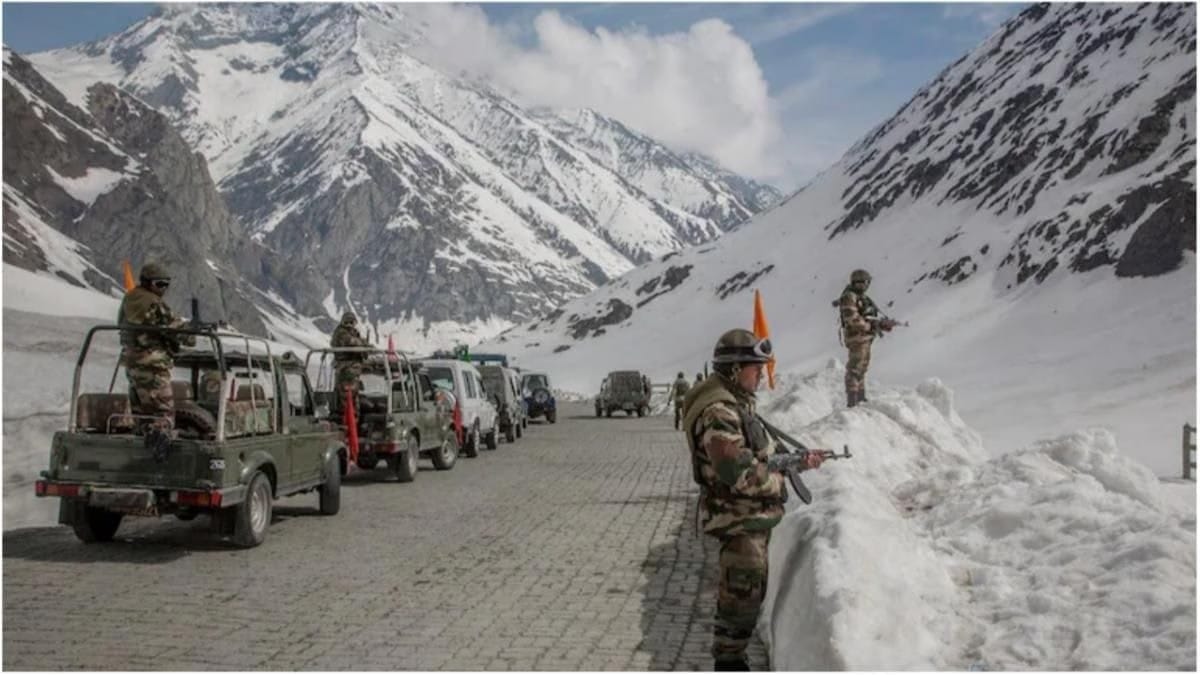
The India-China border dispute has remained unresolved despite decades of discussions and agreements since 1993, particularly regarding the definition of the Line of Actual Control (LAC), which continues to fuel tensions between the two nations.
Key Takeaways
- The India-China border dispute is one of the most intricate territorial conflicts in Asia.
- Efforts to define the LAC have resulted in recurring confrontations, highlighting the complexities of the issue.
- Historical negotiations and agreements have failed to bring about a clear resolution.
Additional Details
- Early Efforts: The border negotiations gained traction after Prime Minister Rajiv Gandhi's visit to Beijing in 1988, marking a significant shift in bilateral relations.
- Border Peace and Tranquillity Agreement (BPTA): Signed in September 1993 during Prime Minister P.V. Narasimha Rao's visit, this agreement emphasized peaceful consultation and the non-use of force.
- 1996 Agreement: This agreement introduced military confidence-building measures but highlighted the failure to achieve a mutual understanding of the LAC.
- Attempts to clarify the LAC between 2000 and 2002 through map exchanges failed, leading to ongoing disputes over key areas like Depsang and Pangong Tso.
- The current structural problem arises from the unwillingness of both nations to concede territory in strategically sensitive regions, exacerbated by China's infrastructure advantages.
While the agreements from 1993 and 1996 temporarily alleviated tensions, the ongoing inability to define the LAC has kept the border situation unstable. Both countries have developed mechanisms to avert escalation, yet a lack of political resolve to finalize the boundary complicates peace efforts. The recurring standoffs underscore the urgent need to either clarify the LAC or implement robust measures to prevent patrol confrontations from escalating into conflicts.
GS2/International Relations
BRICS in the Era of Geopolitical Shifts
Why in News?
- Brazil passed the BRICS presidency to India, symbolizing sustainability with a gavel made from recycled Amazon rainforest wood.
- Brazil highlighted BRICS' growing importance amid increasing distrust in multilateralism, reinforcing its role as a platform for dialogue and bridge-building.
Summary
- Brazil has transferred the BRICS presidency to India at a time when multilateralism is facing increasing skepticism.
- BRICS, which has expanded to include countries like Egypt and the UAE, advocates for multipolarity through institutions like the New Development Bank (NDB) and initiatives such as the Grain Exchange.
- Despite its growing role in a climate of global mistrust, BRICS faces challenges from internal divisions and economic disparities, necessitating stronger institutional and strategic coordination to enhance its effectiveness.
What is BRICS?
- About: BRICS is a collaborative intergovernmental organization of major emerging economies, established to enhance economic cooperation and amplify the global political and economic influence of its members. The acronym originally stood for Brazil, Russia, India, and China, with South Africa joining later in 2010.
- Key Purpose: Its core objectives include promoting trade and investment among members, reforming global governance institutions like the UN and IMF, and establishing alternative financial systems to reduce dollar dependency. It aims to counterbalance Western influence and advocate for a more multipolar world order.
- Foundation and Evolution: The term BRIC was first coined by economist Jim O'Neill in 2001. The group began formal cooperation at the 2006 G-8 Outreach Summit and held its first official summit in Russia in 2009.
- Expansion of Membership: The group expanded in 2024 with the addition of Egypt, Ethiopia, Iran, and the UAE. Indonesia joined in 2025. Saudi Arabia has accepted membership but has not yet formalized it, while Argentina opted out after initial consideration. In 2024, BRICS introduced a partner countries status, initially granted to Belarus, Bolivia, Cuba, Kazakhstan, Malaysia, Nigeria, Thailand, Uganda, and Uzbekistan. This allows them to attend summits without being full members.
- Sherpa System: BRICS Sherpas are designated leaders who represent their countries within the BRICS bloc and serve as the primary channel of communication among BRICS nations. India's current BRICS Sherpa is Sudhakar Dalela.
- New Development Bank (NDB): NDB is a multilateral development bank established by BRICS countries in 2015 to mobilize resources for infrastructure and sustainable development projects in emerging markets and developing countries (EMDCs). Membership is open to United Nations members, with Bangladesh (2021), United Arab Emirates (2021), Egypt (2023), and Algeria (2025) joining as new members. The NDB has an initial authorized capital of USD 100 billion. The five BRICS founding members each hold equal voting shares, with 20% of the capital each at establishment, and they are guaranteed to retain at least 55% of the institution's voting rights, even as new members join.
- Significance: BRICS represents about 45% of the world's population and accounts for 37.3% of global GDP (in purchasing power parity terms), collectively surpassing the economic share of the G7 (29.3%).
- Key Initiatives: Key initiatives are the New Development Bank (NDB, 2014), the Contingent Reserve Arrangement (CRA), the BRICS Grain Exchange, and the Science, Technology and Innovation (STI) Framework Programme (2015).
How has BRICS Increased its Relevance in an Era of Growing Mistrust Toward Multilateral Institutions?
- Pragmatic Response to Multilateral Paralysis: BRICS has become more relevant by addressing issues like food security, digital governance, technology sharing, vaccine equity during Covid-19, and climate finance through functional cooperation, especially in areas where traditional multilateral institutions like the WTO and UN Security Council have faced deadlocks.
- Rising Representativeness: The accession of Indonesia and the introduction of the BRICS partner-country model have expanded BRICS' footprint in the Global South, countering criticisms of limited regional representation while maintaining institutional flexibility.
- Material Economic and Energy Weight: BRICS members account for approximately 45% of the global population and over 35% of world GDP (PPP). The inclusion of energy-rich countries like Iran, the UAE, and potentially Saudi Arabia enhances BRICS' influence over global growth narratives, energy markets, and pricing politics.
- Institutional Alternatives to Western-Led Frameworks: The New Development Bank (NDB) and the Contingent Reserve Arrangement (CRA) offer support for development, climate, and liquidity needs outside the conditionalities typically associated with the IMF. This shift helps BRICS evolve from a mere consultative forum to a credible, solutions-oriented institutional platform.
- Multipolar Narrative and Diplomatic Adaptability: BRICS positions itself as a champion of a fairer multipolar order, maintaining dialogue during global crises such as the Covid-19 pandemic and the Ukraine War. This adaptability resonates with Global South countries seeking strategic autonomy and a non-aligned diplomatic space amidst geopolitical polarization.
What Steps can BRICS Take to Strengthen its Effectiveness and Strategic Influence?
- Institutional and Financial Deepening: Operationalize a unified digital payment platform like BRICS Pay, expand local-currency lending through the NDB, and establish dedicated funds for green energy and strategic sectors. This would reduce reliance on SWIFT, the US dollar, and IMF-centric financial channels.
- Trade Integration and Supply-Chain Stabilization: Develop a BRICS Common Market Framework focusing on tariff rationalization, mutual standards recognition, and seamless logistics. Operationalize the BRICS Grain Exchange to stabilize food supplies and strengthen trade in critical sectors such as pharmaceuticals and minerals.
- Coordinated Diplomacy and Global South Alignment: Formalize a unified BRICS voice on global governance reforms and establish a crisis-diplomacy mechanism for regional conflicts. Institutionalize BRICS+ dialogue with blocs like the African Union and ASEAN to enhance South-South cooperation and diplomatic influence.
- Permanent Institutional Architecture for Policy Delivery: Create a lean, technocrat-led BRICS Secretariat to ensure policy continuity across rotating presidencies, monitor implementation, and convert summit declarations into measurable outcomes. This addresses the grouping's execution deficit and enhances policy delivery.
- Strategic Autonomy Through Protection and Value-Chain Power: Develop collective legal and financial shield mechanisms, such as joint asset-protection funds, and coordinate investments in value-chain segments. This includes refining, processing, logistics, and standards-setting to enhance sanctions resilience and elevate BRICS from trade coordination to structural economic power.
Conclusion
BRICS has evolved into a crucial platform advocating for a multipolar world, leveraging its economic strength and institutional innovations. Its future relevance depends on addressing internal disparities and external challenges to deliver meaningful cooperation for the Global South.
GS2/International Relations
BRICS in the Era of Geopolitical Shifts
Why in News?
- Brazil passed the BRICS presidency to India, symbolizing sustainability with a gavel made from recycled Amazon rainforest wood.
- Brazil highlighted BRICS' growing importance amid increasing distrust in multilateralism, reinforcing its role as a platform for dialogue and bridge-building.
Summary
- Brazil has transferred the BRICS presidency to India at a time when multilateralism is facing increasing skepticism.
- BRICS, which has expanded to include countries like Egypt and the UAE, advocates for multipolarity through institutions like the New Development Bank (NDB) and initiatives such as the Grain Exchange.
- Despite its growing role in a climate of global mistrust, BRICS faces challenges from internal divisions and economic disparities, necessitating stronger institutional and strategic coordination to enhance its effectiveness.
What is BRICS?
- About: BRICS is a collaborative intergovernmental organization of major emerging economies, established to enhance economic cooperation and amplify the global political and economic influence of its members. The acronym originally stood for Brazil, Russia, India, and China, with South Africa joining later in 2010.
- Key Purpose: Its core objectives include promoting trade and investment among members, reforming global governance institutions like the UN and IMF, and establishing alternative financial systems to reduce dollar dependency. It aims to counterbalance Western influence and advocate for a more multipolar world order.
- Foundation and Evolution: The term BRIC was first coined by economist Jim O'Neill in 2001. The group began formal cooperation at the 2006 G-8 Outreach Summit and held its first official summit in Russia in 2009.
- Expansion of Membership: The group expanded in 2024 with the addition of Egypt, Ethiopia, Iran, and the UAE. Indonesia joined in 2025. Saudi Arabia has accepted membership but has not yet formalized it, while Argentina opted out after initial consideration. In 2024, BRICS introduced a partner countries status, initially granted to Belarus, Bolivia, Cuba, Kazakhstan, Malaysia, Nigeria, Thailand, Uganda, and Uzbekistan. This allows them to attend summits without being full members.
- Sherpa System: BRICS Sherpas are designated leaders who represent their countries within the BRICS bloc and serve as the primary channel of communication among BRICS nations. India's current BRICS Sherpa is Sudhakar Dalela.
- New Development Bank (NDB): NDB is a multilateral development bank established by BRICS countries in 2015 to mobilize resources for infrastructure and sustainable development projects in emerging markets and developing countries (EMDCs). Membership is open to United Nations members, with Bangladesh (2021), United Arab Emirates (2021), Egypt (2023), and Algeria (2025) joining as new members. The NDB has an initial authorized capital of USD 100 billion. The five BRICS founding members each hold equal voting shares, with 20% of the capital each at establishment, and they are guaranteed to retain at least 55% of the institution's voting rights, even as new members join.
- Significance: BRICS represents about 45% of the world's population and accounts for 37.3% of global GDP (in purchasing power parity terms), collectively surpassing the economic share of the G7 (29.3%).
- Key Initiatives: Key initiatives are the New Development Bank (NDB, 2014), the Contingent Reserve Arrangement (CRA), the BRICS Grain Exchange, and the Science, Technology and Innovation (STI) Framework Programme (2015).
How has BRICS Increased its Relevance in an Era of Growing Mistrust Toward Multilateral Institutions?
- Pragmatic Response to Multilateral Paralysis: BRICS has become more relevant by addressing issues like food security, digital governance, technology sharing, vaccine equity during Covid-19, and climate finance through functional cooperation, especially in areas where traditional multilateral institutions like the WTO and UN Security Council have faced deadlocks.
- Rising Representativeness: The accession of Indonesia and the introduction of the BRICS partner-country model have expanded BRICS' footprint in the Global South, countering criticisms of limited regional representation while maintaining institutional flexibility.
- Material Economic and Energy Weight: BRICS members account for approximately 45% of the global population and over 35% of world GDP (PPP). The inclusion of energy-rich countries like Iran, the UAE, and potentially Saudi Arabia enhances BRICS' influence over global growth narratives, energy markets, and pricing politics.
- Institutional Alternatives to Western-Led Frameworks: The New Development Bank (NDB) and the Contingent Reserve Arrangement (CRA) offer support for development, climate, and liquidity needs outside the conditionalities typically associated with the IMF. This shift helps BRICS evolve from a mere consultative forum to a credible, solutions-oriented institutional platform.
- Multipolar Narrative and Diplomatic Adaptability: BRICS positions itself as a champion of a fairer multipolar order, maintaining dialogue during global crises such as the Covid-19 pandemic and the Ukraine War. This adaptability resonates with Global South countries seeking strategic autonomy and a non-aligned diplomatic space amidst geopolitical polarization.
What Steps can BRICS Take to Strengthen its Effectiveness and Strategic Influence?
- Institutional and Financial Deepening: Operationalize a unified digital payment platform like BRICS Pay, expand local-currency lending through the NDB, and establish dedicated funds for green energy and strategic sectors. This would reduce reliance on SWIFT, the US dollar, and IMF-centric financial channels.
- Trade Integration and Supply-Chain Stabilization: Develop a BRICS Common Market Framework focusing on tariff rationalization, mutual standards recognition, and seamless logistics. Operationalize the BRICS Grain Exchange to stabilize food supplies and strengthen trade in critical sectors such as pharmaceuticals and minerals.
- Coordinated Diplomacy and Global South Alignment: Formalize a unified BRICS voice on global governance reforms and establish a crisis-diplomacy mechanism for regional conflicts. Institutionalize BRICS+ dialogue with blocs like the African Union and ASEAN to enhance South-South cooperation and diplomatic influence.
- Permanent Institutional Architecture for Policy Delivery: Create a lean, technocrat-led BRICS Secretariat to ensure policy continuity across rotating presidencies, monitor implementation, and convert summit declarations into measurable outcomes. This addresses the grouping's execution deficit and enhances policy delivery.
- Strategic Autonomy Through Protection and Value-Chain Power: Develop collective legal and financial shield mechanisms, such as joint asset-protection funds, and coordinate investments in value-chain segments. This includes refining, processing, logistics, and standards-setting to enhance sanctions resilience and elevate BRICS from trade coordination to structural economic power.
Conclusion
BRICS has evolved into a crucial platform advocating for a multipolar world, leveraging its economic strength and institutional innovations. Its future relevance depends on addressing internal disparities and external challenges to deliver meaningful cooperation for the Global South.
GS2/International Relations
BRICS in the Era of Geopolitical Shifts
Why in News?
- Brazil passed the BRICS presidency to India, symbolizing sustainability with a gavel made from recycled Amazon rainforest wood.
- Brazil highlighted BRICS' growing importance amid increasing distrust in multilateralism, reinforcing its role as a platform for dialogue and bridge-building.
Summary
- Brazil has transferred the BRICS presidency to India at a time when multilateralism is facing increasing skepticism.
- BRICS, which has expanded to include countries like Egypt and the UAE, advocates for multipolarity through institutions like the New Development Bank (NDB) and initiatives such as the Grain Exchange.
- Despite its growing role in a climate of global mistrust, BRICS faces challenges from internal divisions and economic disparities, necessitating stronger institutional and strategic coordination to enhance its effectiveness.
What is BRICS?
- About: BRICS is a collaborative intergovernmental organization of major emerging economies, established to enhance economic cooperation and amplify the global political and economic influence of its members. The acronym originally stood for Brazil, Russia, India, and China, with South Africa joining later in 2010.
- Key Purpose: Its core objectives include promoting trade and investment among members, reforming global governance institutions like the UN and IMF, and establishing alternative financial systems to reduce dollar dependency. It aims to counterbalance Western influence and advocate for a more multipolar world order.
- Foundation and Evolution: The term BRIC was first coined by economist Jim O'Neill in 2001. The group began formal cooperation at the 2006 G-8 Outreach Summit and held its first official summit in Russia in 2009.
- Expansion of Membership: The group expanded in 2024 with the addition of Egypt, Ethiopia, Iran, and the UAE. Indonesia joined in 2025. Saudi Arabia has accepted membership but has not yet formalized it, while Argentina opted out after initial consideration. In 2024, BRICS introduced a partner countries status, initially granted to Belarus, Bolivia, Cuba, Kazakhstan, Malaysia, Nigeria, Thailand, Uganda, and Uzbekistan. This allows them to attend summits without being full members.
- Sherpa System: BRICS Sherpas are designated leaders who represent their countries within the BRICS bloc and serve as the primary channel of communication among BRICS nations. India's current BRICS Sherpa is Sudhakar Dalela.
- New Development Bank (NDB): NDB is a multilateral development bank established by BRICS countries in 2015 to mobilize resources for infrastructure and sustainable development projects in emerging markets and developing countries (EMDCs). Membership is open to United Nations members, with Bangladesh (2021), United Arab Emirates (2021), Egypt (2023), and Algeria (2025) joining as new members. The NDB has an initial authorized capital of USD 100 billion. The five BRICS founding members each hold equal voting shares, with 20% of the capital each at establishment, and they are guaranteed to retain at least 55% of the institution's voting rights, even as new members join.
- Significance: BRICS represents about 45% of the world's population and accounts for 37.3% of global GDP (in purchasing power parity terms), collectively surpassing the economic share of the G7 (29.3%).
- Key Initiatives: Key initiatives are the New Development Bank (NDB, 2014), the Contingent Reserve Arrangement (CRA), the BRICS Grain Exchange, and the Science, Technology and Innovation (STI) Framework Programme (2015).
How has BRICS Increased its Relevance in an Era of Growing Mistrust Toward Multilateral Institutions?
- Pragmatic Response to Multilateral Paralysis: BRICS has become more relevant by addressing issues like food security, digital governance, technology sharing, vaccine equity during Covid-19, and climate finance through functional cooperation, especially in areas where traditional multilateral institutions like the WTO and UN Security Council have faced deadlocks.
- Rising Representativeness: The accession of Indonesia and the introduction of the BRICS partner-country model have expanded BRICS' footprint in the Global South, countering criticisms of limited regional representation while maintaining institutional flexibility.
- Material Economic and Energy Weight: BRICS members account for approximately 45% of the global population and over 35% of world GDP (PPP). The inclusion of energy-rich countries like Iran, the UAE, and potentially Saudi Arabia enhances BRICS' influence over global growth narratives, energy markets, and pricing politics.
- Institutional Alternatives to Western-Led Frameworks: The New Development Bank (NDB) and the Contingent Reserve Arrangement (CRA) offer support for development, climate, and liquidity needs outside the conditionalities typically associated with the IMF. This shift helps BRICS evolve from a mere consultative forum to a credible, solutions-oriented institutional platform.
- Multipolar Narrative and Diplomatic Adaptability: BRICS positions itself as a champion of a fairer multipolar order, maintaining dialogue during global crises such as the Covid-19 pandemic and the Ukraine War. This adaptability resonates with Global South countries seeking strategic autonomy and a non-aligned diplomatic space amidst geopolitical polarization.
What Steps can BRICS Take to Strengthen its Effectiveness and Strategic Influence?
- Institutional and Financial Deepening: Operationalize a unified digital payment platform like BRICS Pay, expand local-currency lending through the NDB, and establish dedicated funds for green energy and strategic sectors. This would reduce reliance on SWIFT, the US dollar, and IMF-centric financial channels.
- Trade Integration and Supply-Chain Stabilization: Develop a BRICS Common Market Framework focusing on tariff rationalization, mutual standards recognition, and seamless logistics. Operationalize the BRICS Grain Exchange to stabilize food supplies and strengthen trade in critical sectors such as pharmaceuticals and minerals.
- Coordinated Diplomacy and Global South Alignment: Formalize a unified BRICS voice on global governance reforms and establish a crisis-diplomacy mechanism for regional conflicts. Institutionalize BRICS+ dialogue with blocs like the African Union and ASEAN to enhance South-South cooperation and diplomatic influence.
- Permanent Institutional Architecture for Policy Delivery: Create a lean, technocrat-led BRICS Secretariat to ensure policy continuity across rotating presidencies, monitor implementation, and convert summit declarations into measurable outcomes. This addresses the grouping's execution deficit and enhances policy delivery.
- Strategic Autonomy Through Protection and Value-Chain Power: Develop collective legal and financial shield mechanisms, such as joint asset-protection funds, and coordinate investments in value-chain segments. This includes refining, processing, logistics, and standards-setting to enhance sanctions resilience and elevate BRICS from trade coordination to structural economic power.
Conclusion
BRICS has evolved into a crucial platform advocating for a multipolar world, leveraging its economic strength and institutional innovations. Its future relevance depends on addressing internal disparities and external challenges to deliver meaningful cooperation for the Global South.
GS2/International Relations
Gaza War Puts IMEC's Future in Doubt
Why in News?
India's National Security Council Secretariat recently convened officials from various countries, including the U.S., UAE, Saudi Arabia, France, Italy, Germany, Israel, Jordan, and the EU, to assess progress on the India-Middle East-Europe Economic Corridor (IMEC). This article explores the corridor's ambitions, challenges, and future prospects amid ongoing regional conflicts.
Key Takeaways
- The IMEC aims to enhance connectivity between Asia, the Arabian Gulf, and Europe, announced during the 2023 G20 Summit in New Delhi.
- It includes two main segments: the India-Gulf corridor and the Gulf-Europe corridor.
- The project seeks to reduce shipping times by approximately 40% compared to existing routes.
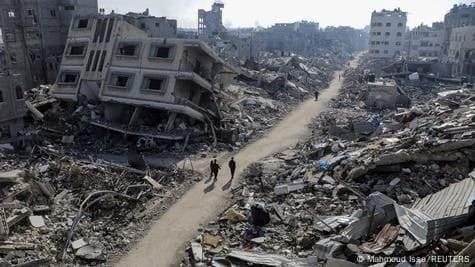
- The progress of IMEC is severely impacted by the ongoing conflict in Gaza.
Additional Details
- IMEC Overview:The India-Middle East-Europe Economic Corridor (IMEC) consists of two segments:
- India-Gulf corridor: Links India's western ports to the UAE and from there to Haifa, Israel, via high-speed freight rail through Saudi Arabia and Jordan.
- Gulf-Europe corridor: Connects Haifa to Greece and Italy by sea, followed by further transport through European rail networks.
- Geopolitical Context: Initially conceived during a period of relative stability in the Middle East, the IMEC was expected to benefit from Arab normalization with Israel, notably with Saudi Arabia's anticipated involvement.
- Economic Significance: The EU is India's largest trading partner, with bilateral trade reaching $137.41 billion in FY 2023-24, emphasizing the corridor's potential economic impact.
- Challenges: The war in Gaza has shifted the challenges of the IMEC from manageable to fundamental, notably affecting Jordan-Israel cooperation and diminishing Saudi-Israel normalization prospects.
- The conflict has raised insurance costs for regional trade, complicating the project's implementation.
While the IMEC holds significant potential for enhancing economic ties, its future is uncertain due to the ongoing conflicts. The restoration of regional stability is crucial for realizing the vision established in 2023, particularly regarding the Palestinian statehood issue. Until a lasting peace is achieved, efforts will remain focused on planning and trade facilitation rather than concrete progress.
GS2/International Relations
India-Middle East-Europe Economic Corridor
Why in News?
The India-Middle East-Europe Economic Corridor (IMEC) is currently a focal point due to geopolitical tensions in West Asia and disruptions in the Red Sea, which have raised concerns about its future viability and strategic implementation.
Key Takeaways
- IMEC is a major connectivity initiative aimed at enhancing trade and transport between India, the Arabian Peninsula, and Europe.
- It was conceived during the G20 Summit in New Delhi in 2023 with the goal of creating a seamless multimodal network.
- The corridor includes maritime routes and high-speed rail networks, along with infrastructure for electricity and digital connectivity.
Additional Details
- IMEC Overview: IMEC aims to connect Indian ports to those in the UAE, followed by a rail network through Saudi Arabia, Jordan, and Israel to Haifa Port, facilitating onward transportation to Europe.
- Historical Context: The geopolitical situation was favorable for IMEC's launch, particularly following the Abraham Accords and strengthened India-UAE-Saudi relations.
- Challenges: The October 2023 Hamas attacks have significantly impacted regional dynamics, threatening cooperation and security in West Asia.
- Strategic Importance: For India, IMEC offers an opportunity to diversify trade routes, reduce dependence on the Suez Canal, and enhance access to European markets, which are vital for India's economic growth.
- Infrastructure Vision: IMEC integrates energy, technology, and sustainability with initiatives for hydrogen pipelines, cross-border power trade, and advanced digital connectivity.
In conclusion, while IMEC faces substantial political and security challenges, it is viewed as a long-term strategic project essential for improving trade and regional cooperation. The success of IMEC hinges on establishing coordination mechanisms, attracting investment, and ensuring security for trade routes.
FAQs on International Relations - 2
| 1. What is a Schengen Visa? |  |
| 2. What are the strategic implications of the Yarlung Tsangpo Project for India? | |
| 3. How does Russia relate to the Taliban in the context of international relations? | |
| 4. What are the ecological concerns associated with China's mega dam on the Brahmaputra River? | |
| 5. What does the India-UK Comprehensive Economic and Trade Agreement (CETA) aim to achieve? | |




