Science and Technology - 1


Russia Jolted by Powerful 8.8-Magnitude Earthquake
 Why in News?
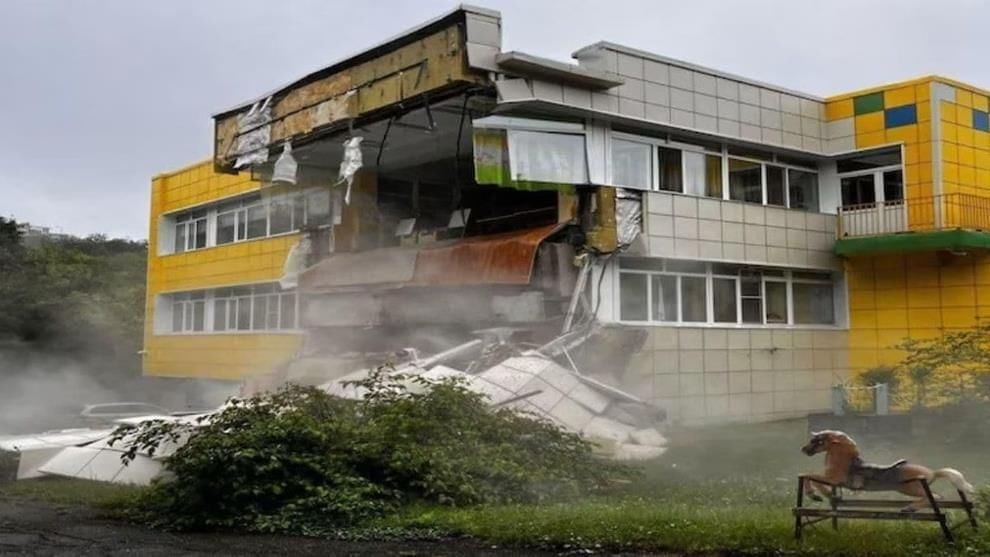
A powerful 8.8 magnitude earthquake struck off the coast of Russia's Kamchatka Peninsula, leading to widespread tsunami warnings across the Pacific. The quake, centered 119 km southeast of Petropavlovsk-Kamchatsky at a shallow depth of 19.3 km, was initially reported as 8.0 but later upgraded. It was followed by a strong 6.9 aftershock. This marks the strongest global quake since Japan's devastating 9.0 magnitude earthquake in March 2011 that triggered the Fukushima nuclear disaster.
Key Takeaways
- The Kamchatka earthquake is classified as a great earthquake, releasing immense energy.
- Each whole-number increase in magnitude corresponds to roughly 31.6 times more seismic energy.
- The region's seismic activity is due to tectonic plate movements, particularly subduction.
Additional Details
- Earthquake Magnitude: Refers to the measured energy released by an earthquake, while intensity describes the perceived shaking at specific locations.
- The Kamchatka Peninsula is one of the world's most earthquake-prone regions, having experienced several powerful quakes throughout history.
- Subduction Process: This geological process involves a denser tectonic plate sliding beneath a lighter one, leading to stress release and earthquakes.
- The Pacific Plate descends at a rate of approximately 86 mm per year, causing periodic massive earthquakes and tsunamis.
- The area is part of the Pacific Ocean's Ring of Fire, known for its intense seismic and volcanic activity.
- More than 15 countries, including Russia and Japan, are affected by the Ring of Fire, which generates about 80% of major earthquakes globally.
The recent earthquake in Kamchatka exemplifies the ongoing tectonic activity in the region, highlighting the importance of understanding seismic risks and preparing for potential future events.
NASA-ISRO Synthetic Aperture Radar (NISAR)
Why in News?
The NASA-ISRO Synthetic Aperture Radar (NISAR) is scheduled for launch from Sriharikota, India, utilizing the GSLV Mk-II launch vehicle.
Key Takeaways
- Launch Vehicle: GSLV Mk-II
- Launch Site: Sriharikota, India
- Mission Life: Planned for 3 years, with a design lifespan of over 5 years
- Orbit: Sun-synchronous polar orbit at an altitude of 747 km with an inclination of 98.4°
- Data Access: Free and near real-time data, with disaster maps provided in under 5 hours
Additional Details
- Objective: High-precision monitoring of Earth's surface changes, including tectonics, agriculture, ecosystems, ice, floods, and landslides.
- Hardware Contributions:
- NASA: L-band SAR, 12-meter antenna, avionics.
- ISRO: S-band SAR, satellite bus, launch services.
- Development Timeline:
- Initial Concept: 2007 (NASA); ISRO joined in 2012.
- Formal Agreement: 2014.
- Investment: NASA - ~$1.16 billion; ISRO - ~$90 million.
Key Features of NISAR
- What is Synthetic Aperture Radar (SAR)?
- Operates day/night and in all weather conditions.
- Simulates a large radar antenna through motion.
- Pierces clouds, vegetation, and soil.
- Dual-Band SAR:
- L-band SAR (1.257 GHz): Provides deeper penetration, ideal for forests, tectonic shifts, and permafrost.
- S-band SAR (3.2 GHz): Focuses on surface details, aiding in agriculture, flood mapping, and biomass tracking.
- Radar Antenna: 12-meter deployable mesh reflector.
- Resolution: 3-10 m spatial; cm-level vertical resolution.
- Swath Width: 240 km.
- Imaging Frequency: Global land/ice coverage every 12 days, less frequent in polar zones.
- Data Output: Generates 80 TB/day, which is three times the capacity of current Earth observatories.
Applications and Impact
- Disaster Relief: Provides before-and-after imagery for effective planning.
- Climate Monitoring: Tracks glacier melt and forest degradation.
- Agriculture: Monitors crop health, rotation, and food security.
- Infrastructure: Detects land subsidence in areas such as dams and cities.
- Strategic Value: Represents one of the most powerful Earth-observing radar satellites, the first with dual SAR payload, and enhances the India-US space partnership.
The NISAR mission exemplifies a significant collaboration in space technology, combining resources from NASA and ISRO to achieve groundbreaking advancements in Earth observation and monitoring.
What is Legionnaires' Disease?
Why in News?
Residents of Central Harlem, New York City, are being urged to take precautions due to recent cases of Legionnaires' disease, leading health authorities to initiate an urgent investigation.
Key Takeaways
- Legionnaires' disease is a serious lung infection caused by the bacterium Legionella.
- The disease is primarily transmitted through inhalation of contaminated water or soil.
- It is non-contagious and cannot be spread from person to person.
- Older adults and individuals with weakened immune systems are at greater risk.
Additional Details
- Transmission:Legionella bacteria are commonly found in freshwater environments like lakes and rivers, as well as in soil. Most infections occur when individuals breathe in contaminated aerosols from water sources.
- The disease is not spread through drinking contaminated water unless it is aspirated into the lungs.
- Symptoms: Common symptoms include fever, chills, headaches, malaise, and muscle pain (myalgia). Untreated cases can be fatal.
- Treatment: Early treatment with antibiotics is usually effective. However, some patients may continue to experience health issues even after treatment.
In summary, Legionnaires' disease poses a serious health risk, particularly for vulnerable populations, and requires prompt medical attention to ensure effective treatment.
Deep-Brain Stimulation
Why in News?
Deep-Brain Stimulation (DBS) has gained attention as an innovative medical technique that has been employed by over 160,000 individuals globally to address specific neurological and psychiatric disorders.
Key Takeaways
- DBS involves the implantation of electrodes in targeted brain areas.
- The technique is primarily used for treating movement disorders.
- DBS can also be used for certain psychiatric conditions.
Additional Details
- What is Deep-Brain Stimulation? DBS is a medical procedure where electrodes are surgically implanted into specific regions of the brain to help treat various disorders. These electrodes are linked to a device, similar to a pacemaker, which is placed under the skin and delivers controlled electrical impulses to the brain.
- How does it work? The device sends mild electrical impulses to targeted brain regions, helping to correct abnormal brain activity or chemical imbalances. This is particularly effective for conditions where faulty electrical signals cause symptoms.
- Applications: DBS is most widely recognized for its effectiveness in movement disorders such as Parkinson's disease, essential tremor, and dystonia, particularly for patients whose symptoms are unresponsive to medication. It has also been approved for treating obsessive-compulsive disorder and is being researched for conditions like severe depression and epilepsy.
- Advantages of DBS: One significant benefit of DBS is its reversible nature; if the device is turned off, the stimulation ceases, unlike traditional surgeries that destroy brain tissue. It is believed to help normalize disrupted brain circuits at both the cellular and network levels.
Overall, Deep-Brain Stimulation holds promise for enhancing the quality of life for individuals with challenging neurological and psychiatric disorders by providing a method to manage and alleviate symptoms effectively.
Foot and Mouth Disease (FMD)
Why in News?
Recently, the deaths of 16 chitals, or spotted deer, at the Rajiv Gandhi Zoological Park in Pune have been confirmed to be due to Foot and Mouth Disease (FMD) following lab reports.
Key Takeaways
- FMD is a highly contagious viral disease affecting cloven-hoofed animals.
- It does not pose a threat to human health or food safety.
- The disease is transmitted through direct and indirect contact with infected animals.
Additional Details
- About Foot and Mouth Disease (FMD): FMD is caused by an aphthovirus from the family Picornaviridae and affects animals like cattle, sheep, goats, deer, and pigs. It is not related to the common childhood illness known as hand, foot, and mouth disease, which is caused by a different virus.
- Transmission: The virus spreads through direct contact with infected animals or indirectly via secretions (like milk and semen) and can also be carried by mechanical vectors such as people, vehicles, and even through air movement.
- Symptoms: FMD is characterized by symptoms such as fever, blister-like sores on the tongue and lips, lameness, and reluctance to eat. It can lead to severe production losses in livestock.
- Vaccination: Vaccines for FMD are available but need to be specific to the virus type causing the outbreak. There are seven known strains of the virus.
In conclusion, while the majority of infected animals can recover, FMD often leaves them weakened and can be fatal, especially in young animals. The disease remains a significant concern for livestock production and trade.
NISAR Satellite - A Landmark NASA-ISRO Collaboration for Earth Observation
Why in News?
The Indian Space Research Organisation (ISRO) is preparing to launch the NISAR satellite from Sriharikota aboard a GSLV Mk-II rocket. This mission, which is a collaboration between NASA and ISRO, is set to take place on July 30 and is regarded as one of the most advanced Earth observation missions globally, with a budget of Rs. 12,000 crore and over a decade of development.
Key Takeaways
- NISAR is the first dual-band radar satellite for Earth observation.
- It combines NASA's radar technology with ISRO's engineering expertise.
- The satellite will monitor various environmental and disaster-related phenomena.
Additional Details
- Unique Features:NISAR is equipped with dual-frequency synthetic aperture radar (SAR), featuring:
- L-band radar (1.257 GHz): Suitable for penetrating dense forests and soil to assess subsurface movements.
- S-band radar (3.2 GHz): Optimized for surface-level observations, including crop growth and biomass estimates.
- Wide Coverage: The radar swath width is 240 km, with a spatial resolution of 3-10 meters, enabling precise tracking of phenomena such as land subsidence.
- Scientific Applications: NISAR supports research across six key themes, including solid Earth processes, ecosystems, and disaster response.
- India-Specific Enhancements: While NISAR will function globally, ISRO will operate the S-band radar over India to enhance applications in agriculture, forestry, and disaster management.
- Data Accessibility: NISAR will adopt an open-data policy, ensuring data availability typically within a few hours after acquisition.
In conclusion, NISAR represents a significant advancement in Earth observation technology, contributing to global scientific knowledge and supporting various applications critical for environmental monitoring and disaster response.
AI for India 2.0 Programme
Why in News?
The Minister of State (Independent Charge) for the Ministry of Skill Development and Entrepreneurship (MSDE) recently updated the Rajya Sabha about the AI for India 2.0 Programme, which aims to enhance skill development in Artificial Intelligence (AI) and Machine Learning (ML).
Key Takeaways
- The programme was launched in 2023 on the occasion of 'World Youth Skills Day'.
- It offers free online training in AI and ML with a focus on vernacular accessibility.
- Content is available in nine Indian languages, including Hindi, Telugu, and Kannada.
- The target audience includes college students, fresh graduates, and early-career professionals, particularly from rural and non-English-speaking backgrounds.
Additional Details
- Special Focus on Vernacular Languages: The programme emphasizes content delivery in local languages, thereby empowering youth and making tech education accessible.
- Collaboration: It is a joint initiative involving GUVI (Grab Ur Vernacular Imprint), an ed-tech company incubated by IIT Madras and IIM Ahmedabad, along with Skill India, aiming to promote education in vernacular languages.
- The programme is nationally accredited by NCVET and IIT Madras, ensuring the quality and recognition of the training provided.
This initiative represents a significant step towards equipping young individuals with cutting-edge skills in AI and ML, ultimately contributing to the growth of a skilled workforce in India.
Chikungunya: A Growing Concern
Why in News?
The Ministry of Health in China has launched an emergency campaign to protect individuals at risk of Chikungunya fever, a mosquito-borne viral disease that is becoming increasingly prevalent.
Key Takeaways
- Chikungunya is caused by the Chikungunya Virus (CHIKV).
- Symptoms include fever and severe joint pain, often leading to misdiagnosis with diseases like dengue and Zika.
Additional Details
- Transmission: The disease is transmitted to humans through the bites of infected female mosquitoes, primarily Aedes aegypti and Aedes albopictus. These mosquitoes can also carry other viruses such as dengue and Zika. Importantly, the infection is not contagious between humans.
- Symptoms: The onset of fever is abrupt, typically accompanied by joint pain. Other common symptoms include muscle pain, headache, nausea, fatigue, and rash. Severe joint pain may last for several days but can persist for months or even years. Serious complications are rare but can occur, particularly in elderly individuals and young children.
- Treatment: Currently, there is no vaccine or antiviral treatment available for Chikungunya. Management focuses on alleviating symptoms.
In summary, as Chikungunya cases rise, public health efforts are crucial to manage and mitigate the spread of this disease.
Solar EruptioN Integral Field Spectrograph
Why in News?
The Solar EruptioN Integral Field Spectrograph (SNIFS) is set to launch as part of a collaborative effort by NASA and international solar physicists from New Mexico. This mission aims to deepen our understanding of the solar atmosphere, particularly the complex chromosphere.
Key Takeaways
- SNIFS is designed to explore the dynamics and energetics of the solar chromosphere.
- It represents the first solar ultraviolet integral field spectrograph, combining imaging and spectrographic capabilities.
- The mission will observe real-time high-resolution data from both the chromosphere and the transition region of the Sun.
Additional Details
- Integral Field Spectrograph:This advanced technology merges two critical functions:
- Imagers: Capture extensive photos and videos, allowing for a broad view of light.
- Spectrographs: Analyze light by separating it into various wavelengths, helping identify elemental composition, temperature, and movement from a single location.
- Target Observation: The SNIFS mission will focus on the hydrogen Lyman-alpha line, which is the most intense line in the solar ultraviolet spectrum and a key diagnostic for assessing conditions in the upper chromosphere.
This innovative approach will enhance our comprehension of solar activities and their implications for space weather, contributing significantly to the field of solar physics.
What is Chronic Venous Insufficiency (CVI)?
 Why in News?
Recently, former US President Donald Trump has been diagnosed with Chronic Venous Insufficiency (CVI), a condition affecting blood flow in the legs.
Key Takeaways
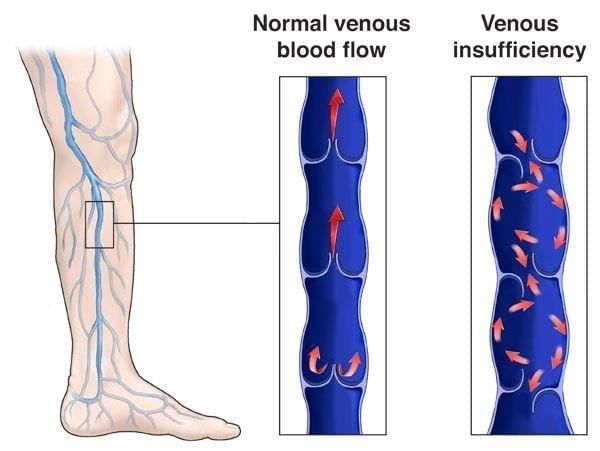
- CVI occurs when leg veins struggle to return blood to the heart.
- It can lead to symptoms such as pain, swelling, and varicose veins.
- Risk factors include obesity, pregnancy, family history, and previous leg injuries.
Additional Details
- Chronic Venous Insufficiency: This condition arises when the valves in the leg veins do not function properly, causing blood to pool in the legs.
- The condition affects approximately 1 in 20 adults, with a higher prevalence among older individuals.
- Common symptoms include cramps, skin changes, and leg ulcers.
- Treatment options range from lifestyle changes such as regular exercise and weight management to more advanced methods like compression therapy and medication.
In summary, while CVI may not pose a serious health threat, it can significantly impact quality of life. Early intervention and treatment can help manage symptoms effectively.
IIST Scientists Detected Circular Polarisation near Massive Protostar
Why in News?
Researchers at the Indian Institute of Space Science and Technology (IIST) have successfully detected radio emissions exhibiting circular polarisation near a young massive protostar known as IRAS 18162-2048. This discovery holds significant implications for understanding star formation and the role of magnetic fields in the universe.
Key Takeaways
- The discovery provides the first direct evidence of magnetic fields originating from the protostar itself.
- Circular polarisation is a rare phenomenon that offers insights into the magnetic environment surrounding protostars.
- The magnetic field strength near IRAS 18162-2048 is estimated to be 100 times stronger than that of Earth's magnetic field.
Additional Details
- About Protostars: Protostars are early-stage stars that form through the gravitational collapse of dense regions in molecular clouds. They are in the accretion phase, actively gathering gas and dust but not yet undergoing sustained nuclear fusion.
- Jet Ejection: These stars emit bipolar jets, which are high-speed streams of particles often observed at their poles.
- Massive Protostars: Protostars like IRAS 18162-2048 are expected to evolve into stars with masses exceeding 8-10 times that of the Sun.
- Challenges in Observation: The protostar is heavily obscured by dense gas and dust, complicating traditional observational methods.
- Recent Observations: The detection of circular polarisation in radio waves indicates the presence of strong magnetic fields, reinforcing the theory that such fields contribute to jet formation in both stars and black holes.
This breakthrough not only enhances our understanding of protostellar jet dynamics but also paves the way for future studies on the role of magnetic fields in star formation processes.
GS3/Science and Technology
Bharat Forecast System
Why in News?
The Union Minister of State (Independent Charge) for Science and Technology, Earth Sciences recently informed the Rajya Sabha about the Bharat Forecast System, an innovative step in India's meteorological capabilities.
Key Takeaways
- The Bharat Forecast System is an indigenously developed advanced weather forecasting system.
- It utilizes a Triangular Cubic Octahedral (TCo) dynamical grid, achieving a horizontal resolution of 6 km, enhancing precision compared to previous models.
- Real-time weather predictions are facilitated by supercomputing facilities at IITM-Pune and NCMRWF-Noida.
- The system aims to generate localized forecasts for clusters of panchayats, significantly improving predictions of extreme weather events.
Additional Details
- Development and Collaboration: The BharatFS was created by a team of scientists from Indian institutions, including IITM-Pune, with support from NCMRWF-Noida and the India Meteorological Department (IMD).
- Significance: With its enhanced resolution, the BharatFS captures local weather features, aiding farmers in crop planning, irrigation, and harvesting, while also assisting water authorities in managing reservoirs during monsoon seasons.
- The system has shown a 30% improvement in the accuracy of predicting extreme rainfall compared to previous models, reinforcing India's meteorological services and regional leadership.
The launch of the Bharat Forecast System represents a significant upgrade in India's weather forecasting capabilities, promoting self-reliance and enabling better preparedness for extreme weather conditions.
GS3/Science and Technology
Launch of e-Sushrut@Clinic
Why in News?
Recently, the National Health Authority (NHA) and the Centre for Development of Advanced Computing (C-DAC) entered into a Memorandum of Understanding (MoU) to implement e-Sushrut@Clinic, a new initiative aimed at enhancing healthcare delivery in outpatient settings.
Key Takeaways
- e-Sushrut@Clinic is a lightweight, cloud-based Hospital Management Information System (HMIS) tailored for outpatient clinics.
- This initiative supports small and medium healthcare providers and is a vital component of the Ayushman Bharat Digital Mission (ABDM).
- The application is designed to facilitate easy onboarding for healthcare providers, allowing them to manage patient records efficiently.
Additional Details
- Features: The system includes modules for outpatient management, pharmacy, and nursing, providing essential functionalities at a low per-user cost.
- Healthcare providers can register on e-Sushrut@Clinic directly if they are not yet part of the Health Facility Registry (HFR) or Health Professionals Registry (HPR).
- This platform simplifies access to patient health records, telemedicine services, diagnostics, and prescriptions for both public and private clinics.
- Utilization of the AIIMS Clinical Decision Support Systems (CDSS) for hypertension and diabetes will be available, enhancing patient care by aiding doctors in diagnosis and treatment.
The launch of e-Sushrut@Clinic represents a significant advancement in the digitization of healthcare services in India, making it easier for small and medium healthcare providers to adopt modern medical practices and improve patient outcomes.
GS3/Science and Technology
Why India Needs a National Space Law
Why in News?
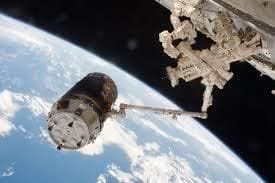
India is on the brink of a new era in space exploration, marked by significant achievements such as lunar missions, the Gaganyaan project, and the proposed Bharat Antariksh Station. However, the absence of a national space law poses a crucial challenge to the growth and regulation of this sector.
Key Takeaways
- India has made remarkable strides in space technology, but lacks a comprehensive legal framework.
- The absence of clear regulations hampers private participation and investment in the space sector.
- Internationally, countries like the U.S., Japan, and Luxembourg have established frameworks that provide legal certainty.
Additional Details
- Urgency for a National Space Law: India's achievements in space science are impressive, yet the lack of a national legal framework may lead to accountability gaps, especially as private companies enter the field.
- Private Participation: Startups are crucial for innovation, but they face operational hurdles due to unclear licensing, foreign direct investment (FDI) rules, liability, and insurance issues.
- International Responsibility: Under the Outer Space Treaty, India is accountable for both governmental and private space activities, yet lacks a domestic framework for enforcement.
- Global Comparisons: Nations like the U.S. have laws such as the Commercial Space Launch Act that provide liability coverage and attract private investment.
- Incremental Approach: India's cautious strategy prioritizes technical regulations before broad legislative measures, as seen in the Indian Space Policy (ISP) 2023 and the IN-SPACe Norms.
To ensure sustained growth in its space sector, India must enact a comprehensive national space law that addresses clarity, liability management, insurance, intellectual property protection, and a statutory framework for IN-SPACe. This legal framework is essential for balancing innovation with responsibility and will be pivotal for India's future as a space leader.
GS3/Science and Technology
With Sci-Hub Gone, Will the 'One Nation, One Subscription' Scheme Step Up?

Why in News?
The recent blocking of Sci-Hub in India signifies a critical moment in the ongoing struggle between corporate publishers and the concept of open knowledge. The central issue revolves around the paradox of publicly funded research being placed behind steep paywalls. The government's One Nation One Subscription (ONOS) scheme, which allocates ₹6,000 crore, aims to make access to 13,000 journals more democratic for research institutions. However, there are significant concerns regarding its cost-effectiveness, inclusivity, and sustainability in the long term.
Key Takeaways
- The Delhi High Court's ruling against Sci-Hub is a landmark decision supporting publishers in copyright disputes.
- Publicly funded research is often monetized by private entities, which leads to exorbitant subscription costs.
- The ONOS initiative represents a large-scale attempt to bridge the knowledge access gap, yet its effectiveness remains in question.
Additional Details
- Distinctive Nature of Scientific Publishing:
- No royalties are paid to authors; researchers and peer reviewers work without compensation.
- Much of Indian scientific research is funded by taxpayers but is restricted to private access.
- Institutions face exorbitant subscription fees, with publishers justifying costs through claims of "quality control," despite significant profit margins.
- Global Controversy Around Sci-Hub:
- Sci-Hub has been ruled against for copyright infringement in various jurisdictions, including India.
- Many researchers relied on Sci-Hub for access to knowledge, especially those not affiliated with elite universities.
- Recent developments have shown a decline in Sci-Hub's relevance due to technical issues and an increase in open-access options.
- Vision of One Nation, One Subscription:
- The government plans to use ₹6,000 crore (2023-2026) for comprehensive access to 13,000 journals starting with public institutions.
- The initiative aims to provide equitable access, though private researchers may remain excluded until later phases.
The ban on Sci-Hub underscores the ongoing inequities in accessing scientific knowledge. While ONOS is a progressive step, it may only serve as a temporary solution unless accompanied by comprehensive reforms aimed at enhancing indigenous publishing capabilities, establishing national repositories, and implementing copyright retention policies. India's goal should not merely be to alleviate symptoms of an exploitative system but to fundamentally transform knowledge into a public good.
GS3/Science and Technology
ICRISAT's AI-based Agromet Advisory Service
Why in News?
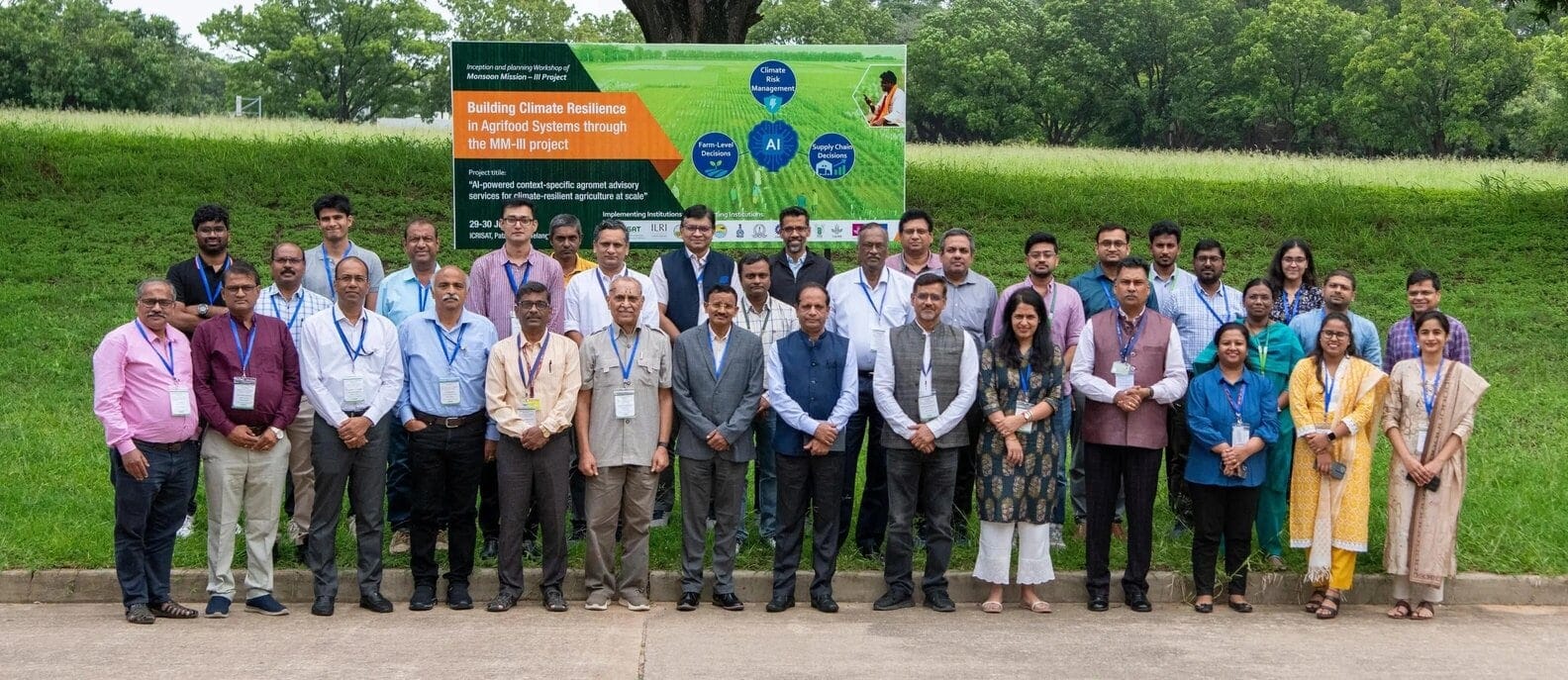
The International Crops Research Institute for the Semi-Arid Tropics (ICRISAT), in collaboration with the Indian Council of Agricultural Research (ICAR), has launched an innovative AI-based Agromet Advisory Service aimed at enhancing agricultural practices and supporting farmers in adapting to climate change.
Key Takeaways
- The service leverages Artificial Intelligence (AI) and Machine Learning (ML) to deliver real-time, tailored climate advisory services.
- It focuses on providing smallholder farmers with localized, actionable weather and climate insights.
- The initiative aims to assist farmers in making critical decisions regarding sowing, irrigation, and pest management.
- Advisory services will be accessible through user-friendly digital channels, including an AI-powered WhatsApp bot.
Additional Details
- Implementation Phase: The project will initially be rolled out in Maharashtra through ICAR's Agro-Meteorological Field Units (AMFUs) targeting smallholder farmers.
- Support and Collaboration: The initiative is supported under the Government of India's Monsoon Mission III and involves several organizations, including the Central Research Institute for Dryland Agriculture (CRIDA-ICAR), the International Livestock Research Institute (ILRI), the Indian Institute of Tropical Meteorology (IITM), and the Indian Meteorological Department (IMD).
- iSAT Tool: The Intelligent Systems Advisory Tool (iSAT), previously piloted during Monsoon Mission II, is being upgraded into a fully functional AI-powered platform to transform complex climate data into personalized advisories.
This initiative is expected to significantly enhance the agricultural decision-making process for farmers, particularly in areas prone to climate variability. By providing timely and relevant insights, ICRISAT aims to serve as a model for future agricultural advisory services both nationally and internationally.
FAQs on Science and Technology - 1
| 1. What is Legionnaires' Disease? |  |
| 2. How does Deep-Brain Stimulation work? | |
| 3. What is the significance of the NISAR satellite collaboration? | |
| 4. What are the potential implications of India's first hydrogen train coach? | |
| 5. What is N-Nitrosodimethylamine (NDMA) and its relevance? | |




