UPSC Daily Current Affairs: 2026-03-03


GS3/Environment
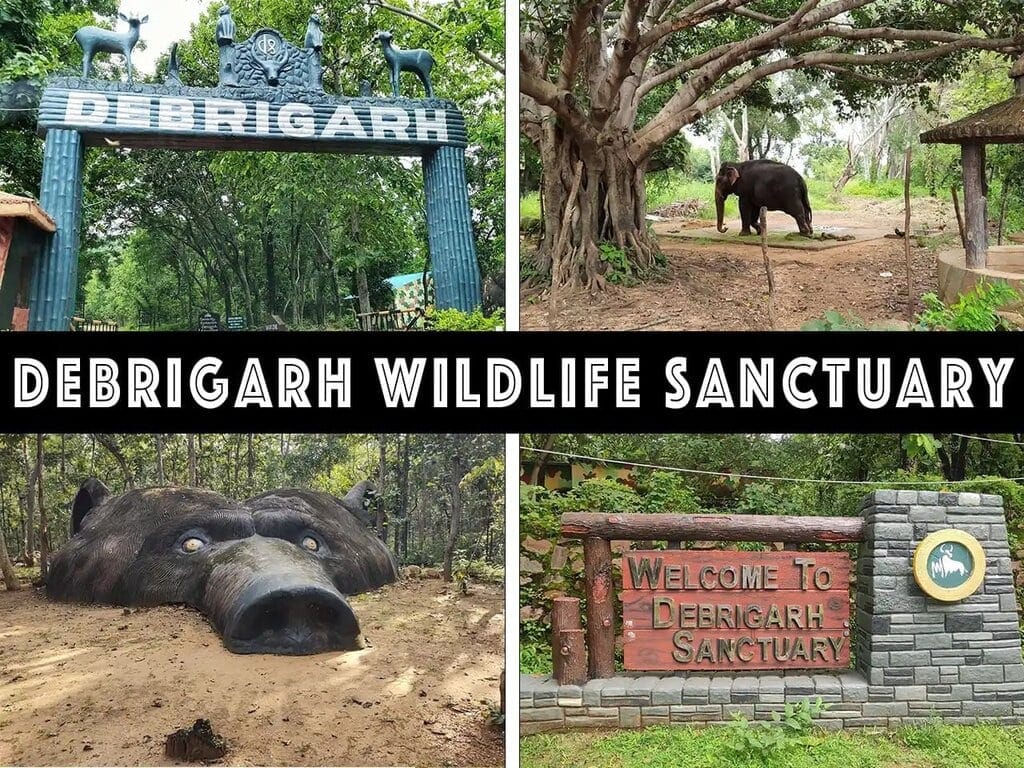
Debrigarh Wildlife Sanctuary
 Why in News?
The Debrigarh Wildlife Sanctuary is preparing to host the second edition of the two-day 'Indian Bison Fest', highlighting its significance as a habitat for Indian Gaur.
Key Takeaways
- The sanctuary is located in the Bargarh district of Odisha.
- Known as the "Land of Bisons" due to the prominent population of Indian Gaur.
- Bounded by the Hirakud Reservoir, the world's longest earthen dam.
- Declared a wildlife sanctuary in 1985, it is also recognized as an Eco-Sensitive Zone (ESZ).
Additional Details
- Historical Significance: The sanctuary is associated with the freedom fighter Veer Surendra Sai, who used the area as a base during his rebellion against the British.
- Vegetation: The area predominantly features mixed and dry deciduous forests, hosting various significant tree species including Sal, Asana, Bija, Aanla, and Dhaura.
- Fauna: Notable wildlife includes Indian leopards, sloth bears, chousingha (four-horned antelope), sambar deer, gaurs (Indian bison), wild boars, and Indian wild dogs (dholes).
- Bird Life: The sanctuary serves as a vital wintering ground for migratory birds like the crested serpent eagle, Flower Peckers, red-vented bulbul, tree pie, drongo, and white eye oriental.
- Eco-Tourism: Managed through a community-driven model involving local Gond tribal women, the sanctuary promotes sustainable livelihoods through safaris and eco-cottages.
Debrigarh Wildlife Sanctuary serves as a crucial ecosystem, supporting diverse flora and fauna while promoting conservation through community involvement and eco-tourism initiatives.
GS2/International Relations
Resetting India-Canada Relations - Uranium Deal and CEPA Negotiations
Why in News?
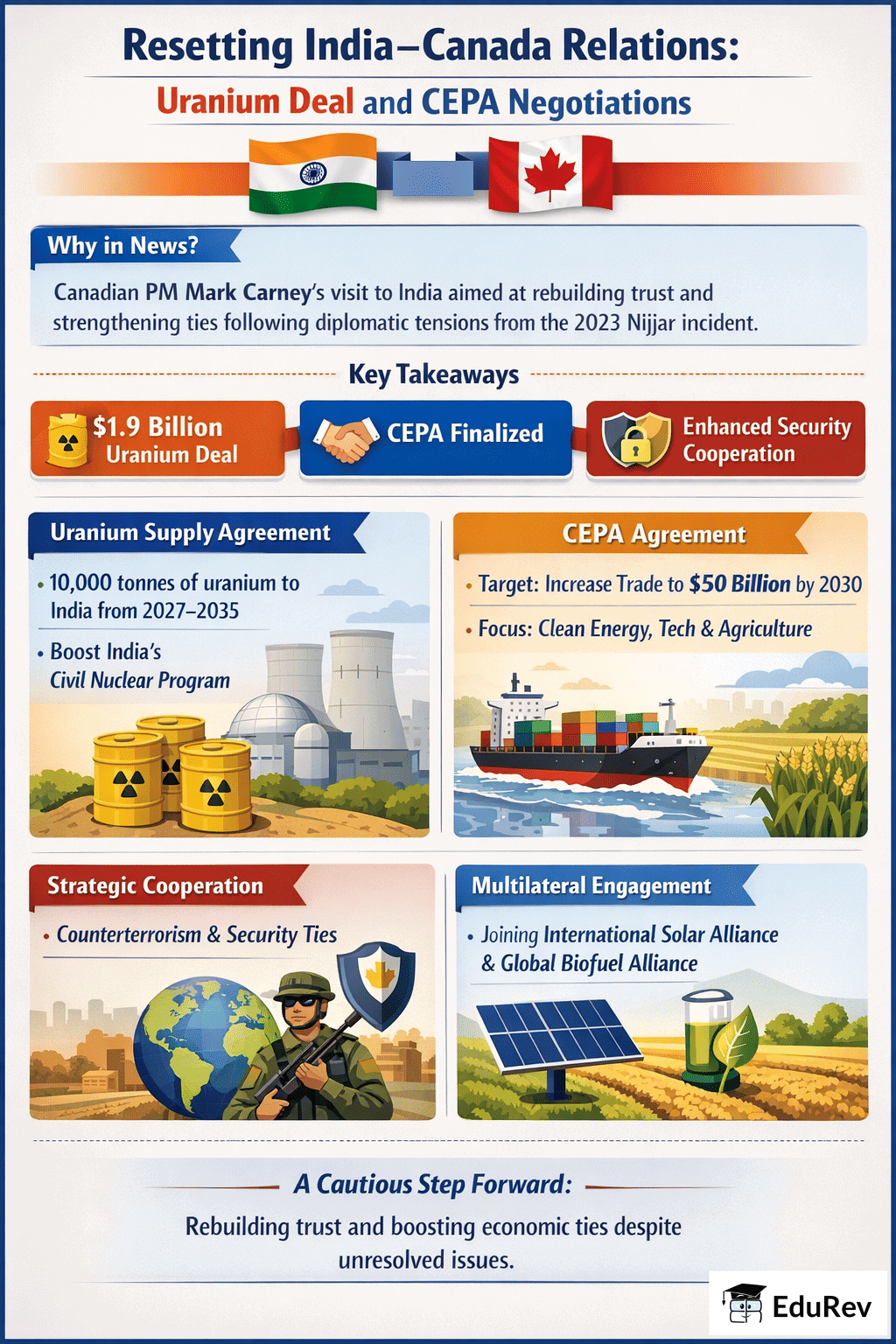
India and Canada have made significant strides to improve their historically strained bilateral relations during the recent visit of Canadian Prime Minister Mark Carney to India. Discussions with the Indian Prime Minister focused on rebuilding strategic trust, enhancing economic ties, and strengthening collaboration in energy and security sectors. This visit represents the first comprehensive bilateral engagement by a Canadian Prime Minister since Justin Trudeau's trip in 2018 and follows a diplomatic rift resulting from the 2023 incident involving the killing of Hardeep Singh Nijjar. The leaders also addressed the escalating conflicts in West Asia, emphasizing the need for peace, stability, and dialogue, although no joint statement was issued.
Key Takeaways
- India and Canada signed a $1.9 billion uranium supply agreement.
- CEPA negotiations were finalized aiming to boost bilateral trade significantly.
- Strengthened cooperation in energy and security sectors.
Additional Details
- Uranium Supply Agreement: India and Canada agreed to a deal for 10,000 tonnes of uranium from 2027 to 2035, enhancing India's energy security and supporting its civil nuclear energy program.
- Comprehensive Economic Partnership Agreement (CEPA): Aimed at increasing bilateral trade from $8.66 billion to $50 billion by 2030, focusing on sectors like clean energy, technology, and agriculture.
- Strategic Cooperation: Both nations committed to strengthening counterterrorism efforts and enhancing security cooperation.
- Multilateral Engagement: Canada will join the International Solar Alliance and the Global Biofuel Alliance, bolstering India's climate diplomacy.
The agreements reached during the 2026 India-Canada meetings represent a cautious yet significant effort to rebuild strategic trust following years of diplomatic tensions. While the focus on economic and energy cooperation is promising, unresolved issues, particularly the Nijjar controversy and mutual security concerns, present ongoing challenges. Continuous dialogue and institutional cooperation will be essential for transforming this relationship into a stable strategic partnership.
GS2/Polity
Bureau of Energy Efficiency Celebrates 25th Foundation Day
 Why in News?
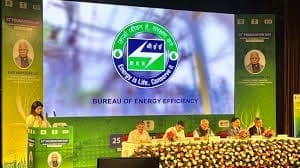
The 25th Foundation Day of the Bureau of Energy Efficiency (BEE), which operates under the Ministry of Power, Government of India, was recently commemorated in New Delhi, highlighting its ongoing commitment to energy efficiency in India.
Key Takeaways
- BEE was established in 2002 under the Energy Conservation Act, 2001.
- The main aim of BEE is to reduce the energy intensity of the Indian economy.
- BEE is the leading agency for implementing the Carbon Credit Trading Scheme (CCTS).
- In early 2026, BEE introduced 12 offset methodologies to facilitate carbon credit projects across various sectors.
Additional Details
- Nodal Ministry: BEE functions under the Ministry of Power, coordinating with designated consumers and agencies to enhance energy efficiency.
- Regulatory Functions: BEE is responsible for developing minimum energy performance standards and energy consumption norms for various sectors, including commercial buildings.
- Key Schemes: Among its initiatives are the National Mission for Enhanced Energy Efficiency (NMEEE), Energy Conservation Building Code (ECBC), and Municipal Demand Side Management (MuDSM) Scheme.
As a pivotal entity in India's energy landscape, the Bureau of Energy Efficiency continues to play a crucial role in promoting sustainable energy practices and reducing overall energy consumption nationwide.
GS3/Science and Technology
ALMA Telescope
 Why in News?
Astronomers have recently utilized the ALMA telescope to capture the central region of our Milky Way with unprecedented detail, paving the way for significant discoveries in astrophysics.
Key Takeaways
- ALMA stands for Atacama Large Millimeter/submillimeter Array.
- It is located in the Atacama Desert in Chile, designed to study celestial objects at millimeter and submillimeter wavelengths.
- Operational since 2013, ALMA comprises 66 high-precision antennas that can be configured for various observational needs.
Additional Details
- Development: The telescope was developed through a collaboration among the U.S. National Radio Astronomy Observatory (NRAO), the National Astronomical Observatory of Japan (NAOJ), and the European Southern Observatory (ESO).
- Why Atacama Desert:
- Low Humidity: The Atacama Desert is the driest place on Earth, minimizing atmospheric water vapor absorption, which is critical for millimeter wave detection.
- High Altitude: Situated at over 5,000 meters, the thin atmosphere offers a clearer view of the universe.
- International Partnership:ALMA represents a global collaboration involving numerous countries:
- Europe: Contributions from various European countries.
- North America: The U.S. National Science Foundation (NSF) and the National Research Council of Canada.
- East Asia: Involvement from Japan's National Institutes of Natural Sciences (NINS), along with contributions from South Korea and Taiwan.
- Major Discoveries:
- Black Hole Imaging: ALMA was part of the Event Horizon Telescope (EHT) project that captured the first image of the supermassive black hole Sagittarius A* at the Milky Way's center.
- Protoplanetary Disks: The telescope captured detailed images of protoplanetary disks, such as around the star HL Tauri, significantly changing our understanding of planet formation.
- Einstein Ring: ALMA observed the bending of light from distant galaxies, providing insights that were previously unattainable.
In conclusion, the ALMA telescope stands as a monumental achievement in astronomical research, enhancing our understanding of the universe through its cutting-edge technology and international collaboration.
GS2/International Relations
Hormuz Halt: India Eyes Higher Russian Oil Imports
 Why in News?
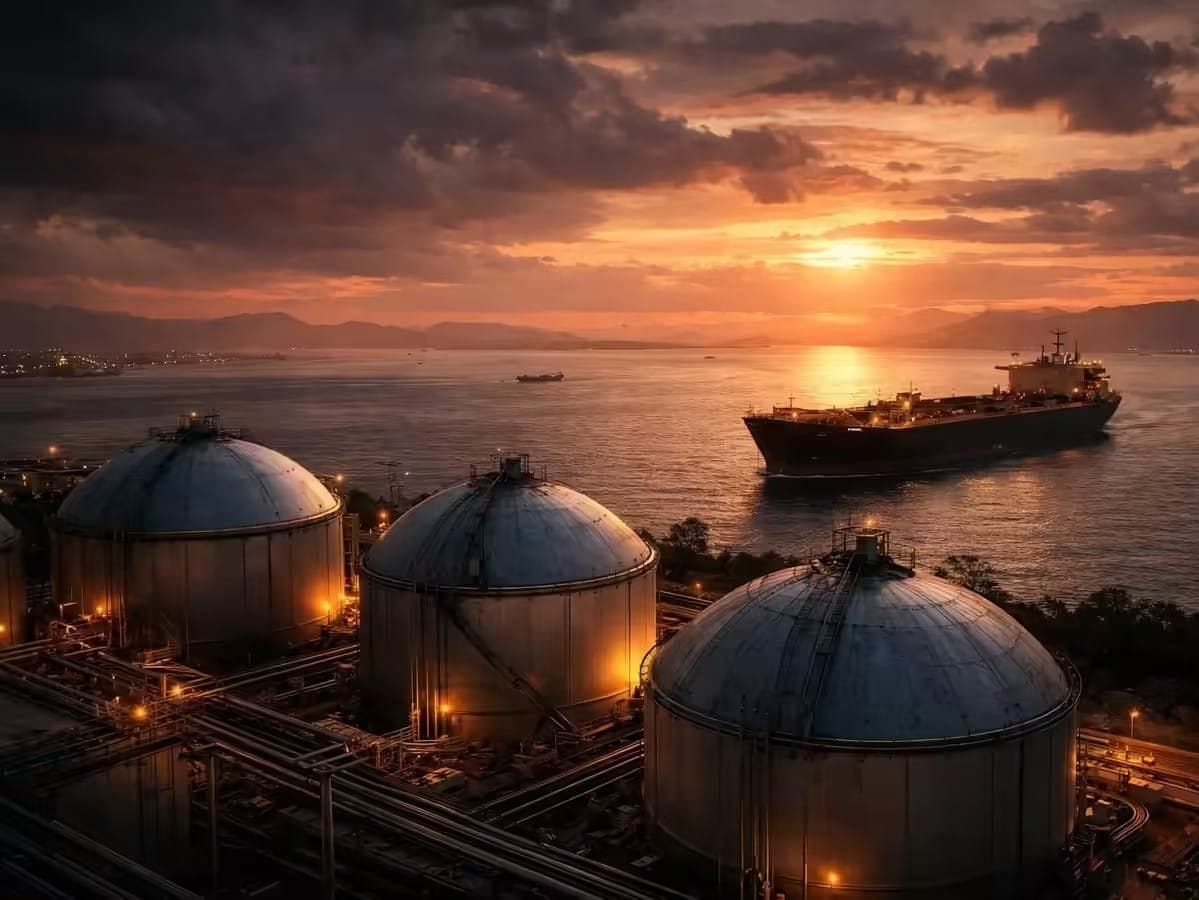
The Indian government and public sector refiners are considering increasing imports of Russian crude oil due to disruptions in oil flows through the Strait of Hormuz, which have arisen amid the ongoing conflict in West Asia. Previously, India had reduced its Russian oil purchases during trade negotiations with the United States. However, with shipments through Hormuz effectively suspended, turning to Russian oil could help India manage potential supply shortages.
Key Takeaways
- India relies heavily on the Strait of Hormuz for oil imports.
- There is a significant amount of Russian crude available for import.
- India's current oil inventory provides a buffer against immediate supply disruptions.
Additional Details
- India's Oil Dependence: Approximately 2.5 to 2.7 million barrels per day of India's crude imports pass through the Strait of Hormuz, accounting for nearly half of its total oil imports.
- Strategic Importance of Hormuz: The Strait of Hormuz is a critical oil transit chokepoint, responsible for about one-fifth of global petroleum and LNG trade.
- With recent claims from Iran's Islamic Revolutionary Guards Corps regarding the closure of the Strait, many traders and shipping companies have suspended operations to mitigate conflict risks.
- Industry estimates suggest that around 10 million barrels of Russian crude are currently available in Asian waters, providing a viable alternative for India.
As India navigates these supply challenges, it can leverage its strategic reserves and explore alternative suppliers beyond the Gulf region, including the United States, West Africa, and Latin America. The situation remains fluid, and the duration of the disruption in the Strait of Hormuz will significantly influence the impact on India's energy security and domestic fuel prices. Notably, India's vulnerability extends beyond crude oil, as it heavily relies on imports for LPG and LNG, with 80-85% of its LPG needs coming from Gulf suppliers through Hormuz.
GS2/Governance
Eligible Manufacturer Importers (EMIs) Scheme
 Why in News?
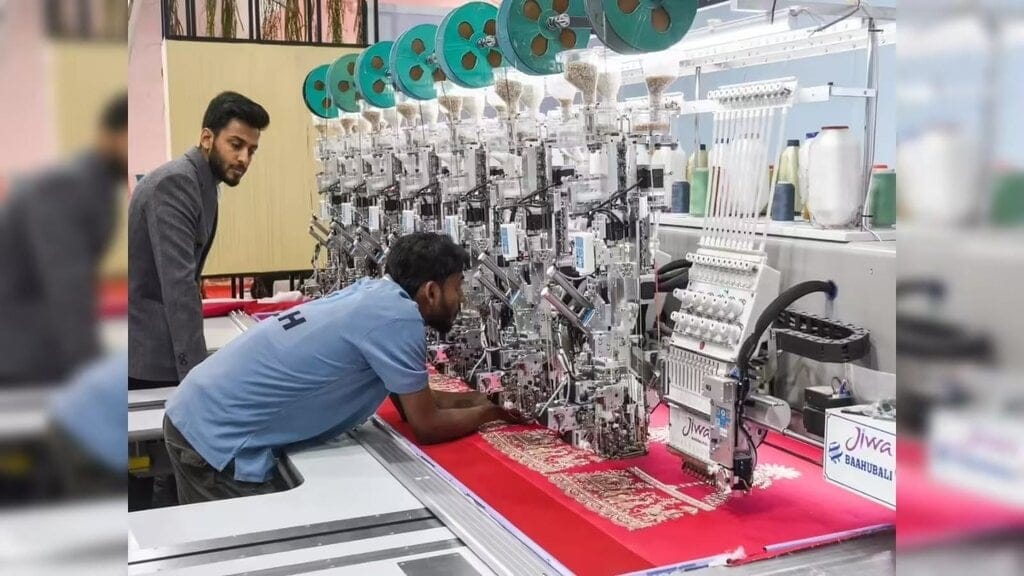
The CBIC has recently released comprehensive guidelines regarding the eligibility conditions, application process, and operational framework for the Eligible Manufacturer Importers (EMIs) scheme. This initiative aims to facilitate manufacturers by allowing them to import goods without immediate customs duty payments.
Key Takeaways
- The EMI scheme will be operational from 1st April 2026 to 31st March 2028.
- Approved EMIs can clear imported goods without upfront customs duty payments.
- Customs duties will be payable on a monthly basis rather than per transaction.
- The scheme is designed to enhance liquidity for manufacturers, promoting reinvestment in production.
- It operates on a trust-based model to encourage compliance among businesses.
Additional Details
- Nature: This scheme is a trust-based facilitation measure aimed at compliant manufacturers, simplifying the import process.
- Deferred Payment Facility: Approved EMIs can import goods and defer customs duties, improving cash flow and working capital.
- Eligibility Criteria:
- Must be a registered manufacturer under the CGST Act or an importer sending goods to a job worker.
- Must demonstrate a clean compliance record with Customs and GST regulations, a solid financial standing, and meet minimum turnover thresholds.
- Must have a minimum requirement of filing at least 25 EXIM documents in the previous financial year.
- Existing Authorised Economic Operator (AEO-T1) entities, including MSMEs, may apply, with expectations to upgrade to AEO-T2 or AEO-T3 status over time.
- The scheme is expected to enhance the ease of doing business, foster a culture of compliance, and stimulate domestic manufacturing growth.
The EMI scheme represents a significant step towards easing the import process for manufacturers, aiming to boost their operational efficiency and financial health.
GS2/Polity
Nucleic Acid Test (NAT) for Blood Transfusion
 Why in News?
The Supreme Court has decided to review the necessity of making the Nucleic Acid Test (NAT) mandatory in blood banks to enhance the safety of blood transfusions.
Key Takeaways
- The Supreme Court is evaluating a petition for mandatory NAT in blood banks.
- NAT is claimed to be more sensitive and safer than current screening methods.
- The Court is considering the financial implications of implementing NAT across states.
Additional Details
- Background of the Case: The issue arose following a petition by an NGO advocating for the mandatory implementation of NAT in India's blood banks, citing that the right to safe blood transfusion is part of the fundamental right to life under Article 21 of the Constitution.
- Nucleic Acid Test (NAT): NAT is a molecular diagnostic technique that detects the genetic material of viruses in donated blood, identifying infections such as HIV, Hepatitis B, and Hepatitis C. It significantly reduces the "window period," thus enhancing blood safety compared to traditional serological tests.
- Constitutional Dimension and Right to Life: The petitioner contends that access to safe blood is essential for life, aligning with Article 21, which has been interpreted to include health and medical care.
- Cost and Feasibility Concerns: The Court raised questions on the financial viability of implementing NAT universally, focusing on whether economically weaker states can afford it, given their budget constraints.
- Public Health Context: Recent cases of children contracting HIV from contaminated blood transfusions have intensified the urgency of this issue, particularly among Thalassemia patients who frequently require blood transfusions.
- Policy and Regulatory Framework: Blood safety in India is governed by the Drugs and Cosmetics Act, 1940, and overseen by the National Blood Transfusion Council (NBTC). Current mandatory screenings do not uniformly require NAT.
The Supreme Court's examination of the NAT's mandatory implementation reflects a broader acknowledgment of the public health implications and the necessity of ensuring safe blood transfusions in India.
GS2/Polity
Rethinking Tax Searches for the Digital Age
 Why in News?
The Supreme Court of India is addressing the constitutional implications of the case Vishwaprasad Alva vs Union of India, which raises critical questions about the extent of state authority to access citizens' digital information, particularly under Section 132 of the Income Tax Act. This provision historically allowed physical searches and seizures but is now applied to digital spaces, challenging the balance between taxation enforcement and individual privacy.
Key Takeaways
- The evolution of Section 132 from physical searches to digital access represents a significant shift in how tax laws are enforced.
- Digital devices contain extensive personal information, raising concerns about privacy and the appropriateness of current legal frameworks.
- The Puttaswamy Doctrine emphasizes the importance of informational privacy under Article 21 of the Indian Constitution, necessitating a re-evaluation of search powers.
Additional Details
- Original Framework of Section 132: Initially intended to combat tax evasion with anticipatory searches based on documented reasons, focusing on tangible assets.
- Expansion into the Digital Domain: Now includes searches of smartphones and cloud accounts, which hold vast amounts of personal data.
- Judicial Review: The Union argues that the statutory safeguards of Section 132 remain intact, as searches must be based on credible information.
- Proportionality in Digital Searches: The need for enhanced safeguards is crucial to ensure that digital searches respect privacy rights while still allowing for effective tax enforcement.
- Criteria for Constitutionally Calibrated Digital Searches:
- Particularised Scope: Searches must be specific to devices and data relevant to the inquiry.
- Necessity Threshold: Digital searches should only occur when less intrusive alternatives are ineffective.
- Temporal and Subject-Matter Limitation: Investigations must be confined to relevant time frames and issues.
- Protection of Privileged Data: Mechanisms should be in place to safeguard legally privileged communications and third-party information.
- Recordability and Reviewability: Search processes must be documented and subject to judicial scrutiny.
The case of Vishwaprasad Alva vs Union of India marks a turning point in India's fiscal jurisprudence, as it challenges the balance between state power and individual rights in the context of digital information. The Supreme Court's decision will be pivotal in determining the future of state authority in the digital age.
GS2/Polity
UGC Reform Debate: Faultlines in Politics of Social Justice
 Why in News?
The recent discussions surrounding reforms proposed by the University Grants Commission (UGC) have escalated from mere administrative adjustments to a significant political debate regarding caste privilege, social discrimination, and the interpretation of social justice in higher education.
Key Takeaways
- The UGC reforms aimed to address systemic inequalities faced by Other Backward Classes (OBCs) and vulnerable groups.
- Resistance from upper-caste elites and judicial challenges have emerged, framing these reforms as discriminatory.
- The ruling party is faced with the challenge of balancing inclusive policies with the support of upper-caste constituents.
Additional Details
- Purpose of the Reforms: The new UGC regulations were intended to rectify the underrepresentation of OBCs and other marginalized groups in higher education institutions, where they currently constitute less than 3% of faculty.
- Immediate Backlash: The introduction of these regulations led to strong opposition from social elites, with criticisms labeling them as anti-meritocratic.
- Subaltern Hindutva: The ruling party's strategy seeks to integrate Dalit, Bahujan, and Adivasi (DBA) communities into a broader political identity, which has weakened traditional caste-based parties.
- Representation Crisis: OBCs and Economically Weaker Sections (EWS) remain underrepresented in higher education, despite the proposed regulations aimed at democratizing academic institutions.
- Political Dilemma: The ruling party must navigate the contradiction of promoting inclusive policies while maintaining the support of upper-caste groups.
The ongoing debate surrounding the UGC regulations highlights India's persistent struggle to align democratic ideals with deeply rooted social hierarchies. It emphasizes that higher education continues to be a critical arena where caste privilege prevails, revealing internal tensions within the ruling party's vision of inclusive Hindutva.
GS2/International Relations
Tracing Iran's Power Pyramid: Rise of the Supreme Leader
 Why in News?
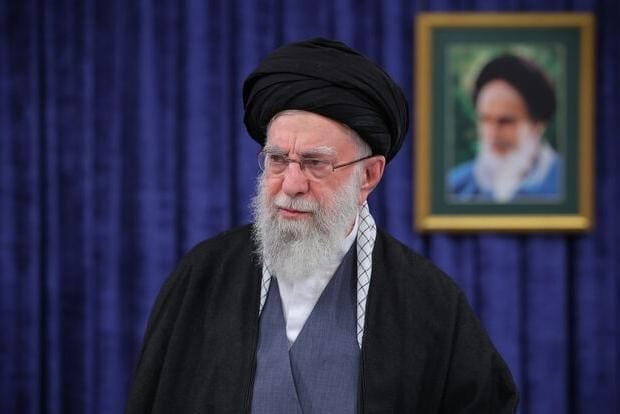
The assassination of Ayatollah Ali Khamenei, the 86-year-old Supreme Leader of Iran, signifies the conclusion of a pivotal chapter in the nation's leadership since the 1979 Islamic Revolution. Khamenei was killed in an attack orchestrated by US and Israeli forces. Following his demise, the constitutional framework for appointing a successor was promptly set in motion. The Assembly of Experts has commenced discussions to select the next Supreme Leader. In the meantime, a three-member Interim Leadership Council has assumed his responsibilities, as mandated by Iran's Constitution. These events underscore the established protocols within Iran's political structure for managing leadership transitions during times of crisis.
Key Takeaways
- The Supreme Leader's assassination has triggered a constitutional process for succession.
- An Interim Leadership Council is currently overseeing the Supreme Leader's responsibilities.
Additional Details
- Historical Context: The intertwining of religion and politics in Shia-majority Iran has a long heritage, with significant events including the 19th-century Tobacco Movement, the 1906-11 Constitutional Revolution, and the 1979 Islamic Revolution.
- Khomeini's Influence: Ayatollah Khomeini's ideological leadership was crucial in shaping the 1979 Revolution, which led to the establishment of the Islamic Republic.
- Mosques as Political Hubs: Mosques served as vital sites for political mobilization, particularly in a repressive regime, acting as safe spaces for organizing resistance.
- Constitutional Framework: The 1979 Constitution integrated Khomeini's theory of clerical rule with elements of republicanism, establishing the Supreme Leader's overarching authority.
- Ayatollah Khamenei's Leadership: Khamenei succeeded Khomeini in 1989 amid controversy and has been characterized by a blend of religious authority and political control, facing both domestic and international challenges.
- Challenges Faced: Economic difficulties and public protests, such as the Mahsa Amini protests in 2022, reflect growing dissatisfaction with authoritarian governance and highlight the gap between state performance and public expectations.
The developments following Khamenei's assassination will shape the future trajectory of Iran's political landscape, as the nation navigates the challenges of leadership transition while addressing the demands of its citizens amidst ongoing economic hardships.
FAQs on UPSC Daily Current Affairs: 2026-03-03
| 1. What is the significance of the Debrigarh Wildlife Sanctuary? |  |
| 2. How does the uranium deal impact India-Canada relations? | |
| 3. What achievements has the Bureau of Energy Efficiency made during its 25 years? | |
| 4. What role does the ALMA Telescope play in astronomical research? | |
| 5. Why is the Nucleic Acid Test (NAT) important for blood transfusion safety? | |




