Indian Society and Social Issues - 4


GS1/Indian Society
Siddi Tribal Community
 Why in News?
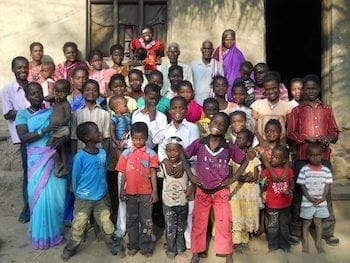
The President of India recently expressed satisfaction over the Siddi tribal community achieving a literacy rate exceeding 72 percent. This milestone highlights the progress of the Siddi, recognized as a Particularly Vulnerable Tribal Group in India.
Key Takeaways
- The Siddi community is an Indo-African group with roots tracing back to the Bantu people of Africa.
- They primarily reside in the western and southwestern regions of India, including states like Gujarat, Maharashtra, Karnataka, and Telangana.
- On January 8, 2003, the Union government classified the Siddis as Scheduled Tribes, acknowledging their vulnerabilities.
Additional Details
- Origin: The Siddi community is believed to have arrived in India in the 7th century, initially with Arab traders and later with the Portuguese in the 16th century, often as slaves or laborers.
- Current Distribution: Today, they are mainly found in the states of Gujarat, Maharashtra, Karnataka, and Telangana.
- Occupation: Traditionally, the Siddis have relied on agriculture, forest produce, and manual labor for their livelihoods.
- Language: The community primarily speaks Konkani, Urdu, or Marathi, reflecting their diverse linguistic heritage.
- Culture: The Siddis are renowned for their vibrant folk music and dance forms, particularly the Dhamal and Rasda dances, which feature lively performances by men.
The recognition of the Siddi community's achievements in literacy is a significant step towards their empowerment and integration into the broader Indian society. The ongoing efforts to support education within the community will contribute to their progress and development.
GS1/Indian Society
PM-SETU Scheme
Why in News?
The Prime Minister has launched the Pradhan Mantri Skilling and Employability Transformation through Upgraded ITIs (PM-SETU) Scheme to modernize India's Industrial Training Institutes (ITIs) into industry-aligned centers of excellence.
Key Takeaways
- PM-SETU is a centrally sponsored scheme under the Ministry of Skill Development & Entrepreneurship (MSDE).
- The scheme aims to transform 1,000 government ITIs into modern, industry-linked institutions that meet evolving global skill demands.
- It is supported by international financial institutions like the World Bank and the Asian Development Bank (ADB).
Additional Details
- Implementation Model: The scheme operates on a Hub-and-Spoke structure where 200 Hub ITIs act as Centres of Excellence, while 800 Spoke ITIs extend outreach and training access across districts.
- Target Audience: The initiative aims to skill 20 lakh youth over five years through new and revamped programs.
- Key Features:
- Industry Partnership: Each cluster is managed by a Special Purpose Vehicle (SPV) with an Anchor Industry Partner to ensure outcome-based, employment-linked training.
- Curriculum Reform: The courses will be demand-driven and industry-aligned, offering flexible pathways including diplomas, short-term modules, and executive programs.
- Infrastructure Modernization: Hub ITIs will be equipped with advanced machinery, incubation and innovation centres, and production units.
- Centres of Excellence (NCOEs): Five National Skill Training Institutes (NSTIs) will be upgraded into global-standard NCOEs through international collaboration.
- The pilot phase of the scheme begins with the Patna and Darbhanga ITIs in Bihar as the first upgraded hubs.
- The scheme focuses on youth empowerment by linking skilling with innovation, startups, and MSMEs, thus creating self-employment opportunities and strengthening India's human capital base.
Additionally, there is a National Scheme for ITI Upgradation and NCOEs, which was cabinet-approved in May 2025 with an outlay of ₹60,000 crore, aimed at upgrading 1,000 ITIs and establishing 5 NCOEs as government-owned, industry-managed skill institutions.
UPSC 2018
With reference to Pradhan Mantri Kaushal Vikas Yojana, consider the following statements:
- 1. It is the flagship scheme of the Ministry of Labour and Employment.
- 2. It, among other things, will also impart training in soft skills, entrepreneurship, financial and digital literacy.
- 3. It aims to align the competencies of the unregulated workforce of the country to the National Skill Qualification Framework.
Which of the statements given above is/are correct?
- Options: (a) 1 and 3 only (b) 2 only (c) 2 and 3 only* (d) 1, 2 and 3
GS1/Indian Society
Bathou Religion
 Why in News?
The Bathou religion, practiced by the Bodo community in Assam, is receiving distinct recognition with a separate code in the upcoming census. This highlights the cultural significance and unique identity of the Bodo people.
Key Takeaways
- The Bathou religion is the traditional faith of the Bodo community, the largest plains tribe in Assam.
- The term 'Bathou' combines the Bodo words for 'five' and 'deep philosophical thought.'
- The faith is grounded on five essential elements: Air, Sun, Earth, Fire, and Sky.
Additional Details
- Bwrai Bathou: The supreme god worshipped in Bathouism, where 'Bwrai' implies 'eldest' in terms of power or knowledge.
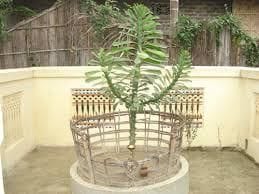
- Sijou Plant: Central to Bathou faith, this plant (Euphorbia splendens) is planted at the Bathou altar, symbolizing life and the soul for the Bodo people.
- The sijou tree is placed on an elevated altar, surrounded by bamboo fencing consisting of eighteen pairs of posts woven with five bamboo strips.
- The five strips represent the five significant life events in Bathou religion: birth, marriage or procreation, sorrow, happiness, and death.
The establishment of a separate code for Bathou religion in the census is a significant recognition of the Bodo community's cultural heritage, allowing for better representation and understanding of their traditions and beliefs.
GS1/Indian Society
Can Rural Education Stop Youth Migration?
 Why in News?
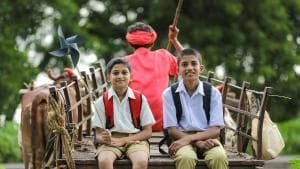
India is currently facing a demographic challenge as highlighted by the Periodic Labour Force Survey (PLFS) 2020-21, which reveals that nearly 29% of its population consists of migrants, with a staggering 89% originating from rural areas. A significant portion of these migrants, over half, are aged between 15 and 25, indicating that the nation's most productive youth are leaving their villages in search of better livelihoods. This shift marks a critical juncture in India's development journey, where education, once considered a ladder out of poverty, is failing to protect youth from the pressures of migration. The disparity between education and job opportunities, exacerbated by the pandemic, raises an urgent question: Can India rethink its rural education and economy to retain its young talent?
Key Takeaways
- Migration reflects unmet aspirations and a lack of opportunities in rural areas.
- The Covid-19 pandemic exposed vulnerabilities in the urban informal economy and highlighted the potential for rural revitalization.
Additional Details
- Structural Imbalance: Migration is not solely driven by aspirations; it stems from rural distress and uneven regional growth.
- Labour Force Data: PLFS indicates that rural India continues to supply labor, lacking dignified employment opportunities.
- Educational Mismatch: An increase in graduate unemployment shows a disconnect between academic qualifications and marketable skills.
Despite the expansion of higher education, it has not resulted in adequate job creation, leading to a rise in educated unemployment. Many youth find themselves in informal jobs with little job security, and the gender disparity is evident, as migration patterns differ significantly between men and women.
Impact of the Pandemic
- Mass Exodus: The pandemic forced nearly 40 million workers to return home, revealing the fragility of urban economies.
- Urban Fragility: Major cities struggle with issues like slums and overcrowding.
- Gendered Impact: Young women faced greater job losses and slower recovery, deepening gender inequalities.
Reverse Migration: Stories of Hope and Resilience
- Agricultural Revival: The agricultural sector showed resilience with a 39% increase in sown areas as returning workers revitalized farms.
- Success Stories: Individuals like Balaram Mahadev Bandagale diversified into profitable agricultural ventures, while Chandrakant Pawar returned to dairy farming and became a local leader.
These narratives illustrate the potential for self-sufficient rural ecosystems empowered by local enterprise and education.
Strategies for Retaining Rural Youth
- Diversified Rural Employment: Expanding into sectors like dairy, poultry, and renewable energy is essential for creating sustainable jobs.
- Rural Entrepreneurship: Government initiatives need integration and a focus on youth empowerment to foster local enterprises.
- Digital & Renewable Energy Jobs: Creating jobs in solar panel maintenance and digital infrastructure can bridge rural-urban divides.
- Agri & Eco-Tourism: Utilizing local resources can develop sustainable livelihoods and foster community pride.
Changing the Narrative
- Breaking Stigma: Returning to rural areas should not be viewed as a failure; reverse migrants can be seen as innovators.
- Portable Social Protection: Implementing schemes for health and education that follow workers can enhance security.
- Balanced Urban-Rural Growth: Development should ensure equitable access to education and resources across regions.
In conclusion, India's youth migration issue transcends mere movement; it challenges the essence of development and education's role in empowerment. The future lies in integrating rural education with marketable skills and creating decentralized job opportunities, redefining success beyond urban centers. By investing in rural potential, migration can evolve from an escape route to a choice that embodies dignity and empowerment.
PYQ Relevance
The question from UPSC 2024 about why large cities attract more migrants than smaller towns directly connects to the themes discussed, emphasizing how rural distress and inadequate educational-employment linkages drive youth towards urban centers, reflecting a structural imbalance where urban areas appear as opportunity hubs while rural regions remain stagnant.
GS1/Indian Society
Ultra-Processed Food Epidemic in India
Why in News?
A recent three-paper series published in The Lancet highlights the alarming increase in the consumption of ultra-processed foods (UPF) around the globe, including India. This rise is closely linked to escalating rates of obesity, diabetes, cardiovascular diseases, and premature mortality. A notable case is that of an 18-year-old Indian youth suffering from obesity and early-onset metabolic disorders, underscoring the urgent public health crisis.
Key Takeaways
- Significant rise in UPF consumption in India.
- Strong correlation between UPF intake and non-communicable diseases (NCDs).
What are Ultra-Processed Foods?
- Definition: According to the NOVA classification, ultra-processed foods are industrial formulations containing multiple chemical and cosmetic ingredients.
- Characteristics:
- Made using ingredients like high-fructose corn syrup, hydrogenated oils, flavor enhancers, emulsifiers, preservatives, and colors.
- Designed for long shelf life, hyper-palatable taste, and convenience.
- Examples: Soft drinks, chips, packaged noodles, biscuits, sugary beverages, chocolates, breakfast cereals, frozen pizzas, ready-to-heat meals, chicken nuggets, and processed meats.
Difference from Processed Foods
- Processed Foods: Involve minimal changes (e.g., washing, canning, cooking).
- Ultra-Processed Foods: Involve extensive industrial formulations, are low in nutrients, and high in calories.
Note: The NOVA classification system was developed by the University of São Paulo (Brazil) and categorizes foods based on the extent and purpose of industrial processing, rather than their nutrient content.
India's UPF Consumption - Why It's a Concern?
- Surge in Consumption: Retail sales of UPFs in India increased dramatically from USD 0.9 billion in 2006 to USD 38 billion in 2019, representing an approximate 40-fold increase.
- Rising NCD Burden:According to the ICMR-INDIAB (2023) report:
- Obesity: 28.6%
- Diabetes: 11.4%
- Prediabetes: 15.3%
- Abdominal obesity: 39.5%
- Childhood obesity has risen from 2.1% to 3.4% (NFHS).
Question:
A company marketing food products advertises that its items do not contain trans-fats. What does this campaign signify to the customers?
- (2011)
- The food products are not made out of hydrogenated oils.
- The food products are not made out of animal fats/oils.
- The oils used are not likely to damage the cardiovascular health of the consumers.
Select the correct answer using the code given below:
- (a) 1 only
- (b) 2 and 3 only
- (c) 1 and 3 only
- (d) 1, 2 and 3
This growing trend of UPF consumption poses serious health risks, emphasizing the need for public awareness and policy action to address dietary habits in India.
GS1/Indian Society
The Critical Role of the Childcare Worker
 Why in News?
The adoption of the International Day of Care and Support by the United Nations General Assembly in 2023 signifies a pivotal moment in acknowledging the significance of care work globally. This resolution emphasizes the necessity to recognize, redistribute, and appropriately value unpaid care and domestic labor, which is predominantly performed by women and girls. This recognition highlights a crucial yet often overlooked foundation of social and economic life, particularly relevant in the context of India, where historical legacies and socio-economic pressures shape childcare and care work landscapes.
Key Takeaways
- The International Day of Care and Support was adopted in 2023, emphasizing the need for recognition of care work.
- India's childcare system faces challenges due to historical, institutional, and socio-economic factors.
- There is an urgent need for systemic transformation towards social justice and gender equality in childcare.
Additional Details
- Historical Foundations: India's organized childcare dates back to the late 19th century, with pioneers like Tarabai Modak and Gijubai Badheka. However, post-Independence childcare has become largely privatized, limiting access for low-income families.
- Integrated Child Development Services (ICDS): Established in 1975, ICDS is one of the world's largest early childhood programs, with 1.4 million Anganwadi centers serving 23 million children.
- Undervaluation of Care Workers: Despite their critical role, care workers are often underpaid, with wages ranging from ₹8,000 to ₹15,000 per month, which is below the minimum wage for unskilled labor.
- Climate Change and Migration: Climate change exacerbates care burdens, especially for women. Male migration to urban areas increases the challenges faced by women, who must balance caregiving and wage work.
- Policy Transformations: India invests only 0.4% of its GDP in childcare, far below the 1%-1.5% standard in Scandinavian countries. Systemic reforms are needed to improve childcare services and support for caregivers.
In conclusion, as global challenges intensify, the need for investment in childcare infrastructure and recognition of care workers is more pressing than ever. A reimagined childcare policy not only supports families but also promotes gender justice and child welfare, contributing to a more equitable society where caregivers and children's rights are fully recognized.
GS1/Indian Society
Tuberculosis Incidence Falling in India by 21% a Year: WHO Report
 Why in News?
The World Health Organization's Global TB Report 2025 highlights a significant reduction in tuberculosis (TB) incidence in India, reporting a 21% decline from 237 to 187 cases per lakh between 2015 and 2024. This reduction is notable as it is nearly double the global decline rate of 12% during the same period.
Key Takeaways
- India's TB incidence decreased by 21% from 237 to 187 cases per lakh.
- Treatment coverage reached 92% with 26 lakh cases diagnosed in 2024.
- Mortality rates from TB fell from 28 to 21 deaths per lakh from 2015 to 2024.
- Key interventions include community-based screening and digital tracking.
Additional Details
- About the Global TB Report 2025: Released by the WHO in November 2025, this report provides comprehensive statistics and insights into TB trends worldwide.
- Key Drivers of Decline: Significant advancements in TB management have been attributed to community-based screening initiatives, the use of molecular diagnostics such as CBNAAT and Truenat, and digital tracking systems like Ni-kshay.
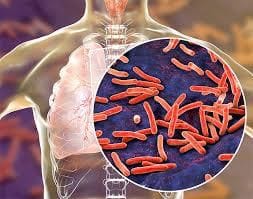
- About Tuberculosis (TB): TB is a bacterial infection primarily caused by Mycobacterium tuberculosis, predominantly affecting the lungs and is transmitted through airborne droplets from coughing and sneezing.
- Types of TB:
- Pulmonary TB: Affects the lungs and is highly infectious.
- Extrapulmonary TB: Affects other organs such as the spine, kidneys, and brain.
- Latent TB: Dormant and asymptomatic but has the potential to reactivate.
- Active TB: Characterized by symptoms and infectiousness.
- Drug-resistant TB (DR-TB): A form of TB that has developed resistance to standard treatment due to incomplete or incorrect therapy.
- Government Interventions:
- National TB Programme (NTP), 1962: The first structured effort in India to combat TB, introducing BCG vaccination and district-level services.
- Revised National TB Control Programme (RNTCP), 1993: Implemented the DOTS strategy, achieving nationwide coverage by 2006 and improving treatment outcomes.
- Ni-kshay Portal, 2012: A digital platform for TB case notification and treatment tracking across both public and private health sectors.
- Ni-kshay Poshan Yojana, 2018: Provides nutritional support of ₹500 per month to all notified TB patients through Direct Benefit Transfer (DBT).
- National Strategic Plan for TB Elimination (2017-2025): A phased plan focused on detection, treatment, prevention, and capacity building.
- National TB Elimination Programme (NTEP), 2020: An upgrade from RNTCP aimed at eliminating TB by 2025 with universal access to diagnostics and treatment.
- Ni-kshay Sampark Helpline, 2023: A toll-free helpline for patient counselling and support.
- Ni-kshay Mitra Initiative, 2022: Encourages adoption of TB patients for nutritional and diagnostic support under the TB Mukt Bharat Abhiyan framework.
- TB Mukt Bharat Abhiyan, 2024: A large-scale screening initiative that screened 19 crore individuals and detected 24.5 lakh TB cases, including asymptomatic infections.
The latest WHO report underscores the importance of continued efforts and innovative strategies in the fight against tuberculosis in India, showcasing a model that could inspire similar initiatives globally.
GS1/Indian Society and Social Issues
Land Subsidence Threat in India's Megacities
Why is it Newsworthy?
A recent study called "Building Damage Risk in Sinking Indian Megacities" has highlighted a concerning issue: around 878 km² of land in five major Indian cities-Delhi, Chennai, Mumbai, Kolkata, and Bengaluru-is experiencing land subsidence.
Understanding Land Subsidence
Land subsidence, as defined by the National Oceanic and Atmospheric Administration (NOAA), refers to the gradual sinking, lowering, or collapse of the Earth's surface due to the removal or loss of subsurface materials like soil, groundwater, or minerals. This phenomenon can occur naturally through processes such as karst formation, tectonic activities, or soil compaction, or it can be induced by human activities like mining or construction.
Around the world, cities are facing the challenge of land subsidence, from tropical megacities like Jakarta in Indonesia and Manila in the Philippines to India's own Joshimath, which recently experienced this issue.
Key Findings from the Study
- Risk to Population and Infrastructure: The study found that nearly 1.9 million people and over 23,000 buildings in the five cities are at risk of severe damage if current trends of land subsidence continue for the next 50 years.
- Current Damage Levels: More than 2,400 buildings in Delhi, Mumbai, and Chennai are already identified as being at high risk of damage due to land subsidence.
- Geological Differences: The vulnerability to land subsidence varies by city. Those built on soft alluvial soils, such as Delhi, Kolkata, and Chennai, are more at risk compared to cities like Bengaluru, which is built on igneous or metamorphic rock formations.
Causes of Land Subsidence
- Excessive Groundwater Extraction: The continuous withdrawal of groundwater leads to the compaction of aquifers, resulting in the sinking of the ground surface.
- Weight of Urban Infrastructure: The increasing load from high-rise buildings in densely populated areas accelerates the deformation of the ground.
- Inefficient Urban Planning: Unregulated construction on reclaimed land or soft soil zones increases vulnerability to land subsidence.
- Climate Stress: Irregular rainfall patterns and reduced groundwater recharge due to urban sealing exacerbate the problem of land subsidence.
- Natural Causes: Geological faults, tectonic activities, and the dissolution of underground rocks, such as limestone in karst regions, contribute to land subsidence.
- Unregulated Dumping of Waste: Piles of municipal solid waste exert heavy pressure on land, particularly when dumped on weak or marshy soils.
Impacts of Land Subsidence
- Infrastructure Damage: Land subsidence can lead to cracks in buildings, deformities in roads, and disruptions in pipelines or drainage networks.
- Flooding Risk: The lowering of land height, especially in coastal cities like Mumbai and Chennai, increases the risk of flooding during heavy rains or storm surges.
- Economic Costs: The expenses associated with repair and reconstruction may rise significantly in the coming decades due to land subsidence.
- Compounded Hazards: Land subsidence can worsen the impacts of earthquakes and sea-level rise, creating multi-dimensional threats to urban safety.
Moving Forward
- Soil Testing and Monitoring: Implementing soil testing and simulation models to predict the likelihood of subsidence. Installing InSAR (satellite radar interferometry) and ground sensors to monitor and prevent subsidence disasters in densely populated areas.
- Urban Hydrogeological Zoning: Mandatory mapping of soil and groundwater characteristics before large-scale construction to ensure safety and reduce risk.
- Infrastructure Design Improvement: Strengthening building codes to address issues related to differential ground movement. Adopting resilient foundation technologies in regions with soft soil to enhance building stability.
GS1/Indian Society
The Legal Hoodwinking of Adivasis
 Why in News?
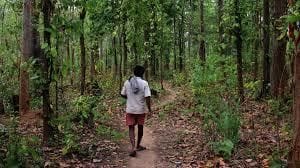
The recent ruling by the Chhattisgarh High Court to uphold the cancellation of Ghatbarra Gram Sabha's community forest rights (CFRs) has raised significant concerns regarding legal fairness, administrative overreach, and the future of Adivasi governance over forest resources. This decision marks a departure from the Forest Rights Act (FRA), 2006, which promises the recognition of customary forest rights and mandates Gram Sabha consent for any diversion of land. The ruling emphasizes a developmental approach that prioritizes mining interests over community rights, setting a concerning precedent for forest governance in India.
Key Takeaways
- The High Court's ruling represents a rare instance of formally recognized CFRs being revoked, highlighting issues of administrative authority over legal rights.
- Substantial ecological damage occurred after the mining diversion was approved, showcasing a disregard for Adivasi objections and rights.
Additional Details
- Long History of Disputes: The proposal to divert forest land for mining activities dates back to 2011, amidst reports of ecological richness and unresolved community rights.
- Procedural Irregularities: The Environment Minister permitted the diversion despite significant technical objections, with clearances being inconsistently granted and rescinded.
- Supreme Court Intervention: The Supreme Court allowed mining operations to resume without addressing the reconsideration of the relevant clearances.
- Administrative Fast-Tracking: As mining progressed, the recognition of rights lagged, resulting in widespread deforestation.
The revocation of Ghatbarra's CFR status is alarming for several reasons:
- DLC Unilateral Action: The District Level Committee acted independently in canceling the CFRs while the community was preparing for legal action.
- Claim Dismissed as 'Mistake': Authorities claimed that the earlier recognition of rights was erroneous, which contradicts the foundational principles of the FRA.
- Failure to Meet Legal Standards: The court determined that since the land had already been diverted, the claims did not satisfy FRA criteria.
- Judicial Reliance on Technicalities: The burden of proof was unfairly placed on petitioners to demonstrate procedural lapses by authorities.
Major Shortcomings in the High Court's Reasoning
- Misinterpretation of FRA Section 4(7): The court mischaracterized rights as needing to be "free of encumbrances," mistakenly viewing mining as an encumbrance instead of a violation of rights.
- Ignoring NGT Findings: The court failed to account for earlier National Green Tribunal findings that questioned the legitimacy of the diversion process.
- Burden Shifted to Villagers: Petitioners were tasked with proving procedural errors, contrary to the FRA's provisions.
- Judicial Shrinkage of Community Rights: The ruling favored administrative procedures over the statutory recognition of customary rights.
Significance for Adivasi Self-Determination
- Erosion of Gram Sabha Authority: The CFRs, meant to protect against arbitrary land diversion, were overridden by administrative decisions.
- Contradiction with Niyamgiri Precedent: The Supreme Court's 2013 decision emphasized the primacy of Gram Sabha choices, while the Ghatbarra ruling deviates from this principle.
- Expansion of Extractive Model: Mining operations continue even when rights are unresolved, indicating that recognition does not equate to control.
- Undermining of Democratic Forest Governance: The ruling suggests that previously settled rights can be revoked for development goals.
Insights on India's Forest Governance Architecture
- Development-First Logic: Mining clearances were treated as faits accomplis, with rights adjudicated post-damage.
- Weak Institutional Checks: Conflicting directives from various bodies such as DLCs, FAC, NGT, and courts created procedural gaps that undermined rights.
- Strategic Use of Ambiguity: Authorities leveraged the technical notion of 'non-existence' of rights to justify land diversion.
- Administrative Ritualism: The presence of procedures did not result in justice; decision-making continued in a manner reminiscent of colonial governance.
The Ghatbarra judgment exemplifies how mechanisms intended to protect Adivasi rights can instead be manipulated to undermine them. Despite the FRA's aim to promote community autonomy and ecological stewardship, this ruling illustrates how institutional language and procedural maneuvers can effectively marginalize these safeguards. The case highlights the urgent necessity to reaffirm the statutory primacy of Gram Sabha consent and ensure that established rights remain inviolable against extractive interests.
PYQ Relevance
This topic relates to the UPSC 2016 question regarding the status of tribals in India as Scheduled Tribes and the major constitutional provisions aimed at their upliftment. It reveals how policy implementation often falls short of protecting Scheduled Tribe rights, leading to exploitation despite constitutional assurances.
GS1/Indian Society
National Migration Survey in 2026 to Map Internal Mobility
 Why in News?
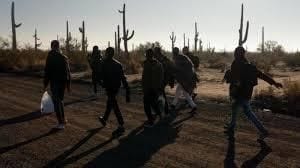
The Ministry of Statistics and Programme Implementation (MoSPI) has announced a year-long National Migration Survey set to take place from July 2026 to June 2027. This initiative aims to gather comprehensive data on internal migration across India.
Key Takeaways
- The survey will provide insights into migration trends, reasons, and patterns within the country.
- It seeks to fill existing data gaps related to internal mobility, especially in the context of changing socio-economic conditions post-pandemic.
Additional Details
- Migration in India: Migration refers to the movement of people within the country for various reasons, including employment, marriage, education, or improved living conditions. According to the Periodic Labour Force Survey (PLFS) 2020-21, 28.9% of India's population were migrants, with female migration (48%) significantly higher than male migration (5.9%) in rural areas.
- Significance of the Survey: The upcoming survey will assess the socio-economic impact of migration on households, including aspects such as income, healthcare access, and social stability.
- Evolution of Migration Surveys: India has a history of tracking internal migration, with the first data collection occurring in the NSS round of 1955. The new survey aims to provide a continuous dataset to better understand migration post-COVID-19.
- Key Features: The survey introduces revised definitions, focusing on individual migration patterns rather than household migrations and includes updated questions to assess the broader impacts of migration.
The National Migration Survey is essential for informing evidence-based policymaking in urban development, employment generation, social protection, and regional development. By providing accurate and up-to-date data, the survey will support targeted interventions to address challenges related to migration in India.
GS1/Indian Society
The Changing Patterns of India's Student Migration
Why in News?
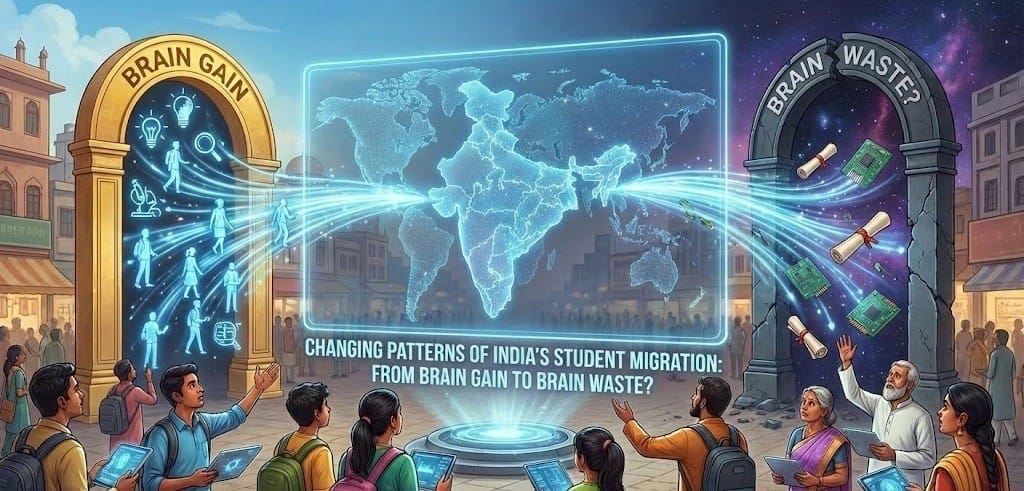
The recent surge in student migration from India highlights a significant transformation in global educational mobility. As of 2023, over 13.2 lakh Indian students are pursuing education abroad, primarily driven by middle-class aspirations for improved social status and international credentials. This trend, often viewed as the democratisation of education, masks underlying complexities related to financial burdens, institutional challenges, and uncertain job prospects.
Key Takeaways
- India ranks among the largest sources of international students.
- About 40% of Indian students study in the United States and Canada.
- Many students end up in lower-tier institutions with poor outcomes.
- Financial risks are significant, often requiring loans or family savings.
- Host countries benefit economically from international students, despite challenges faced by the students.
Additional Details
- Financial Burden: Many Indian families invest heavily in overseas education, often incurring debts ranging from ₹40-50 lakh. In Kerala, for instance, student migration doubled from 2018 to 2023, comprising 11% of total emigration.
- Employment Outcomes: Only about one in four Indian postgraduates in the UK secure skilled visas, indicating a disconnect between educational attainment and job market success.
- Role of Recruitment Agencies: Poorly regulated agencies often misguide students, leading to placements in courses that do not align with their qualifications, resulting in deskilling.
- Economic Contribution: International students contributed $30.9 billion to Canada's GDP in 2022, yet many face exploitation and low-wage jobs in host countries.
- Domestic Push Factors: Students migrate due to perceived inadequacies in local higher education and job opportunities.
- Brain Waste: The gap between aspirations and actual job outcomes transforms potential brain gain into brain waste, with highly educated individuals often relegated to low-skilled labor.
In conclusion, while India's student migration offers opportunities for global exposure and social mobility, it also reveals significant financial and employment challenges. To ensure that this migration serves as a pathway to empowerment rather than a reinforcement of global inequalities, stronger regulations and support systems for students are essential.
GS1/Indian Society and Social Issues
Jallikattu
Why in News?
The Tamil Nadu government has released a Standard Operating Procedure (SOP) for Jallikattu 2026 to ensure public safety, animal welfare, and strict adherence to legal guidelines.
About Jallikattu
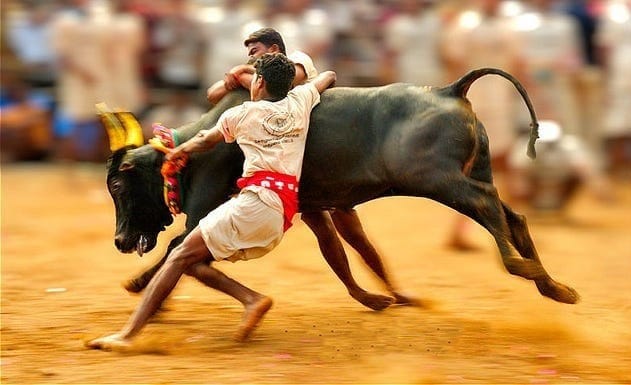
Jallikattu, also known as eruthazhuvuthal, is a traditional bull-taming sport in Tamil Nadu, held during the Pongal harvest festival, particularly on Mattu Pongal.
- Etymology: The term "Jallikattu" is derived from "Jalli," meaning coins, and "Kattu," meaning tied. It refers to the practice of tying coins to a bull's horn as a prize.
- Cultural Significance: Jallikattu is a 2,000-year-old tradition associated with the Ayar community. It celebrates nature, cattle worship, and rural agrarian life. Historically, it was also a means of selecting suitable bridegrooms. The sport is depicted in ancient cave paintings near Madurai and Indus Valley seals housed in the National Museum, New Delhi.
- Regions: Jallikattu is primarily practiced in the districts of Madurai, Tiruchirappalli, Theni, Pudukkottai, and Dindigul in Tamil Nadu, collectively known as the Jallikattu belt.
- Nature of the Sport: Jallikattu is a competitive and physically demanding event where participants attempt to tame a bull. If a participant fails, the bull owner wins the prize. Indigenous breeds such as Pulikulam and Kangayam, known for their breeding and market strength, are used in the sport.
- Controversy: The practice has faced long-standing controversy due to concerns over animal cruelty and human safety, attracting scrutiny from courts and animal rights organizations.
- Legal Status: In 2023, a five-judge Bench of the Supreme Court upheld amendments made by Tamil Nadu, Maharashtra, and Karnataka to the Prevention of Cruelty to Animals Act, 1960. These amendments permit traditional bull-taming sports like Jallikattu and Kambala.
FAQs on Indian Society and Social Issues - 4
| 1. What are the key characteristics of the Siddi Tribal Community in India? |  |
| 2. What is the PM-SETU scheme and how does it aim to support small businesses? | |
| 3. What are the fundamental beliefs of Bathou Religion practised by the Bodos? | |
| 4. How can rural education play a role in reducing youth migration? | |
| 5. What are the implications of the WHO report stating that tuberculosis incidence is falling in India? | |




