International Relations - 1


China's Mega Dam on Brahmaputra & Concerns in India
 Why in News?
China has officially begun construction on a colossal hydropower dam on the Brahmaputra River, with an estimated cost of $167.8 billion, located near the Indian border in Arunachal Pradesh. The groundbreaking ceremony, attended by Premier Li Qiang, marks the initiation of what will become the world's largest dam upon completion. This project has sparked significant concerns in India and Bangladesh regarding its potential effects on the river's natural flow and the availability of water downstream.
Key Takeaways
- China's dam is projected to generate 60,000 MW of power, raising alarms in India.
- Arunachal Pradesh's Chief Minister labeled the project an "existential threat" to local communities.
- India's Ministry of External Affairs has expressed concerns regarding transparency and consultations.
Additional Details
- Arunachal Pradesh's Concerns: The Chief Minister has described the dam as a potential "water bomb" that could lead to devastating floods and threaten local livelihoods. He warns that sudden water releases could inundate the Siang region and drastically reduce river flow over time.
- Environmental Risks: Experts highlight the risks of flooding associated with dam operations, especially given the seismically active region where the dam is located.
- Assam's Perspective: The Chief Minister of Assam has downplayed immediate threats, noting that the Brahmaputra only becomes a major river after entering Assam, where it is fed by tributaries and monsoon rains. He estimates that China's contribution to the river's flow is limited, about 30-35% from glacial melt and Tibetan rainfall.
- India's Diplomatic Stance: Although India has not issued a formal response to the dam's groundbreaking, it continues to monitor developments closely. The MEA has reiterated the need for transparency from China regarding its actions affecting downstream nations.
- China's Position: China asserts that the dam project falls within its sovereign rights and has committed to cooperating with downstream nations on hydrological data and disaster management.
In conclusion, the construction of the dam on the Brahmaputra has raised significant geopolitical and environmental concerns for India and Bangladesh. Continuous diplomatic efforts and scientific assessments are recommended to address potential impacts, while India pursues strategies to manage water flow and mitigate risks associated with the dam.
The Yarlung Tsangpo Project - Strategic, Ecological, and Geopolitical Implications for India
Why in News?
Recently, Chinese Premier Li Qiang initiated the construction of a significant hydropower project on the Yarlung Tsangpo River in Tibet, located near the Indian border. The scale of the project, coupled with its opacity and potential ecological threats, has raised considerable concerns for India, particularly as there was no prior consultation with downstream nations such as India and Bangladesh.
Key Takeaways
- The Yarlung Tsangpo project has an estimated cost of 1.2 trillion yuan (approximately US$167.8 billion).
- It includes five cascade hydropower plants situated in Medog County, about 30 km from Arunachal Pradesh.
- Annual electricity generation is expected to be 300 billion kWh, significantly exceeding the capacity of the Three Gorges Dam.
Project Overview and Strategic Location
- Cost and Scale: The project will involve five hydropower plants and is projected to cost around 1.2 trillion yuan.
- Engineering Features: This includes drilling several tunnels and diverting up to 50% of the river's flow, all while being situated in a high seismic zone.
Environmental and Hydrological Concerns
- Disruption of Brahmaputra Flow: The project is expected to alter the natural hydrology and seasonal water flow, impacting biodiversity and ecosystem services.
- Flood Risk: The potential for sudden water releases could cause severe flooding downstream, particularly during heavy rainfall or seismic events.
- Seismic Vulnerability: The project area is prone to earthquakes, raising safety concerns based on past engineering failures.
Diplomatic and Legal Dimensions
- Lack of Riparian Cooperation: China has a history of withholding vital data from downstream nations, which raises concerns about transparency and cooperation.
- International Water Laws: Both India and China are not signatories to the UN Convention on international watercourses, complicating legal recourse.
- Geopolitical Double Standards: China's approach may not be tolerated if similar actions were taken by upstream states against them.
Strategic and Policy Recommendations for India
- Diplomatic Pushback: India should demand full disclosure of the project and conduct independent assessments.
- Domestic Response: Investment in flood moderation infrastructure and independent hydrological assessments is critical.
- Internationalizing the Issue: Engaging NGOs and elevating the issue in international forums can help bolster India's position.
The Yarlung Tsangpo project presents not only ecological and hydrological challenges but also strategic dilemmas for India. A shift from passive to proactive diplomacy is essential, focusing on water governance and ecological security. India must leverage diplomatic, technical, and legal avenues while enhancing its domestic preparedness to address these emerging threats.
China Commences Construction of Mega Dam over Brahmaputra
 Why in News?
China has initiated the construction of a significant hydropower project on the Yarlung Tsangpo river, known as the Brahmaputra in India, located in southeastern Tibet.
Key Takeaways
- Location: Nyingchi, southeastern Tibet, along the Yarlung Tsangpo River.
- Project Size: Estimated investment of 1.2 trillion yuan (approximately USD 167 billion).
- Components: Includes five cascade hydropower stations.
- Power Generation: Expected to generate 300 billion kilowatt-hours (kWh) of electricity annually.
- Objective: Aims to support China's carbon neutrality target by 2060 and meet local power demands in Tibet.
Concerns
- Environmental Risks: The project poses potential threats in a seismically active and ecologically sensitive area.
- Geopolitical Tensions: Raises issues with downstream countries, particularly India and Bangladesh.
- Impact on Water Resources: Concerns regarding alterations in river flow and water availability downstream.
- Strategic Significance: The dam's proximity to the India-China border heightens anxieties amid ongoing border disputes.
What if China Stops Brahmaputra Water?
Understanding the implications of China's control over the Brahmaputra River is crucial. For context, consider:
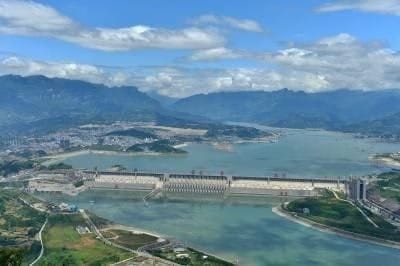
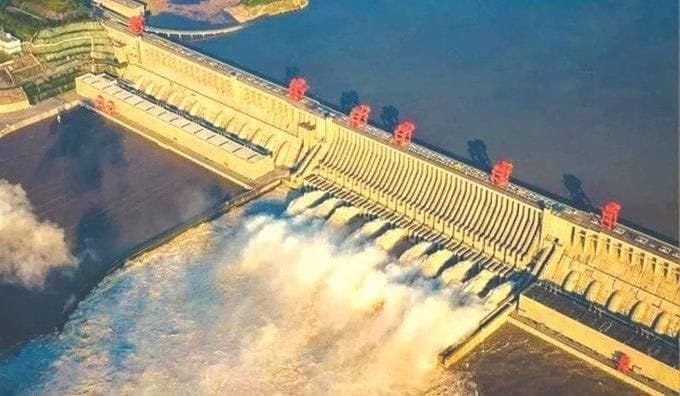
- Three Gorges Dam: Located on the Yangtze River in Hubei province, China.
- Completion: Fully operational since 2012.
- Type: A hydroelectric gravity dam, recognized as the world's largest power station by installed capacity.
- Power Generation Capacity: Approximately 22.5 gigawatts (GW).
- Notable Impact: Contributed to flood control, navigation, and electricity supply but has faced criticism for ecological damage, displacing over 1 million people, and increasing seismic risk.
The Brahmaputra, Irrawaddy, and Mekong rivers originate in Tibet and traverse narrow mountain ranges in their upper courses. Notably, the Brahmaputra makes a unique "U" turn to flow into India due to:
- (a) Uplift of folded Himalayan series
- (b) Syntaxial bending of geologically young Himalayas
- (c) Geo-tectonic disturbance in the tertiary folded mountain chains
- (d) Both (A) and (B) above
This ongoing project highlights not only the infrastructural ambitions of China but also the broader geopolitical dynamics in South Asia.
India-UK Comprehensive Economic and Trade Agreement (CETA) - A Strategic Step in Bilateral Economic Cooperation
Why in News?
This landmark agreement was signed by Prime Ministers Keir Starmer and Narendra Modi at Chequers, marking the largest UK trade deal since Brexit and India's first with a G7 economy in over a decade. Initiated in 2022, CETA reflects a significant geopolitical and commercial realignment amidst global supply chain diversification and rising protectionism.
Key Takeaways
- The CETA was a result of negotiations dating back to 2007, which faced delays due to EU demands and resumed after India's withdrawal from RCEP in 2019.
- The agreement is a crucial milestone post-Brexit for the UK and represents India's entry into a major Western market.
- CETA aligns with the India-UK Roadmap 2030, enhancing cooperation in various sectors.
Additional Details
- Economic Impacts: India will reduce tariffs on British goods from around 15% to just 3% on 90% of tariff lines, including significant cuts on Scotch whisky and high-end cars. In exchange, the UK will eliminate duties on a range of Indian exports.
- Bilateral Trade Growth: Although trade currently represents a small percentage of both nations' overall trade, projections suggest a GDP increase of approximately £4.8 billion by 2040, with potential trade expansion of up to $34 billion in five years.
- Challenges: Issues such as mobility for IT professionals and regulatory barriers in agriculture remain unresolved, alongside pending investment treaty negotiations.
- Intellectual Property Rights: Changes in India's approach towards licensing may impact public health provisions in the future.
The India-UK CETA, while modest in macroeconomic terms, signifies a pivotal shift in bilateral strategic alignment. Its success will depend on effective regulatory execution, timely ratification, and navigating rising domestic protectionist sentiments in both countries.
India-EU FTA - Progress on Digital Trade, Services & Investment Texts
Why in News?
India and the European Union (EU) have made significant progress in the 12th round of Free Trade Agreement (FTA) negotiations. Notably, the digital trade chapter has been finalized in principle, and substantial advancements have been achieved in the services and investment chapters. These developments are essential for finalizing the India-EU FTA, which is anticipated to be a pivotal moment for global trade, cross-border data governance, and bilateral economic relations.
Key Takeaways
- The digital trade chapter is a milestone development, covering crucial aspects like cross-border data flows.
- India's IT and digital economy stand to benefit significantly from these negotiations.
- EU aims to eliminate discriminatory obstacles for its service providers in India.
- India's position on data localization remains firm, prioritizing policy space and sovereignty.
- Advancements in investment text and dispute resolution mechanisms signal a potential shift in trade relations.
Additional Details
- Digital Trade Chapter: This chapter addresses cross-border data flows, which are essential for e-commerce and digital services. It represents a key enabler for India's growing IT and digital economy to integrate with the global services ecosystem.
- Services Sector Progress: The EU's objective is to remove "discriminatory and disproportionate obstacles" faced by its service providers. India's rapidly expanding IT and financial services sectors are poised to gain from increased EU investment.
- Cross-Border Data Flow: In the context of AI and the Fourth Industrial Revolution, India is resistant to modifying its data localization norms, emphasizing the importance of privacy and cyber sovereignty. India's stance has been consistent, as seen in the RBI's 2018 norms mandating local storage of payment data.
- Investment and Dispute Settlement Mechanism: Progress has been reported in investment texts and dispute resolution mechanisms, with a focus on state-to-state mediation. However, EU concerns linger due to India's previous termination of Bilateral Investment Treaties (BITs).
The recent advancements in the India-EU FTA negotiations highlight the importance of digital trade and investment. By striving for a balance between economic integration and regulatory sovereignty, India aims to unlock growth opportunities while safeguarding its national interests. This delicate equilibrium aligns with India's broader trade and digital strategy in an evolving global context.
GS2/International Relations
India-EFTA Free Trade Agreement
Why in News?
- India's Free Trade Agreement (FTA) with the EFTA bloc, consisting of Switzerland, Norway, Iceland, and Liechtenstein, has officially come into effect. This marks a significant advancement in strengthening trade and investment relations between India and the EFTA countries.
- The agreement highlights India's increasing involvement in global value chains and its strategy to broaden market access while attracting foreign investment.
What is India-EFTA FTA?
About: The India-EFTA FTA (Trade and Economic Partnership Agreement (TEPA) was finalized in March 2024, and came into effect on 1st October 2025.
It strengthens India's global trade ties, complementing recent FTAs with UAE, Australia, and the UK.
Objectives:
- Enhanced Market Access: EFTA has provided 100% market access for India's industrial and non-agricultural products, along with tariff concessions on processed agricultural products.
- Investment & Jobs: EFTA nations are committed to a binding investment of USD 100 billion over 15 years, expected to generate 1 million direct jobs in India.
- Dedicated Institutional Mechanism for Trade Facilitation: An EFTA Desk, operational since February 2025, serves as a single-window investment facilitation mechanism, assisting EFTA businesses in investing, expanding, and operating in India.
What are Free Trade Agreements?
- About: FTAs are agreements between two or more countries aimed at reducing or eliminating trade barriers, such as tariffs and quotas, on goods and services.
- India has FTAs with countries and groups like Japan, Australia, the UAE, Mauritius, the European Free Trade Association (EFTA), Singapore, and Sri Lanka.
- The India-EU FTA is currently in advanced negotiations.
India's Gains from Free Trade Agreements
- Market Access: Expanding exports by reducing tariffs or non-tariff barriers, such as the India-UAE CEPA which provided duty-free access to 90% of exports and resulted in a 12% increase in exports in the first year of implementation.
- Investment Boost: Attracting stable Foreign Direct Investment (FDI), exemplified by the India-Australia ECTA which led to a 25% surge in FDI inflows.
- Agriculture Gains: Creating new export markets for farmers, as seen in the India-Mauritius CECPA which increased agricultural exports like sugar and tea.
- Technology Transfer: Gaining access to advanced technology, such as the India-Australia ECTA in renewable energy which supports the energy transition.
- SME Support: Facilitating wider integration into global value chains for small and medium-sized enterprises (SMEs), like the benefits seen by SMEs in IT and engineering under the India-Singapore CECA.
- Regulatory Alignment: Harmonizing standards and reducing compliance costs, as demonstrated by the India-EFTA TEPA which aligns product certifications.
Concerns with India's FTAs:
- Trade Deficits: The issue of rising imports compared to stagnant exports, highlighted by the India-ASEAN FTA which significantly increased imports to $44 billion in FY23.
- Limited Developed Market Access: Non-tariff barriers that restrict entry into developed markets, such as the delay in the trade agreement with the EU due to intellectual property rights and data issues.
- Small Farmers & MSMEs at Risk: The impact of competition from cheap imports on vulnerable sectors, exemplified by rubber farmers affected under the ASEAN FTA.
- Labor & Environmental Clauses: The potential negative impact of binding conditions, like the EU's Carbon Border Adjustment Mechanism, on Indian exports.
- Weak Dispute Resolution: The effectiveness of dispute resolution mechanisms, with examples such as the India-ASEAN disputes regarding palm oil and machinery tariffs.
What Measures can India Adopt to Strengthen its Position in Global Trade?
- Strengthen Export Competitiveness: Emphasizing quality, branding, and technological advancements in manufacturing and agriculture to enhance export capabilities.
- Diversify Trade Partners: Expanding Free Trade Agreements (FTAs) to encompass emerging markets in regions like Africa, Latin America, and the Asia-Pacific to reduce dependency on a few markets.
- Support MSMEs and Startups: Simplifying access to essential resources such as credit, logistics, and e-commerce platforms for small and medium-sized enterprises (MSMEs) and startups focused on export-oriented activities.
- Improve Infrastructure: Upgrading and expanding infrastructure facilities including ports, logistics hubs, freight corridors, and cold chain facilities to lower transaction costs and enhance efficiency.
- Enhance Compliance and Standards: Facilitating capacity-building initiatives for exporters to meet international standards related to quality, labor, and environmental norms to boost their competitiveness.
- Leverage Digital Trade Platforms: Promoting the use of digital platforms for trade such as virtual trade shows, e-marketplaces, and online utilization of FTAs to reach a broader audience and streamline processes.
Conclusion
- The India-EFTA FTA represents a crucial advancement in enhancing India's global trade relationships, aimed at increasing exports, attracting investments, and fostering economic integration.
- However, it also necessitates careful management of domestic industry challenges and strategic diversification of trade to maximize benefits and mitigate potential risks.
GS2/International Relations
India-Oman Comprehensive Economic Partnership Agreement
Why in News?
- India and Oman have recently signed a Comprehensive Economic Partnership Agreement (CEPA), marking a significant achievement in India's trade relations within the Gulf region.
- This agreement is notable as it is Oman's first bilateral trade pact since 2006 and India's second CEPA in the Gulf Cooperation Council (GCC) region, following the agreement with the United Arab Emirates in 2022.
- In a gesture of appreciation, Prime Minister Narendra Modi was awarded the Order of Oman by Sultan Haitham bin Tarik for his outstanding contributions to strengthening India-Oman relations. This prestigious award, established in 1970, recognizes global leaders for their significant contributions to public life and bilateral relations.
Summary
- The India-Oman CEPA enhances India's economic and strategic influence in the Gulf by offering extensive duty-free access for exports, ambitious liberalization of services, improved professional mobility, and new opportunities in investment, AYUSH, and growth driven by MSMEs.
- Despite boosting trade facilitation and regional connectivity, challenges remain, including a structural trade deficit, underutilized services potential, and regional geopolitical risks. Addressing these issues will require focused diversification and deeper engagement in services in the future.
Key Features of the India-Oman CEPA
- Near-Universal Duty-Free Market Access: Oman has agreed to grant zero-duty access on 98.08% of its tariff lines, which covers 99.38% of India's exports by value.
- Boost to Labour-Intensive Sectors: Full tariff elimination for sectors such as textiles, leather, footwear, gems & jewellery, engineering goods, plastics, furniture, agricultural products, pharmaceuticals, medical devices, and automobiles.
- Balanced Tariff Concessions by India: India has offered tariff liberalisation on 77.79% of its total tariff lines, covering 94.81% of imports from Oman, while protecting sensitive sectors through exclusion lists and Tariff Rate Quotas (TRQs).
- Ambitious Services Liberalisation: Oman commits to liberalisation across 127 services sub-sectors, including IT, business and professional services, R&D, education, health, and audio-visual services.
- Enhanced Mobility of Indian Professionals: Oman has offered wide-ranging Mode 4 commitments, easing professional mobility for Indian professionals.
- 100% FDI in Services: The CEPA allows 100% Foreign Direct Investment by Indian companies in major services sectors in Oman.
- Landmark Provision on Traditional Medicine: The agreement includes a comprehensive commitment on Traditional Medicine, opening new avenues for India's AYUSH and wellness sectors.
- Trade Facilitation and Regulatory Cooperation: The CEPA addresses non-tariff barriers through various regulatory cooperation measures.
About Oman
- Oman, with its capital in Muscat, is the oldest independent state in the Arab world and a member of the Gulf Cooperation Council (GCC).
- The country is bordered by Yemen to the southwest, the UAE to the northwest, and Saudi Arabia to the west, with maritime boundaries along the Arabian Sea to the south and east and the Gulf of Oman to the north.
- Oman's geography includes the Rub al-Khali (Empty Quarter) desert, the Hajar and Dhofar mountain ranges, and it is rich in natural resources such as petroleum, natural gas, copper, limestone, and asbestos.
Significance of the India-Oman CEPA
- The CEPA positions Oman as a strategic gateway for India to the GCC, Eastern Europe, Central Asia, and Africa.
- It strengthens India's economic presence in West Asia and aligns with India's broader Free Trade Agreement (FTA) strategy.
- The agreement enhances trade facilitation, supply chain resilience, and investment confidence, supporting India's vision of inclusive and sustainable growth.
India-Oman Relations: An Overview
- Strategic and Political Relations: India and Oman have a long-standing and warm relationship that was elevated to a Strategic Partnership in 2008. Oman is India's oldest strategic partner in the Gulf region and plays a crucial role in the Gulf Cooperation Council (GCC), Arab League, and Indian Ocean Rim Association (IORA).
- Defence and Maritime Cooperation: Oman was the first Gulf country to conduct tri-service exercises with India, including the Al Najah (Army), Eastern Bridge (Air Force), and Naseem Al Bahr (Navy) exercises. This reflects the strong cooperation between the two countries in ensuring maritime security in the Indian Ocean.
- Economic and Trade Relations: Bilateral trade between India and Oman exceeded USD 10.6 billion in FY 2024-25. India ranked as Oman's 4th largest source of non-oil imports and the 3rd largest market for non-oil exports. In the same period, Oman was India's 29th largest export market, 25th largest import source, and 28th largest overall trading partner.
- Trade Profile: India exports petroleum products, aluminium oxide, rice, machinery, aircraft, electronics, plastics, and steel to Oman. In contrast, India imports crude oil, LNG, fertilisers, ammonia, chemicals, sulphur, and iron ore from Oman.
- People-to-People and Cultural Links: The Indian diaspora in Oman, numbering around 670,000, along with centuries-old cultural ties and strong institutional support, plays a vital role in strengthening the people-to-people connections between the two countries.
Challenges in India-Oman Relations
- Limited Utilisation of Services Potential: Despite Oman importing a significant amount of services globally, India's share is relatively low, indicating under-penetration of Indian services such as IT, professional, education, and healthcare services.
- Trade Imbalance: The bilateral trade is heavily dominated by energy and minerals, leading to a structural trade deficit for India. This limits diversification into high-value manufacturing and services sectors. In FY 2025, India exported goods worth USD 4.1 billion to Oman while importing USD 6.6 billion, resulting in a trade deficit of approximately USD 2.5 billion.
- Regional Geopolitical Risks: Instability in the West Asia region and potential disruptions in maritime trade routes pose risks to energy security, trade continuity, and the welfare of the Indian diaspora.
- Omanisation and Labour Market Sensitivities: Oman's policy focus on workforce nationalisation, known as Omanisation, creates periodic uncertainties for Indian professionals and skilled workers seeking employment in Oman.
Measures to Strengthen India-Oman Relations
- Deepen Services Engagement: India should actively leverage the CEPA commitments to expand its presence in Oman's service sectors such as IT, professional services, education, healthcare, and R&D. This will help address the current under-utilisation of Oman's large services import market.
- Diversify the Trade Basket: Both countries should promote trade beyond energy-led sectors, focusing on manufacturing, engineering goods, pharmaceuticals, medical devices, and agri-value chains. This will assist in reducing India's structural trade deficit with Oman.
- Strengthen Investment and Industrial Partnerships: Encourage Indian firms to establish manufacturing and logistics hubs in Oman targeting the Gulf and African markets, particularly in green hydrogen, renewable energy, logistics, and advanced manufacturing sectors.
- Forge a Strategic Maritime and Blue Economy Partnership: Utilize Oman's strategic location at the convergence of the Persian Gulf and the Arabian Sea to enhance maritime security and safeguard energy sea lanes. Collaborate on Blue Economy initiatives involving sustainable fisheries, deep-sea mining, marine research, and joint efforts in desalination and coastal management to tackle shared climate risks.
Conclusion
The India-Oman CEPA is a forward-looking trade agreement that not only enhances India's strategic presence in the Gulf region but also aligns with broader goals of inclusive growth, job creation, and resilient global economic engagement.
GS2/International Relations
India-New Zealand Free Trade Agreement Finalised
Key Takeaways
- India and New Zealand established diplomatic relations in 1952, with strong ties built on shared Commonwealth membership and democratic governance.
- The FTA negotiations began in March 2025 and were finalized within nine months, illustrating a strong political commitment from both nations.
Additional Details
- Bilateral Relations: India and New Zealand share enduring ties, reinforced by cultural connections such as cricket, hockey, and mountaineering, alongside a vibrant tourism sector.
- Strategic Vision: New Zealand's initiatives, including "Opening Doors to India" (2011) and the "NZ Inc. India Strategy," highlight India's status as a priority partner.
- Trade and Economic Ties: In 2023-24, total trade between India and New Zealand was valued at approximately US$ 1.75 billion, with major sectors including education, tourism, and pharmaceuticals.
- Defence Cooperation: The two countries have been expanding their defence ties through naval visits, leadership exchanges, and contributions to Combined Task Force-150, enhancing maritime security in the Indo-Pacific region.
- Education Partnerships: India is the second-largest source of international students in New Zealand, with significant collaborations in research and educational agreements.
The FTA is set to deepen economic engagement and strengthen cooperation across multiple sectors, including defence, education, and innovation. Key provisions include significant tariff reductions, investment opportunities, and access to services, which will facilitate greater mobility for professionals. This agreement marks a significant step in enhancing India-New Zealand relations and fostering mutual growth.
GS2/International Relations
The Real Story of the India-Russia Summit
Why in News?
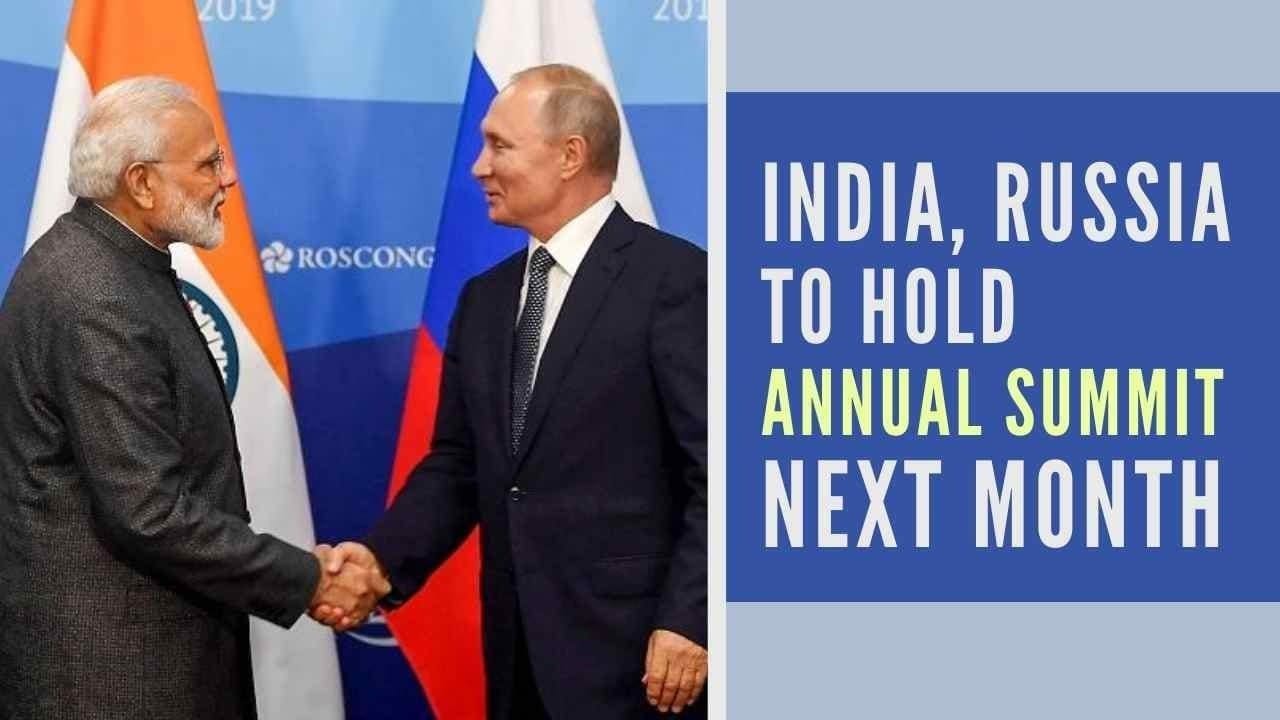
The 23rd India-Russia Summit held in New Delhi has brought to light the intricate geopolitical landscape that India must navigate, particularly in the context of the ongoing Ukraine war, which has strained relations between India's key allies-Russia on one side and the US and Europe on the other. This situation presents a diplomatic challenge for New Delhi as it strives to maintain strategic autonomy while balancing its relationships with both sides.
Key Takeaways
- India's strategic autonomy allows it to navigate complex international relationships.
- The summit reaffirmed the importance of India-Russia ties amidst global polarization.
- India aims to enhance economic cooperation with Russia through Programme 2030.
- Energy security remains a critical aspect of the partnership between India and Russia.
Additional Details
- Strategic Optics: The summit featured a warm welcome for President Vladimir Putin, signaling India's confidence in its long-standing partnership with Russia at a time when global relations are under strain.
- Programme 2030:This initiative aims to deepen economic cooperation, with goals including:
- Facilitating trade in national currencies
- Removing non-tariff barriers
- Diversifying the trade basket
- Boosting investments in non-energy sectors
- Energy Security: As the second-largest fossil fuel importer, India views affordable energy as a national security priority. Strengthening ties with Russia, which has vast energy reserves, is essential for India's energy future.
- Emerging Strategic Sectors: India and Russia are collaborating on maritime connectivity and Arctic cooperation, alongside agreements to facilitate the movement of skilled Indian workers to Russia, addressing labor shortages in certain sectors.
- Traditional Strengths: India-Russia cooperation in defense, space, and nuclear energy continues to be vital, with Russia providing crucial technology and support.
In conclusion, the India-Russia Summit represents not just a formal meeting but a strategic recalibration of ties aimed at adapting to evolving global dynamics. India is positioning itself as a balanced partner capable of maintaining relations with both Russia and the West, emphasizing the necessity for direct engagement in resolving global conflicts like the one in Ukraine.
GS2/International Relations
India Signs 10-Year Defence Framework with the U.S.
Why in News?
India and the United States have formalized a significant advancement in their strategic and defence partnership by signing a 10-year "Framework for the India-U.S. Major Defence Partnership." This agreement was finalized during the 12th ASEAN Defence Ministers' Meeting-Plus (ADMM-Plus) held in Kuala Lumpur.
Key Takeaways
- The framework establishes a long-term roadmap for defence collaboration between India and the U.S.
- It aims to enhance military interoperability and strengthen strategic coordination in the Indo-Pacific region.
Additional Details
- Background of India-U.S. Defence Cooperation:The defence relationship has been a cornerstone of the bilateral ties, evolving significantly over the last 20 years. Key agreements include:
- 2005 Defence Framework Agreement: Laid the groundwork for military cooperation.
- LEMOA (2016): Allowed reciprocal access to military facilities for logistics support.
- COMCASA (2018): Facilitated secure military communications.
- BECA (2020): Enabled the sharing of geospatial intelligence.
- SOSA (2024): Ensured security in supply chains for critical defence materials.
- Highlights of the 10-Year Defence Framework:The framework outlines ambitious goals including:
- Unified Policy Direction: Establishes a structured approach for military and technological collaboration.
- Technology and Industrial Cooperation: Focuses on co-production and co-development of defence systems under the "Make in India, Make for the World" initiative.
- Information and Intelligence Sharing: Enhances mechanisms for intelligence coordination against emerging security threats.
- Joint Military Exercises: Expands regular bilateral exercises like Yudh Abhyas and Malabar.
- Regional Security Commitment: Promotes a vision for a free and rules-based Indo-Pacific.
- Significance of the Defence Partnership:The agreement is timely given the rising geopolitical tensions in the Indo-Pacific, particularly concerning China's assertiveness. It aims to:
- Enhance regional stability by reinforcing India's role as a security provider.
- Encourage U.S. investments in India's defence sector, particularly through the Initiative on Critical and Emerging Technology (iCET).
- Diversify defence supply chains to mitigate risks associated with reliance on single sources.
- Demonstrate resilience in strategic partnerships despite existing trade tensions.
This defence framework not only strengthens India-U.S. ties but also integrates India into broader global defence supply chains, enhancing its strategic importance in the Indo-Pacific region.
GS2/International Relations
Reassessing India's Nuclear Restraint in a Changing Global Order
Why in News?
The recent announcement by U.S. President Donald Trump regarding the potential resumption of nuclear testing has reignited discussions around the stability of the post-Cold War nuclear restraint regime. This situation prompts India to reconsider the viability of its voluntary moratorium on nuclear testing amidst a shifting strategic and technological landscape.
Key Takeaways
- The post-Cold War consensus on nuclear testing is weakening, with key global powers like the U.S., China, and Russia not ratifying the Comprehensive Nuclear-Test-Ban Treaty (CTBT).
- India's nuclear policy, established post-Pokhran-II in 1998, emphasizes restraint and credibility but faces new challenges in technological advancements and regional security dynamics.
Additional Details
- Global Nuclear Landscape: The voluntary moratorium on nuclear testing, upheld for nearly three decades, has been more about political convenience than legal obligation. The erosion of this consensus is evident as countries like Russia renew testing activities and question the reliability of simulations.
- India's Nuclear Policy: Since its nuclear tests in 1998, India has maintained a stance of credible minimum deterrence (CMD) and a No First Use (NFU) doctrine, which has bolstered its image as a responsible nuclear power. However, emerging challenges, such as technological obsolescence and evolving regional threats, necessitate a reassessment of this policy.
- Ethical and Political Dimensions: The need for transparency and public debate on India's nuclear strategy is critical. Maintaining moral authority while adapting to new realities is essential for India's strategic maturity.
In conclusion, while India's nuclear restraint has showcased its maturity and responsibility, the changing global landscape requires a strategic flexibility that balances ethical considerations with the necessity of credible deterrence. India must be prepared not only to maintain its moral standing but also to adapt its nuclear capabilities in response to external pressures and technological advancements.
FAQs on International Relations - 1
| 1. What are the strategic implications of China's Yarlung Tsangpo Project for India? |  |
| 2. How does the India-UK Comprehensive Economic and Trade Agreement (CETA) enhance bilateral economic cooperation? | |
| 3. What progress has been made in the India-EU Free Trade Agreement (FTA) concerning digital trade? | |
| 4. What are the key features of the India-Oman Comprehensive Economic Partnership Agreement? | |
| 5. What was the significance of the recent India-Russia summit? | |




