Economic Development - 4


GS3/Economy
The Inequality-Education-Growth Nexus

Why in News?
The World Inequality Report 2026 has drawn attention to the stark and widening global disparities in income and wealth. It reveals that the top 10% of income earners command more than the remaining 90% combined, while the poorest half of the population earns less than 10% of global income. In terms of wealth, the top 10% own approximately 75% of global wealth, whereas the bottom 50% hold merely 2%.
Key Takeaways
- Global averages obscure significant regional income disparities.
- Public investment in education and health is identified as the most effective means to reduce inequality.
- The Inequality-Education-Growth Nexus illustrates how these factors are interrelated.
Additional Details
- Regional Disparities:The world is categorized into income tiers:
- High-income regions: North America & Oceania, Europe
- Middle-income regions: Russia & Central Asia, East Asia, Middle East & North Africa
- Low-income regions: Latin America, South & Southeast Asia (including India), Sub-Saharan Africa
- The average income in North America & Oceania is about 13 times higher than that in Sub-Saharan Africa.
- Public Education Expenditure: In 2025, the average government spending per school-age individual varies significantly, from €220 in Sub-Saharan Africa to €9,025 in North America & Oceania, creating a gap of nearly 1:41.
- Impact of Inequality: Economic inequality leads to a cycle where poor families face credit constraints, hindering their ability to invest in quality education. This results in educational inequality, lower productivity, and stunted economic growth.
- Conversely, equitable access to education promotes skill development, enhances productivity, and fosters inclusive economic growth.
Education serves as a critical tool for addressing economic, social, and environmental inequalities. Despite progress in expanding access to education, significant disparities persist, particularly for marginalized communities. If substantial and equitable public investment in education is not achieved, global and national inequalities are likely to continue growing.
GS3/Economy
Structural and Policy Constraints to Manufacturing in India
Why in News?
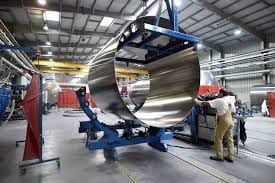
India's ongoing struggle with manufacturing growth has gained attention, sparking renewed discussions around structural constraints, wage dynamics, and their effects on industrial competitiveness.
Key Takeaways
- Manufacturing's role in economic development has been central, historically aiding in labour absorption and productivity growth.
- India's manufacturing sector has stagnated, contrasting sharply with the rapid expansion seen in countries like China and South Korea.
- High public sector wages have negatively impacted the competitiveness of manufacturing firms.
- The lack of technological investment in manufacturing limits productivity and wage growth.
- Uneven growth in sectors contributes to rising income inequality and underemployment.
Additional Details
- Manufacturing and Structural Transformation: Manufacturing has been pivotal in transitioning economies from low-income to higher-income statuses. However, India's shift towards services has hindered similar growth in manufacturing.
- India's Manufacturing Performance: The sector's contribution to GDP has stagnated, failing to generate significant employment or technological advancements, exacerbating informal employment issues.
- Role of Public Sector Wages: High government salaries have diverted labour away from manufacturing, inflating wage expectations and making it difficult for manufacturers to remain competitive.
- Dutch Disease Framework: This economic concept describes how public sector wage expansions can lead to a real exchange rate appreciation, harming the competitiveness of domestic manufacturers.
- Technology and Productivity Constraints: Despite high wages theoretically encouraging innovation, many Indian firms have not invested sufficiently in technology, resulting in stagnant productivity growth.
- Uneven Growth and Rising Inequality: The disparity in wage growth across sectors has led to increased income inequality, with many sectors relying on low-wage labour rather than innovation.
The stagnation of India's manufacturing sector poses significant risks to the country's long-term growth and employment potential. Without a robust industrial base, India could face premature de-industrialization, which would limit job creation and diversification in exports. Policy initiatives aimed at enhancing manufacturing productivity, encouraging technological adoption, and aligning wage growth with productivity improvements are essential for fostering inclusive growth.
GS3/Economy
A Missing Link in India's Mineral Mission
Why in News?
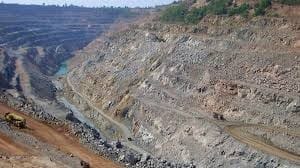
India's increasing involvement in the global clean-energy and high-technology sectors has highlighted a critical reality: mining alone does not ensure economic prosperity. Recent initiatives, including a ₹7,280-crore rare-earth magnet scheme and a new G-20 framework on critical minerals, affirm that true value creation comes from refining, processing, and manufacturing, rather than mere extraction. As geopolitical tensions reshape supply chains, especially with the ongoing U.S.-China trade frictions, India's reliance on foreign processing capabilities has revealed significant vulnerabilities.
Key Takeaways
- India's mining sector reforms have not sufficiently addressed processing capacities for critical minerals.
- The global dominance of China in mineral processing poses risks for India's energy transition and industrial ambitions.
- Strategic partnerships and innovation hubs are essential for enhancing India's processing capabilities.
Additional Details
- Strategic Gap: A study by the Council on Energy, Environment and Water (CEEW) reveals that while India mines several critical minerals, including copper, graphite, and rare earths, the refining capacity remains inadequate.
- Geopolitical Implications: China controls over 90% of rare-earth and graphite refining, and its past restrictions on exports have highlighted the fragility of global supply chains.
- Pathways for Improvement:
- Transform Centres of Excellence into applied innovation hubs focused on commercial readiness.
- Recover minerals from secondary resources like industrial by-products.
- Build a skilled workforce in advanced metallurgy to support critical mineral processing.
- De-risk private investment through demand assurance mechanisms.
- Enhance mineral diplomacy by linking overseas acquisitions to domestic processing capabilities.
In conclusion, the recent restrictions imposed by China underscore the importance of processing capabilities in securing technological and industrial power. India must focus on converting its mineral resources into high-purity materials vital for modern technologies. Bridging these processing gaps is crucial for India's clean-energy transition and will help build resilient supply chains in various sectors, including defense, electronics, and pharmaceuticals.
GS3/Economy
Rupee Breaches the 90-Mark
Why in News?
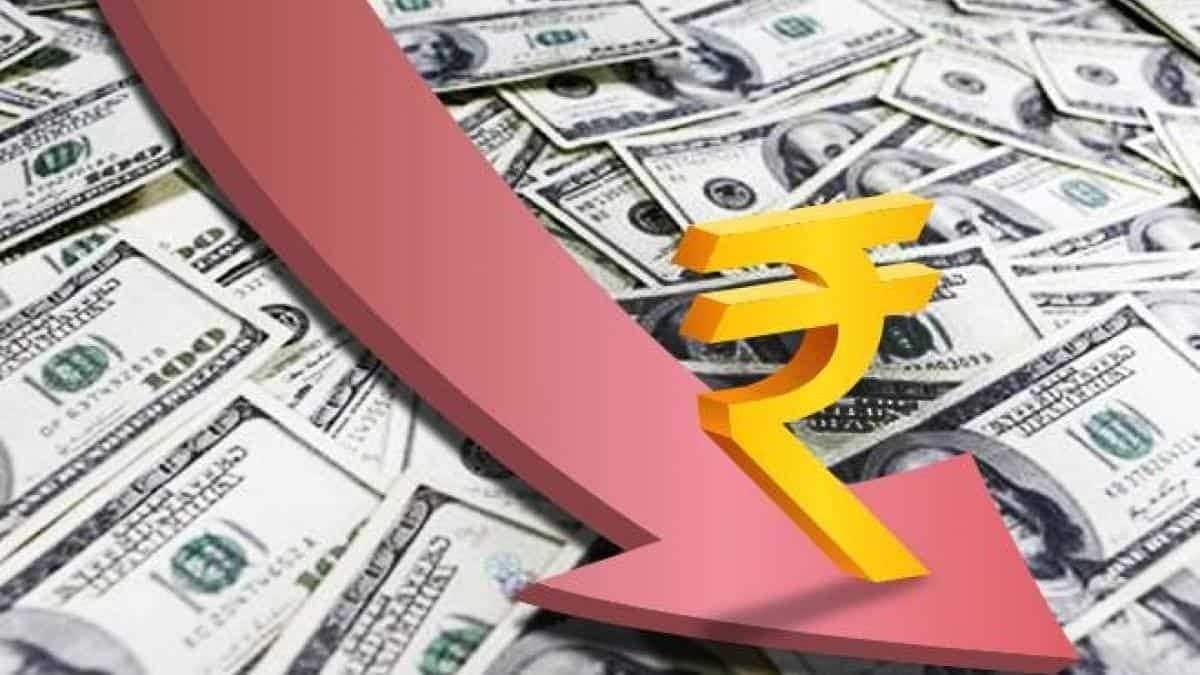
India's rupee has fallen below the significant ₹90-per-dollar mark, causing turmoil in the financial markets and raising broader macroeconomic concerns. This decline represents a drop of over 5% this year, attributed to both domestic and global pressures, including a robust US dollar and delays in the initial segment of the India-US trade agreement.
Key Takeaways
- The rupee has breached the psychological threshold of ₹90, which could trigger further depreciation.
- India's trade deficit is widening, with significant implications for currency strength.
- Foreign investors are withdrawing from Indian markets, adding pressure on the rupee.
- The Reserve Bank of India (RBI) is allowing the rupee to weaken as part of its strategy.
Additional Details
- Rupee's Psychological Threshold: The ₹90 mark is crucial; breaching it may lead to a cascading effect, pushing the currency towards ₹91 or lower.
- Macroeconomic Indicators: Despite positive signs such as lower crude oil prices, inflation below 1%, and GDP growth of 8.2% in Q2, the rupee remains under pressure due to external factors.
- Foreign Portfolio Investment (FPI) Outflows: Continuous withdrawal of funds by FPIs is driven by profit-taking and a shift towards more lucrative markets.
- Trade Deal Uncertainty: Delays in the India-US trade agreement are contributing to market uncertainty and negatively affecting trade flows.
- Widening Trade Deficit: India's merchandise exports fell by 11.8% year-on-year in October 2025, while imports surged by 16.6%, indicating a growing trade deficit.
If these trends persist, India's trade deficit may worsen, leading to additional macroeconomic challenges and increased pressure on the rupee. The unresolved India-US trade agreement adds to market concerns, prompting analysts to predict that the rupee may continue to weaken as a response to tariff pressures faced by exporters. The RBI's strategy appears to focus on allowing the rupee to adjust to market conditions while being prepared to intervene if necessary.
GS3/Economy
India's Oil Basket: A Story of Shifting Sources

Why in News?
India's strategy for energy security has transformed significantly, shifting from a heavy reliance on a few traditional suppliers to a more diversified and opportunistic sourcing approach. Historically, India depended on Saudi Arabia and West Asia for nearly two-thirds of its crude imports. However, recent developments have led to a broader oil basket that balances geopolitical risks with cost-effectiveness. Notably, Russia has emerged as a significant supplier, showcasing New Delhi's diplomatic flexibility during global disruptions to secure discounted crude while maintaining relations across competing blocs.
Key Takeaways
- India's oil policy emphasizes flexibility, diversification, and economic prudence.
- West Asia once dominated India's crude imports, but diversification efforts have changed the landscape.
- Russia has become a major crude supplier following geopolitical shifts and the imposition of sanctions on Moscow.
Additional Details
- West Asia as the Backbone: Before 2005, over 70% of India's crude oil came from West Asian countries like Saudi Arabia, Iraq, Iran, Kuwait, and the UAE.
- Iran Sanctions Impact: International sanctions on Iran significantly disrupted India's energy ties, reducing Iran's share of crude imports from double digits to as low as 5.7% in 2014-15.
- The easing of sanctions in 2016 saw a temporary revival in India-Iran energy ties, but re-imposition of sanctions in 2017 led to a drastic reduction in imports from Iran.
- Emergence of Russia: Russia's share in India's crude imports surged from less than 2% in 2021-22 to 21.6% in 2022-23, becoming the largest supplier by FY 2022-23.
- Economic Considerations: The favorable pricing of Russian crude has improved refinery margins for Indian refineries, which are well-equipped to process this oil.
- Challenges in Replacement: Analysts suggest that replacing Russian oil could be difficult and costly, potentially raising retail fuel prices and impacting the economy.
In conclusion, India's oil import profile is now much more diversified compared to the past, with significant contributions from Russia and continued reliance on traditional suppliers. This evolution reflects a strategic effort to enhance energy security while navigating complex geopolitical landscapes.
GS3/Economy
RBI Cuts Rates Again as Economy Enters 'Goldilocks' Phase
Why in News?
The Reserve Bank of India (RBI) has made headlines as it marks a significant moment with the current Governor completing his first year in office. The Indian economy is exhibiting unexpected strength amidst global challenges such as trade wars, high U.S. tariffs, and geopolitical tensions. This situation has been described as a "rare goldilocks period," characterized by low inflation at 2.2% and robust GDP growth of 8% for the first half of 2025-26. In response to this favorable economic climate, the Monetary Policy Committee has reduced the repo rate by 25 basis points to 5.25%.
Key Takeaways
- The economy is experiencing a "goldilocks phase" with low inflation and strong growth.
- The RBI has cut the repo rate by 25 basis points, totaling 125 basis points in rate cuts for 2025.
- Inflation trends have allowed the RBI to ease monetary policy without risking economic overheating.
Additional Details
- Goldilocks Conditions: The term refers to an economic environment where growth is strong but inflation remains low, allowing for stable monetary policies.
- Inflation Trends: The significant drop in inflation to below the RBI's lower threshold of 2% has provided room for further rate cuts, aligning with the central bank's goal to stabilize inflation at around 4% in the medium term.
- RBI's Strategy: The central bank aims to support domestic demand in light of global economic challenges by utilizing its policy space to buffer the economy.
- Future Growth Projections: While current growth is strong, economists expect a moderation in GDP growth, projecting a decrease to 7% in Q3 and 6.5% in Q4 of 2025-26 due to factors like reduced government spending and external tariffs.
- The RBI has shifted its approach to currency management, emphasizing flexibility over direct intervention, as it acknowledges that recent rupee depreciation does not pose a direct monetary policy concern.
In conclusion, the RBI's recent rate cuts reflect a strategic response to favorable economic indicators while preparing for potential challenges ahead. The balance between fostering growth and managing inflation remains crucial as the economy navigates through this unique goldilocks phase.
GS3/Economy
Shrinking Fiscal Space of States - Trends in Tax Devolution and Finance Commission Transfers
Why in News?
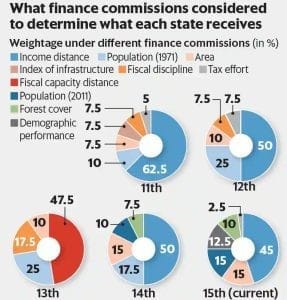
The discussion regarding the fiscal autonomy of states has become more prominent recently, particularly in light of the changes brought about by the 14th, 15th, and 16th Finance Commissions (FCs). States contend that their fiscal space is diminishing due to various factors, including the increase in non-sharable cesses and surcharges, modifications in devolution formulas, and complications arising from the Goods and Services Tax (GST) structure.
Key Takeaways
- States argue that their fiscal autonomy is under threat due to rising non-sharable levies and changing financial frameworks.
- Fiscal space encompasses states' own revenue and transfers from the Centre, including Finance Commission transfers.
- Recent Finance Commissions have altered the distribution of revenue, impacting states differently.
Additional Details
- Fiscal Space: This term refers to the financial capacity of states, which includes both their own revenue sources and the total transfers they receive from the central government.
- Finance Commission Transfers: These consist of tax devolution (the largest component) and various grants, which can be tied or untied. Non-FC grants are given at the discretion of the Centre.
- 14th Finance Commission Changes: The 14th FC significantly increased states' share in the divisible pool from 32% to 42%, leading to a rise in their share of combined revenue receipts from 15% to 19.2%.
- 15th Finance Commission Outcomes: The 15th FC saw a slight contraction, with states' share dropping from 68.08% to 67.39%, primarily due to reduced tax devolution and an increase in non-sharable cesses.
- Impact on High-Income States: States such as Haryana and Tamil Nadu experienced a decline in fiscal space, attributed to unfavorable changes in the transfer formula and increased reliance on non-sharable revenues.
- Challenges Ahead: Issues include rising non-sharable cesses, decreasing own revenue for states, and greater expenditure responsibilities, particularly in the wake of COVID-19.
In conclusion, the interplay of rising cesses, alterations in devolution formulas, and GST-related challenges has restricted the autonomy of states. As the 16th Finance Commission prepares its recommendations, it is crucial to establish a balanced and predictable system of fiscal transfers to enhance fiscal federalism and improve developmental outcomes for both the Union and states.
GS3/Economy
India's Push for Self-Reliance in REE Production
Why in News?
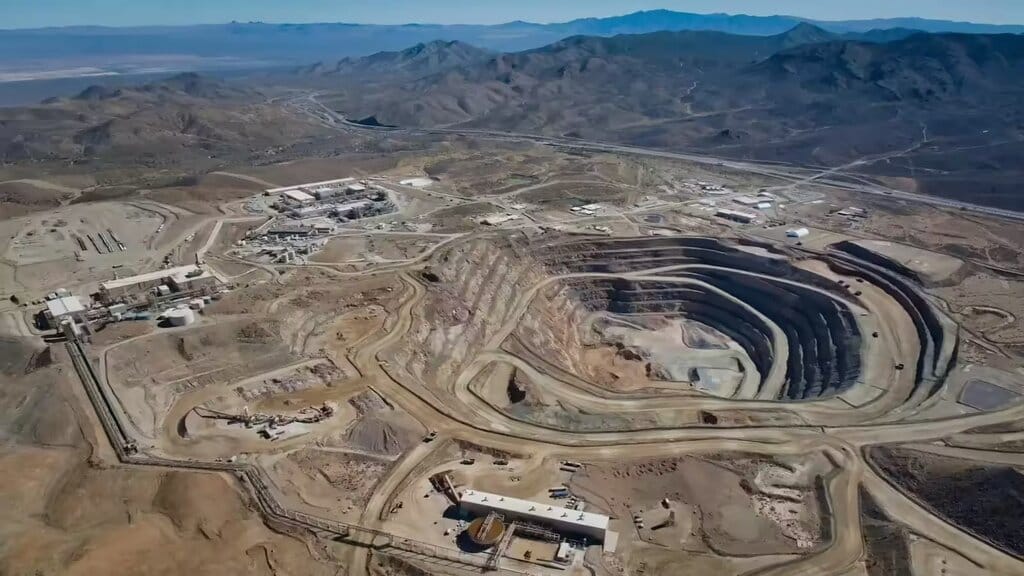
The Indian government has recently sanctioned a scheme worth ₹7,280 crores to bolster domestic production of rare earth permanent magnets (REPMs). This move is primarily aimed at countering China's overwhelming dominance in the global rare earth magnet manufacturing sector, where it controls over 90% of the market. REPMs are essential components for various sectors, including electric vehicles (EVs), renewable energy systems, electronics, aerospace, and defense.
Key Takeaways
- India's dependency on China for REPMs makes it vulnerable to supply disruptions.
- The approved scheme aims to create a manufacturing capacity of 6,000 MTPA of REPMs by supporting five beneficiaries.
- The initiative includes significant financial incentives to encourage large-scale production.
Additional Details
- Importance of REPMs: Rare earth permanent magnets are crucial for the development of advanced technologies, particularly in clean energy and mobility sectors.
- Current Situation: India imports nearly all of its REPM needs, leading to a strategic vulnerability highlighted by recent Chinese export controls.
- Financial Incentives: Selected companies under the scheme will benefit from ₹6,450 crores in sales-linked incentives and ₹750 crores in capital subsidies for setting up integrated manufacturing facilities.
- Focus on NdFeB Magnets: The scheme prioritizes the production of neodymium-iron-boron (NdFeB) magnets, known for their strength and efficiency.
- Manufacturing Processes: The production process involves several stages, from mining to the conversion of alloys into magnets, with the scheme supporting the final three stages of this chain.
This initiative represents a significant strategic shift for India, aiming to reduce reliance on Chinese imports and build a resilient domestic supply chain for critical minerals. However, challenges such as raw material bottlenecks and cost competitiveness must be addressed to achieve true self-reliance.
GS3/Economy
Govt Plans Major Overhaul of India's Insurance Sector

Why in News?
The government is set to introduce the Insurance Laws (Amendment) Bill, 2025 in the sixth session of the 18th Lok Sabha. This initiative aims to reform India's insurance sector, which currently has low penetration rates. Industry stakeholders view the Bill as a transformative step that could enhance growth, attract capital, and encourage innovation in the coming decade.
Key Takeaways
- The proposed Bill aims to increase the Foreign Direct Investment (FDI) limit in insurance from 74% to 100%.
- It includes provisions for composite licensing, allowing insurers to sell both life and non-life products under a single license.
- Lower capital requirements for new entrants and foreign reinsurers are expected to stimulate market competition.
- The Bill aims to improve India's insurance penetration, currently at 3.7%, which is significantly lower than the global average of 7%.
Additional Details
- Increase in FDI: On February 1, 2025, Finance Minister Nirmala Sitharaman announced the increase of FDI in insurance to 100%, allowing significant foreign capital inflow and enhancing competition among insurers.
- Composite Licensing: The Bill introduces a unified framework allowing insurers to operate across both life and non-life segments, promoting integrated insurance solutions that meet comprehensive customer needs.
- The proposal to lower the net owned funds requirement for foreign reinsurers from ₹5,000 crore to ₹500 crore is designed to attract new global players into the Indian market.
- The Bill supports India's long-term vision of achieving "insurance for all" by 2047, particularly focusing on underserved markets.
- Captive Insurance Entities: Large corporations will be allowed to set up captive insurance entities, enabling better risk management and efficiency in claims processing.
- Insurance intermediaries will benefit from one-time, perpetual registration, simplifying regulatory requirements and fostering a more competitive market.
This overhaul in the insurance sector is expected to create a robust ecosystem with a potential of having 1,000 insurers within the next decade, enhancing innovation and expanding consumer choice while addressing the affordability barrier that currently limits insurance adoption in India.
GS3/Economy
Rupee Depreciation - Rupee at ₹91/USD a Crisis Signal or External Shock
Why in News?
The Indian Rupee (INR) has recently fallen below the significant psychological threshold of ₹91/USD, leading to concerns about a potential further decline towards ₹100/USD. This depreciation arises during a period of global trade uncertainty, particularly due to high U.S. tariffs on Indian exports. This situation has ignited a debate among experts regarding whether this trend poses a structural threat to the economy or if it is a manageable cyclical fluctuation.
Key Takeaways
- The rupee's decline raises questions about macroeconomic stability and capital flows.
- Experts present varying opinions on the effects of depreciation on exports and economic growth.
Additional Details
- Key Drivers of Rupee Depreciation:
- External factors such as U.S. tariffs (up to 50%) impacting Indian exports.
- Global market volatility and a risk-off sentiment among investors.
- Broad-based depreciation of the INR against other major currencies.
- Domestic Structural Factors:
- Persistent Current Account Deficit (CAD) and reliance on capital inflows for growth.
- Increased outward remittances and demand for gold as a protective measure.
- Divergent Expert Views:
- View 1: Depreciation is a critical concern due to its negative impact on income growth and foreign investment.
- View 2: The depreciation is primarily driven by external factors, with India's economic fundamentals still strong.
- Impact on Export Competitiveness:
- The shift towards value-added exports may be compromised by rising import costs due to a weaker rupee.
- Export sectors with high import intensity may struggle as costs increase.
- Outlook for the Rupee:
- Short-term pressures are predicted due to tariffs and global uncertainties.
- Medium-term expectations suggest potential improvement with upcoming trade deals.
- Long-term projections indicate continued pressure but possible stabilization below ₹90/USD if conditions improve.
- Challenges and Way Forward:
- Addressing CAD without over-reliance on capital inflows.
- Encouraging stable foreign investments while mitigating volatility risks.
- Diversifying export markets to reduce vulnerability to tariffs.
- Maintaining investor confidence through strong macroeconomic management.
The recent depreciation of the rupee past ₹91/USD highlights a complex interaction of external trade pressures and internal economic challenges rather than signaling an immediate crisis. While India's robust economic fundamentals offer some resilience, relying on currency depreciation as a strategy for growth and export success is not advisable. Sustainable competitiveness and sound policy frameworks will be crucial for ensuring long-term economic stability.
GS3/Economy
A Missing Link in India's Mineral Mission
Why in News?
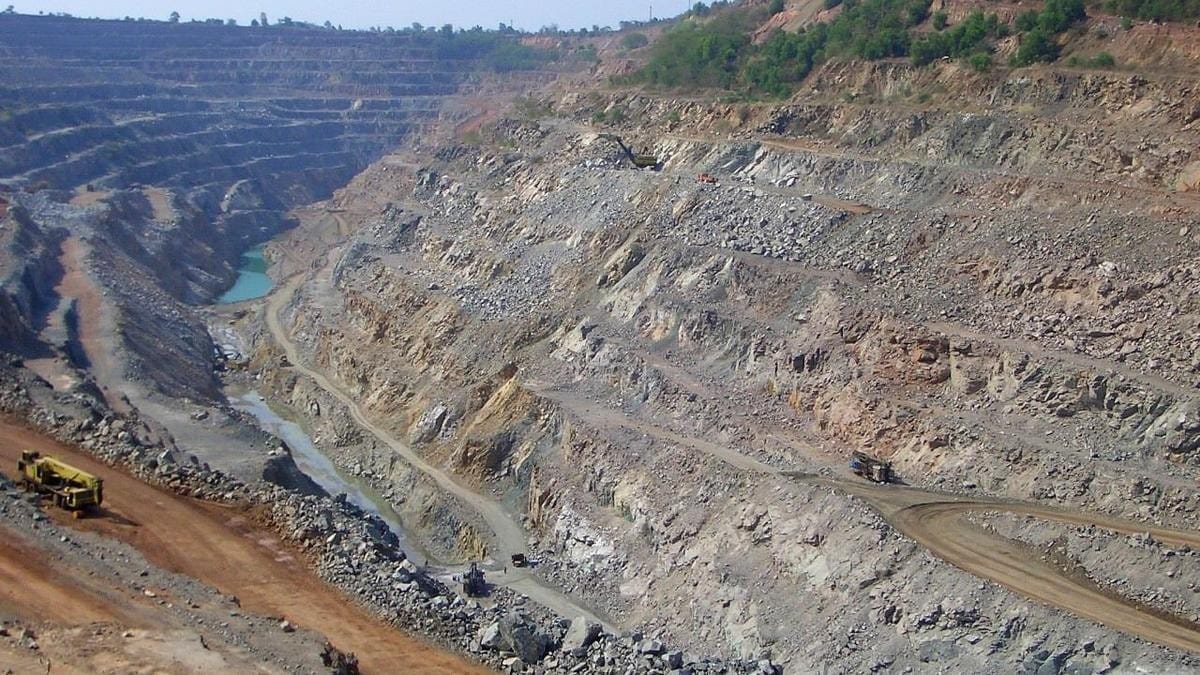
India's approach to critical minerals is evolving, recognizing that the value of these resources lies not just in extraction, but in transforming them into high-purity materials necessary for clean energy and advanced manufacturing. Recent initiatives like the Union Cabinet's ₹7,280-crore rare-earth magnet scheme and the G-20 framework on critical minerals signify a strategic shift towards midstream value creation, which is crucial for the resilience of future industries.
Key Takeaways
- India's critical minerals strategy emphasizes refining capacity over mere mineral reserves.
- China's dominance in refining creates a global bottleneck, making India vulnerable due to its dependence on imported refined materials.
- India's existing mining capabilities are insufficient for high-purity processing, leading to economic challenges.
- Strategic interventions are needed to enhance domestic refining capacity and technological autonomy.
Additional Details
- Geopolitical Influence: Critical mineral supply chains are tools of geopolitical power, with China controlling over 90% of rare earth and graphite refining, as well as most lithium and cobalt processing.
- India's Dependency: Despite domestic mining reforms, India imports nearly all its lithium, nickel, and cobalt, essential for various industries including renewable energy and defense.
- Processing Gap: India extracts several critical minerals but lacks the refining capacity needed for higher-value applications, trapping the country in low-value export roles.
- Strategic Interventions: Proposed measures include enhancing Centres of Excellence for applied innovation, mobilizing secondary mineral resources, building a skilled workforce, de-risking investments, and leveraging international partnerships for processing capabilities.
Ultimately, India's core challenge is not in extracting minerals but in developing the necessary refining infrastructure for technological and strategic independence. By focusing on innovation, recycling, workforce development, and international collaboration, India can shift from being a supplier of raw materials to a producer of high-value, strategically crucial materials, defining true autonomy in the clean-energy era.
GS3/Economy
Revising India's GDP Framework - Phasing Out 'Discrepancies' for Greater Statistical Credibility
Why in News?
The Ministry of Statistics and Programme Implementation (MoSPI) has initiated a significant revision of India's GDP data series by proposing the removal of the contentious 'discrepancies' component from GDP estimates. This reform is detailed in MoSPI's discussion paper on methodological improvements, coinciding with the new GDP base year of 2022-23, set to be launched on 27 February 2026. The back series for GDP under the revised base year is anticipated by February 2027.
Key Takeaways
- The removal of discrepancies aims to enhance the accuracy and reliability of GDP estimates.
- This reform is part of a broader methodological improvement to align with international standards.
Additional Details
- 'Discrepancies' in GDP: Discrepancies arise from differences in data sources, coverage, valuation methods, and time lags between the production (value-added/income) approach and the expenditure approach to GDP compilation. This results in the recorded difference being labeled as 'discrepancies', particularly on the expenditure side, which is viewed as less accurate.
- Interpretation of Discrepancies: A positive discrepancy indicates that production-side GDP is higher than expenditure-side GDP, while a negative discrepancy suggests the opposite.
- Challenges: Discrepancies complicate macroeconomic analysis and can lead to significant future revisions of GDP growth rates. For instance, in the July-September quarter, real GDP growth was recorded at 8.2%, with discrepancies amounting to ₹1.63 lakh crore (3.3% of GDP) in real terms.
- Volatile swings in discrepancies have been observed in the post-pandemic period, such as (-)3% of GDP in Jan-Mar 2023 and +3.3% of GDP in Apr-Jun 2023.
The proposed reform to eliminate discrepancies by integrating Supply and Use Tables (SUTs) with annual national accounts is aimed at ensuring total supply equals total use for all goods and services. This approach will help limit early discrepancies and potentially eliminate them entirely in final estimates once comprehensive data becomes accessible. Economists have generally welcomed this move, suggesting it will enhance the transparency and interpretability of GDP data.
However, concerns remain regarding data quality, particularly due to reliance on outdated survey data that may be over a decade old. To address these challenges, efforts must be made to improve institutional capacity for national accounts compilation, regularly update surveys, and refine data collection methods.
In conclusion, the initiative to remove 'discrepancies' from India's GDP estimates represents a crucial methodological reform aimed at bolstering statistical credibility and consistency. While the integration of Supply and Use Tables is expected to enhance accuracy, the overall success of this reform hinges on robust, updated data sources and transparent statistical practices, ultimately allowing for a clearer interpretation of India's economic growth dynamics.
GS3/Economy
MGNREGS and Farm Labour Availability: What the Data Reveals
Why in News?
The Viksit Bharat-Guarantee for Rozgar and Ajeevika Mission Gramin (VB-G RAM G) Bill proposes a 60-day halt on rural employment works during peak sowing and harvesting seasons. This measure, notified in advance by States, aims to ensure sufficient farm labour availability and seeks to replace MGNREGA, which has faced criticism for contributing to agricultural labour shortages-a concern previously voiced by former Agriculture Ministers.
Key Takeaways
- Rural wage growth has been modest despite MGNREGA's implementation.
- The rise in women's participation in the rural workforce has contributed to increased labour supply.
- Structural issues in agriculture and urban migration are significant factors affecting farm labour availability.
Additional Details
- Rural Wage Trends: Labour Bureau data indicates that all-India rural wage growth for male workers has been between 3.6% and 6.4% annually over the past decade. In four of those years, nominal wage growth lagged behind consumer price inflation, suggesting a decline in real wages.
- Women's Participation: The Periodic Labour Force Survey reports that female labour force participation rate (LFPR) in rural areas rose from 24.6% in 2017-18 to 47.6% in 2023-24, almost doubling in seven years. This increase has expanded the available labour force, exerting downward pressure on wages.
- Government Welfare Schemes: Initiatives such as Ujjwala, Har Ghar Jal, Saubhagya, and Swachh Bharat have alleviated women's unpaid domestic burdens, enabling them to engage in paid work and thereby increasing the rural workforce size.
- Farm Work Challenges: Agricultural wages are often lower than those for MGNREGS and non-farm wages, making farm work less appealing. Additionally, poor working conditions and health issues faced by farm labourers contribute to the reluctance to engage in agricultural work.
- Out-Migration: Long-standing trends of rural out-migration to urban areas for better-paying jobs have been a significant cause of labour shortages, predating MGNREGA.
- Bargaining Power: MGNREGS has enhanced employment security for rural workers, improving their bargaining power for better wages in both agricultural and non-agricultural sectors, which some farmers perceive as a labour shortage.
In conclusion, while some farmers attribute labour shortages to MGNREGS, broader evidence suggests that deeper structural issues in agriculture and the availability of better job options for rural labourers play a crucial role. Discussions for policy improvements have included better alignment with agricultural cycles and possible work suspensions during peak seasons.
GS3/Economy
India's 8.2% GDP Growth - Momentum and Challenges
Why in News?
India has reported a remarkable GDP growth rate of 8.2%, driven by robust activity in both manufacturing and services sectors. However, the International Monetary Fund (IMF) has rated India's national income accounting framework as 'Grade C', pointing to underlying structural weaknesses and statistical deficiencies.
Key Takeaways
- India's economic output for the quarter reached 48.63 lakh crore, marking a significant increase from the previous year.
- Manufacturing and services sectors reported growth rates of 9.1% and 9.2%, respectively.
- Real Gross Value Added (GVA) rose, confirming genuine value creation.
- Despite strong growth, the IMF's Grade C highlights critical issues in statistical reporting.
Current Growth Performance
- Manufacturing: Grew by 9.1%, indicating stronger industrial demand and improved capacity utilization.
- Services: Expanded by 9.2%, now accounting for 60% of GDP, with financial services growing at 10.2%, reflecting buoyant credit growth.
- Agriculture: Increased by 3.5%, aided by better reservoir levels and horticulture output, signaling a small boost in rural incomes.
- Real GVA: Increased from Rs. 82.88 lakh crore to Rs. 89.41 lakh crore, highlighting actual value addition rather than inflationary effects.
- Nominal GDP: Grew by only 8.8%, showing inflation remains controlled.
- Household Consumption: Grew by 7.9%, indicating resilient domestic demand.
Macroeconomic Stability Indicators
- Inflation rates decreased, even dipping below the target towards the end of 2024-25.
- Bank credit growth remained robust, with banks maintaining capital buffers above regulatory requirements.
- Fiscal consolidation continued, bolstered by strong GST and direct tax revenues.
- The current account deficit remained modest, supported by strong service exports and diversified forex reserves.
IMF's Grade C Assessment: What It Means
- Despite strong growth figures, the IMF's Grade C rating highlights fundamental shortcomings in India's national income accounting:
- Use of an outdated base year (2011-12)
- Reliance on the Wholesale Price Index (WPI) due to lack of Producer Price Index (PPI) deflators
- Single deflation method causing cyclical bias
- Significant discrepancies between production and expenditure data, indicating incomplete coverage of the informal sector
- Lack of seasonal adjustments in quarterly accounts
- No consolidated datasets for states and local bodies post-2019
- The IMF suggests that India's statistical framework must be strengthened to support its economic growth.
Uneven Recovery Across Sectors
- Despite the strong overall growth, some sectors displayed sluggish performance:
- Mining: Grew only 0.04%, adversely affected by prolonged monsoon disruptions.
- Electricity and Utilities: Expanded by just 4.4%, impacted by mild winter conditions leading to reduced peak load demand.
- This uneven recovery indicates that not all sectors have benefited equally from the overall economic growth.
- The sectoral breakdown of Gross Value Added (GVA) is as follows:
- Primary: 14%
- Secondary: 26%
- Tertiary: 60%
Long-Term Challenges
India faces several long-term challenges that need addressing to sustain its growth momentum:
- Weak Export Competitiveness: Trade protectionism, tariff uncertainties, and geopolitical tensions threaten export growth.
- Labour Productivity Issues: A significant portion of the workforce remains in low-productivity sectors, leading to a mismatch between output structure and employment.
- Fragile Statistical and Institutional Capacity: Lack of updated base years and comprehensive data undermines effective policy evaluation.
- External Pressures on the Rupee: The rupee is under pressure due to a strong U.S. dollar and fluctuating foreign capital flows.
These challenges do not diminish India's growth achievements but highlight the necessity for deeper institutional reforms to ensure sustainable high growth in the future.
Download the report (Size: 201.2 KB)
GS3/Economy
World Inequality Report 2026 - Income Inequality in India and the World

Why in News?
The World Inequality Report 2026, released by the World Inequality Lab and spearheaded by notable economists like Thomas Piketty, reveals alarming trends in income, wealth, and gender inequalities both in India and globally. These findings are pivotal for fostering inclusive growth, promoting social justice, enhancing welfare economics, achieving Sustainable Development Goals (SDGs), and addressing climate equity.
Key Takeaways
- India's income inequality has worsened, with the top 10% earning 58% of national income.
- Global wealth concentration is increasing, where the top 0.001% holds wealth equivalent to three times that of the bottom 50% of the population.
- Gender inequality persists, with women earning significantly less than men worldwide.
- Climate inequality shows that the poorest 50% contribute minimally to carbon emissions, while the wealthiest emit the most.
Additional Details
- India's Income and Wealth Inequality: The average annual income per capita is around 6,200 euros (PPP), with average wealth at approximately 28,000 euros (PPP). Notably, the top 10% earners capture 58% of national income, with the bottom half receiving only 15%.
- Global Inequality Trends: The richest 1% control 37% of global wealth, more than eighteen times that of the bottom half of the world's population.
- Gender Inequality: In India, female labor force participation is alarmingly low at 15.7%. Globally, women earn only 61% of male earnings per hour, dropping to 32% when unpaid work is factored in.
- Climate Inequality: The wealthiest 10% account for 77% of carbon emissions, while the poorest contribute a mere 3%.
- Reasons Behind Inequality: Structural divides, such as low female workforce participation and weak taxation systems, exacerbate the inequality crisis.
- Policy Recommendations: Implementing wealth taxes, addressing gendered labor burdens, and enhancing global cooperation on taxation and climate issues are crucial for reducing inequalities.
The World Inequality Report 2026 highlights that historic levels of inequality are being witnessed both in India and globally. India's declining position within the global distribution of wealth, coupled with persistently low female participation in the workforce, underscores significant structural challenges. As emphasized by Thomas Piketty, promoting equality is essential to effectively address the social and climate challenges that lie ahead. For India, achieving goals of inclusive growth and social justice will depend on strong political will, effective governance, and sustained investment in human capital.
GS3/Economy
Anatomy of Rupee Weakness Against the Dollar
Why in News?
Recently, the Reserve Bank of India made significant sales of US dollars, which increased the dollar supply and resulted in a nearly 1% appreciation of the rupee. Despite this intervention, the rupee has been generally weakening against the dollar in recent months.
Key Takeaways
- The rupee has depreciated by nearly 6% against the US dollar over the past year.
- The rupee's decline persists even amid a weakening dollar and stronger global currencies.
Additional Details
- Strong Domestic Fundamentals: On paper, the rupee should be appreciating; India is the fastest-growing major economy with controlled inflation and stable external sector indicators.
- Trade Deficit Pressure: India imports more than it exports, heightening the demand for US dollars and exerting downward pressure on the rupee's exchange rate.
- Impact of US Tariffs: High tariffs on Indian goods by the US reduce their competitiveness, leading to lower demand for rupees.
- Investor Sentiment: Weak capital inflows and global investors favoring other markets indicate a perception of Indian equities as less profitable.
- Role of RBI Interventions: The Reserve Bank of India's dollar buying and selling significantly impacts the rupee's exchange rate.
In conclusion, the rupee's ongoing depreciation against the dollar reflects a combination of domestic challenges, external pressures, and investor sentiment, despite the Indian economy's strong fundamentals.
GS3/Economy
Rupee Falls to 90 as RBI Shifts Currency Management

Why in News?
The rupee fell below the Rs. 90 per U.S. dollar mark on December 3, 2025. This decline has sparked discussions on whether it indicates a market crisis or a strategic change in policy by the Reserve Bank of India (RBI).
Key Takeaways
- The rupee's depreciation is influenced by a combination of external shocks and domestic economic behavior.
- Three main factors are contributing to the rupee's decline: tariffs on exports, increased imports of gold and silver, and significant foreign portfolio investment outflows.
Market Forces Driving the Rupee's Decline
- Tariff-Induced Export Slowdown:
The imposition of a 50% tariff by the U.S., India's largest export market, has significantly raised the cost of Indian goods. Exports to the U.S. decreased by 12% in September and 9% in October 2025, leading to an overall decline in monthly exports by nearly 12% year-on-year. This drop in demand has resulted in reduced dollar earnings for exporters, leading to a dollar shortage and further depreciation of the rupee. Despite a 0.5% increase in cumulative exports from April to October 2025, indicators suggest continued export stress ahead.
- Surge in Gold and Silver Imports:
In October, gold imports soared by 200% to $14.7 billion, while silver imports skyrocketed by 528% to $2.7 billion. Although this spike can be attributed to festive demand, it also reflects a "flight to safety" amid domestic financial instability. The increased demand for bullion forced domestic players to sell rupees to purchase dollars, adding pressure on the exchange market.
- Record Foreign Portfolio Investor (FPI) Outflows:
Foreign portfolio investors have withdrawn $17 billion from Indian equity markets in 2025, marking the largest outflow in two decades. This trend accelerates the rupee's decline as FPIs sell rupees to acquire dollars during their exit.
Understanding RBI's Strategic Shift
- From Aggressive Defence to Limited Intervention:
Between 2022 and 2024, the RBI actively sold significant amounts of foreign reserves to stabilize the rupee, including over $30 billion in Q3 2022. However, in 2025, the RBI sold only $10.9 billion in Q3, indicating a shift away from maintaining a fixed exchange rate.
- RBI's Calculated Bet on a Weaker Rupee:
The RBI appears to believe that a gradually weaker rupee could serve as an economic buffer by making Indian exports more competitive, mitigating tariff impacts, and preventing excessive depletion of reserves. Experts suggest that this strategy, if implemented gradually, would allow businesses to adjust. However, they caution that nominal depreciation does not guarantee a competitive real exchange rate if domestic inflation remains high.
The rupee's decline to 90 highlights a complex interplay of global economic pressures, shifts in domestic behavior, and a strategic recalibration by the RBI. While immediate risks include rising import costs and fluctuating investor sentiment, the RBI's approach suggests a confidence in the currency's potential to find a stable market equilibrium over time. The next few months will be pivotal in determining whether this strategy can effectively stabilize macroeconomic conditions without leading to financial instability.
FAQs on Economic Development - 4
| 1. What are the key structural and policy constraints to manufacturing in India? |  |
| 2. How does the depreciation of the rupee impact the Indian economy? | |
| 3. What steps is India taking to achieve self-reliance in rare earth element (REE) production? | |
| 4. What does the term 'Goldilocks phase' refer to in the context of the economy? | |
| 5. What are the implications of shrinking fiscal space for Indian states? | |




