


|
INFINITY COURSE
Vocational Education (Kaushal Bodh) Class 7Rohini Seth · Last updated on Oct 12, 2025 |
Vocational Education (Kaushal Bodh) Class 7 Study Material

Trending Courses for Class 7
Vocational Education (Kaushal Bodh) Class 7 - New NCERT CBSE Exam Pattern 2025-2026
Vocational Education (Kaushal Bodh) Class 7 - New NCERT Exam Pattern for Class 7
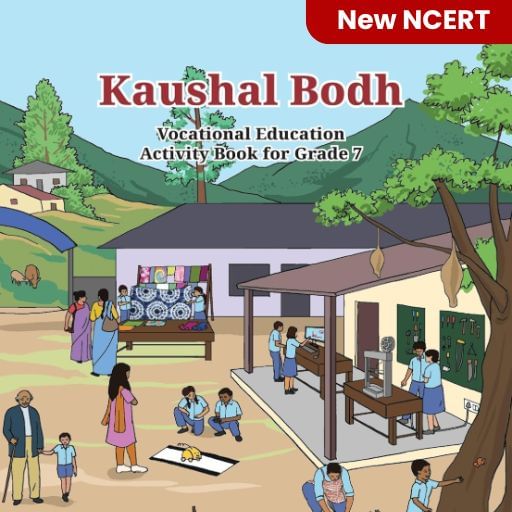
Vocational education, also known as Kaushal Bodh, is an integral part of the New NCERT curriculum for Class 7. It aims to equip students with practical skills and knowledge that can be applied in various trades and professions. Understanding the exam pattern for this subject is crucial for students to prepare effectively. Below is a detailed overview of the exam pattern.
1. Exam Structure
- Type of Exam: The exam is typically conducted in a written format.
- Duration: Students will have a specific time limit to complete the exam, generally ranging from 2 to 3 hours.
- Max Marks: The total marks for the exam usually amount to 50 or 100, depending on the school's assessment framework.
2. Question Types
- Multiple Choice Questions (MCQs): These questions test students' understanding of fundamental concepts.
- Short Answer Questions: Students will need to provide brief but precise answers to specific questions.
- Long Answer Questions: These questions require detailed explanations and elaborations on specific topics.
- Practical Assessments: Some exams may include practical components where students demonstrate their skills.
3. Syllabus Coverage
- Core Topics: The syllabus typically covers essential vocational skills, including craftwork, basic electronics, and other trade-related subjects.
- Life Skills: Emphasis is placed on developing life skills such as teamwork, communication, and problem-solving.
4. Grading System
- Grades: The grading system may include grades such as A, B, C, etc., based on the marks obtained.
- Pass Criteria: A minimum percentage may be required to pass the exam, often set around 33% or higher.
5. Preparation Tips
- Review the Syllabus: Ensure thorough understanding of all the topics listed in the syllabus.
- Practice with Sample Papers: Attempting previous years' papers can help familiarize students with the exam format.
- Focus on Practical Skills: Engage in hands-on activities to reinforce learning and build confidence.
In conclusion, the Vocational Education (Kaushal Bodh) for Class 7 under the New NCERT curriculum emphasizes practical skills and knowledge, preparing students for future careers. Understanding the exam pattern is vital for effective preparation.


Vocational Education (Kaushal Bodh) Class 7 - New NCERT Syllabus 2025-2026 PDF Download
Class 7 Vocational Education (Kaushal Bodh) Syllabus
The Class 7 Vocational Education (Kaushal Bodh) syllabus is designed to equip students with practical skills that will help them in their personal and professional lives. This curriculum includes a variety of subjects, each focusing on different aspects of vocational training. The following sections provide a detailed breakdown of the syllabus.
Class 7 Work with Life Forms
- Understanding Biodiversity
- Introduction to Agriculture and its Practices
- Basic Concepts of Horticulture
- Animal Husbandry Fundamentals
- Environmental Conservation Techniques
- Hands-on Activities: Planting and Nurturing
Class 7 Work with Machines and Materials
- Overview of Tools and Machines
- Types of Materials: Metals, Wood, and Plastics
- Basic Mechanics: Simple Machines
- Safety Practices while Working with Machines
- Hands-on Activities: Building Simple Projects
- Introduction to Basic Electronics
Class 7 Work in Human Services
- Understanding the Role of Human Services in Society
- Fundamentals of Health and Nutrition
- Basic First Aid and Emergency Response
- Community Service Projects
- Communication Skills and Interpersonal Relationships
- Hands-on Activities: Organizing a Community Event
Class 7 Planning for Kaushal Mela
- Concept of Kaushal Mela and its Importance
- Planning and Organizing Skills
- Roles and Responsibilities in Event Management
- Marketing and Promotion Strategies
- Practical Experience: Setting Up a Stall
- Reflection and Learning Outcomes from the Event
Conclusion
The Class 7 Vocational Education (Kaushal Bodh) syllabus aims to provide students with practical skills and knowledge that are essential in today's world. Through hands-on activities and projects, students will not only learn theoretical concepts but also apply them in real-world scenarios. This engaging approach prepares them for future vocational opportunities while fostering creativity and critical thinking.
This course is helpful for the following exams: Class 7
How to Prepare Vocational Education (Kaushal Bodh) Class 7 - New NCERT?
How to Prepare Vocational Education (Kaushal Bodh) Class 7 - New NCERT for Class 7?
Preparing for the Vocational Education (Kaushal Bodh) Class 7 - New NCERT can be an enriching experience that equips students with practical skills and knowledge. Here’s a structured approach to help students excel in this course offered by EduRev.
1. Understand the Course Structure
Begin by familiarizing yourself with the syllabus of Vocational Education (Kaushal Bodh) Class 7 - New NCERT. Understanding the topics covered will give you a roadmap for your studies.
2. Gather Study Materials
Collect all necessary materials, including textbooks, reference books, and supplementary resources related to Vocational Education (Kaushal Bodh). Ensure that you have access to the latest NCERT curriculum.
3. Create a Study Schedule
Design a study timetable that allocates specific time slots for each topic in Vocational Education (Kaushal Bodh) Class 7 - New NCERT. Consistency is key to effective learning.
4. Engage in Practical Learning
Since Vocational Education (Kaushal Bodh) emphasizes hands-on skills, actively participate in practical sessions. This will enhance your understanding and retention of concepts.
5. Utilize Online Resources
Take advantage of online resources and courses provided by EduRev. These can offer additional insights and interactive learning experiences related to Vocational Education (Kaushal Bodh).
6. Focus on Key Concepts
Identify and focus on key concepts that are fundamental to Vocational Education (Kaushal Bodh) Class 7 - New NCERT. Make notes to help you revise these concepts regularly.
7. Practice with Sample Papers
Practice sample papers and previous years' question papers related to Vocational Education (Kaushal Bodh). This will familiarize you with the exam format and types of questions asked.
8. Group Study Sessions
Consider forming study groups with classmates. Discussing and explaining topics related to Vocational Education (Kaushal Bodh) Class 7 - New NCERT can help reinforce your understanding.
9. Seek Help When Needed
Don't hesitate to ask for help from teachers or peers if you struggle with certain topics in Vocational Education (Kaushal Bodh). Clarifying doubts is crucial for successful preparation.
10. Regular Revision
Make it a habit to revise regularly. This will ensure that the knowledge gained from Vocational Education (Kaushal Bodh) Class 7 - New NCERT stays fresh in your mind.
By following these steps, students can effectively prepare for the Vocational Education (Kaushal Bodh) Class 7 - New NCERT course offered by EduRev, setting a strong foundation for their vocational skills and knowledge.
Importance of Vocational Education (Kaushal Bodh) Class 7 - New NCERT
Importance of Vocational Education (Kaushal Bodh) Class 7 - New NCERT Course for Class 7
Vocational education, also known as Kaushal Bodh, is becoming increasingly important in today's educational landscape. The New NCERT Course for Class 7 emphasizes the significance of practical skills alongside traditional academic knowledge. Here are some key points highlighting its importance:
1. Skill Development
Vocational education equips students with essential skills that are relevant to various industries. This hands-on approach prepares them for future careers by:
- Enhancing Practical Knowledge: Students learn through practical experiences, which helps them understand real-world applications of their skills.
- Building Confidence: As students master new skills, they gain confidence in their abilities, preparing them for job opportunities.
2. Career Readiness
By integrating vocational education into the curriculum, students become more prepared for the workforce. Key benefits include:
- Understanding Job Markets: Students learn about various career paths and the skills required in different professions.
- Preparing for Entrepreneurship: Vocational training encourages innovation and entrepreneurship, enabling students to start their own businesses.
3. Bridging the Skills Gap
There is often a gap between the skills taught in traditional education and those required by employers. Vocational education helps to bridge this gap by:
- Aligning Education with Industry Needs: The curriculum is designed to meet the demands of the job market, ensuring students are equipped with relevant skills.
- Encouraging Lifelong Learning: Vocational education instills a mindset of continuous skill development, essential for adapting to changing job requirements.
4. Promoting Self-Sufficiency
Vocational education fosters independence and self-sufficiency among students. It encourages them to:
- Be Financially Independent: Skills learned can lead to job opportunities that provide a stable income.
- Contribute to Society: Skilled individuals can actively participate in their communities, enhancing local economies.
5. Fostering Creativity and Innovation
Engaging in vocational education stimulates creativity and innovation, which are essential for personal and professional growth. Students are encouraged to:
- Explore New Ideas: Practical projects allow students to think creatively and come up with innovative solutions.
- Collaborate with Peers: Working on team projects enhances collaboration skills, which are crucial in any workplace.
In conclusion, the New NCERT Course for Class 7 on Vocational Education (Kaushal Bodh) is vital for developing a well-rounded skill set in students. It prepares them for future challenges by instilling practical knowledge and fostering an entrepreneurial spirit, ultimately contributing to their personal and professional success.
Vocational Education (Kaushal Bodh) Class 7 - New NCERT FAQs
| 1. Vocational education kya hai? |  |
| 2. Vocational education ke kya fayde hain? | |
| 3. Kaushal Bodh kahan se shuru hota hai? | |
| 4. Kaushal Bodh ke liye kya kya subjects hote hain? | |
| 5. Kya vocational education aur traditional education mein koi farak hai? | |
| 6. Vocational courses kitne samay ke liye hote hain? | |
| 7. Vocational education ke liye admission kaise le? | |
| 8. Vocational education ke liye kya qualification chahiye hoti hai? | |
| 9. Kya vocational education se career opportunities badh sakti hain? | |
| 10. Vocational education ka kya role hai skill development mein? | |
| 11. Vocational education ke liye government ki kya schemes hain? | |
| 12. Vocational education ke liye best colleges kaise chune? | |
| 13. Vocational education ke baad kya higher studies ki sambhavanaen hain? | |
| 14. Kya vocational education sirf urban areas ke liye hai? | |
| 15. Vocational education ke alawa kya aur options hain skill development ke liye? | |
Best Coaching for Vocational Education (Kaushal Bodh) Class 7 - New NCERT
Tags related with Vocational Education (Kaushal Bodh) Class 7 - New NCERT
Best Vocational Education (Kaushal Bodh) Class 7 - New NCERT NCERT Solutions and Study Materials

|
View your Course Analysis |

|

|
Create your own Test |
|



|
|



|
Explore Courses for Class 7 exam
|

|
Course Speciality


Vocational Education (Kaushal Bodh) Class 7 Books
Vocational Education (Kaushal Bodh) Class 7 Notes PDF Download
Vocational Education (Kaushal Bodh) Class 7 Previous Year Papers
Important Questions for Vocational Education (Kaushal Bodh) Class 7
|
© EduRev
|
Education Revolution
|


|






