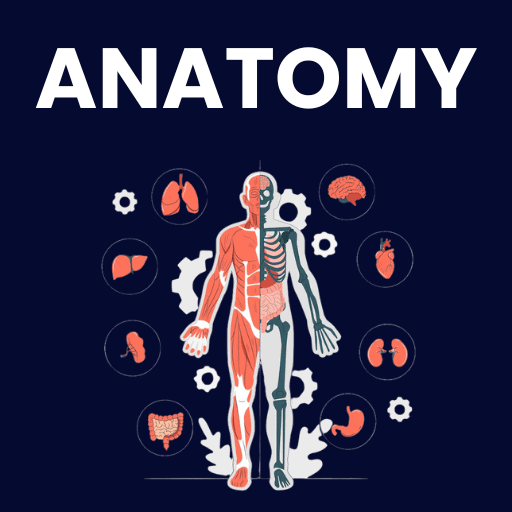
 | INFINITY COURSE NEET PG Anatomy Notes, MCQs & Case Studies1,485 students learning this week · Last updated on Apr 12, 2026 |
NEET PG Anatomy Notes, MCQs Study Material





Trending Courses for NEET PG

Anatomy for NEET PG Exam Pattern 2026-2027
Anatomy Exam Pattern for NEET PG
The NEET PG (National Eligibility cum Entrance Test for Postgraduate) is a highly competitive examination for aspiring postgraduate medical students in India. Understanding the exam pattern for the Anatomy segment is crucial for effective preparation. Below is a detailed overview of the Anatomy exam pattern for NEET PG.
1. Exam Structure
- Mode: Computer-based test (CBT)
- Duration: 3 hours and 30 minutes
- Total Questions: 200 questions
2. Types of Questions
- Multiple Choice Questions (MCQs): Each question has four options, with one correct answer.
- Negative Marking: There is a penalty of one mark for each incorrect answer.
- Correct Answers: Each correct answer awards four marks.
3. Subject-wise Distribution
Anatomy questions are integrated within the overall NEET PG exam and typically follow this distribution:
- General Anatomy: 10-15 questions
- Embryology: 5-10 questions
- Histology: 10-15 questions
- Neuroanatomy: 5-10 questions
- Gross Anatomy: 10-15 questions
4. Syllabus Overview
The syllabus for Anatomy in NEET PG includes:
- Human Embryology
- Histology and Cytology
- Gross Anatomy of Systems
- Neuroanatomy
- Surface Anatomy
5. Preparation Tips
- Understand Core Concepts: Focus on key anatomical structures and their functions.
- Practice Regularly: Solve previous years' question papers and take mock tests.
- Utilize Visual Aids: Diagrams and 3D models can greatly enhance understanding.
- Group Study: Discussing topics with peers can clarify doubts and reinforce learning.
6. Conclusion
Being well-versed with the Anatomy exam pattern for NEET PG will not only enhance your preparation strategy but also boost your confidence on the exam day. Focus on the key areas outlined above, and ensure a thorough understanding of the subject to excel in the examination.


Anatomy Syllabus 2026-2027 PDF Download
NEET PG Anatomy Syllabus
The NEET PG Anatomy syllabus is a crucial component for medical students preparing for the National Eligibility cum Entrance Test for Postgraduate courses. This syllabus encompasses various aspects of anatomy that are essential for understanding human structure and function. Below is a detailed breakdown of the NEET PG Anatomy syllabus:
NEET PG General Anatomy
- Basic concepts of anatomy
- Terminology and planes of the body
- Introduction to anatomical systems
- Surface anatomy and landmarks
NEET PG Embryology
- Development of human embryos
- Germ layers and their derivatives
- Congenital anomalies and their embryological basis
- Fertilization and early development stages
NEET PG Histology
- Microscopic structure of tissues
- Cell types and their functions
- Histological techniques and staining methods
- Overview of organ systems at the microscopic level
NEET PG Neuroanatomy
- Structure of the central nervous system
- Anatomy of the peripheral nervous system
- Functional areas of the brain
- Neural pathways and their significance
NEET PG Head and Neck
- Osteology of the skull
- Muscles of mastication and facial expression
- Anatomy of major vessels and nerves in the head and neck
- Important anatomical spaces and their clinical significance
NEET PG Back Region
- Vertebral column anatomy
- Muscles of the back and their functions
- Spinal cord and its segments
- Clinical conditions related to the back region
NEET PG Thorax
- Anatomy of the thoracic cage
- Structure and function of the lungs
- Heart anatomy and major blood vessels
- Diaphragm and its role in respiration
NEET PG Upper Limb
- Osteology of the shoulder, arm, and forearm
- Muscles of the upper limb and their actions
- Nervous supply and vascular supply of the upper limb
- Major joints of the upper limb
NEET PG Abdomen
- Osteology and anatomy of the abdominal wall
- Digestive system anatomy
- Kidney and urinary system anatomy
- Major blood vessels and lymphatics of the abdomen
NEET PG Pelvis and Perineum
- Anatomy of the pelvic cavity
- Reproductive system anatomy
- Perineal structures and their functions
- Clinical relevance of pelvic anatomy
NEET PG Lower Limb
- Osteology of the hip, thigh, leg, and foot
- Muscles of the lower limb and their actions
- Nervous and vascular supply of the lower limb
- Joints of the lower limb
In conclusion, the NEET PG Anatomy syllabus covers a comprehensive range of topics essential for aspiring medical professionals. Mastery of this syllabus is vital for success in the NEET PG examination and future medical practice.
This course is helpful for the following exams: NEET PG
How to Prepare Anatomy for NEET PG?
How to Prepare Anatomy for NEET PG?
Preparing for the Anatomy section of the NEET PG requires a strategic approach that emphasizes both understanding and retention. Here are some effective tips to help you excel in this crucial subject.
1. Understand the Syllabus
Begin by thoroughly reviewing the NEET PG Anatomy syllabus. Familiarize yourself with the key topics, including:
- Gross Anatomy
- Histology
- Embryology
- Neuroanatomy
2. Utilize EduRev Resources
Leverage the comprehensive resources offered in the EduRev Anatomy course. This includes:
- Video Lectures for visual learning
- Practice Questions to test your understanding
- Revision Notes for quick recaps
3. Make Study Plans
Create a realistic study schedule that allocates time for each subsection of Anatomy. Ensure to:
- Set Daily Goals to keep your progress on track
- Include Revision Time to reinforce learning
4. Focus on Diagrams and Visuals
Anatomy is a highly visual subject. Focus on:
- Labeling Diagrams to understand spatial relationships
- 3D Models to enhance your comprehension
5. Practice MCQs
Engage in regular practice with multiple-choice questions (MCQs) related to Anatomy. This will help you:
- Gauge Your Knowledge of the subject
- Familiarize Yourself with the exam format
6. Group Study Sessions
Consider forming study groups to discuss complex topics. Benefits include:
- Sharing Perspectives to deepen understanding
- Teaching Peers which reinforces your own learning
7. Take Care of Your Health
Maintaining physical and mental health is vital during your preparation. Ensure you:
- Get Enough Sleep for better memory retention
- Eat Healthy to fuel your brain
- Exercise Regularly to reduce stress
8. Mock Tests and Revision
Finally, conduct mock tests regularly to assess your readiness. Focus on:
- Time Management during the exam
- Identifying Weak Areas for targeted revision
By following these strategies, you can effectively prepare for the Anatomy section of the NEET PG exam. The EduRev Anatomy course offers you the tools and resources necessary for success. Good luck with your preparation!
This content is structured with headers and key points highlighted, making it visually appealing and easy to read. Each header and key point is marked with the appropriate HTML tags for effective presentation.
Importance of Anatomy for NEET PG
Importance of Anatomy Course for NEET PG
The National Eligibility cum Entrance Test for Postgraduate (NEET PG) is one of the pivotal examinations for aspiring medical professionals in India. Among the various subjects that candidates must master, Anatomy stands out as a foundational pillar. Here’s why a comprehensive Anatomy course, like the one offered by EduRev, is essential for NEET PG preparation.
1. Foundation for Clinical Understanding
Understanding Anatomy is crucial for:
- Clinical Correlation: Anatomy provides the basis for understanding the human body, its structures, and how they relate to clinical practices.
- Diagnostic Skills: Knowledge of anatomical structures aids in accurate diagnosis and treatment planning.
2. High Weightage in NEET PG
In NEET PG, Anatomy is a significant component, with questions focused on:
- Gross Anatomy: Understanding the larger structures within the body.
- Microscopic Anatomy: Knowledge of tissues and cells.
- Embryology: Developmental anatomy that is crucial for understanding congenital anomalies.
3. Enhanced Retention Through Visualization
Anatomy often involves complex structures that can be challenging to memorize. A well-structured course like EduRev's can enhance retention through:
- Visual Aids: Use of diagrams, 3D models, and videos for better understanding.
- Interactive Learning: Engaging quizzes and flashcards to reinforce knowledge.
4. Integration with Other Subjects
Anatomy is not an isolated subject; it integrates with:
- Physiology: Understanding how structures function.
- Pathology: Correlating anatomical changes with diseases.
5. Confidence for Practical Examinations
Hands-on experience and practical knowledge are vital. A dedicated Anatomy course helps in:
- Dissection Skills: Gaining confidence in practical skills through guided dissections.
- Understanding Imaging: Learning to interpret X-rays, CT scans, and MRIs.
6. Preparation for Postgraduate Studies
A solid grasp of Anatomy not only prepares students for NEET PG but also lays the groundwork for:
- Specialized Fields: Subsequent learning in surgery, radiology, and other specialties.
- Research Opportunities: Understanding anatomical structures can lead to innovative research in medical fields.
In conclusion, an Anatomy course is indispensable for NEET PG aspirants. The structured and comprehensive approach offered by EduRev enables students to build a strong foundation, enhancing their chances of success in the examination and their future medical careers.
Anatomy for NEET PG FAQs
| 1. What are the main anatomical systems covered in NEET PG anatomy that carry the highest weightage? |  |
| 2. How do I memorise the branches of the abdominal aorta and their corresponding organs for NEET PG? | |
| 3. What are the clinically important anatomical features of the heart's conduction system I need to know for NEET PG exams? | |
| 4. Which anatomical structures in the cranial nerve pathway are most frequently tested in NEET PG, and why? | |
| 5. How should I approach learning the anatomy of the brachial plexus for NEET PG practical and theory questions? | |
| 6. What anatomical variations in organ positions should I study for NEET PG to avoid missing clinical correlation questions? | |
| 7. How do I master the anatomical basis of surface landmarks and palpable structures needed for NEET PG clinical examinations? | |
| 8. What is the importance of understanding anatomical spaces and fascial planes for interpreting NEET PG imaging and clinical questions? | |
| 9. How can I efficiently revise neuroanatomy concepts like brain nuclei and tract pathways for NEET PG in limited time? | |
| 10. What are the highest-yield anatomical details about spinal cord organisation, dermatomes, and myotomes for NEET PG success? | |
 | View your Course Analysis |  |
 | Create your own Test | |



|
 Documents
 Tests
Tests Ratings
 | Explore Courses for NEET PG exam |  |


