


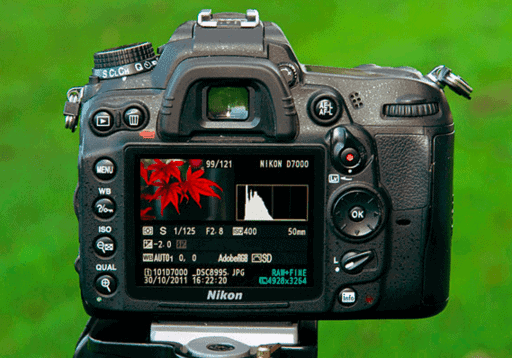
 | INFINITY COURSE Exposing Digital Photography – techniques, exposure & critiqueAvinash Oberoi · Last updated on Apr 14, 2026 |
Exposing Digital Photography, an engaging course offered by Harvard Extension School, delves into the world of digital photography. Designed for photo ... view more graphy enthusiasts, this course explores the techniques, tools, and principles required to capture stunning images using digital cameras. With a focus on exposure, lighting, composition, and post-processing, students will gain a comprehensive understanding of digital photography. Join this esteemed course on EduRev and unlock your potential to create captivating visuals in the realm of photography.
Exposing Digital Photography – techniques, exposure Study Material
|



Get your Certificate
Add this certificate to your LinkedIn profile, resume, or CV. Share it on social media and in your performance review
Trending Courses for Photography

Exposing Digital Photography by Harvard Extension School Exam Pattern 2026-2027
Exposing Digital Photography by Harvard Extension School Exam Pattern for Photography
The exam pattern for the course "Exposing Digital Photography" offered by Harvard Extension School is designed to assess the students' understanding and application of various concepts and techniques in photography. The examination is divided into different sections, each focusing on specific aspects of digital photography. Here are the key pointers on the exam pattern:
1. Multiple Choice Questions (MCQs)
- The exam includes a section with multiple-choice questions that test the theoretical knowledge of photography.
- These questions assess the students' understanding of concepts such as exposure, composition, lighting, and camera settings.
- Students are required to select the most appropriate answer from the given options.
2. Image Analysis and Critique
- This section evaluates the students' ability to analyze and critique photographs.
- Students may be presented with a series of images and asked to identify the elements of composition, lighting, and subject matter.
- They are expected to provide a thoughtful analysis of the strengths and weaknesses of each image.
3. Practical Assignments
- The exam may include practical assignments that require students to apply their knowledge in real-life scenarios.
- These assignments can range from capturing specific types of photographs to experimenting with different camera settings.
- Students are assessed based on the quality of their images, adherence to the assignment guidelines, and their ability to showcase creativity.
4. Written Responses
- Some exam questions may require students to provide written responses, explaining their choices or justifying their techniques.
- Students should be prepared to articulate their thoughts clearly and concisely, demonstrating a deep understanding of the photography concepts.
5. Portfolio Submission
- As part of the examination, students may be required to submit a portfolio of their best photographs.
- The portfolio should showcase their technical skills, artistic vision, and ability to convey a narrative through visuals.
- Students are evaluated based on the overall quality and coherence of their portfolio.
The exam pattern for "Exposing Digital Photography" aims to assess students' theoretical knowledge, practical skills, and artistic sensibilities. It offers a comprehensive evaluation of their understanding and application of the various elements of digital photography.
The exam pattern for the course "Exposing Digital Photography" offered by Harvard Extension School is designed to assess the students' understanding and application of various concepts and techniques in photography. The examination is divided into different sections, each focusing on specific aspects of digital photography. Here are the key pointers on the exam pattern:
1. Multiple Choice Questions (MCQs)
- The exam includes a section with multiple-choice questions that test the theoretical knowledge of photography.
- These questions assess the students' understanding of concepts such as exposure, composition, lighting, and camera settings.
- Students are required to select the most appropriate answer from the given options.
2. Image Analysis and Critique
- This section evaluates the students' ability to analyze and critique photographs.
- Students may be presented with a series of images and asked to identify the elements of composition, lighting, and subject matter.
- They are expected to provide a thoughtful analysis of the strengths and weaknesses of each image.
3. Practical Assignments
- The exam may include practical assignments that require students to apply their knowledge in real-life scenarios.
- These assignments can range from capturing specific types of photographs to experimenting with different camera settings.
- Students are assessed based on the quality of their images, adherence to the assignment guidelines, and their ability to showcase creativity.
4. Written Responses
- Some exam questions may require students to provide written responses, explaining their choices or justifying their techniques.
- Students should be prepared to articulate their thoughts clearly and concisely, demonstrating a deep understanding of the photography concepts.
5. Portfolio Submission
- As part of the examination, students may be required to submit a portfolio of their best photographs.
- The portfolio should showcase their technical skills, artistic vision, and ability to convey a narrative through visuals.
- Students are evaluated based on the overall quality and coherence of their portfolio.
The exam pattern for "Exposing Digital Photography" aims to assess students' theoretical knowledge, practical skills, and artistic sensibilities. It offers a comprehensive evaluation of their understanding and application of the various elements of digital photography.


Exposing Digital Photography by Harvard Extension School Syllabus 2026-2027 PDF Download
Photography Exposing Digital Photography by Harvard Extension School
I. Course Overview
- Introduction to the fundamentals of digital photography
- Understanding different types of cameras and their features
- Exploring the basics of composition and lighting
- Learning post-processing techniques to enhance photographs
II. Course Objectives
- Gain a comprehensive understanding of digital photography
- Develop technical skills in using digital cameras and their settings
- Improve composition and lighting techniques
- Learn how to edit and enhance photographs using post-processing software
- Develop a personal style and artistic vision in photography
III. Course Outline
Module 1: Introduction to Digital Photography
- Understanding the history and importance of photography
- Introduction to digital cameras and their components
- Exploring different types of digital cameras and their features
- Understanding exposure, aperture, shutter speed, and ISO
Module 2: Camera Settings and Controls
- Learning how to navigate the camera menu and settings
- Understanding white balance and color temperature
- Exploring different shooting modes and their applications
- Using autofocus and manual focus techniques effectively
Module 3: Composition and Lighting
- Understanding the rule of thirds and other composition techniques
- Exploring different types of lighting and their effects on photographs
- Using natural light and artificial lighting sources
- Exploring techniques for capturing landscapes, portraits, and still life
Module 4: Post-Processing and Editing
- Introduction to post-processing software such as Adobe Lightroom or Photoshop
- Learning basic editing techniques such as cropping, adjusting exposure, and white balance
- Exploring advanced editing techniques for creative effects
- Understanding file formats and exporting photographs for print or web
IV. Assessment
- Weekly assignments to practice and apply the concepts learned
- Final project to showcase personal style and artistic vision
- Peer and instructor feedback on assignments and final project
- Participation in class discussions and critiques
V. Resources
- Required textbook: "Digital Photography: A Basic Manual" by Henry Horenstein
- Online resources and tutorials recommended by the instructor
- Access to photography communities and forums for further learning and inspiration
VI. Grading Criteria
- Weekly assignments: 40%
- Final project: 30%
- Class participation and discussions: 20%
- Peer and instructor feedback: 10%
VII. Conclusion
Exposing Digital Photography is a comprehensive course offered by Harvard Extension School that aims to equip students with the fundamental knowledge and skills in digital photography. Through a combination of theoretical lectures, practical assignments, and post-processing techniques, students will develop their technical skills, artistic vision, and personal style in photography. Join this course to unleash your creative potential and capture stunning photographs in the digital age.
I. Course Overview
- Introduction to the fundamentals of digital photography
- Understanding different types of cameras and their features
- Exploring the basics of composition and lighting
- Learning post-processing techniques to enhance photographs
II. Course Objectives
- Gain a comprehensive understanding of digital photography
- Develop technical skills in using digital cameras and their settings
- Improve composition and lighting techniques
- Learn how to edit and enhance photographs using post-processing software
- Develop a personal style and artistic vision in photography
III. Course Outline
Module 1: Introduction to Digital Photography
- Understanding the history and importance of photography
- Introduction to digital cameras and their components
- Exploring different types of digital cameras and their features
- Understanding exposure, aperture, shutter speed, and ISO
Module 2: Camera Settings and Controls
- Learning how to navigate the camera menu and settings
- Understanding white balance and color temperature
- Exploring different shooting modes and their applications
- Using autofocus and manual focus techniques effectively
Module 3: Composition and Lighting
- Understanding the rule of thirds and other composition techniques
- Exploring different types of lighting and their effects on photographs
- Using natural light and artificial lighting sources
- Exploring techniques for capturing landscapes, portraits, and still life
Module 4: Post-Processing and Editing
- Introduction to post-processing software such as Adobe Lightroom or Photoshop
- Learning basic editing techniques such as cropping, adjusting exposure, and white balance
- Exploring advanced editing techniques for creative effects
- Understanding file formats and exporting photographs for print or web
IV. Assessment
- Weekly assignments to practice and apply the concepts learned
- Final project to showcase personal style and artistic vision
- Peer and instructor feedback on assignments and final project
- Participation in class discussions and critiques
V. Resources
- Required textbook: "Digital Photography: A Basic Manual" by Henry Horenstein
- Online resources and tutorials recommended by the instructor
- Access to photography communities and forums for further learning and inspiration
VI. Grading Criteria
- Weekly assignments: 40%
- Final project: 30%
- Class participation and discussions: 20%
- Peer and instructor feedback: 10%
VII. Conclusion
Exposing Digital Photography is a comprehensive course offered by Harvard Extension School that aims to equip students with the fundamental knowledge and skills in digital photography. Through a combination of theoretical lectures, practical assignments, and post-processing techniques, students will develop their technical skills, artistic vision, and personal style in photography. Join this course to unleash your creative potential and capture stunning photographs in the digital age.
This course is helpful for the following exams: Photography
How to Prepare Exposing Digital Photography by Harvard Extension School?
How to Prepare Exposing Digital Photography by Harvard Extension School for Photography?
If you are passionate about photography and want to enhance your skills in the digital realm, then the course "Exposing Digital Photography by Harvard Extension School" offered by EduRev is the perfect choice for you. This comprehensive course covers all aspects of digital photography, providing you with the knowledge and techniques needed to capture stunning images.
Course Overview:
- The course "Exposing Digital Photography by Harvard Extension School" is designed for beginners and intermediate photographers who want to master the art of digital photography.
- It covers a wide range of topics, including camera settings, exposure, composition, lighting, post-processing, and more.
- The course is delivered through a combination of video lectures, assignments, quizzes, and hands-on projects, allowing you to apply what you have learned in a practical manner.
Key Points:
1. Comprehensive Curriculum: The course covers everything from the basics of digital photography to advanced techniques, ensuring that you have a thorough understanding of the subject.
2. Expert Instructors: The course is taught by experienced photographers who have extensive knowledge and expertise in the field of digital photography.
3. Hands-on Learning: The course encourages hands-on learning through practical assignments and projects, allowing you to practice and apply the concepts you have learned.
4. Flexible Learning: The course is self-paced, allowing you to study at your own convenience and pace. This flexibility ensures that you can balance your learning with other commitments.
5. Interactive Learning: The course includes interactive elements such as quizzes and discussions, enabling you to engage with fellow learners and instructors to enhance your understanding.
Preparing for the Course:
1. Get Familiar with Your Camera: Before starting the course, familiarize yourself with the basic functions and settings of your camera. This will help you better understand and apply the concepts taught in the course.
2. Gather Essential Photography Equipment: Ensure that you have the necessary photography equipment, including a digital camera, lenses, tripod, memory cards, and a computer for post-processing.
3. Allocate Sufficient Time: Dedicate regular time slots for studying and practicing photography. Consistency is key to mastering the art.
4. Prepare a Learning Schedule: Create a schedule that outlines your learning goals and deadlines for completing assignments. This will help you stay organized and motivated throughout the course.
5. Engage with the Course Community: Take advantage of the discussion forums and peer feedback opportunities provided by EduRev to interact with fellow learners and gain insights from their experiences.
By following these preparations, you will be well-equipped to embark on the "Exposing Digital Photography by Harvard Extension School" course offered by EduRev. This course will undoubtedly enhance your photography skills and enable you to capture breathtaking digital images.
If you are passionate about photography and want to enhance your skills in the digital realm, then the course "Exposing Digital Photography by Harvard Extension School" offered by EduRev is the perfect choice for you. This comprehensive course covers all aspects of digital photography, providing you with the knowledge and techniques needed to capture stunning images.
Course Overview:
- The course "Exposing Digital Photography by Harvard Extension School" is designed for beginners and intermediate photographers who want to master the art of digital photography.
- It covers a wide range of topics, including camera settings, exposure, composition, lighting, post-processing, and more.
- The course is delivered through a combination of video lectures, assignments, quizzes, and hands-on projects, allowing you to apply what you have learned in a practical manner.
Key Points:
1. Comprehensive Curriculum: The course covers everything from the basics of digital photography to advanced techniques, ensuring that you have a thorough understanding of the subject.
2. Expert Instructors: The course is taught by experienced photographers who have extensive knowledge and expertise in the field of digital photography.
3. Hands-on Learning: The course encourages hands-on learning through practical assignments and projects, allowing you to practice and apply the concepts you have learned.
4. Flexible Learning: The course is self-paced, allowing you to study at your own convenience and pace. This flexibility ensures that you can balance your learning with other commitments.
5. Interactive Learning: The course includes interactive elements such as quizzes and discussions, enabling you to engage with fellow learners and instructors to enhance your understanding.
Preparing for the Course:
1. Get Familiar with Your Camera: Before starting the course, familiarize yourself with the basic functions and settings of your camera. This will help you better understand and apply the concepts taught in the course.
2. Gather Essential Photography Equipment: Ensure that you have the necessary photography equipment, including a digital camera, lenses, tripod, memory cards, and a computer for post-processing.
3. Allocate Sufficient Time: Dedicate regular time slots for studying and practicing photography. Consistency is key to mastering the art.
4. Prepare a Learning Schedule: Create a schedule that outlines your learning goals and deadlines for completing assignments. This will help you stay organized and motivated throughout the course.
5. Engage with the Course Community: Take advantage of the discussion forums and peer feedback opportunities provided by EduRev to interact with fellow learners and gain insights from their experiences.
By following these preparations, you will be well-equipped to embark on the "Exposing Digital Photography by Harvard Extension School" course offered by EduRev. This course will undoubtedly enhance your photography skills and enable you to capture breathtaking digital images.
Importance of Exposing Digital Photography by Harvard Extension School
Importance of Exposing Digital Photography by Harvard Extension School Course for Photography
Photography is an art form that has evolved tremendously with the advent of digital technology. Capturing moments and expressing creativity through digital photographs has become more accessible to individuals from all walks of life. However, to truly master the art of digital photography, it is essential to receive proper training and guidance. This is where the Exposing Digital Photography by Harvard Extension School Course for Photography proves to be invaluable.
1. Comprehensive Curriculum: The course offered by Harvard Extension School covers all aspects of digital photography, ensuring a well-rounded learning experience. From understanding camera settings and composition techniques to post-processing and editing skills, students gain a comprehensive understanding of the entire digital photography process.
2. Expert Instructors: The course is taught by highly experienced and knowledgeable instructors who have excelled in the field of photography. Their expertise and guidance provide students with valuable insights and techniques that can significantly enhance their photography skills.
3. Harvard Affiliation: The course being offered by Harvard Extension School adds prestige and credibility to the learning experience. Studying under the Harvard name instills a sense of confidence and reassurance in students, knowing they are receiving education from a renowned institution.
4. Flexibility of Online Learning: The course is offered through EduRev, a trusted online learning platform. This allows students to access the course materials and lectures at their own convenience, making it ideal for individuals with busy schedules or those who prefer self-paced learning.
5. Networking Opportunities: The Harvard Extension School course provides students with the opportunity to connect with fellow photography enthusiasts. Collaborating and networking with like-minded individuals can foster creativity and provide a platform for sharing ideas, feedback, and inspiration.
6. Development of Technical Skills: The course focuses not only on the artistic aspects of photography but also on the technical aspects. Students learn about exposure, lighting, shutter speed, and other essential technical elements, enabling them to capture professional-quality photographs.
7. Feedback and Critique: The course encourages students to showcase their work and receive constructive feedback and critique from both instructors and peers. This feedback plays a crucial role in the growth and development of a photographer, helping them identify areas for improvement and refine their artistic vision.
In conclusion, the Exposing Digital Photography by Harvard Extension School Course for Photography offered through EduRev is an invaluable resource for individuals looking to enhance their digital photography skills. With a comprehensive curriculum, expert instructors, and the flexibility of online learning, this course provides a well-rounded education and a platform for growth and creativity. Embark on this educational journey to unlock your true potential as a digital photographer.
Photography is an art form that has evolved tremendously with the advent of digital technology. Capturing moments and expressing creativity through digital photographs has become more accessible to individuals from all walks of life. However, to truly master the art of digital photography, it is essential to receive proper training and guidance. This is where the Exposing Digital Photography by Harvard Extension School Course for Photography proves to be invaluable.
1. Comprehensive Curriculum: The course offered by Harvard Extension School covers all aspects of digital photography, ensuring a well-rounded learning experience. From understanding camera settings and composition techniques to post-processing and editing skills, students gain a comprehensive understanding of the entire digital photography process.
2. Expert Instructors: The course is taught by highly experienced and knowledgeable instructors who have excelled in the field of photography. Their expertise and guidance provide students with valuable insights and techniques that can significantly enhance their photography skills.
3. Harvard Affiliation: The course being offered by Harvard Extension School adds prestige and credibility to the learning experience. Studying under the Harvard name instills a sense of confidence and reassurance in students, knowing they are receiving education from a renowned institution.
4. Flexibility of Online Learning: The course is offered through EduRev, a trusted online learning platform. This allows students to access the course materials and lectures at their own convenience, making it ideal for individuals with busy schedules or those who prefer self-paced learning.
5. Networking Opportunities: The Harvard Extension School course provides students with the opportunity to connect with fellow photography enthusiasts. Collaborating and networking with like-minded individuals can foster creativity and provide a platform for sharing ideas, feedback, and inspiration.
6. Development of Technical Skills: The course focuses not only on the artistic aspects of photography but also on the technical aspects. Students learn about exposure, lighting, shutter speed, and other essential technical elements, enabling them to capture professional-quality photographs.
7. Feedback and Critique: The course encourages students to showcase their work and receive constructive feedback and critique from both instructors and peers. This feedback plays a crucial role in the growth and development of a photographer, helping them identify areas for improvement and refine their artistic vision.
In conclusion, the Exposing Digital Photography by Harvard Extension School Course for Photography offered through EduRev is an invaluable resource for individuals looking to enhance their digital photography skills. With a comprehensive curriculum, expert instructors, and the flexibility of online learning, this course provides a well-rounded education and a platform for growth and creativity. Embark on this educational journey to unlock your true potential as a digital photographer.
Exposing Digital Photography by Harvard Extension School FAQs
| 1. What are the key principles of exposure in digital photography? |  |
Ans. Exposure in digital photography refers to controlling how much light reaches the camera sensor to create properly lit images. The three core principles are aperture (f-stops controlling depth of field), shutter speed (duration light enters), and ISO (sensor sensitivity). Mastering these elements prevents overexposed (blown-out) or underexposed (dark) photographs and enables creative control over final image quality.
| 2. How do aperture settings affect depth of field in digital photography? | |
Ans. Aperture controls the lens opening size, measured in f-stops (f/1.8, f/16). Wider apertures (lower f-numbers) create shallow depth of field with blurred backgrounds, ideal for portraits. Narrower apertures (higher f-numbers) produce sharp focus throughout the image, preferred for landscapes. Understanding this relationship allows photographers to isolate subjects or capture expansive scenes intentionally.
| 3. What's the difference between shutter speed and motion blur in photography? | |
Ans. Shutter speed determines how long the sensor is exposed to light, measured in fractions of a second (1/1000s) or whole seconds. Fast speeds freeze action; slow speeds intentionally blur moving subjects, creating motion effect. Selecting appropriate shutter speed prevents accidental blur or enables creative effects like silky waterfalls and light trails in photography.
| 4. How does ISO sensitivity impact image quality in digital cameras? | |
Ans. ISO measures sensor sensitivity to light: lower values (100-400) capture clean images in bright conditions but need more light; higher values (3200+) work in darkness but introduce noise (grainy texture). Balancing ISO against aperture and shutter speed prevents underexposed shots while maintaining acceptable image clarity and detail in digital photography.
| 5. What is the exposure triangle and why is it important for photographers? | |
Ans. The exposure triangle comprises aperture, shutter speed, and ISO-three interdependent settings controlling how images capture light. Adjusting one requires compensating with others to maintain proper exposure. Understanding this relationship enables photographers to achieve desired creative effects (background blur, motion freezing, light sensitivity) while maintaining technical image quality and visual intent.
| 6. How do you use a light meter to determine correct exposure in photography? | |
Ans. A light meter measures ambient light levels and recommends exposure settings (aperture, shutter speed, ISO combinations) for proper image exposure. In-camera meters evaluate reflected light from scenes; external meters measure incident light directly. Using metering modes (spot, centre-weighted, evaluative) helps photographers expose for highlights, shadows, or overall scene balance in challenging lighting conditions.
| 7. What camera modes should beginners use to learn exposure control? | |
Ans. Beginners should progress through manual (M), aperture priority (A/Av), and shutter priority (S/Tv) modes. Aperture priority fixes f-stop while camera adjusts shutter speed-useful for controlling depth of field. Shutter priority locks shutter speed while ISO and aperture adjust-ideal for freezing or blurring motion. Manual mode teaches complete exposure mastery by controlling all three variables simultaneously.
| 8. How do highlight clipping and shadow loss affect exposed digital images? | |
Ans. Highlight clipping occurs when overexposure burns out bright areas (pure white, no detail recovery). Shadow loss happens when underexposure creates pure black areas devoid of recoverable information. Both indicate exposure error; reviewing histograms (brightness distribution graphs) reveals these problems before image capture. Proper exposure preserves detail across tonal ranges from darkest shadows to brightest highlights.
| 9. What role does white balance play in digital photography exposure? | |
Ans. White balance corrects colour temperature-how warm (orange/yellow) or cool (blue) light appears in images. Incorrect white balance creates unrealistic colour casts affecting perceived exposure quality. Setting white balance (auto, daylight, tungsten, custom) ensures accurate colour reproduction and prevents colour-related exposure mistakes that compromise image authenticity and visual appeal.
| 10. How can histogram analysis improve exposure accuracy in digital photography? | |
Ans. A histogram displays brightness distribution across an image, showing underexposed (left spike), properly exposed (centred spread), or overexposed (right spike) pixels. Analyzing histograms before and after capture reveals exposure problems invisible on camera screens in bright sunlight. This tool enables precise exposure compensation, preventing lost detail in highlights and shadows for technically superior digital photographs.
Course Description
Exposing Digital Photography by Harvard Extension School for Photography 2026-2027 is part of Photography preparation. The notes and questions for Exposing Digital Photography by Harvard Extension School have been prepared according to the Photography exam syllabus. Information about Exposing Digital Photography by Harvard Extension School covers all important topics for Photography 2026-2027 Exam. Find important definitions, questions, notes,examples, exercises test series, mock tests and Previous year questions (PYQs) below for Exposing Digital Photography by Harvard Extension School.
Preparation for Exposing Digital Photography by Harvard Extension School in English is available as part of our Photography preparation & Exposing Digital Photography by Harvard Extension School in Hindi for Photography courses. Download more important topics related with Exposing Digital Photography by Harvard Extension School, notes, lectures and mock test series for Photography Exam by signing up for free.
Course Speciality
"Exposing Digital Photography" is a course at Harvard Extension School. This course is created by Dan Armendariz (http://digitalphotography.exposed/) and these lectures were filmed in Harvard Hall in HDV by Chris Thayer.
This is OpenCourseware and is shared under Creative Commons License. There is no collaboration between Dan Armendiaz and EduRev
This is OpenCourseware and is shared under Creative Commons License. There is no collaboration between Dan Armendiaz and EduRev
Exposing Digital Photography by Harvard Extension School course on EduRev: tutorials, coding exercises & practical projects. Joined by 225+ students.
Course Options
 | View your Course Analysis |  |
 | Create your own Test | |



Related Exams
|
Join course for Free
THIS COURSE INCLUDES:
 Videos
 Ratings
Get your Certificate
Add this certificate to your LinkedIn profile, resume, or CV. Share it on social media and in your performance review
 | Explore Courses for Photography exam |  |
Signup for Free!
Signup to see your scores go up within 7 days! Learn & Practice with 1000+ FREE Notes, Videos & Tests.
Course Speciality
"Exposing Digital Photography" is a course at Harvard Extension School. This course is created by Dan Armendariz (http://digitalphotography.exposed/) and these lectures were filmed in Harvard Hall in HDV by Chris Thayer.
This is OpenCourseware and is shared under Creative Commons License. There is no collaboration between Dan Armendiaz and EduRev
This is OpenCourseware and is shared under Creative Commons License. There is no collaboration between Dan Armendiaz and EduRev
Exposing Digital Photography by Harvard Extension School course on EduRev: tutorials, coding exercises & practical projects. Joined by 225+ students.


