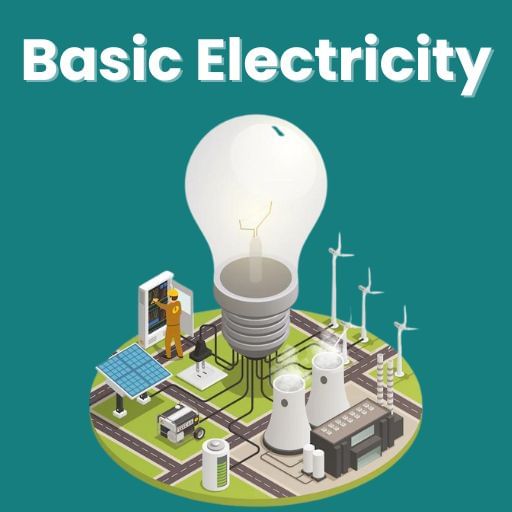
 | INFINITY COURSE SSS 2 Basic Electricity: Circuits & Electrical Theory169 students learning this week · Last updated on Apr 14, 2026 |
SSS 2 Basic Electricity: Circuits Study Material


Trending Courses for SSS 2

What is Basic Electricity for SSS 2?
Basic Electricity for SSS 2 is a foundational technical course taught in Nigerian Senior Secondary Schools that equips students with essential knowledge about electrical systems, installation techniques, and practical maintenance skills. If you're appearing for SSS 2 examinations in Nigeria, this subject plays a crucial role in your technical education and opens doors to careers in electrical engineering and related technical fields.
The course is designed to provide comprehensive coverage of electricity generation methods, transmission systems, distribution networks, and hands-on skills in electrical wiring and appliance maintenance. Whether you're aiming to secure good marks or pursuing a career in the electrical trade, understanding the fundamentals of SSS 2 Basic Electricity is essential.
Course Objectives and Scope
SSS 2 Basic Electricity focuses on building practical competency alongside theoretical knowledge. The curriculum covers everything from how electricity is generated at power stations to how it reaches your home, and crucially, how to safely install and maintain electrical systems. This practical approach ensures that students gain real-world applicability.
The course combines theoretical understanding with hands-on experience, making it ideal for students interested in technical vocations or further studies in electrical engineering. Our comprehensive study materials on EduRev cover all these aspects in detail.
Understanding Electricity Generation: Methods and Principles
Electricity generation is the foundation of modern life, and understanding how electricity is generated is critical for SSS 2 Basic Electricity students. The process involves converting various forms of energy into electrical energy through electromagnetic induction, a principle discovered by Michael Faraday.
Main Methods of Electricity Generation
Several electricity generation methods are employed worldwide, each with unique advantages and applications:
- Thermal Power Generation: Uses coal, natural gas, or oil to heat water and create steam that drives turbines
- Hydroelectric Generation: Harnesses the potential energy of flowing or falling water
- Nuclear Power Generation: Uses controlled nuclear fission to generate heat for electricity production
- Solar Power Generation: Converts sunlight directly into electrical energy using photovoltaic cells
- Wind Power Generation: Uses wind turbines to convert kinetic energy into electricity
For comprehensive understanding of the principles behind power generation, explore our detailed chapter on Electricity Generation which covers all methods systematically.
How Generators Work
Generators are devices that convert mechanical energy into electrical energy. They operate on Faraday's law of electromagnetic induction, where a changing magnetic field induces an electrical current in a conductor. Understanding generator operation is fundamental to grasping how electricity reaches your home.
Electricity Generation
Transmission and Distribution of Electricity Explained
Once electricity is generated, it must be transmitted efficiently over long distances and then distributed to consumers. The transmission of electricity involves complex systems of transformers, transmission lines, and substations designed to minimize power losses.
High-Voltage Transmission Systems
Electrical transmission systems operate at very high voltages-typically ranging from 132kV to 765kV. This high-voltage approach significantly reduces power losses during transmission over long distances. Step-up transformers at generation stations increase the voltage from the generator output to transmission-level voltages.
To understand the complete transmission network, check our guide on Transmission of Electricity.
Power Distribution to Consumers
The distribution of electricity involves stepping down the voltage progressively through substations until it reaches safe levels for household and commercial use. Primary distribution typically operates at 11kV to 33kV, while secondary distribution provides 415V for three-phase industrial consumers or 240V for single-phase household connections.
Learn more about how electricity reaches your home by studying Distribution of Electricity.
DC Generator vs AC Generator: Key Differences for SSS 2 Students
Understanding the differences between DC generators and AC generators is essential for SSS 2 Basic Electricity examinations. Both devices convert mechanical energy to electrical energy, but they operate on different principles and serve different purposes.
Direct Current (DC) Generators
A direct current generator produces electrical current that flows consistently in one direction. DC generators contain several critical components:
- Armature: the rotating coil where electricity is generated
- Commutator: a split ring that reverses the connection every half rotation
- Brushes: carbon contacts that maintain electrical connection with the commutator
- Field system: provides the magnetic flux necessary for operation
Explore the detailed working of Direct Current Generator and learn about the D.C Generator Field System.
Alternating Current (AC) Generators
AC generators, also called alternators, produce electrical current that alternates direction periodically. Modern power stations almost exclusively use AC generators because they're more efficient for long-distance transmission. These generators operate at frequencies of 50Hz or 60Hz depending on the country.
Master the concepts of A.C Generator technology with our comprehensive study materials.
| Feature | DC Generator | AC Generator |
|---|---|---|
| Current Type | Constant, unidirectional | Alternating, bidirectional |
| Main Application | Battery charging, small applications | Large-scale power generation |
| Commutator | Required | Not required |
| Efficiency | Lower | Higher |
Direct Current Generator
How AC Motors Work: Complete Guide for Secondary School Students
AC motors are among the most important machines in modern society, converting electrical energy into mechanical motion. Understanding how AC motors work is crucial for SSS 2 students preparing to work with electrical systems.
Types of AC Motors
AC motors are classified into two main categories:
- Induction Motors: Available in single-phase and three-phase variants, these are the most common type used in homes and industries
- Synchronous Motors: Operate at constant speed synchronized with the supply frequency
For a thorough understanding, study our detailed chapter on A.C Motors.
Practical Applications
AC motors power everything from domestic appliances like fans and refrigerators to large industrial machinery. Their reliability, efficiency, and simplicity make them the industry standard for converting electrical energy to mechanical work.
Electrical Measuring Instruments and Their Applications
Proper measurement of electrical quantities is essential for both understanding electrical systems and troubleshooting problems. SSS 2 students must become familiar with various measuring instruments and their correct usage.
Essential Measuring Instruments
The following instruments are fundamental to electrical work:
- Voltmeter: Measures potential difference (voltage) between two points, connected in parallel
- Ammeter: Measures electric current flowing through a circuit, connected in series
- Ohmmeter: Measures electrical resistance in ohms
- Wattmeter: Measures electrical power consumption
- Multimeter: Combines multiple functions, measuring voltage, current, and resistance
Learn about the proper use and applications of Measuring Instruments in our comprehensive guide.
Understanding Instrumentation Errors is equally important-systematic errors from calibration and environmental factors, as well as random errors from friction and observation mistakes, can affect your measurements.
Types of Wiring Methods in Electrical Installations
Proper wiring methods ensure safety and longevity of electrical installations. SSS 2 Basic Electricity covers various wiring techniques suited to different situations and environments.
Common Wiring Methods
- Cleat Wiring: Simple, temporary method using ceramic cleats, suitable for temporary installations
- Casing-Capping Wiring: Uses wooden casing and capping for better protection
- Batten Wiring: Employs wooden battens for insulation and support
- Conduit Wiring: Most modern method using metal or PVC conduits for mechanical protection
- Surface vs Concealed: Surface wiring runs visibly on walls; concealed wiring runs inside walls
Explore different Types of Wiring and Types of Wiring Methods with our detailed resources.
Wiring Regulations and Safety Standards for Students
Electrical safety is paramount in all installations. Wiring regulations establish standards that must be followed to ensure safety for both installers and users.
Key Safety Requirements
All electrical installations must comply with regulations covering circuit protection, earthing systems, and maintenance access. Proper implementation of Wiring Regulations prevents electrical hazards like shock, fire, and equipment damage.
Circuit protection devices such as MCBs (Miniature Circuit Breakers), fuses, and RCCBs (Residual Current Circuit Breakers) are mandatory in modern installations. Understanding these regulations is essential for any SSS 2 student planning a career in electrical work.
Hand Tools and Testing Instruments in Electrical Work
Skilled electrical work requires proficiency with proper tools and testing equipment. SSS 2 students must learn to use Hand Tools and Testing Instruments safely and effectively.
Essential Hand Tools
| Tool | Primary Purpose | When to Use |
|---|---|---|
| Screwdrivers (flat and Phillips) | Tightening and loosening screws | Connecting wires to terminals |
| Pliers (combination, long-nose, cutting) | Bending, gripping, and cutting wires | Preparing and shaping conductors |
| Wire Strippers | Removing insulation from conductors | Preparing wire for connections |
| Hammers and Mallets | Driving chisels and fixing hardware | Installing conduit fittings |
| Spanners and Wrenches | Fastening bolts and nuts | Securing equipment and fittings |
Testing and Diagnostic Instruments
Beyond basic hand tools, electrical technicians must master testing equipment:
- Test lamps and voltage testers for quick voltage checks
- Continuity testers for verifying complete circuits
- Meggers for measuring insulation resistance
- Clamp meters for non-invasive current measurement
- Digital multimeters for comprehensive electrical testing
Conduit Systems, Trunking and Ducting: Installation Guide
Modern electrical installations rely heavily on conduit systems for cable management and protection. Understanding Conduit Runs and Fitting is essential for SSS 2 students.
Types of Conduit Systems
- Metal Conduit: Galvanized steel provides excellent mechanical protection and grounding continuity
- PVC Conduit: Lightweight, corrosion-resistant, and cost-effective for most applications
- Flexible Conduit: Used for connections to motors and equipment requiring flexibility
Learn about Trunking and Ducting systems that manage multiple cables in commercial installations, providing neat routing and easy maintenance access.
Power Socket Outlets: Types and Proper Installation
Power socket outlets are the interface between electrical distribution systems and appliances. Proper installation of Power Sockets Outlets ensures both safety and functionality.
Common Socket Types
- 13A sockets for standard household appliances
- 15A and 20A sockets for heavy-duty equipment and industrial use
- Switched outlets with integral on/off switches
- Unswitched outlets for permanent connections
Critical safety considerations include proper earthing, correct installation height, and compliance with local regulations. All power socket outlets must be installed with appropriate circuit protection to prevent hazards.
Maintenance and Repair of Electrical Appliances: Essential Skills
The ability to troubleshoot and repair common electrical appliances is a valuable skill covered extensively in SSS 2 Basic Electricity. Safe Maintenance and Repair of Various Electrical Appliances requires systematic approach and safety awareness.
Common Maintenance Procedures
- Regular visual inspection for damaged cords and loose connections
- Cleaning and lubrication of moving parts in motors and fans
- Testing safety features like thermal cutouts
- Replacing worn components: fuses, power cords, plugs, and switches
Safety-First Approach
Always disconnect power from appliances before maintenance. Use insulated tools, wear appropriate personal protective equipment (PPE) including rubber gloves and safety boots, and never work on energized circuits. Following these precautions prevents electrical shock and ensures your safety.
Maintenance and Repair of Various Electrical Appliances
Best Study Resources for SSS 2 Basic Electricity
Securing excellent marks in SSS 2 Basic Electricity requires access to quality study materials and systematic preparation. EduRev provides comprehensive resources covering all aspects of this course.
Your Complete Learning Path
All chapters listed above are available on EduRev, offering structured learning from fundamental concepts through advanced applications. Start with electricity generation, progress through transmission and distribution, then master practical skills in wiring, tools, and appliance maintenance.
With dedicated study of these materials and regular practice with practical exercises, you'll be well-prepared to excel in your SSS 2 Basic Electricity examinations and build a strong foundation for electrical careers.
Basic Electricity for SSS 2 Exam Pattern 2026-2027
Introduction:
Basic Electricity is an essential topic in the SSS 2 curriculum. It covers the fundamental concepts and principles of electrical circuits, components, and measurements. To excel in the SSS 2 exam, it is crucial to understand the exam pattern and key areas of focus within this subject. Here, we will discuss the exam pattern for Basic Electricity in SSS 2 and highlight the key pointers to keep in mind.
Exam Pattern:
The Basic Electricity exam in SSS 2 typically consists of both theoretical and practical components. It tests the students' knowledge and understanding of electrical concepts and their ability to apply them in various scenarios. The exam pattern may include the following sections:
1. Multiple Choice Questions (MCQs):
This section comprises a series of questions with multiple options. Students are required to choose the correct answer from the given choices. MCQs assess the students' conceptual understanding of electricity and their ability to analyze and solve problems.
2. Short Answer Questions:
In this section, students are expected to provide brief and concise explanations or definitions of electrical terms, concepts, and principles. These questions evaluate the students' comprehension and ability to express their understanding in a clear and coherent manner.
3. Calculation Problems:
This section involves numerical problems that require students to apply various formulas and equations to solve electrical calculations. Students are assessed on their ability to correctly manipulate the given data and perform calculations accurately.
Key Pointers to Remember:
To prepare effectively for the Basic Electricity exam in SSS 2, consider the following key pointers:
1. Understand the Fundamentals:
Ensure you have a solid understanding of the fundamental concepts, such as voltage, current, resistance, Ohm's law, and series and parallel circuits. These concepts serve as the building blocks of electricity and are crucial for solving complex problems.
2. Practice Problem Solving:
Regularly practice solving different types of electrical problems, including both theoretical and numerical ones. This will enhance your problem-solving skills and help you become familiar with the application of formulas and equations.
3. Familiarize Yourself with Electrical Instruments:
Become proficient in using electrical measuring instruments, such as voltmeters, ammeters, and multimeters. Understand their functions, range, and units of measurement. This knowledge is essential for practical assessments and experiments.
4. Create Study Notes:
Compile comprehensive study notes that cover all the important topics, formulas, and definitions. Organize your notes in a way that makes it easy for you to revise and review the material before the exam.
Conclusion:
Basic Electricity is a crucial subject in the SSS 2 curriculum, and understanding the exam pattern and key areas of focus is essential for exam success. By following the exam pattern and considering the key pointers provided, students can prepare effectively for the Basic Electricity exam and achieve excellent results.


Basic Electricity for SSS 2 Syllabus 2026-2027 PDF Download
- Introduction to basic concepts of electricity
- Understanding electric current, voltage, and resistance
- Ohm's law and its applications
- Series and parallel circuits
SSS 2 Electricity Generation
- Introduction to electricity generation methods
- Thermal power plants
- Hydroelectric power plants
- Nuclear power plants
- Renewable energy sources
SSS 2 Transmission of Electricity
- Understanding the transmission system
- High voltage transmission lines
- Transformers and their role in transmission
- Power losses in transmission
- Grid systems
SSS 2 Distribution of Electricity
- Distribution systems and networks
- Distribution substations
- Distribution transformers
- Overhead and underground distribution lines
- Distribution automation
SSS 2 Direct Current Generator
- Principles of DC generator operation
- Construction and working of DC generators
- Types of DC generators
- Excitation systems
SSS 2 DC Generator Field System
- Field winding and armature winding
- Commutation in DC generators
- Brushless DC generators
- Applications of DC generators
SSS 2 AC Generator
- Principles of AC generator operation
- Construction and working of AC generators
- Types of AC generators
- Synchronization of AC generators
SSS 2 AC Motors
- Introduction to AC motors
- Induction motors
- Synchronous motors
- Motor control techniques
SSS 2 Measuring Instruments
- Types of measuring instruments
- Voltmeters and ammeters
- Multimeters
- Wattmeters and power factor meters
SSS 2 Instrumentation Errors
- Sources of errors in measuring instruments
- Calibration and correction techniques
- Accuracy and precision in measurements
SSS 2 Wiring Regulations
- National and international wiring regulations
- Safety codes and standards
- Wiring practices and guidelines
SSS 2 Hand Tools and Testing Instruments
- Common hand tools used in electrical work
- Testing instruments for electrical troubleshooting
- Proper usage and maintenance of tools and instruments
SSS 2 Types of Wiring
- Introduction to different types of electrical wiring
- Single-phase and three-phase wiring
- Residential, commercial, and industrial wiring
SSS 2 Types of Wiring Methods
- Conduit wiring
- Surface wiring
- Cleat wiring
- Casing and capping wiring
- Batten wiring
SSS 2 Conduit Runs and Fitting
- Conduit installation techniques
- Types of conduits and fittings
- Conduit bending and routing
SSS 2 Trunking and Ducting
- Trunking systems for cable management
- Ducting systems for cable protection
- Installation and maintenance of trunking and ducting
SSS 2 Power Sockets Outlets
- Types of power sockets and outlets
- Installation and wiring of power sockets
- Safety considerations for power outlets
SSS 2 Maintenance and Repair of Various Electrical Appliances
- Troubleshooting common electrical appliances
- Repair techniques for electrical appliances
- Preventive maintenance for electrical appliances
This course is helpful for the following exams: SSS 2
How to Prepare Basic Electricity for SSS 2?
How to Prepare Basic Electricity for SSS 2?
Preparing for Basic Electricity in SSS 2 can seem like a daunting task, but with the right approach and resources, it can be an enjoyable learning experience. Here are some key points to help you prepare effectively:
1. Understand the Course Structure
Before diving into the subject, it's crucial to familiarize yourself with the course structure. Basic Electricity for SSS 2 aims to provide a foundational understanding of electrical concepts, circuits, and their applications. Make sure to review the syllabus and identify the topics that will be covered.
2. Gather Study Materials
To excel in Basic Electricity, you will need proper study materials. Look for textbooks, reference guides, and online resources that cover the course content comprehensively. EduRev offers a variety of study materials specifically designed for SSS 2 Basic Electricity, which can be a valuable resource for your preparation.
3. Create a Study Schedule
Developing a study schedule will help you stay organized and ensure that you cover all the necessary topics. Allocate specific time slots for studying Basic Electricity and stick to the schedule. This will help you manage your time effectively and avoid last-minute cramming.
4. Review Fundamental Concepts
Basic Electricity builds upon fundamental concepts like Ohm's Law, electrical circuits, and circuit analysis. Dedicate time to review these foundational principles and ensure you have a solid understanding of them. Focus on understanding the relationships between voltage, current, and resistance.
5. Practice with Numerical Problems
Basic Electricity involves solving numerical problems to reinforce your understanding of concepts. Regular practice with numerical problems will help you develop problem-solving skills and improve your accuracy. EduRev provides a wide range of practice questions and sample papers to help you hone your skills.
6. Seek Clarification
If you encounter any difficulties or have doubts while studying Basic Electricity, don't hesitate to seek clarification. Consult your teacher or classmates for help, or participate in online discussion forums. EduRev also offers a platform where you can connect with experts and ask questions related to the course.
7. Review and Revise
Regularly reviewing and revising the topics you have studied is essential to retain the information. Set aside time for revision and create summary notes or flashcards to aid in your revision process. EduRev provides revision notes and mind maps that can assist you in summarizing the key points.
8. Practice Past Exam Questions
To gauge your preparedness, practice solving past exam questions. This will give you an idea of the type of questions that may be asked and help you familiarize yourself with the exam format. EduRev offers a collection of past exam papers and solutions to help you prepare effectively.
By following these key points, you can effectively prepare for Basic Electricity for SSS 2. Remember to stay consistent, practice regularly, and make use of the resources available to you, such as EduRev, to enhance your understanding and excel in the subject. Good luck with your preparation!
Importance of Basic Electricity for SSS 2
Importance of Basic Electricity for SSS 2 Course for SSS 2
Electricity is a fundamental aspect of our modern lives, and understanding its basics is crucial for students in the SSS 2 level. The Basic Electricity course offered by EduRev provides students with a solid foundation in this subject, equipping them with essential knowledge and skills that are applicable in various fields.
Why is Basic Electricity important for SSS 2 students?
1. Real-world applications: Basic Electricity concepts are used in everyday life, from powering our homes to operating electronic devices. Understanding the principles of electricity is essential for students as it allows them to make informed decisions and troubleshoot basic electrical problems they may encounter in their daily lives.
2. Career opportunities: Knowledge of Basic Electricity opens up a wide range of career opportunities for SSS 2 students. Industries such as electrical engineering, electronics, telecommunications, renewable energy, and manufacturing all require a strong foundation in electricity. By mastering Basic Electricity, students can explore and pursue careers in these fields.
3. Preparation for advanced studies: Basic Electricity serves as a building block for more advanced studies in electrical and electronic engineering. Students who intend to pursue higher education in these fields will find that a strong understanding of the fundamental concepts covered in the SSS 2 course will be invaluable in their future studies.
4. Improved problem-solving skills: Studying Basic Electricity enhances critical thinking and problem-solving skills. Students learn to analyze electrical circuits, identify faults, and apply appropriate solutions. These skills are transferable and applicable to various other subjects and real-life situations.
5. Electrical safety: Understanding Basic Electricity helps students develop an awareness of electrical safety practices. They learn about potential hazards, how to handle electrical equipment safely, and how to prevent accidents. This knowledge is crucial for their personal safety and the safety of others.
6. Technological literacy: In today's digital age, having a basic understanding of electricity is essential for technological literacy. Students will be able to comprehend and operate various electronic devices, understand electrical terminology, and keep up with advancements in technology.
In conclusion, the Basic Electricity course offered by EduRev is of great significance for SSS 2 students. It provides them with a strong foundation in electricity, preparing them for future studies, career opportunities, and everyday life situations. By acquiring knowledge in Basic Electricity, students can enhance their problem-solving skills, ensure electrical safety, and become technologically literate individuals.
Basic Electricity for SSS 2 FAQs
| 1. What are the basic components of an electric circuit for SSS 2? |  |
| 2. How do I calculate current, voltage, and resistance using Ohm's Law? | |
| 3. What is the difference between series and parallel circuits in electricity? | |
| 4. Why do some materials conduct electricity better than others? | |
| 5. What causes electrical resistance and how is it measured? | |
| 6. How does electric power relate to voltage and current in household circuits? | |
| 7. What are the effects of electric current on the human body and safety precautions? | |
| 8. What is the relationship between electrical energy, power, and time? | |
| 9. How do I identify and troubleshoot common problems in simple electric circuits? | |
| 10. What are the different types of electrical cells and how do they work? | |
 | View your Course Analysis |  |
 | Create your own Test | |



|
 Documents
 Test
Test Ratings
 | Explore Courses for SSS 2 exam |  |


