with EduRev
JEE syllabus


Study Material for JEE Syllabus












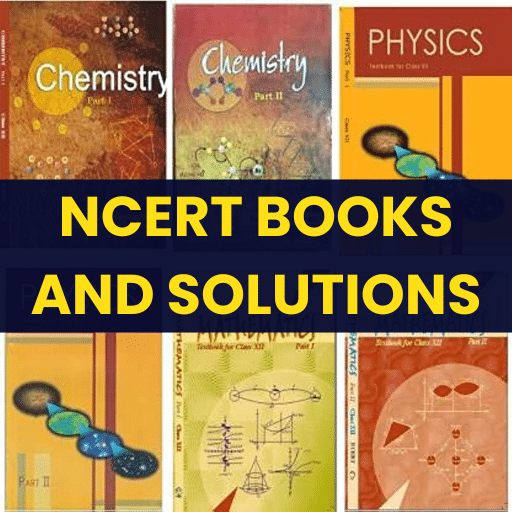



























| Why students choose EduRev for their JEE Exam |
4.6
 (150K+ ratings)
|
 (150K+ ratings)




What is IIT JEE Exam?
The Indian Institutes of Technology Joint Entrance Examination (IIT JEE) is a competitive examination in India for admission to undergraduate engineering and technology programs at the IITs, NITs &other prestigious engineering institutes in India. The exam is widely considered to be one of the most difficult undergraduate admission tests in the world.
What is IIT JEE Exam Pattern & Syllabus?
The JEE is conducted in two stages: JEE Main and JEE Advanced. Questions in both stages of exams are asked from Physics, Chemistry, and Mathematics of Class 11 and Class 12 curriculum of the CBSE in India.
- IIT JEE Main Syllabus & Pattern
IIT- JEE Main Paper is the first stage of the JEE and is conducted by the National Testing Agency (NTA). In Paper 1 of (B.E./B.Tech.) each section contains 30 MCQs, for a total of 90 questions. - IIT JEE Advanced Syllabus & Pattern
Jee advanced paper is the second stage of the JEE and is only open to candidates who rank within the top 2,50,000 in JEE Main. JEE Advanced consists of two papers: Paper 1 and Paper 2.
Each section contains 20 multiple-choice questions, for a total of 60 questions.
Check in detail IIT JEE Mains & Advanced syllabus through the doc: JEE Syllabus, Pattern and Scheme of Examination
How to Prepare for IIT JEE Mains & IIT JEE Advanced with EduRev App?
Here is a list of things that EduRev App provides, which gives you the right direction and makes sure that you study what actually matters for your JEE Mains 2023 and JEE Advanced 2023 Preparation.
1. IIT JEE Main Study Material
- IIT JEE Main Previous Year Question Papers: Physics, Chemistry, Maths
- IIT JEE Mains Solved Papers: Physics, Chemistry, Maths
- Topic Wise Notes: Physics, Chemistry & Maths
- Topic Wise Videos & Tests: Physics, Chemistry & Maths
- IIT JEE Main Mock Tests
- IIT JEE Main MCQ Tests
- NCERT Exemplar & Revision Notes
2. IIT JEE Advanced Study Material
- IIT JEE Advanced Previous Year Question Papers: Physics, Chemistry & Maths
- Topic Wise Notes: Physics, Chemistry & Maths
- Topic Wise Videos & Tests: Physics, Chemistry & Maths
- IIT JEE Advanced MCQ tests
- IIT JEE Advanced Mock Tests
- HC Verma and Irodov Solutions
Important Links for IIT JEE | |
Frequently Asked Questions (FAQs) for IIT JEE Exam
Q.1. How can I prepare for IIT JEE exam?
You can prepare for IIT JEE Exam through EduRev Infinity Package for IIT JEE.
- EduRev Infinity Package for IIT JEE is a comprehensive learning package for students preparing for the IIT JEE Exam. The package includes video lectures, study notes, practice questions, mock tests, previous year papers, and many other resources to help you prepare for the IIT JEE exam in a great manner.
- Create a schedule that covers all necessary topics, Practice with past papers, Take EduRev's online test series, Stay focused and motivated, Read in detail: How to Prepare for JEE
Q.2. Is IIT JEE difficult? Can I crack JEE in 1st attempt?
- IIT JEE is considered to be a highly competitive and difficult exam, due to the level of knowledge and skills required to excel in it. It tests the knowledge of students in Physics, Chemistry, and Mathematics, and the questions are designed to challenge the students to think critically and apply their knowledge to solve problems. However, with proper preparation and the right approach, it is definitely possible to do well in the exam.
- Cracking the JEE in the first attempt is definitely possible, but it depends on several factors such as your dedication, hard work, and the approach you take to prepare for the exam. It is possible to crack JEE in first attempt with proper preparation, study plan, practice and focus. It also depends on individual ability to perform on the exam day.
Q.3. Is 1 year enough for IIT JEE preparation?
- It depends on the individual's current level of knowledge and skills, as well as the amount of time and effort they are willing to put in.
- While some students may be able to prepare for the IIT JEE in one year, others may require more time. A comprehensive study plan and consistent effort are crucial for success on the IIT JEE.
Q.4. From where can I get IIT JEE Questions & Study Material?
- You can get IIT JEE Questions & Study Material through EduRev app. Candidates can go through the study material provided by EduRev app that contains everything that actually matters for your JEE Mains and Advanced Preparation.
- With tried and tested tricks, cracking JEE would become an easy task. Go through the course How to Prepare for JEE to know about the strategy to crack the exam.
Q.5. Who is eligible to appear for JEE Advanced Paper and what is the JEE Advanced cut off ?
The top 2,50,000 candidates who qualified for JEE Main are eligible to apply and write the JEE Advanced exam. The cut-off for JEE Advanced varies year on year depending on various factors like number of applicants, marks scored in JEE advanced, etc. So there is no fixed cut-off as such.
Q.6. Tell me something about JEE Main Registration and JEE Main Result.
- JEE Main registration is a process that candidates must complete in order to be able to take the JEE Main exam. During the registration process, candidates must provide personal and academic information, upload necessary documents, and pay the registration fee.
- JEE Main Result: After the JEE Main exam is completed, the NTA releases the results on its official website. Candidates can check their results by logging in with their registration number and date of birth.

One subscription to unlock all
JEE Courses
View Pricing Plans
Starting @ $1 per month
|
|


JEE Exam preparation at EduRev
1. JEE Main: JEE Main is a national level entrance examination conducted by the National Testing Agency (NTA) for admission into various undergraduate engineering programs in India. It is the first step towards getting admission into prestigious engineering colleges. JEE Main is held twice a year and tests students on their knowledge in subjects like Physics, Chemistry, and Mathematics.
2. JEE Advanced: JEE Advanced is the second phase of the Joint Entrance Examination (JEE) and is conducted for candidates who qualify the JEE Main examination. It is the gateway to the Indian Institutes of Technology (IITs) and other top engineering colleges in the country. JEE Advanced is known for its challenging questions and tests the conceptual understanding and problem-solving abilities of students.
3. JEE Preparation: JEE Preparation requires a comprehensive study plan and dedication. It is important for students to have a thorough understanding of the JEE syllabus and exam pattern. Along with self-study, joining a coaching institute or online classes can provide guidance and structured learning. Regular practice with JEE question papers and mock tests helps in improving speed and accuracy.
4. JEE Coaching: JEE coaching institutes play a significant role in helping students prepare for the entrance examinations. These institutes provide experienced faculty, study materials, and a competitive environment that aids in the overall development of students. Coaching institutes also conduct regular tests and provide personalized feedback to help students identify their strengths and weaknesses.
5. JEE Syllabus: The JEE syllabus is vast and covers topics from Physics, Chemistry, and Mathematics. It is important for students to have a clear understanding of the topics and subtopics mentioned in the official syllabus. A systematic approach to covering the syllabus ensures that no topic is left untouched and helps in efficient preparation for the examination.
6. JEE Exam Pattern: Understanding the JEE exam pattern is crucial for effective preparation. The JEE Main exam consists of multiple-choice questions, while JEE Advanced includes a mix of multiple-choice and numerical answer-based questions. Knowing the marking scheme, time duration, and distribution of questions in each subject helps students plan their exam strategy accordingly.
7. JEE Question Papers: Solving previous years' JEE question papers is an essential part of the preparation process. It helps students familiarize themselves with the exam pattern, difficulty level, and types of questions asked in the actual examination. Analyzing the solutions and identifying the areas that require improvement aids in enhancing problem-solving skills.
8. JEE Study Material: Good quality study material is crucial for JEE preparation. It should be comprehensive, well-structured, and cover all the topics mentioned in the syllabus. There are various books, online resources, and study materials provided by coaching institutes that cater to the specific needs of JEE aspirants.
9. JEE Online Classes: With the advancements in technology, online classes have gained popularity among JEE aspirants. Online classes provide flexibility, convenience, and access to experienced faculty from the comfort of one's home. These classes include video lectures, doubt-solving sessions, and online tests, making them an effective mode of preparation.
10. JEE Mock Tests: Mock tests simulate the actual JEE examination environment and help students assess their preparation level. Mock tests provide an opportunity to practice time management, improve speed, and identify weak areas. Regularly taking mock tests and analyzing the performance leads to better exam readiness and confidence.
11. JEE Tips and Tricks: JEE tips and tricks are valuable insights and strategies shared by experts to enhance performance in the examination. These tips include effective time management, smart guessing techniques, prioritizing topics, and focusing on conceptual understanding. Implementing these tips and tricks can significantly improve efficiency and maximize scores.
12. JEE Counseling: JEE counseling is the process through which students are allocated seats in various engineering colleges based on their JEE ranks. It involves registration, choice filling, seat allotment, and document verification. Counseling sessions provide guidance and support to students in making informed decisions about their college and branch preferences.
13. JEE Eligibility Criteria: The JEE eligibility criteria specify the requirements that candidates must fulfill to appear for the examination. It includes age limit, educational qualifications, and other criteria set by the conducting authority. Familiarizing oneself with the eligibility criteria is essential to ensure eligibility for the examination.
14. JEE Result: The JEE result is the outcome of the examination and determines the rank obtained by each candidate. The result is published online and includes the overall score, subject-wise scores, and rank secured. The JEE result plays a vital role in the admission process and is a crucial milestone for every JEE aspirant.
15. JEE Cutoff: JEE cutoff refers to the minimum marks or ranks required to qualify for admission into various engineering colleges. The cutoff varies for different colleges and branches and is determined based on factors like the number of seats available, the difficulty level of the examination, and the performance of candidates. The JEE cutoff acts as a benchmark for shortlisting candidates for further rounds of counseling and admission.
JEE Exam Pattern 2025-2026
JEE Syllabus 2025-2026 PDF Download
JEE Books
JEE Study Material and Notes PDF Download
JEE Previous Year Papers
Important Questions for JEE
|
© EduRev
|
Education Revolution
|


|






